
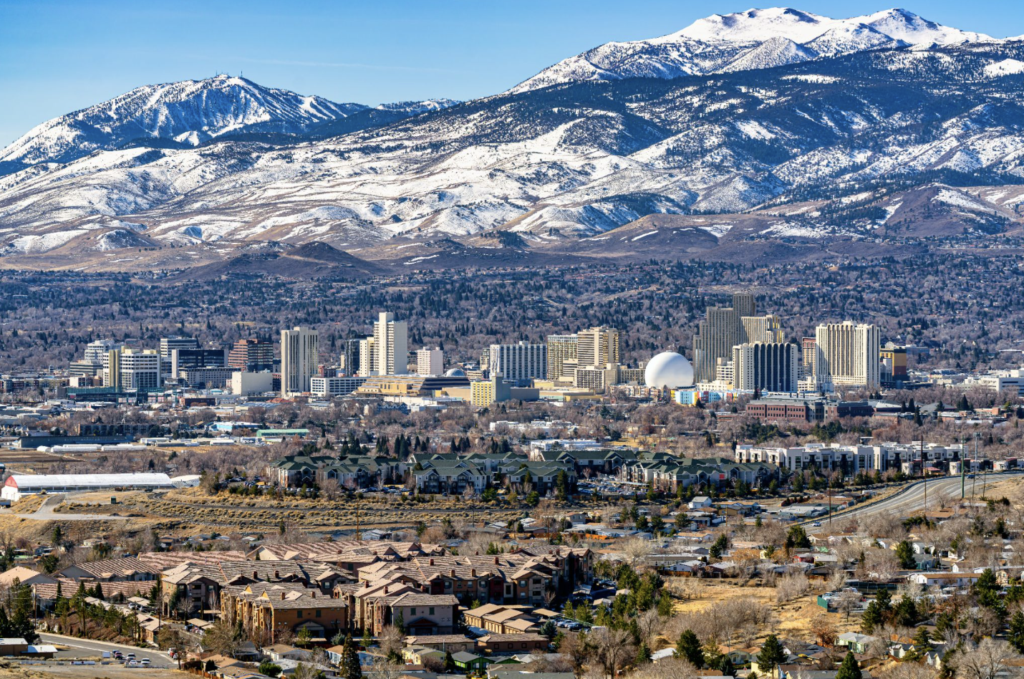
The city of Reno, Nevada, has emerged as a focal point for the American energy transition following the successful community-led advocacy for the Trego Battery Energy Storage System (BESS). This 200-megawatt utility-scale project is designed to capture and store renewable energy, primarily from solar sources, to stabilize the regional electrical grid and ensure a reliable power supply during periods of peak demand. By facilitating the storage of enough electricity to power approximately 68,000 local households, the Trego BESS represents a significant shift in how northern Nevada manages its energy resources and moves toward a decarbonized future.
The approval and advancement of the Trego project come at a critical juncture for the state of Nevada, which has set ambitious renewable energy targets, including a mandate to achieve 50 percent renewable energy by 2030. As the state integrates more intermittent sources like solar and wind into its portfolio, the necessity for robust storage solutions has become paramount. The Trego BESS serves as a vital bridge, allowing energy generated during the sunny daylight hours to be deployed in the evening when residential and commercial demand spikes, thereby reducing the reliance on fossil-fuel-burning "peaker" plants.
Technical Specifications and Safety Innovations
The Trego Battery Energy Storage System is built upon Lithium Iron Phosphate (LFP) technology, a strategic choice that addresses many of the safety and environmental concerns often associated with large-scale battery installations. Unlike traditional lithium-ion batteries that utilize nickel and cobalt, LFP batteries are known for their thermal and chemical stability. This technology significantly reduces the risk of thermal runaway—a condition where a battery enters an uncontrollable self-heating state—making it a preferred choice for projects located near residential or sensitive ecological areas.
Beyond safety, the technical capacity of the 200-megawatt system provides essential "grid services." These include frequency regulation and voltage support, which are necessary to maintain the balance of the electrical system. In the event of a grid disturbance or an unexpected surge in demand, the Trego BESS can discharge electricity almost instantaneously, providing a level of responsiveness that traditional mechanical turbines cannot match. This rapid-response capability is increasingly viewed by grid operators as a cornerstone of modern energy security.
The Role of Community Advocacy and the Science Alliance
The success of the Trego project was not guaranteed. Throughout the United States, renewable energy infrastructure often faces significant local opposition, frequently categorized as "NIMBYism" (Not In My Backyard). Such opposition is often fueled by a lack of familiarity with new technologies, concerns over land use, and uncertainty regarding long-term environmental impacts. In Reno, however, the narrative shifted through the active participation of the Protect Our Winters (POW) organization and local scientific experts.
Dr. Anne Nolin, a prominent snow hydrologist and Professor in the Geography Department at the University of Nevada, Reno, played a central role in the advocacy efforts. As a member of the POW Science Alliance, Dr. Nolin provided a bridge between complex climate data and local community concerns. For Dr. Nolin, the project was deeply connected to her professional work studying snowpack and water cycles. In the American West, climate change has led to diminishing snowpacks, which directly threatens regional water security. By advocating for a project that facilitates the transition away from carbon-emitting energy sources, Dr. Nolin and her colleagues framed the Trego BESS not just as a piece of industrial infrastructure, but as a tangible climate solution.
The advocacy process involved a concerted effort to attend public hearings and engage with local decision-makers. Advocates reported that the public testimony in favor of the Trego project was characterized by well-informed, evidence-based arguments. This level of engagement signaled to the Washoe County officials that there was a broad mandate for clean energy progress, countering the typical trend of vocal opposition dominating public discourse.
Economic Impact and Regional Growth
The economic implications of the Trego BESS extend far beyond the immediate construction phase. Economic impact assessments for projects of this nature suggest a high multiplier effect for local economies. Industry data indicates that projects like the Trego BESS can generate approximately $14$ million in economic activity for every 5 megawatts of capacity. When scaled to a 200-megawatt project, the potential for local investment, tax revenue, and job creation is substantial.
For Washoe County and the greater Reno area, this translates into a diversified tax base. The revenue generated from property taxes and equipment assessments on the BESS facility can be allocated toward local schools, emergency services, and infrastructure maintenance. Furthermore, the presence of reliable, cheaper energy storage can act as a draw for other industries, particularly high-tech and manufacturing sectors that require stable power prices and a "green" energy profile to meet their own corporate sustainability goals.
The project also contributes to the "green-collar" job market. While the long-term operational staff for a battery storage site is typically smaller than that of a traditional power plant, the development, engineering, and construction phases require a specialized workforce. By hosting these projects, Reno is positioning its local labor force at the forefront of the renewable energy economy.
Overcoming Obstacles and Setting a National Precedent
The trajectory of the Trego BESS provides a roadmap for other municipalities struggling with the implementation of clean energy mandates. One of the primary hurdles identified by organizers was the "fear of the unknown." To combat this, the Reno community focused on transparency and education regarding the specific technology being used.
The shift from skepticism to support was facilitated by addressing technical questions head-on. For example, during the public comment periods, community members and experts discussed the lifecycle of LFP batteries, their recyclability, and the specific mitigation measures in place to prevent environmental contamination. By providing a platform for scientific experts like Dr. Nolin to speak alongside outdoor enthusiasts and residents, the advocacy group was able to humanize the project and align it with the community’s shared values of protecting the local environment and the outdoor recreation economy.
This victory in Reno is being watched closely by energy analysts across the country. As the United States seeks to modernize its aging electrical grid, the "Reno Model" of proactive, science-backed community advocacy may serve as a template for overcoming the legislative and social bottlenecks that currently stall many renewable energy projects.
Nevada’s Strategic Position in the Energy Transition
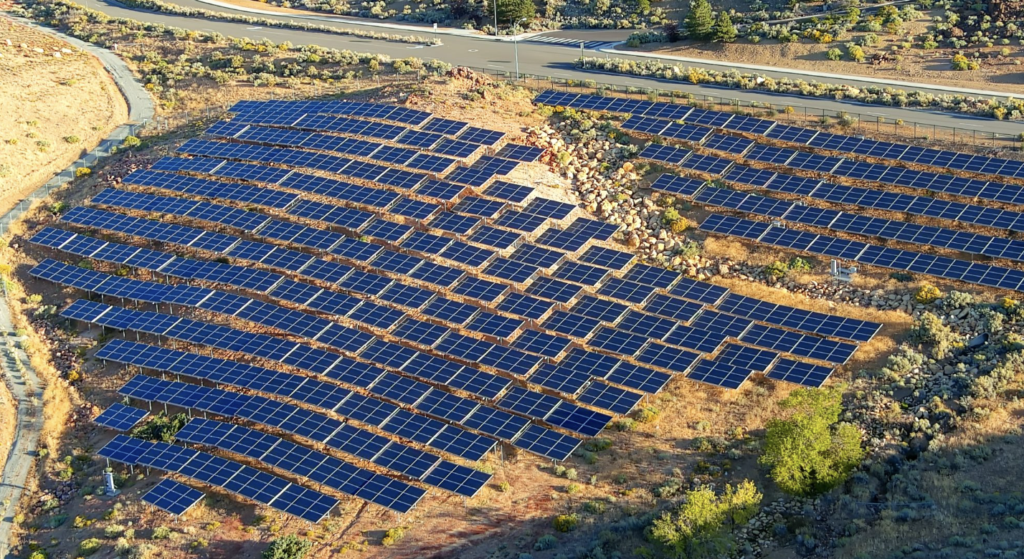
Nevada is uniquely positioned to lead the nation in renewable energy due to its vast solar resources and significant lithium deposits. The state’s legislative framework, including Senate Bill 358, which raised the Renewable Portfolio Standard, has created a fertile environment for projects like Trego. However, the physical infrastructure—the "hardware" of the energy transition—has often lagged behind the policy "software."
The Trego BESS is part of a larger ecosystem of projects designed to turn Nevada into a regional energy hub. This includes the development of high-voltage transmission lines, such as the Greenlink West and Greenlink North projects, which will move renewable energy across the state and into the broader Western Interconnection. Without large-scale storage like the Trego system, the energy generated by Nevada’s solar farms would be difficult to manage, potentially leading to "curtailment," where excess clean energy is wasted because the grid cannot handle the load.
Conclusion and Future Outlook
The successful rally for the Trego Battery Energy Storage System marks a definitive win for the clean energy movement in northern Nevada. It demonstrates that when scientific expertise is combined with organized community advocacy, it is possible to overcome the traditional barriers to infrastructure development. The project stands as a testament to the fact that local action is a primary driver of national climate policy.
As the Trego BESS moves toward full operational status, it will serve as a functional model of the modern grid. It provides a blueprint for how cities can achieve energy independence, lower costs for consumers, and contribute to the global effort to mitigate the impacts of climate change. For the people of Reno, the project represents a commitment to a future where clean air, reliable power, and a healthy environment are not mutually exclusive, but are instead the integrated results of informed local governance and civic participation.
The lessons learned from the Trego project—the importance of choosing the right technology, the necessity of scientific messengers, and the power of showing up at local hearings—are now being shared through toolkits and resources by organizations like Protect Our Winters. As more communities across the United States face similar decisions regarding their energy future, the Reno experience suggests that the path forward lies in active engagement and a willingness to build the infrastructure required for a sustainable world.

