
In a significant development for international cross-country skiing, Stefan Thomson, the highly successful former head coach of the Swedish women’s national team, has been appointed as the new head coach for the Canadian cross-country ski program. Thomson, a 52-year-old native of Jämtland, Sweden, announced his departure from his long-standing role with the Swedish Ski Federation in March, marking the end of an eight-season tenure that saw Swedish athletes achieve unprecedented success on the world stage. His move to Canada signifies a new chapter for both the coach and the Canadian team, which has long sought to elevate its performance in the highly competitive sport.
Thomson’s departure from Sweden came after a period of intense scrutiny and a desire for new challenges. While the original announcement did not delve into specific reasons for his departure beyond a general statement of conclusion, sources close to the Swedish Ski Federation indicated a mutual understanding that a new direction was desired. Thomson himself expressed enthusiasm for the opportunity to lead the Canadian program, citing its considerable untapped potential. "It is exciting to take over a program with so much potential," Thomson stated in a press release. "Canada has talented skiers, dedicated coaches, and a good support system. I am looking forward to working closely with them to build an environment where the skiers can regularly compete among the world’s best."
His eight seasons at the helm of the Swedish women’s cross-country ski team were nothing short of spectacular. Under his guidance, the Swedish contingent amassed an impressive 43 championship medals across two Olympic Games and four World Championships. Furthermore, his athletes consistently featured on the World Cup podium, accumulating a remarkable 277 top-three finishes. This track record includes the successes of prominent skiers such as Frida Karlsson, Ebba Andersson, Jonna Sundling, Maja Dahlqvist, and Linn Svahn, all of whom have become household names in the sport due to their consistent podium performances and championship victories. The sheer volume of medals and podiums achieved during Thomson’s leadership underscores his exceptional ability to develop talent and implement winning strategies.
The Canadian side, operating under the umbrella of Nordiq Canada, has expressed immense satisfaction and optimism regarding Thomson’s recruitment. Beckie Scott, CEO of Nordiq Canada and a former Olympic gold medalist herself, lauded the signing as a significant coup for the organization. "Stefan is one of the most accomplished and respected coaches in international cross-country skiing, and we are delighted to welcome him to Nordiq Canada," Scott commented. Scott emphasized the crucial role of Thomson’s extensive background and proven experience in international cross-country skiing. "His expertise in training methodologies and cross-country skiing, combined with documented results at the highest level, makes him a natural choice to lead our national program," she added, highlighting the strategic importance of bringing in a coach with such a pedigree.
A Legacy of Success with the Swedish National Team
Stefan Thomson’s tenure with the Swedish women’s cross-country ski team began in 2016. Prior to this, he had already established himself as a respected figure in Swedish skiing, having worked with various clubs and development programs. His appointment to the national team marked a period of strategic investment and focus on building a cohesive and highly competitive squad. The early years of his leadership saw a gradual rise in performance, with athletes like Charlotte Kalla continuing to deliver strong results, but it was the emergence of a new generation of talent that truly defined his era.
The period between the 2017 World Championships in Lahti and his departure in March 2024 was characterized by a relentless pursuit of excellence. Key milestones in this period include:
- 2018 PyeongChang Olympics: Swedish athletes secured multiple medals, signaling a strong resurgence in the sport.
- 2019 Seefeld World Championships: Continued success with a significant medal haul, cementing Sweden’s status as a dominant force.
- 2021 Oberstdorf World Championships: A particularly dominant performance, with Swedish skiers winning numerous gold medals and showcasing exceptional depth.
- 2022 Beijing Olympics: Further Olympic success, demonstrating the sustained development and high-level performance achieved under Thomson’s coaching.
- 2023 Planica World Championships: Another strong showing, maintaining Sweden’s position at the pinnacle of the sport.
Beyond the major championships, Thomson’s athletes consistently performed well in the World Cup circuit, accumulating an average of nearly 50 podium finishes per season over his eight years. This sustained success is a testament to his ability to not only identify and nurture talent but also to maintain peak performance levels throughout demanding competition schedules. The strategic planning of training camps, race calendars, and athlete development pathways were all under his purview, contributing to the overall strength of the Swedish program.
The Canadian Context: A Push for a Higher Standing
For Canada, the acquisition of Stefan Thomson represents a deliberate and ambitious strategy to climb the international rankings in cross-country skiing. While Canada has produced individual stars like Beckie Scott and Chandra Crawford in the past, the program has faced challenges in consistently producing multiple medal contenders across different disciplines. The nation’s vast geography and the popularity of winter sports provide a strong foundation, but translating this into consistent international success requires expert coaching and strategic development.
Nordiq Canada has been actively seeking to strengthen its coaching cadre. The departure of several prominent coaches from the Swedish national team created an opportune moment for other nations to secure top-tier talent. The Canadian team’s performance in recent major championships, while showing flashes of potential, has not consistently matched the medal output of traditional powerhouses like Norway, Sweden, and Finland. Thomson’s appointment is seen as a crucial step in bridging this gap.
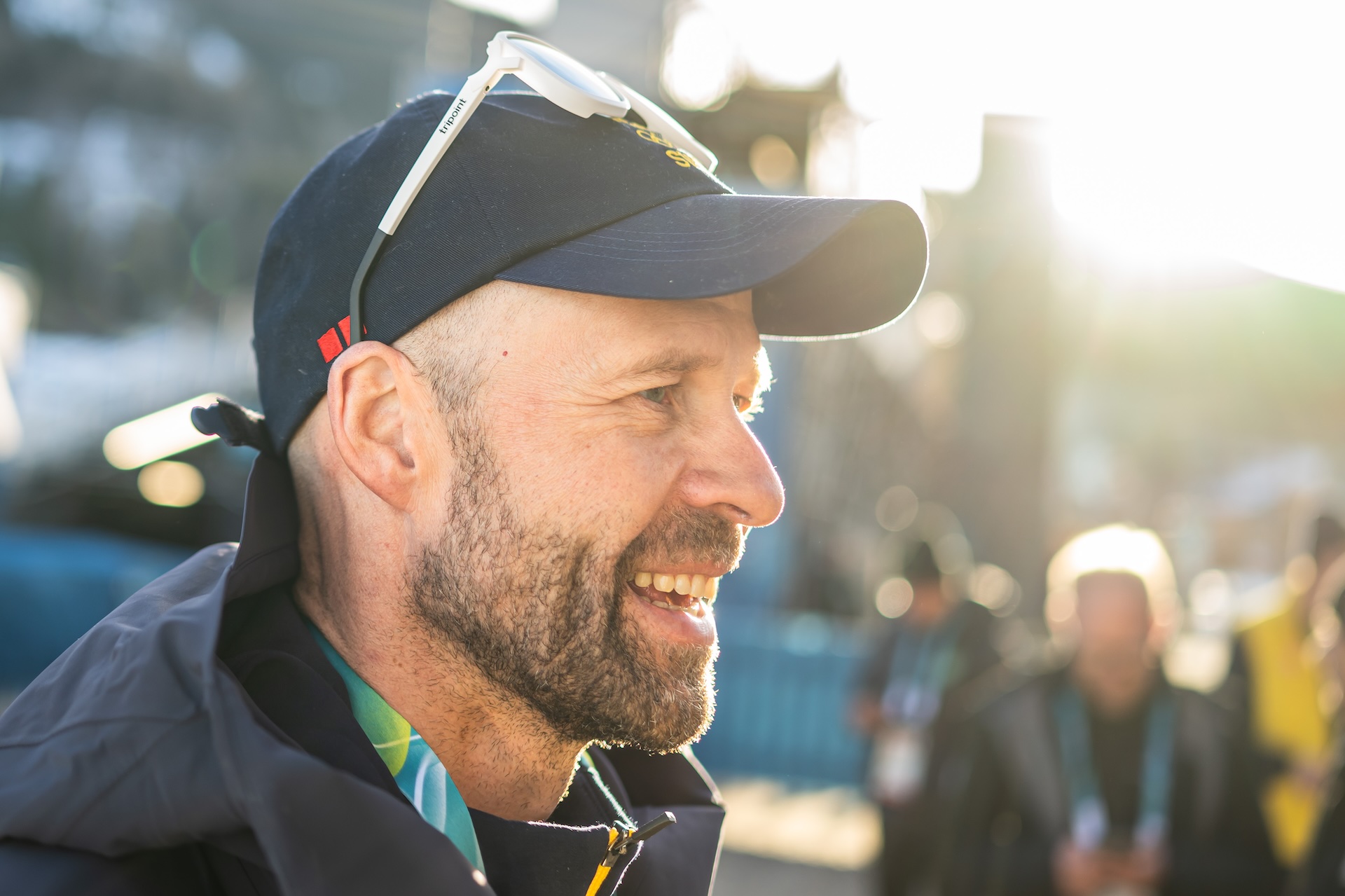
The implications of this move are multifaceted. For the Canadian athletes, it means access to world-class coaching expertise that has a proven track record of success with elite female skiers. This could translate into improved training methodologies, more effective race strategies, and a greater ability to compete consistently for podiums. For the sport in Canada, it signifies a renewed commitment from Nordiq Canada and its stakeholders to invest in high-performance programs. The visibility and success generated by Thomson’s leadership could also inspire a new generation of young skiers, boosting participation and talent development at the grassroots level.
A Shift in Coaching Landscape for Sweden
Thomson’s departure was not an isolated event within the Swedish Ski Federation. He was one of two high-profile coaches who left the national setup following the conclusion of the World Cup season. Anders Högberg, the head coach of the Swedish men’s national team, also departed. This signals a period of transition and potential restructuring for Sweden’s cross-country skiing programs.
In a move that highlights the global nature of elite sports coaching, Anders Högberg has been replaced by Egil Kristiansen, a highly decorated former gold medal-winning coach from Norway. This exchange of coaching talent between Scandinavian nations underscores the intense competition not only among athletes but also among federations to secure the best coaching expertise. Sweden, having benefited immensely from Thomson’s leadership, now faces the challenge of maintaining its dominant position with new coaching personnel, while Canada aims to leverage Thomson’s expertise to reach new heights.
The article also references a separate event where a coach resigned "after massive criticism," suggesting a broader context of performance pressures and scrutiny within elite sports. While not directly linked to Thomson’s departure, it points to the demanding nature of coaching at the highest level and the constant need for results.
A Tradition of Scandinavian Expertise in Canada
Stefan Thomson’s move to Canada continues a long-standing tradition of Scandinavian coaches contributing significantly to the Canadian cross-country ski program. This trend highlights the high regard in which Scandinavian coaching methodologies and expertise are held globally. Several prominent Norwegian coaches, in particular, have previously held significant roles within the Canadian national team, bringing with them a wealth of experience and a deep understanding of the sport.
Among the notable Scandinavian figures who have coached in Canada are:
- Arild Monsen: A highly respected coach who most recently served as the head coach for the Norwegian men’s national team until April of this year. His experience at the pinnacle of Norwegian skiing undoubtedly brought valuable insights to any program he was involved with.
- Erik Bråthen Guidon: Currently coaching the Swiss national team, Guidon previously held coaching positions within the Canadian program, contributing to its development.
- Steinar Mundal: Another Norwegian coach with a strong track record in cross-country skiing, who has contributed his expertise to Canadian athletes.
- Tor Arne Hetland: A former Olympic medalist and accomplished coach, Hetland has also been involved with Canadian skiing, sharing his knowledge and experience.
- Inge Bråten: A legendary figure in Norwegian cross-country skiing, Bråten’s influence, even if indirectly through his coaching philosophy, has been felt across the sport.
- Julie Mehre Ystgaard: Her presence further exemplifies the consistent engagement of Scandinavian coaching talent within the Canadian system.
This historical context suggests that Nordiq Canada has found success in integrating Scandinavian coaching philosophies and practices into its development strategies. Thomson’s appointment is not a radical departure but rather a continuation of a proven approach. His specific focus on women’s cross-country skiing, coupled with his recent, extraordinary success, makes him a particularly valuable addition to a program that aims to build upon existing strengths and address areas for improvement. The familiarity with this coaching style likely eased the transition and contributed to the rapid agreement between Thomson and Nordiq Canada.
The Road Ahead: Challenges and Opportunities
The challenges facing Stefan Thomson in his new role are significant. He inherits a program with a desire for greater success but one that must contend with the established dominance of traditional cross-country skiing powerhouses. Building team cohesion, fostering a winning mentality, and optimizing the performance of individual athletes will be key priorities. He will also need to navigate the unique demands of the North American competition circuit and ensure that Canadian athletes are well-prepared for major international events.
However, the opportunities are equally compelling. Thomson has a reputation for his meticulous approach to training, his ability to motivate athletes, and his strategic acumen. With the full backing of Nordiq Canada and a team eager to prove itself, he has the potential to usher in a new era of success for Canadian cross-country skiing. His experience with developing and nurturing talent, as demonstrated by the careers of the Swedish stars, suggests he can effectively guide the next generation of Canadian skiers. The coming seasons will be closely watched as Stefan Thomson embarks on this new and exciting chapter in his coaching career, with the hopes of Canadian cross-country skiing resting on his experienced shoulders.

