
Broomfield, Colorado – In an effort to quell mounting investor concerns and counter a potential proxy battle, Vail Resorts, the global leader in mountain resort operations, has released a new episode of its podcast, "Epic By Nature." The move comes amid escalating pressure from activist investors and a prominent public push from billionaire entrepreneur Matthew Prince for a significant strategic shift within the company. The latest episode, hosted by Chairman and CEO Rob Katz, directly addresses the company’s current business model and its rationale, implicitly responding to proposals for a franchise system and the potential sale of individual assets like Park City Mountain Resort.
The Rising Tide of Activist Investor Interest
The summer season, typically a period of strategic planning for the ski industry, has been marked by significant turbulence for Vail Resorts. Weeks prior to the podcast’s release, reports surfaced detailing activist investors’ contemplation of a proxy battle. This strategic maneuver, if enacted, would allow these investors to nominate their own candidates for the company’s board of directors, aiming to influence corporate strategy and potentially drive significant changes in leadership and operational direction.
Adding fuel to this fire is the persistent interest from Matthew Prince, the co-founder and CEO of Cloudflare. Prince has openly expressed his desire to acquire Park City Mountain Resort, the largest ski resort in the United States. His proposition for Vail Resorts to adopt a franchise model, where independent operators would manage individual resorts while Vail Resorts would retain brand oversight and potentially revenue sharing, has gained traction and further amplified the debate surrounding Vail’s long-term strategy and asset valuation.
This period of uncertainty has not gone unnoticed by the financial markets. While specific stock performance data is proprietary, the general sentiment surrounding activist investor involvement often leads to increased stock volatility and heightened scrutiny from financial analysts. The perceived underperformance or strategic missteps that attract activist attention can lead to pressure on share prices as investors weigh the potential for change against the status quo.
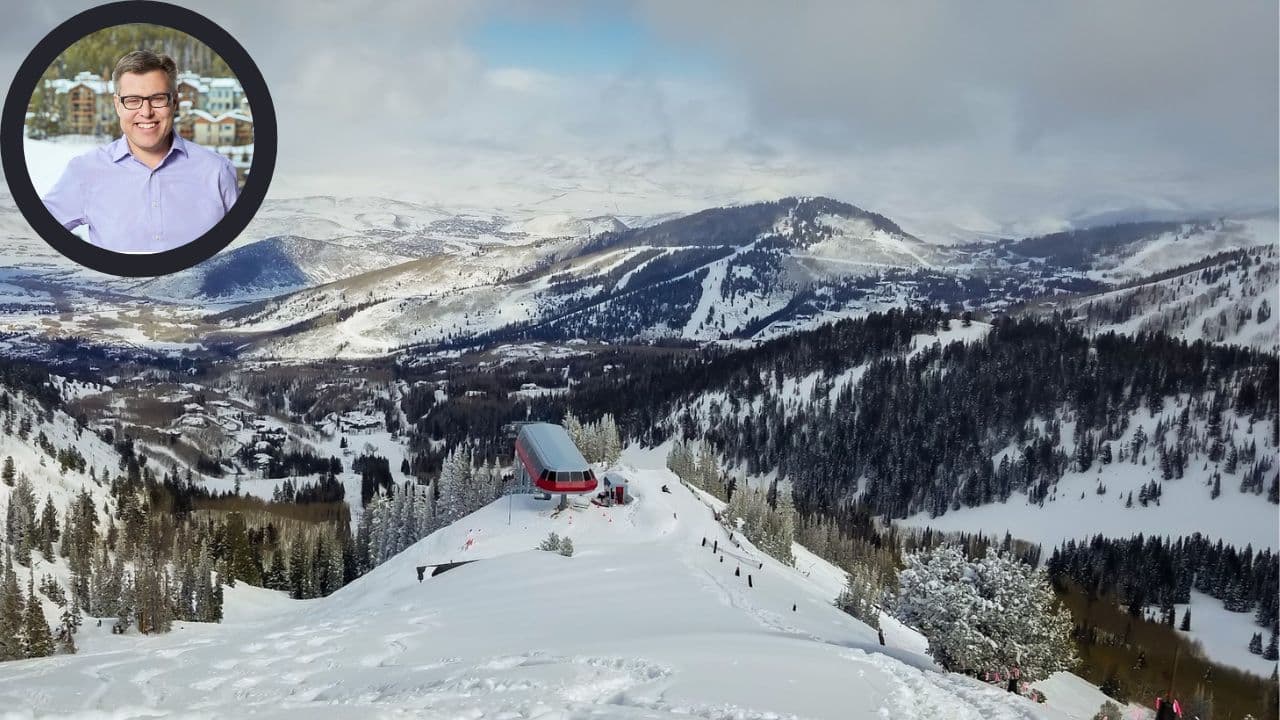
"Epic By Nature": A Platform for Defense and Explanation
The "Epic By Nature" podcast, described as a behind-the-scenes look at Vail Resorts, has increasingly become a platform for the company to address sensitive issues. Previous episodes have delved into topics such as labor relations, unionization efforts, and guest experiences, demonstrating a growing reliance on direct communication to shape public and investor perception.
In this latest installment, Rob Katz directly confronts the strategic proposals that have generated significant industry buzz. The core of his argument centers on the inherent strengths of Vail Resorts’ current vertically integrated model, which encompasses ownership and operation of 42 resorts across North America, Australia, and Europe. Katz articulates that this structure is fundamental to the company’s ability to effectively manage its flagship "Epic Pass" program.
"Our integrated model allows us to create unparalleled value for our guests and our employees," Katz stated on the podcast, as reported by industry news outlets. "It enables us to set consistent pass pricing, foster career development across our vast network, and implement advanced technological systems that enhance the overall guest and employee experience." He emphasized that this unified approach is crucial for maintaining the competitive advantage of the Epic Pass, a product that has been instrumental in Vail’s growth and market dominance.
Addressing the Franchise Model and Asset Sales
Katz specifically addressed the franchise model proposed by Prince and others, arguing that it would undermine the very foundation of Vail Resorts’ success. He explained that the control afforded by direct ownership is essential for maintaining brand standards, ensuring operational consistency, and realizing the full potential of their integrated technology and pass programs. A franchise system, he posioned, would dilute this control and could lead to a fragmented and less valuable customer experience.
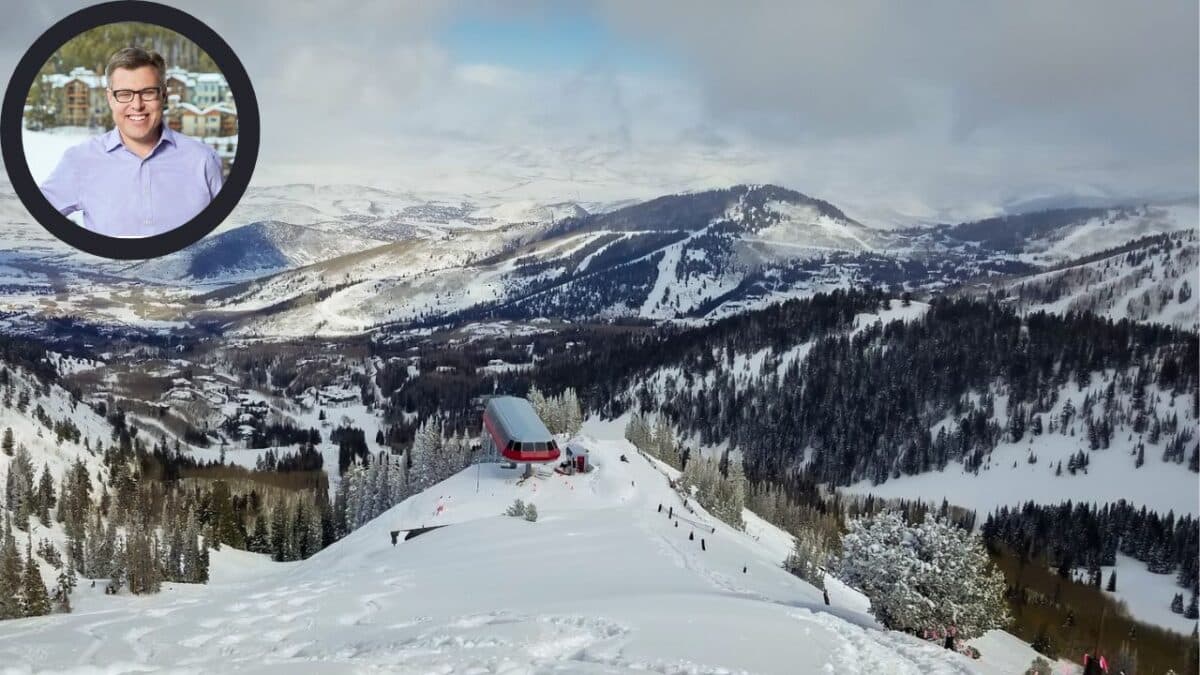
The discussion also touched upon the possibility of divesting individual assets, with Park City Mountain Resort being a focal point of speculation. Katz explained the unique complexities that make selling Park City particularly challenging. He highlighted its significant role in the Epic Pass ecosystem, its substantial size, and the intricate nature of its lease agreements with landowners. These factors, he argued, create a barrier to any simple acquisition or sale. While Prince was not named directly, the implication was clear that Vail Resorts has no immediate plans to sell its flagship Utah property.
Matthew Prince’s Rebuttal: A Social Media Salvo
The response from Matthew Prince was swift and public. Taking to Twitter (now X), Prince characterized Vail Resorts’ podcast episode as a sign that he and his proposals were occupying significant mental real estate within the company’s leadership. His statement, "I live rent-free in Vail’s head," underscored his assertion that his activism is having a tangible impact on the company’s communications and strategic thinking. Prince’s considerable personal wealth and his track record as a successful tech entrepreneur lend weight to his pronouncements, ensuring that his commentary is closely watched by industry observers and investors alike.
Broader Implications for the Ski Industry
The ongoing dialogue between Vail Resorts and its critics, particularly Matthew Prince, has broader implications for the future of the ski industry. Vail Resorts’ dominance through its consolidated ownership model has been a subject of debate for years. Critics argue that this consolidation can lead to decreased competition, rising lift ticket and pass prices, and a homogenization of the ski experience. Activist investors, by challenging this model, are pushing for a re-evaluation of how ski resorts are owned, operated, and how value is created and distributed.
The emphasis on the "Epic Pass" and its role in Vail’s strategy highlights the growing importance of season-long access products in the ski industry. These passes, while offering value to dedicated skiers, also represent a significant financial commitment and can influence where and how frequently individuals ski. The debate over the optimal ownership and operational structure of resorts directly impacts the accessibility and affordability of skiing for a wider audience.

A Timeline of Recent Developments:
- Late May/Early June 2026: Reports emerge of activist investors considering a proxy battle against Vail Resorts, aiming to influence corporate strategy.
- Early June 2026: Matthew Prince publicly renews his interest in acquiring Park City Mountain Resort and advocates for Vail Resorts to adopt a franchise model.
- Mid-June 2026: Vail Resorts releases a new episode of its "Epic By Nature" podcast, featuring CEO Rob Katz addressing the company’s business model and strategy.
- Late June 2026: Matthew Prince responds publicly on social media to Katz’s podcast statements, framing it as a sign of his influence.
The Path Forward: Uncertainty and Scrutiny
The public exchange, initiated by activist investor interest and amplified by Prince’s vocal advocacy, has placed Vail Resorts under an intensified spotlight. The company’s reliance on its integrated model and the success of its Epic Pass program are being openly challenged. The release of the podcast episode represents a strategic move by Vail to reinforce its current strategy and defend its operational decisions.
However, the persistent pressure from activist shareholders and prominent figures like Prince suggests that this debate is far from over. The coming months will likely see continued scrutiny of Vail Resorts’ performance, its strategic direction, and its ability to navigate the complex landscape of investor demands and industry evolution. The outcome of this internal and external pressure could significantly shape the future ownership and operational paradigms of the North American ski industry.
Image Credits: Matt Omann, Vail Resorts.

