
July 7, 2026 | James Cove, Hydra, Greece
The allure of the Greek islands, particularly outside the demanding winter ski season, presents an irresistible opportunity for reflection on past snowy adventures and anticipation of those yet to come. For PlanetSKI readers who follow our year-round travels, the summer months offer a different kind of exploration, a departure from the familiar slopes and a dive into diverse landscapes. Following recent dispatches from the mountains of Sweden and the coastal paths of England, our current sojourn brings us to the Saronic Gulf, to the picturesque island of Hydra.
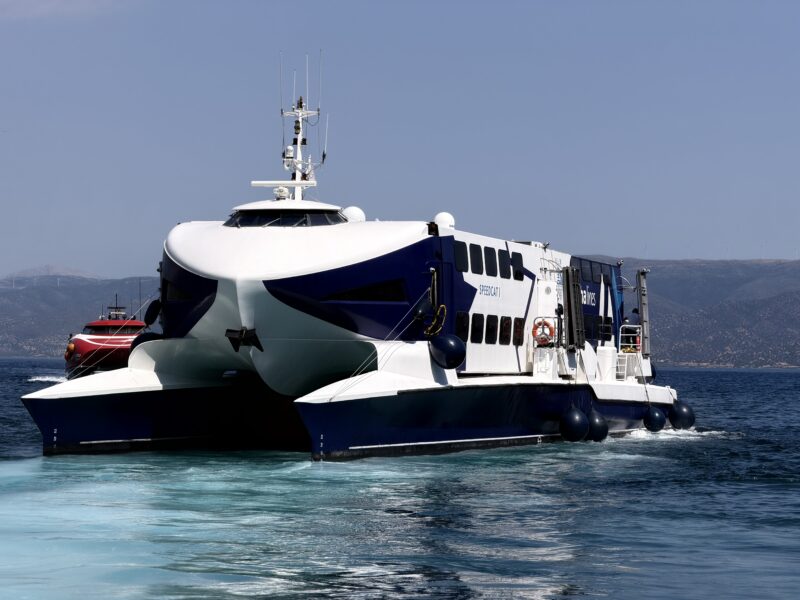
Hydra, a jewel nestled approximately 90 minutes by sea from the bustling Athens port of Piraeus, offers a unique charm that resonates deeply with those who appreciate a slower pace of life. Our arrival was aboard a futuristic catamaran, its sleek design drawing comparisons to figures from popular science fiction, a modern vessel delivering us to an island steeped in history and tradition.
A Car-Free Sanctuary: Echoes of Alpine Resorts
What immediately strikes any visitor to Hydra is its remarkable resemblance to renowned, car-free alpine ski resorts. Much like Zermatt, Saas-Fee, Wengen, and Avoriaz, Hydra has deliberately eschewed vehicular traffic, creating an environment free from the cacophony of car horns and the pervasive scent of exhaust fumes. This commitment to a tranquil atmosphere significantly enhances the visitor experience, allowing for a more immersive engagement with the island’s natural beauty and historical architecture.
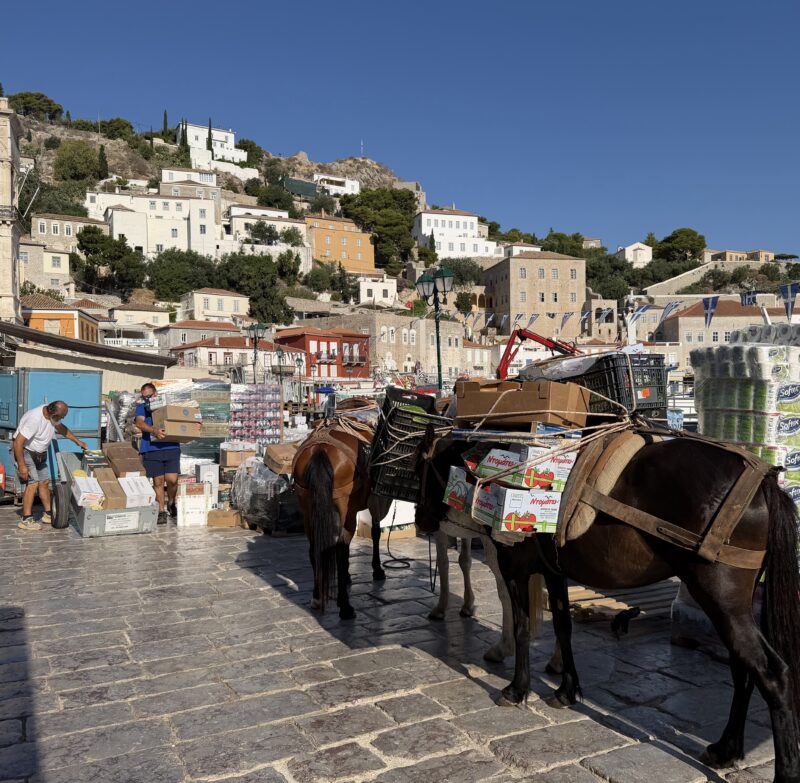
While alpine resorts rely on electric carriages and snowmobiles to navigate their snowy terrains, Hydra’s primary mode of transport for heavy lifting is its enduring equine population. Donkeys are the lifeblood of the island’s logistics, diligently transporting luggage to accommodations and supplies through the narrow, winding streets. Tourists often find themselves following in the wake of these patient animals, a charming and environmentally conscious alternative to motorized transport. This car-free, and indeed, bicycle and motorbike-free, ethos underscores Hydra’s dedication to preserving its unique character. The absence of wheels, beyond those on the occasional boat trailer, contributes to a palpable sense of peace.
Hydra Port: A Hub of Island Life
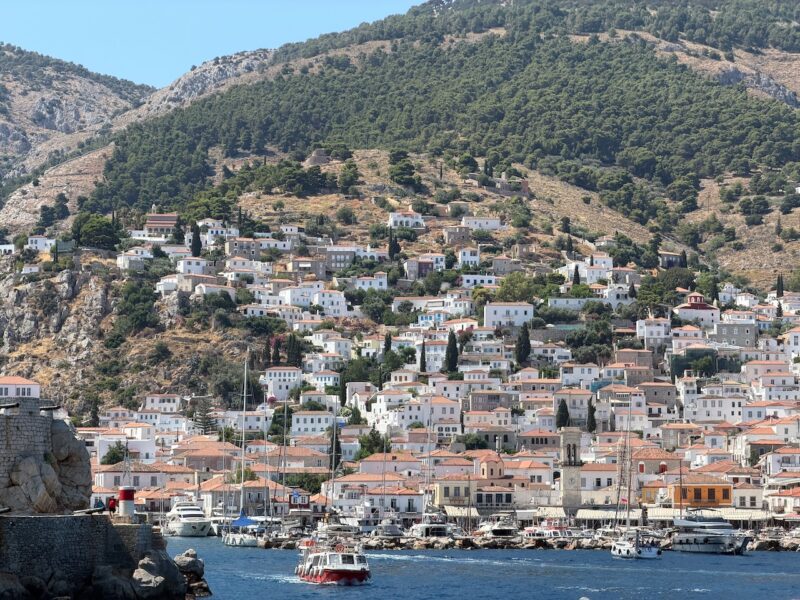
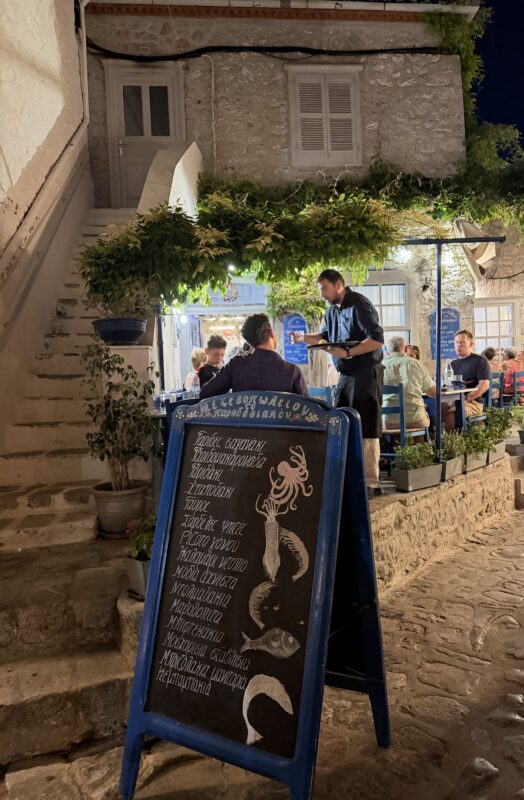
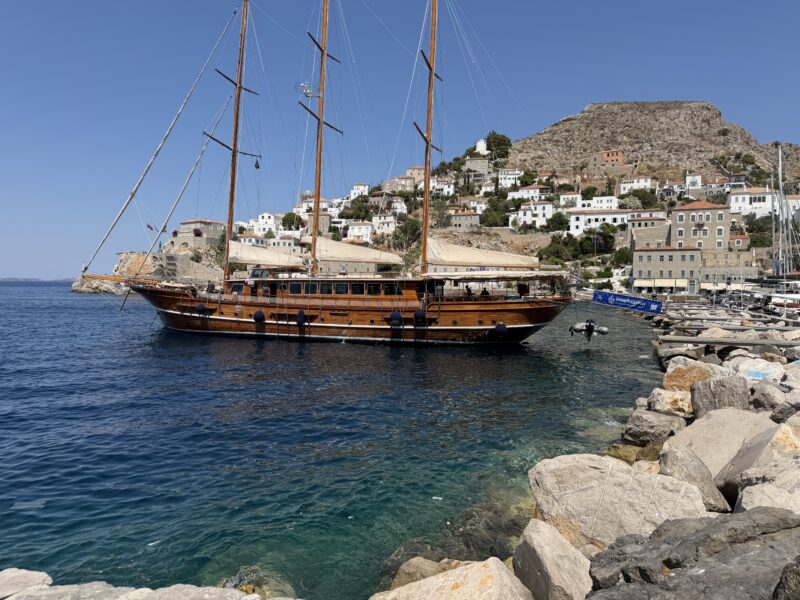
The island’s main settlement, simply known as Hydra Port, is a vibrant hub with a resident population of approximately 2,000 individuals. Spanning a crescent-shaped harbor, this picturesque town is lined with an eclectic array of restaurants, shops, markets, and galleries, catering to both the influx of tourists and the needs of the local community. The architecture, characterized by imposing stone mansions, speaks to the island’s rich maritime history, a legacy of its prosperous past as a naval power.
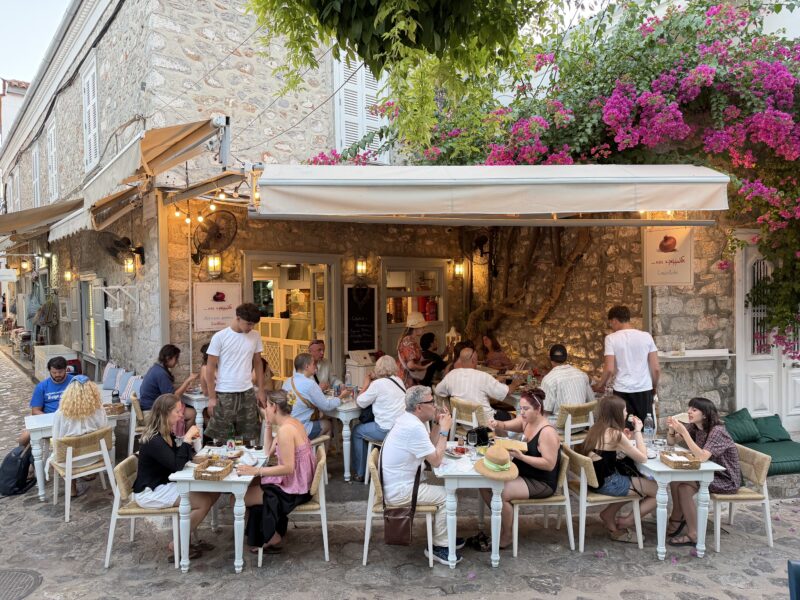
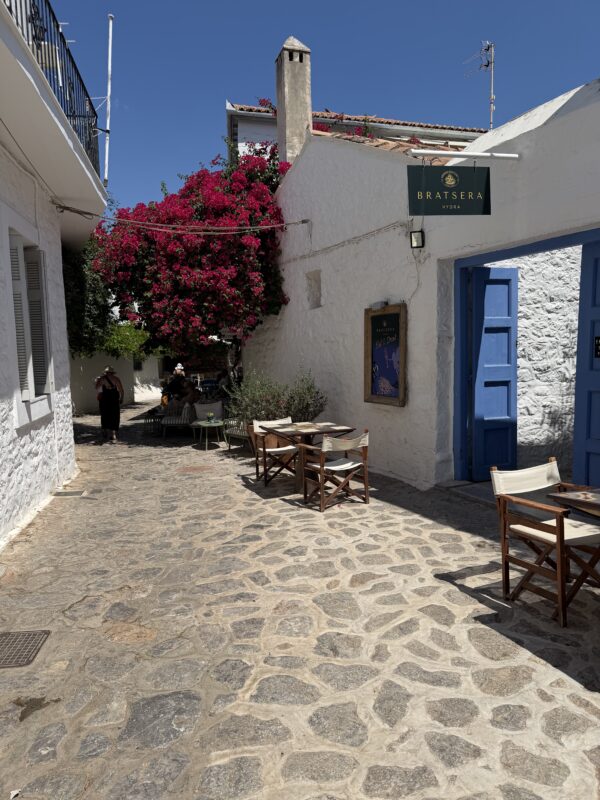
Steep stone streets ascend from the harbor, revealing glimpses of the island’s rugged interior and offering panoramic views of the azure Aegean Sea. Beyond Hydra Port, smaller villages and hamlets such as Mandraki, Kamini, Vlychos, Palamidas, Episkopi, and Molos dot the island, each contributing to its distinct mosaic of charm and tranquility. The main port itself is a labyrinth of narrow, cobbled streets, brimming with tavernas and bars that invite visitors to linger and soak in the Mediterranean ambiance.
The Hydra Experience: Beyond the Slopes
The comparison to ski resorts extends beyond the absence of cars. Like many of its alpine counterparts, Hydra Port fosters a sense of self-contained charm. Once you arrive, the inclination is to stay and explore its immediate surroundings, a testament to its compact yet rich offering of experiences. The island exudes a laid-back, horizontal, and unhurried atmosphere, a stark contrast to the vertical demands of skiing.
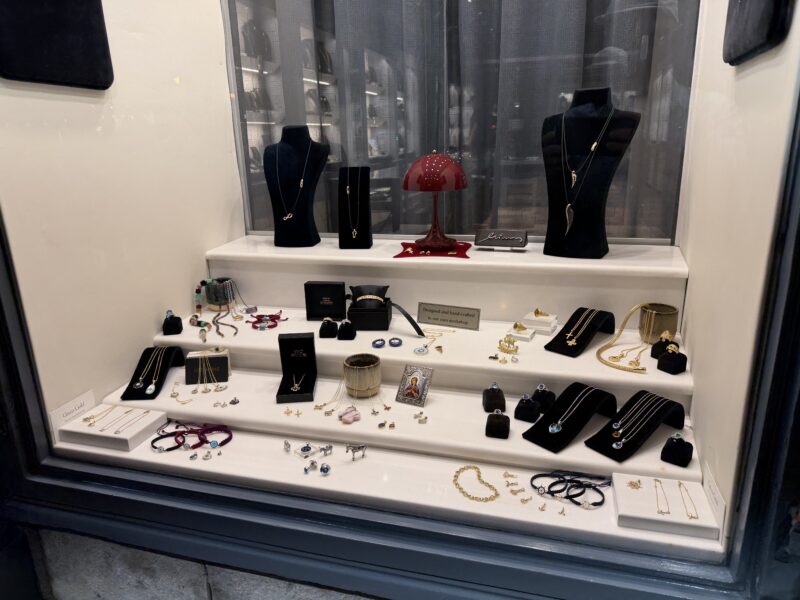
Economically, Hydra offers good value, with reasonable prices for food and drink. A large beer, for instance, purchased away from the prime tourist strips, can be found for around €5 (£4.25), a welcome respite from the often-inflated prices found in many popular ski resorts. While the island maintains its affordability, it also boasts a selection of upscale shops, some of which would not be out of place in the luxury boutiques of Zermatt, Val d’Isère, or Verbier, catering to a discerning clientele.
A Summer Sanctuary for Content Creation
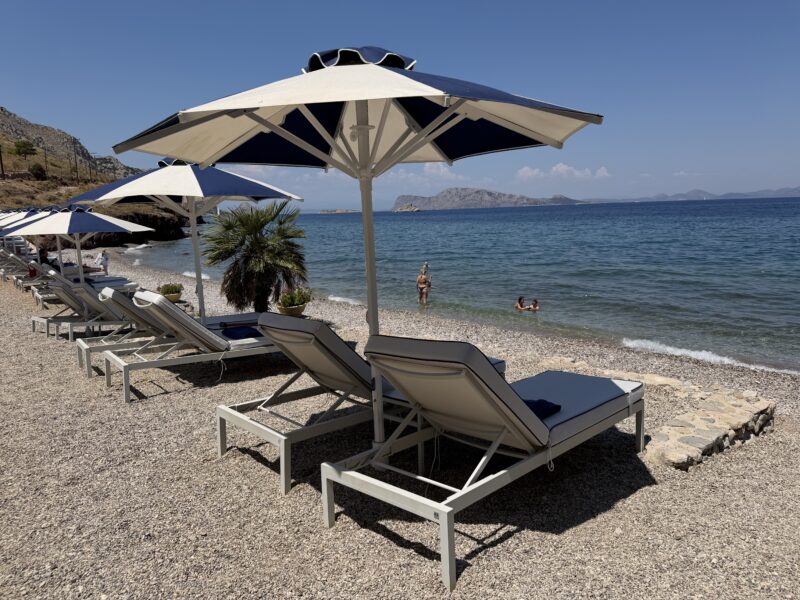
For PlanetSKI, Greece in the summer has become a familiar and productive destination. These idyllic settings provide the perfect backdrop for crafting content and articles for the upcoming winter ski season. Our previous summer sojourns have taken us to Kefalonia in 2024 and Tinos in 2025, and the summer of 2026 is no exception. The serene environment of Hydra allows for focused work, the warm climate a stark contrast to the frigid temperatures of the ski slopes we cover.
The Beaches of Hydra: A Different Kind of Allure
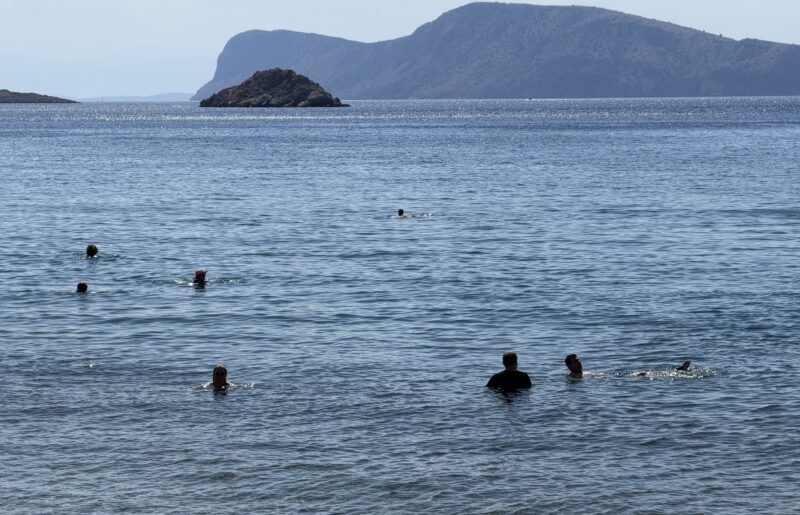
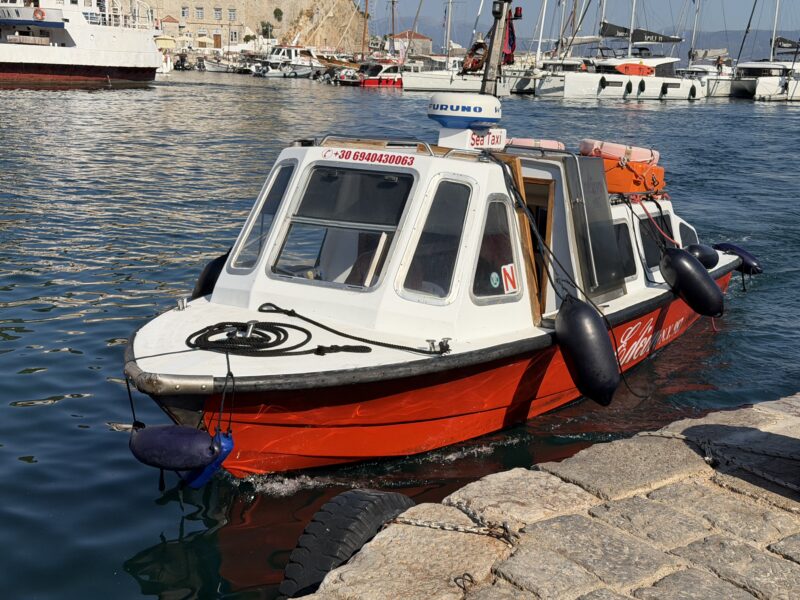
While Hydra may not boast the expansive sandy beaches of some other Greek islands, its coastal offerings possess a unique allure. The beaches here are predominantly pebbled, interspersed with rocky platforms that offer direct access to the crystal-clear waters of the Aegean. Reaching these secluded coves often involves a journey by sea taxi, an experience that adds to the island’s adventurous spirit.
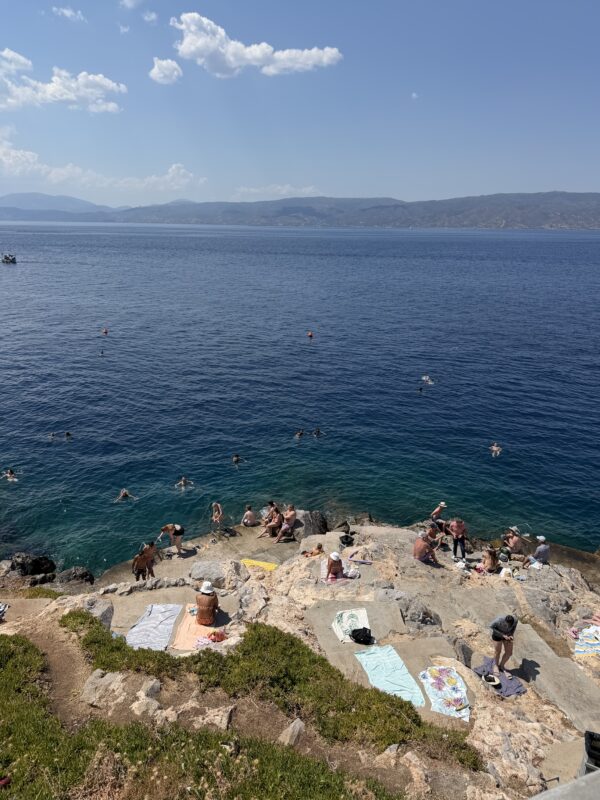
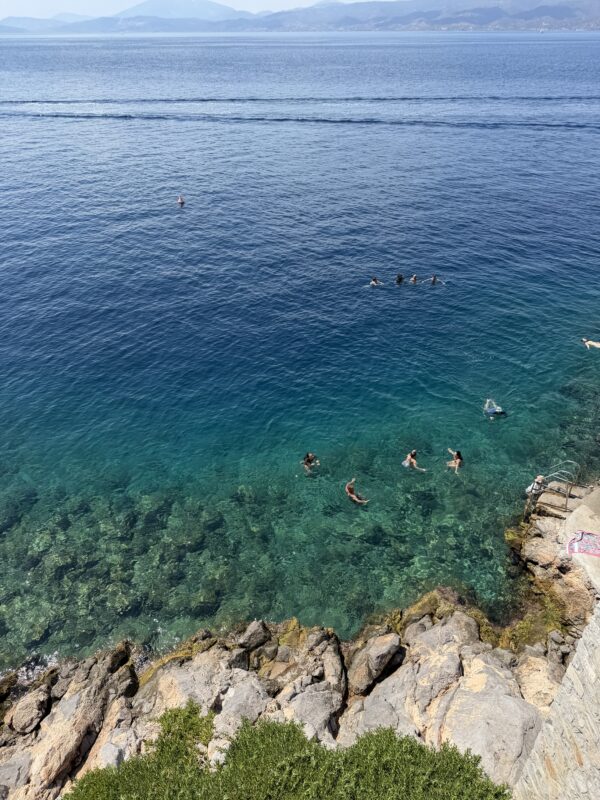
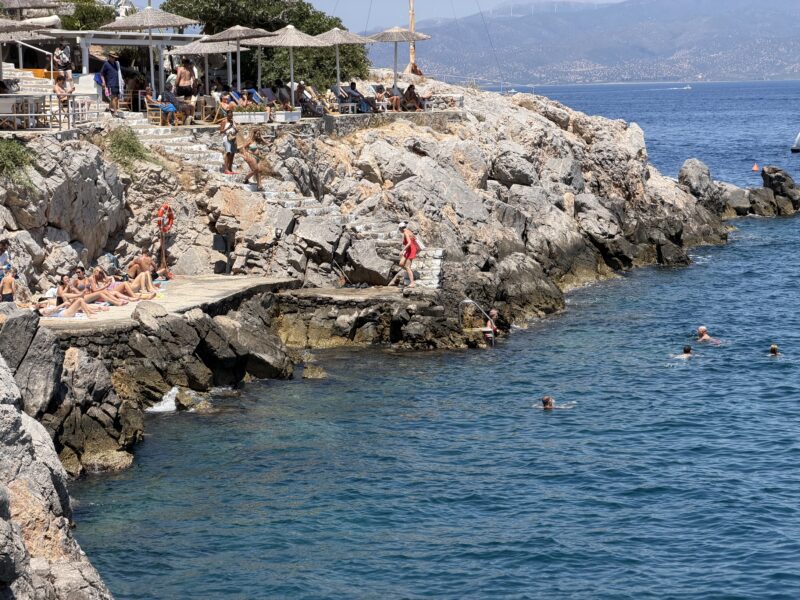
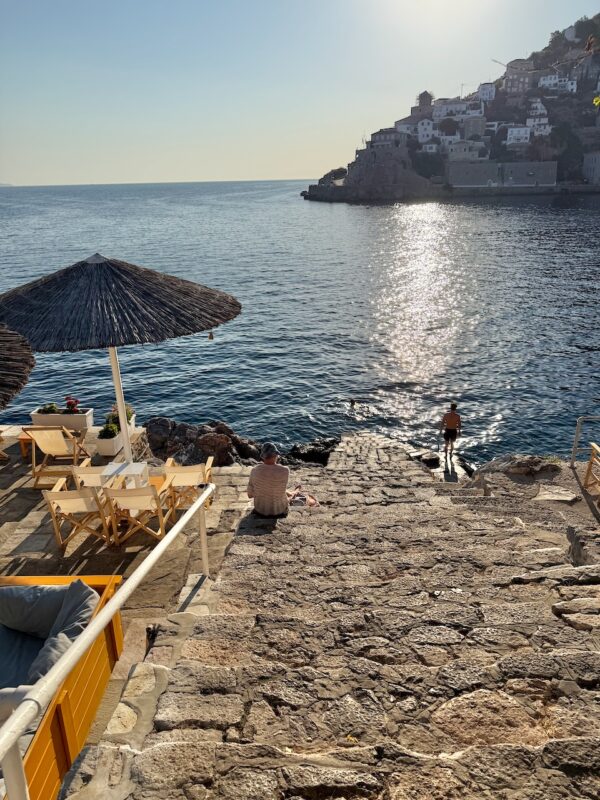
In Hydra Port itself, the rock face often serves as a natural "beach," providing stony platforms for sunbathing and swimming. The ritual of an early morning dip, descending the stone steps into the cool sea before the heat of the day takes hold, is a cherished routine. This invigorating start to the day, followed by hours spent writing and preparing content for the upcoming ski season, is a perfect balance of relaxation and productivity.
The Legacy of Art and History
Hydra’s ascent to a popular tourist destination began in earnest following the release of the 1957 film "Boy on a Dolphin," starring Sophia Loren. This cinematic exposure put the island on the international map, and in the ensuing decades, it became a haven for artists, writers, painters, poets, and musicians seeking inspiration. A vibrant bohemian community flourished, with notable figures like the musician Leonard Cohen making the island their home.
The island’s tourist office eloquently captures this enduring spirit: "Today, life may be far removed from the simplicity of that era, yet Hydra’s timeless character continues to preserve the spirit of that artistic legacy." The island artfully balances its historical roots with contemporary culture. The grand mansions of former naval heroes have been thoughtfully restored and transformed into museums or chic boutique hotels. Historic buildings now serve as exhibition spaces for internationally acclaimed artists, complementing the stylish boutiques, modern restaurants, and charming cafes that populate the town. A visit to the restored home of Admiral Miaoulis offers a tangible connection to the island’s prominent past, while the town’s main church stands as a testament to its enduring spiritual heritage.
A Global Perspective from the Aegean
Beyond its historical and artistic significance, Hydra also offers a unique vantage point for observing global events. During our stay, the island provided a relaxed setting to follow the World Cup, a global sporting spectacle that captures the attention of many. The juxtaposition of this modern event with the timeless charm of Hydra underscores the island’s ability to embrace the present while honoring its past.
Hydra has proven to be the ideal location for both unwinding after a demanding ski season and meticulously planning and creating content for the seasons ahead. The island’s unique blend of tranquility, history, and natural beauty provides an inspiring environment for reflection and preparation.
As our time on Hydra draws to a close, the next stop on our itinerary is Athens, offering a transition from island serenity to the vibrant energy of Greece’s capital city. The journey continues, with new experiences and stories to share, all while keeping the spirit of adventure and discovery alive, whether on snow-capped peaks or sun-drenched islands.

