
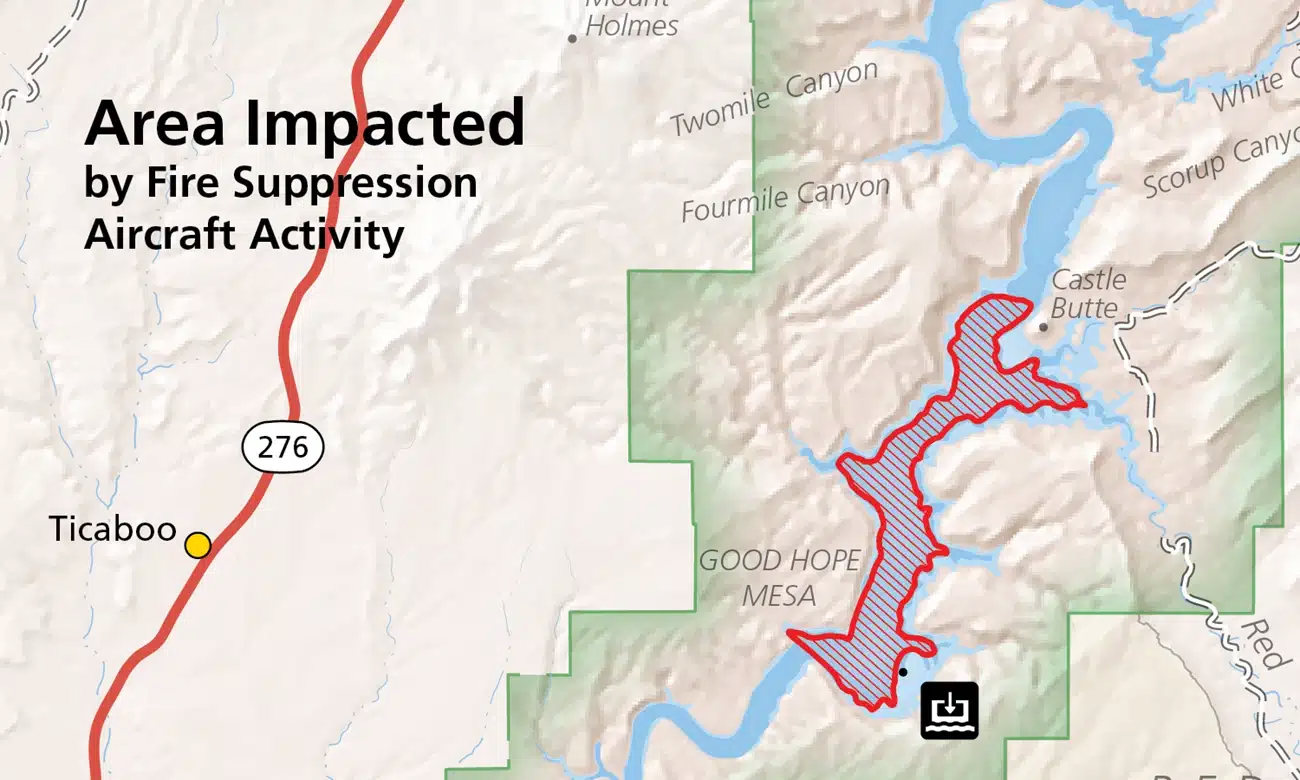
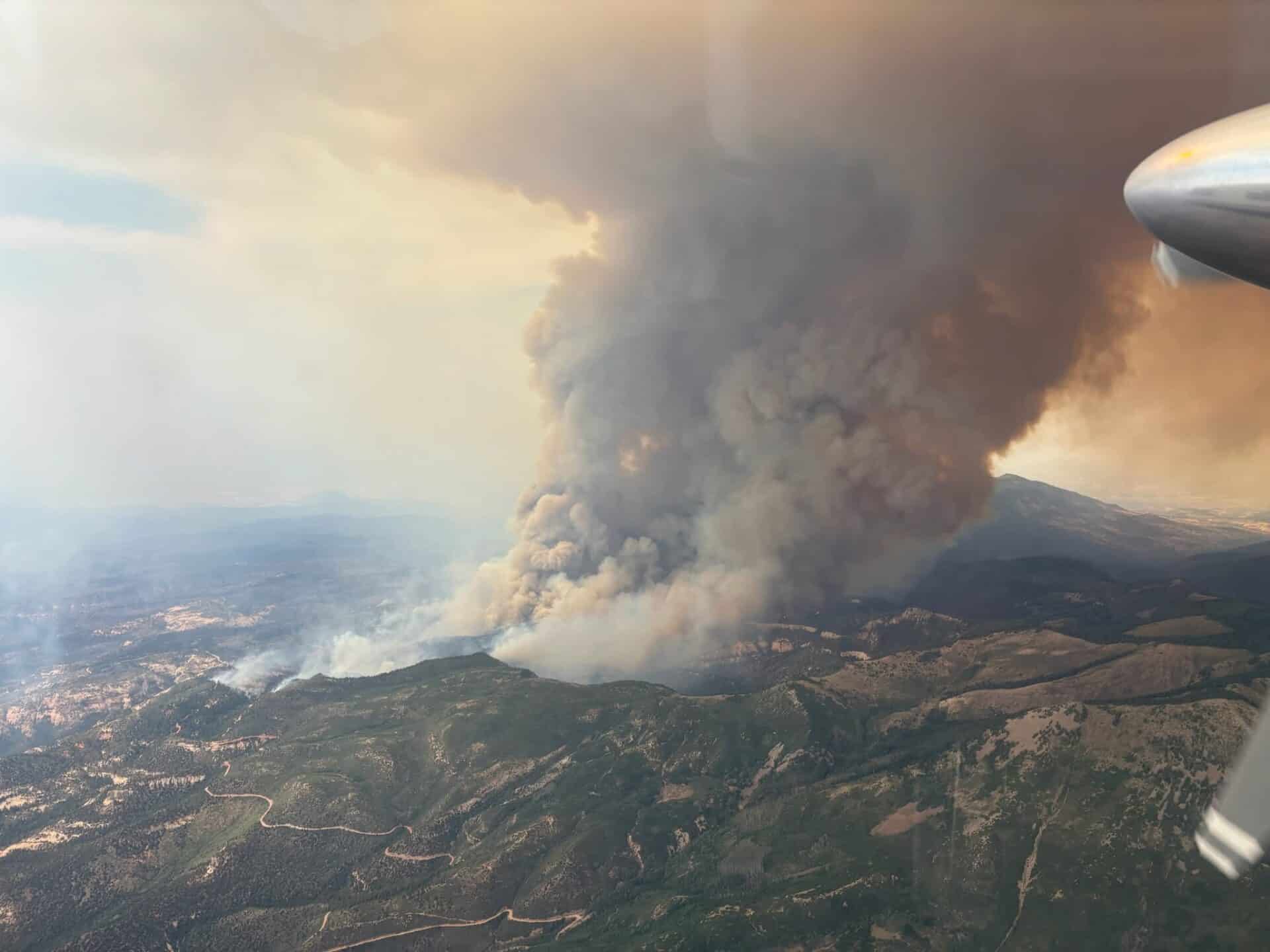
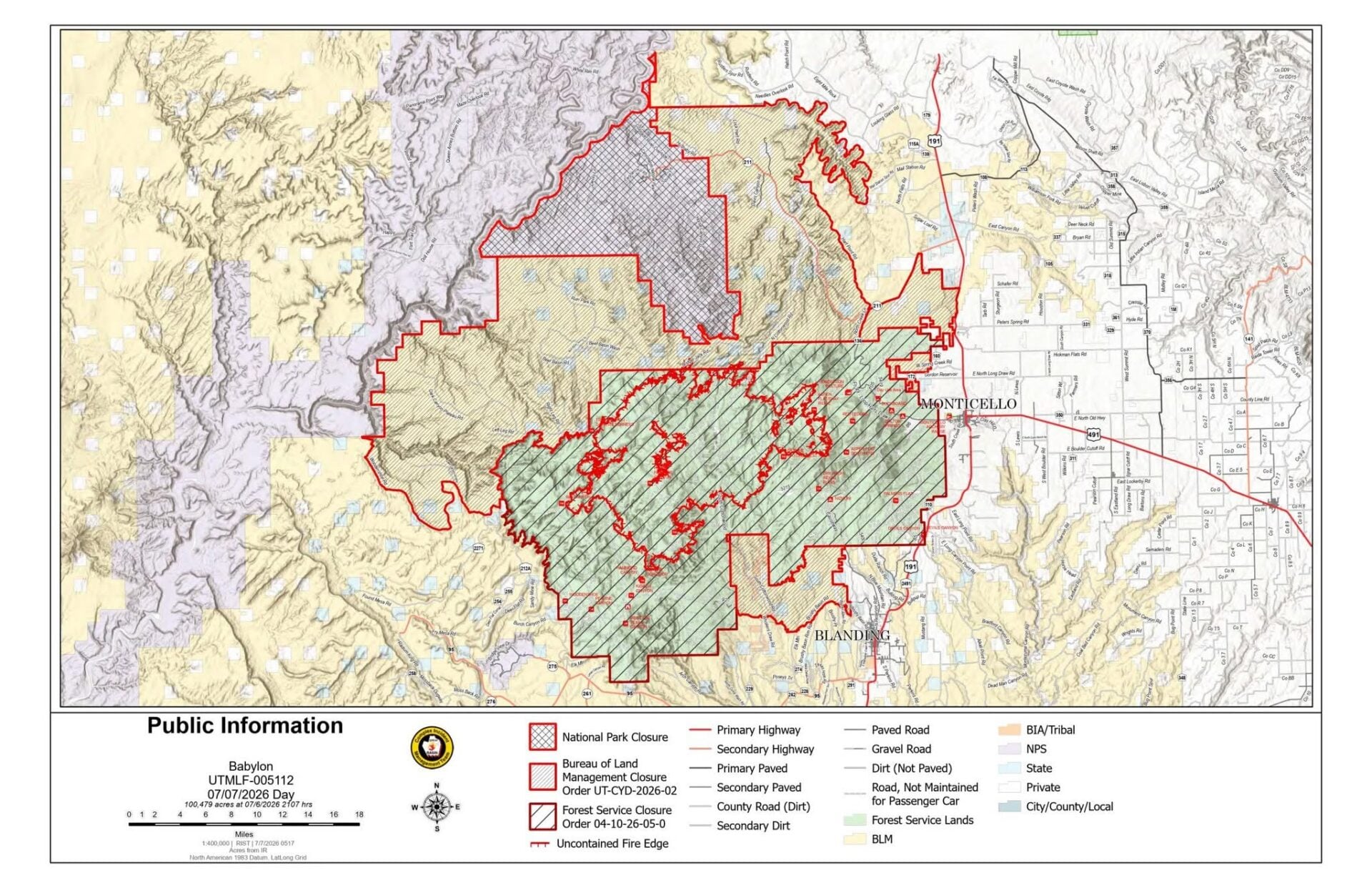
As the Babylon Fire intensifies its destructive path across southeastern Utah, authorities are issuing urgent advisories to boaters on Lake Powell. Firefighting aircraft, crucial for combating the rapidly expanding blaze, will be actively scooping water from the lake between Good Hope Bay and Castle Butte. This critical operation necessitates heightened awareness and caution from all recreational users in the vicinity. The Babylon Fire, which ignited on June 26, 2026, has rapidly escalated to become the nation’s largest active wildfire, currently consuming over 96,500 acres of federal land southwest of Monticello. This includes significant portions of Bears Ears National Monument and the Manti-La Sal National Forest, areas already facing ecological and cultural significance.
Escalating Blaze and Operational Necessities
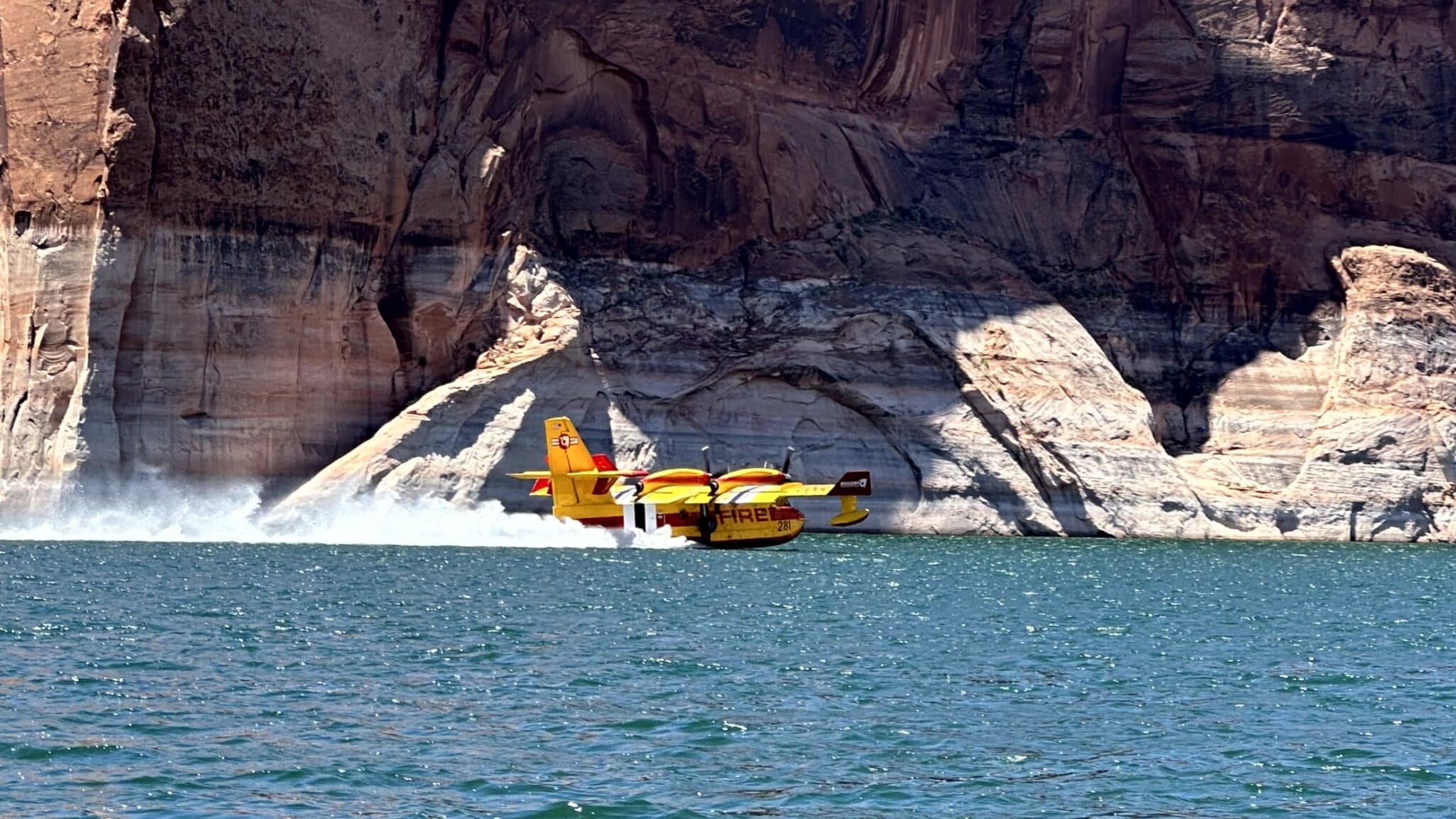
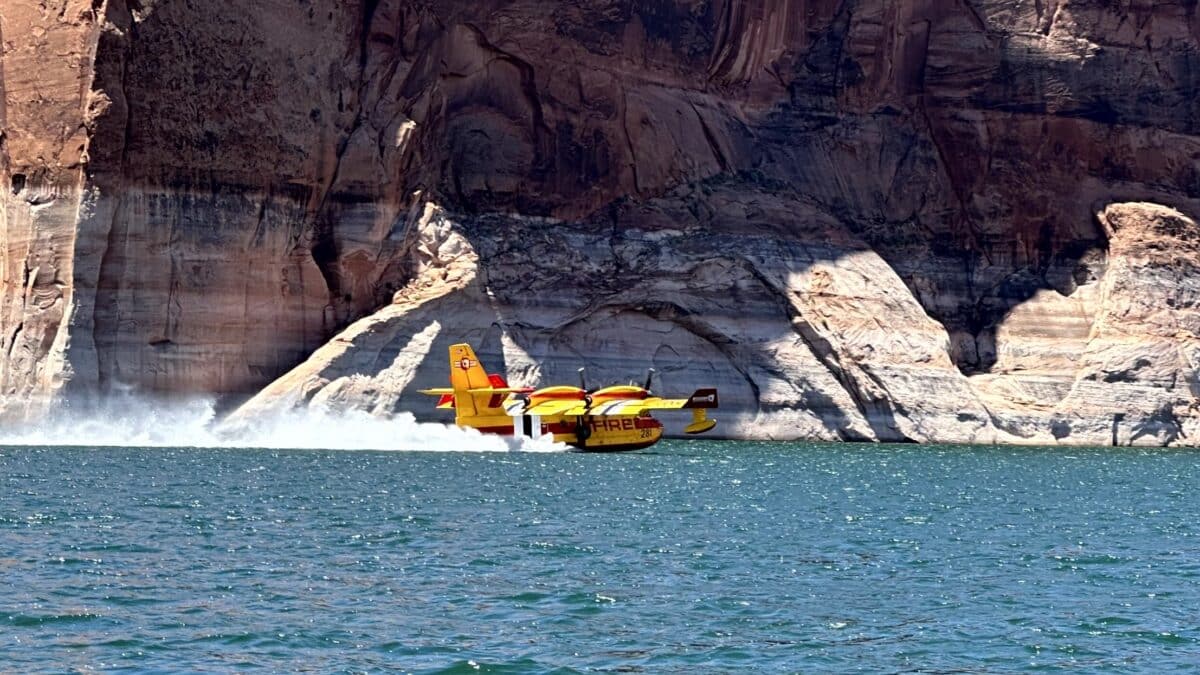
The wildfire’s aggressive growth is largely attributed to the prevailing environmental conditions. Critically high temperatures, consistently exceeding triple digits, combined with extremely dry vegetation, have created a volatile environment ripe for intense fire behavior. This has led to the fire remaining at a concerning 0% containment, despite the deployment of substantial resources. More than 1,200 personnel, bolstered by regional firefighting crews, are engaged in an uphill battle to establish control lines and implement crucial structure protections. The fire’s proximity to populated areas and vital infrastructure has prompted extensive public land closures. These include the entirety of the Monticello Ranger District, the Needles District of Canyonlands National Park, and considerable tracts of adjacent Bureau of Land Management (BLM) territory. The strategic use of water from Lake Powell by fixed-wing aircraft, such as the iconic "Super Scoopers," is a vital tactic in containing such large-scale incidents. These aircraft are designed to rapidly collect vast quantities of water from accessible bodies of water and deliver them directly onto the fire’s leading edges, thereby slowing its advance and creating opportunities for ground crews to establish containment lines.
Impact on Lake Powell Recreation
The operational requirements of the fire suppression efforts directly impact the recreational activities on Lake Powell. Boaters navigating the waters between Good Hope Bay and Castle Butte should anticipate frequent, low-altitude passes by firefighting aircraft. These planes will be making repeated dives to collect water, a maneuver that can generate significant downdrafts and turbulence. Mariners are strongly advised to remain vigilant, actively scanning the skies for approaching aircraft, and to reduce their vessel speeds when transiting through the designated water collection zones. The presence of these large, heavy aircraft operating in close proximity to recreational boating areas presents a potential hazard that requires the utmost attention from all individuals on the water.
The National Park Service, which manages Glen Canyon National Recreation Area encompassing Lake Powell, has issued specific guidance for those on the water. Boaters are urged to monitor marine radio channel 16 for any official updates or advisories related to fire suppression activities. This channel serves as a critical communication link for maritime safety and can provide real-time information on any changes in aircraft operations or potential hazards. Furthermore, the NPS website for Glen Canyon National Recreation Area offers a dedicated section for "Glen Canyon Alerts," which provides up-to-date information on current conditions, potential impacts to recreation, and any changes to access or safety protocols due to the ongoing wildfire situation. This resource is invaluable for anyone planning a visit or already enjoying the amenities of Lake Powell.
The Babylon Fire: A Growing Threat
The Babylon Fire’s origin date of June 26, 2026, places it within a period of heightened wildfire risk across the Western United States. The confluence of prolonged drought conditions, record-breaking heatwaves, and abundant dry fuel loads has created an unprecedented environment for large, fast-moving wildfires. The fire’s current size of over 96,500 acres signifies a significant ecological event, impacting diverse ecosystems within the region. Bears Ears National Monument, a landscape of immense cultural and historical importance to Native American tribes, is particularly vulnerable to the fire’s spread. The Manti-La Sal National Forest, a vital natural resource for the state of Utah, is also experiencing extensive damage.
The sheer scale of the Babylon Fire necessitates a coordinated response involving multiple agencies and jurisdictions. This includes the U.S. Forest Service, the Bureau of Land Management, the National Park Service, and various state and local fire departments. The logistical challenges of mobilizing and sustaining such a large firefighting force are considerable, requiring extensive planning for personnel, equipment, and aerial assets. The financial implications of combating a wildfire of this magnitude are also substantial, with costs often running into millions of dollars per day.
Historical Context and Contributing Factors
The current wildfire season in Utah and across the Western United States is not an isolated event. It represents a growing trend of increasingly severe and prolonged wildfire seasons, a phenomenon widely attributed to climate change. Decades of fire suppression policies have led to an accumulation of dense, dry vegetation, creating a tinderbox effect. When combined with rising average temperatures, prolonged droughts, and changing precipitation patterns, these factors create an environment where wildfires ignite more easily, spread more rapidly, and become more difficult to control.
The specific geography of the region, characterized by rugged canyons, dense forests, and arid plateaus, further complicates firefighting efforts. Lake Powell, a critical water source for the region and a popular recreational destination, plays a dual role: it is a potential target for the fire’s spread, and it is a vital resource for suppressing the flames. The delicate balance between managing the lake’s water levels, ensuring its availability for human consumption and power generation, and utilizing it for firefighting operations is a constant challenge for resource managers.
Broader Implications and Future Outlook
The ongoing Babylon Fire and the warning issued to Lake Powell boaters underscore the interconnectedness of natural resource management, public safety, and recreational access. The immediate concern is the containment of the fire and the protection of lives and property. However, the long-term implications are also significant. The ecological impact of such a large wildfire on the region’s flora and fauna, the potential for soil erosion and water quality degradation in downstream communities, and the economic consequences for tourism and recreation are all critical considerations.
As the wildfire season continues, it is imperative for the public to remain informed and to adhere to all safety guidelines and restrictions. The efforts of the brave men and women fighting the Babylon Fire are commendable, and their success hinges on the cooperation of all those who live in, work in, or visit the affected areas. The ongoing need to adapt to a changing climate and its impact on wildfire behavior will likely necessitate continuous reevaluation of firefighting strategies, land management practices, and public engagement efforts. The situation on Lake Powell serves as a stark reminder that even seemingly peaceful recreational pursuits can be profoundly impacted by the dynamic and often unpredictable forces of nature. The coordinated efforts to combat this blaze, from the ground crews to the pilots scooping water from the lake, highlight the critical importance of vigilance and preparedness in the face of escalating environmental challenges.

