
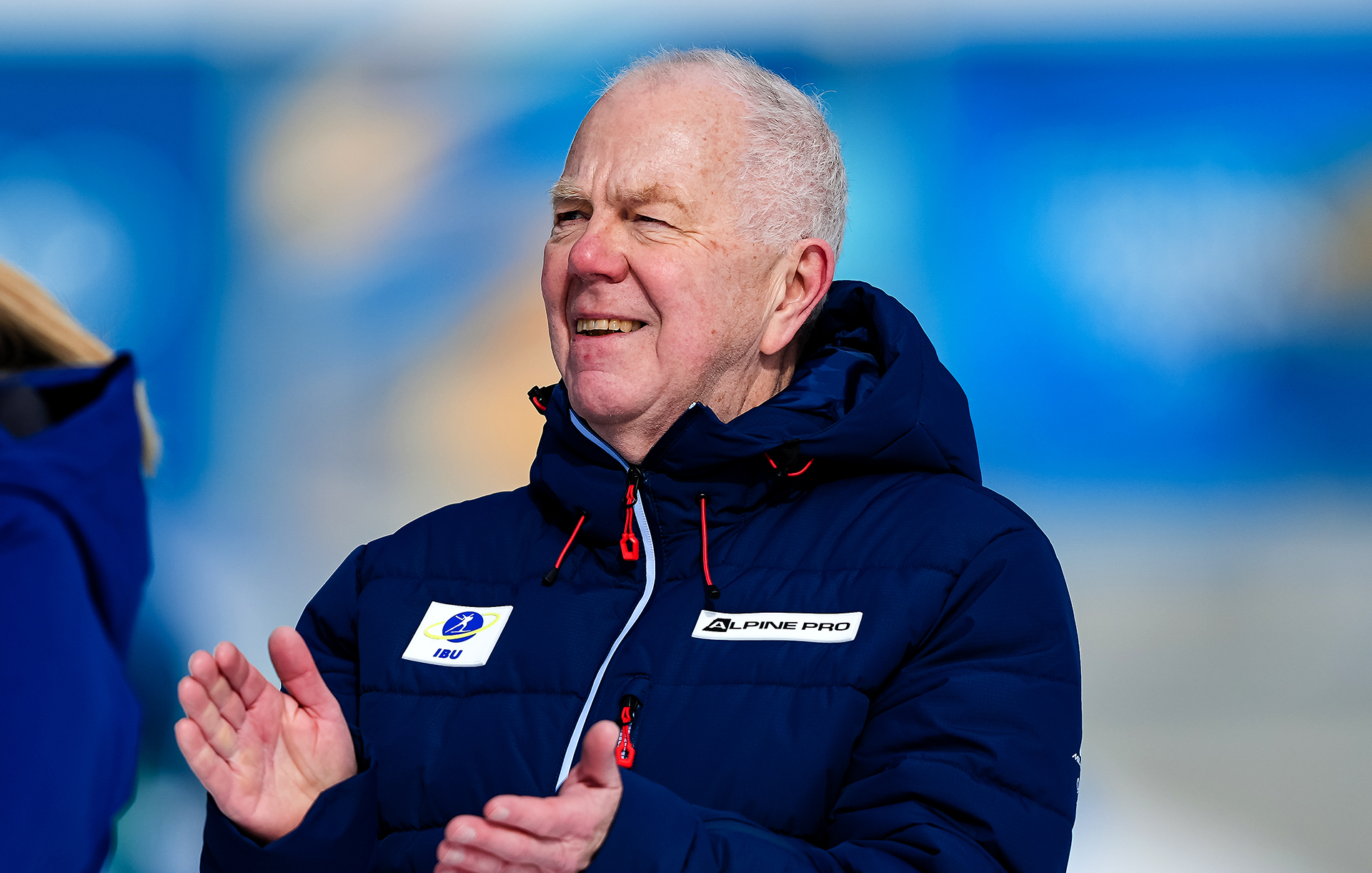
Ukrainian athletes have formally lodged a protest with the International Olympic Committee (IOC) concerning the recent decision to lift the suspension of Russian athletes. The International Biathlon Union (IBU), led by Swedish President Olle Dahlin, has maintained its stance, refusing to permit Russian competitors to participate in international events. This decision by the IBU directly counters the IOC’s resolution passed the previous day, which had reversed the suspension imposed on Russian athletes.
Background of the Suspension and IOC’s Revised Stance
Following Russia’s full-scale invasion of Ukraine in February 2022, both the IBU and the IOC initially took decisive action. The IBU, in alignment with numerous other international sports federations, suspended the National Biathlon Federations of Russia and Belarus, effectively barring their athletes from competing in international competitions. This measure was widely seen as a response to the geopolitical crisis and a demonstration of solidarity with Ukraine.
However, the landscape of international sports governance has been in constant flux since the invasion. The IOC, while initially supporting the exclusion of Russian and Belarusian athletes, has gradually shifted its recommendations. In recent months, the IOC has moved towards allowing individual neutral athletes from these nations to compete, albeit under strict conditions, emphasizing their neutrality and absence of any national affiliation or support for the conflict. This evolving policy has created significant division within the international sports community, with some federations opting to follow the IOC’s revised guidelines and others choosing to maintain stricter sanctions.
IBU’s Unwavering Position
In a statement to Reuters, the IBU acknowledged the IOC’s decision regarding its recommendations to international federations concerning the participation of Russian athletes. However, the statement explicitly underlined that the IBU’s position remains unchanged. The governing body for biathlon confirmed that its decision from 2022, which prohibits Russian and Belarusian athletes from competing, continues to be in effect. This firm stance by the IBU highlights a divergence from the IOC’s more lenient approach and reflects a continued commitment to the sanctions initially imposed.
The IBU’s decision to uphold the ban on Russian biathletes is a significant development, as it places the sport at odds with the IOC’s broader policy shift. This decision is not isolated; the International Athletics Federation (World Athletics) has also maintained its suspension of Russian athletes, demonstrating that not all international sports federations are ready to reintegrate athletes from the sanctioned nations.
A Divided Sporting World
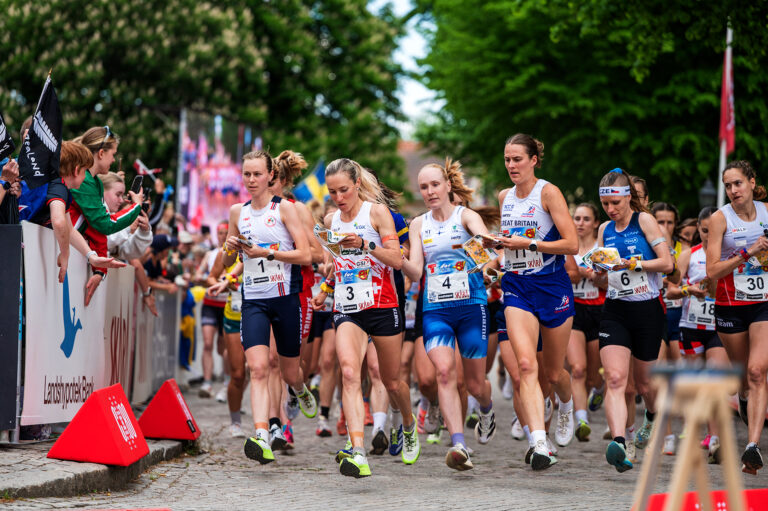
The IBU’s resolute position stands in contrast to the actions of several other international federations. The International Gymnastics Federation (FIG) has already lifted restrictions for athletes from both Russia and Belarus. More recently, the International Shooting Sport Federation (ISSF) announced that Russian and Belarusian athletes will be permitted to participate again as neutrals, commencing with the 2026-2027 season. These varying approaches underscore the complex and often contentious nature of sports diplomacy in the current geopolitical climate.
The Ukrainian athletes’ protest is a direct manifestation of this division. Their collective letter to the IOC signals deep dissatisfaction with the IOC’s decision to ease restrictions, which they likely perceive as a disregard for the ongoing conflict and its impact on Ukrainian sports and society. The athletes’ appeal to the IOC suggests they are seeking to influence the overarching Olympic body to reconsider its recommendations or to exert pressure on federations like the IBU that are adhering to stricter measures.

Chronology of Key Events
- February 2022: Russia launches a full-scale invasion of Ukraine.
- March 2022: The International Biathlon Union (IBU) suspends Russian and Belarusian athletes from international competitions in response to the invasion.
- Late 2023 – Early 2024: The International Olympic Committee (IOC) begins to recommend the gradual reintegration of individual neutral athletes from Russia and Belarus into international competitions, under stringent conditions.
- Recent Days: The IOC formally lifts the suspension of Russian athletes, recommending that international federations reconsider their own bans.
- Immediately Following IOC Decision: The IBU publicly states its decision to maintain the suspension of Russian and Belarusian biathletes.
- Present: Ukrainian athletes submit a formal protest letter to the IOC regarding the IBU’s continued ban and the IOC’s decision to lift its own suspension.
Supporting Data and Precedents
The IBU’s decision to maintain the ban is not unprecedented in sports governance. While many federations have followed the IOC’s lead in allowing neutral participation, others have prioritized stricter sanctions. For example, the exclusion of Russian athletes from the 2022 Winter Paralympics was a unanimous decision by the International Paralympic Committee (IPC), demonstrating a firm stance against the invasion. The ongoing debate reflects differing interpretations of how sports federations should balance the principles of universality and non-discrimination with the need to respond to human rights violations and international law.
The financial and competitive implications of these bans are also significant. Russian and Belarusian athletes have been absent from major international championships for over two years, impacting their rankings, qualification opportunities, and the overall competitive landscape of their respective sports. The IBU’s decision means that biathletes from these nations will continue to miss out on crucial World Cup races, World Championships, and potentially future Olympic Games, unless the IBU’s stance changes or the IOC revises its guidance more forcefully.
Analysis of Implications
The Ukrainian athletes’ protest and the IBU’s continued ban have several significant implications:
- Continued Division within the Sports World: The differing approaches of international federations create a fractured global sports environment. This can lead to confusion for athletes, organizers, and fans, and can undermine the perceived unity of the international sports movement.
- Pressure on the IOC: The Ukrainian protest puts further pressure on the IOC to reconcile its recommendations with the actions of individual federations. It also raises questions about the IOC’s influence over its member federations and its ability to enforce a consistent policy.
- Impact on Athletes: For Russian and Belarusian athletes who wish to compete, the IBU’s decision prolongs their exclusion and uncertainty. For Ukrainian athletes and their supporters, it signifies a continued commitment to holding Russia accountable for its actions.
- Geopolitical Ramifications: The debate over Russian and Belarusian participation in sports is intrinsically linked to broader geopolitical tensions. Decisions made by sports organizations can have symbolic weight and can influence public perception and diplomatic relations.
- Future of Biathlon: The IBU’s steadfastness may set a precedent for other federations that are hesitant to fully reintegrate Russian and Belarusian athletes. It also raises questions about the long-term sustainability of international competitions if significant sporting nations remain excluded.
The situation underscores the delicate balance that international sports bodies must strike between promoting sport for all and responding to global crises. The continued exclusion of Russian biathletes, as mandated by the IBU, reflects a strong moral and political stance, while the IOC’s evolving policy highlights a strategic effort to keep the door open for athletes, even amidst ongoing international conflict. The Ukrainian protest serves as a powerful reminder of the human cost of the conflict and the demand for continued accountability within the global sporting arena.

