
A solo hiker, separated from his group during an excursion to the iconic Wave and Wire Pass area on the Utah-Arizona border, was successfully rescued after spending several hours stranded in a remote slot canyon. The dramatic rescue operation, which stretched into the evening and night, involved multiple agencies and highlighted the inherent risks associated with exploring the rugged and isolated desert landscapes of the region. The incident underscores the critical importance of preparedness and vigilance when venturing into such challenging environments, even for experienced hikers.
Background of the Incident
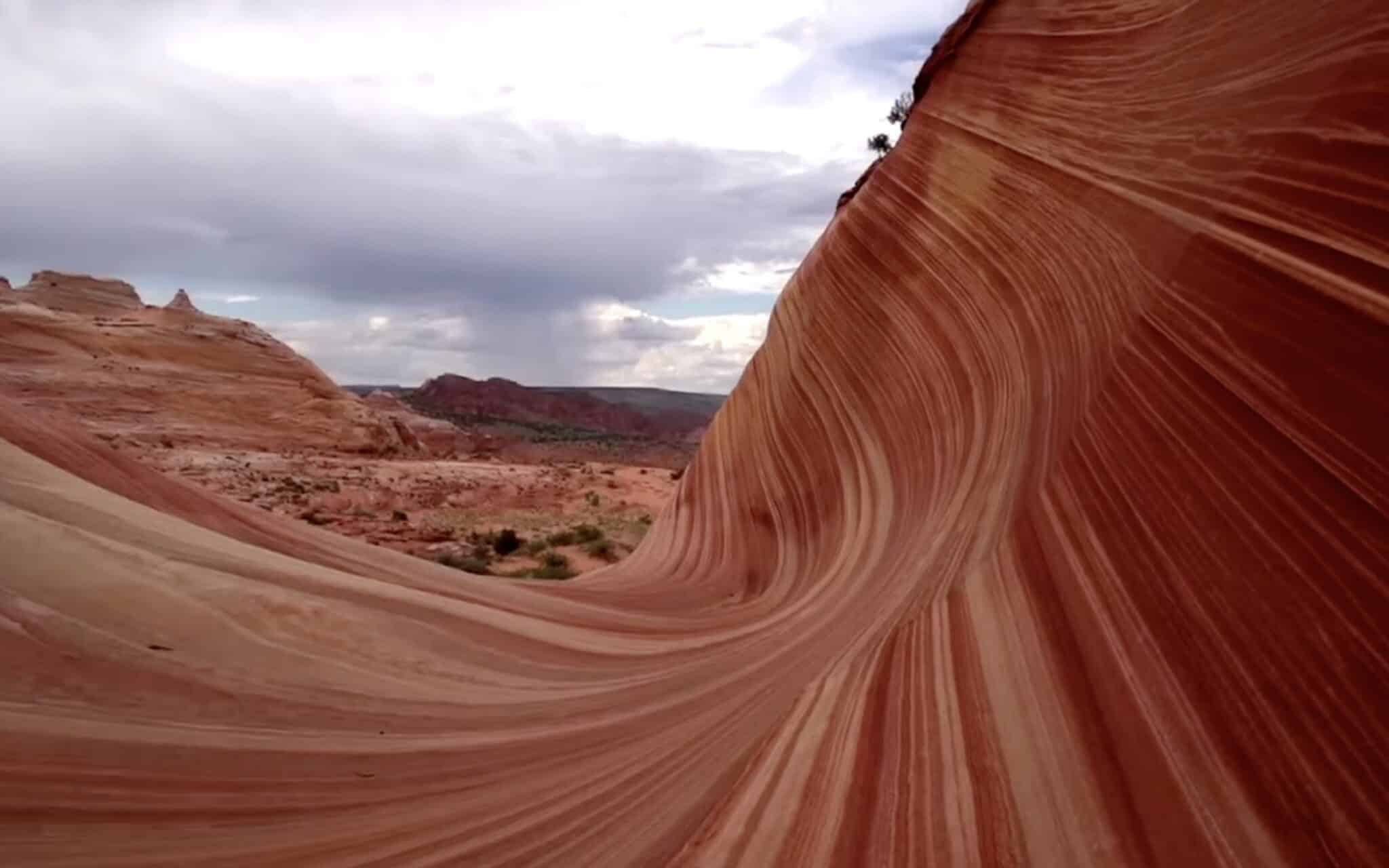
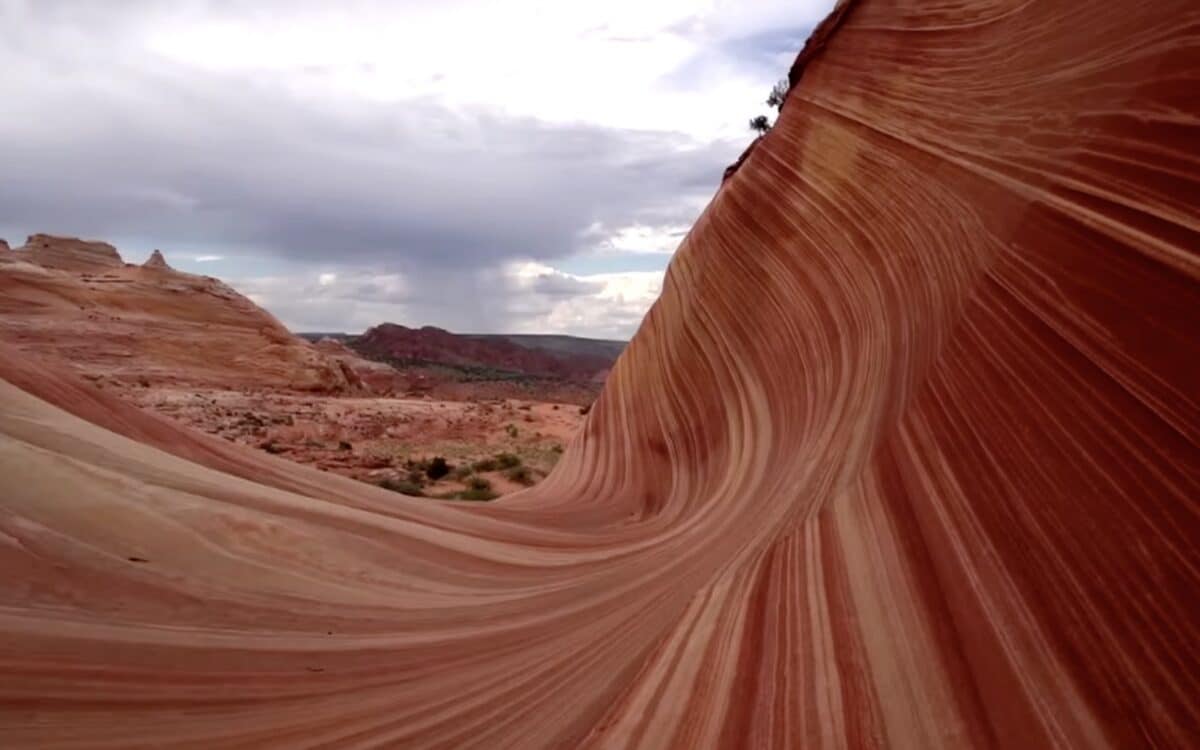
The event unfolded on Monday, July 6th, when a distress call was received by the Kane County Sheriff’s Office dispatch around 3:00 PM. The report indicated an overdue hiker who had become separated from his companions earlier in the day. The group had been exploring the renowned geological formations in the Paria Canyon-Vermilion Cliffs Wilderness, an area famous for its striking sandstone swirls and wave-like patterns.
The Wave, a highly sought-after natural wonder, is located in a region characterized by its extreme remoteness. Access is strictly controlled through a lottery permit system, with only a limited number of visitors allowed daily to preserve the delicate ecosystem and manage visitor impact. The hike to The Wave and the adjacent Wire Pass involves traversing several miles of rugged desert terrain, often with minimal shade, scarce water sources, and notoriously poor or non-existent cell service. This lack of connectivity significantly complicates communication and emergency response in the event of an incident.
Chronology of the Rescue Operation
The initial call to dispatch came from the hiker’s concerned group members. They reported that one individual had become separated from them during their visit to The Wave. The group, initially believing the hiker might have voluntarily returned to the Wire Pass Trailhead, waited for some time. However, when he failed to appear, they decided to contact the authorities.
Upon receiving the report, deputies from the Kane County Sheriff’s Office and rangers from the Bureau of Land Management (BLM) immediately responded to the Wire Pass Trailhead. Their initial assessment indicated the need for a comprehensive search and rescue (SAR) operation. The challenging nature of the terrain, coupled with the potential for heat exhaustion and dehydration, necessitated swift action.
Intermountain Life Flight was initially requested to provide aerial support for the search. However, due to logistical considerations or the availability of more specialized resources, a Utah Department of Public Safety Aero Bureau helicopter was subsequently tasked with the aerial reconnaissance. Simultaneously, ground search teams, comprised of trained SAR personnel, began meticulously scouring the area on foot. The search effort intensified as daylight began to fade, with the aerial unit continuing to scan the vast expanse of canyons and washes from above.
Discovery and Extraction
The ground teams played a crucial role in locating the missing hiker. By meticulously following the individual’s tracks, they were able to narrow down his potential location. Their efforts eventually led them to the edge of Wire Pass, a prominent slot canyon known for its narrow passages and towering sandstone walls.
From their vantage point in the helicopter, the crew of the Utah Department of Public Safety Aero Bureau spotted the stranded hiker. He was observed lying on the slickrock, situated approximately halfway between the confluence of Wire Pass and Buckskin Gulch. Buckskin Gulch is recognized as one of the longest and most intricate slot canyon systems in the world, presenting a formidable and disorienting labyrinth for any lost individual.
When rescuers reached the hiker, they found him in a precarious condition, drifting in and out of consciousness. The critical state of the individual prompted an immediate extraction. He was carefully loaded into the helicopter and airlifted to the Wire Pass Trailhead, where a waiting ambulance had been positioned. Emergency medical personnel from the Big Water Fire Department provided initial care at the scene. The hiker was subsequently transported to a local hospital for further treatment of severe dehydration and other injuries sustained during his ordeal.
Supporting Data and Environmental Factors
The Paria Canyon-Vermilion Cliffs Wilderness, where this incident occurred, is a vast area encompassing over 1.1 million acres. It is characterized by dramatic desert landscapes, including towering mesas, deep canyons, and intricate sandstone formations. Temperatures in this region during the summer months can routinely exceed 100 degrees Fahrenheit (38 degrees Celsius), making heatstroke and dehydration significant threats.
The remoteness of The Wave and Wire Pass means that even short distances can be challenging to cover. The trails are often unmarked or poorly defined, and the terrain can be deceptive, with washes and dry creek beds leading to impassable cliffs or dead ends. The absence of reliable cell service further isolates hikers, meaning that any emergency requires immediate self-sufficiency or the ability to travel a considerable distance to find a signal.
The permit system for The Wave, while essential for conservation, also means that hikers are typically venturing into the area with a specific plan and often in small groups. The separation of a member from such a group, particularly in this unforgiving environment, can quickly escalate into a life-threatening situation. The success of the rescue operation was a testament to the rapid response and coordinated efforts of the involved agencies.
Official Responses and Safety Implications
The Kane County Sheriff’s Office, through its Search and Rescue unit, plays a vital role in responding to incidents in this remote and rugged region. Their operations often involve extensive planning, specialized equipment, and highly trained personnel. The successful rescue highlights the dedication and expertise of these teams.
The Bureau of Land Management (BLM) manages much of the land in this area and is responsible for overseeing access and visitor safety. While the permit system is designed to mitigate risks, the inherent dangers of the wilderness remain. BLM rangers often work in conjunction with SAR teams, providing crucial knowledge of the local terrain and conditions.
This incident serves as a potent reminder of the critical importance of thorough preparation for any outdoor excursion, especially in remote desert environments. Hikers are strongly advised to:
- Obtain necessary permits: Ensure all permits are secured for popular destinations like The Wave.
- Inform others of your plans: Leave a detailed itinerary with a trusted friend or family member, including expected return times and routes.
- Carry adequate supplies: This includes sufficient water (at least one gallon per person per day), high-energy food, sun protection (hat, sunscreen, sunglasses), and appropriate clothing.
- Be aware of weather conditions: Monitor forecasts and be prepared for extreme heat.
- Carry navigation tools: A map, compass, and GPS device can be invaluable, even on seemingly straightforward trails.
- Understand communication limitations: Be prepared for the absence of cell service and consider carrying a satellite communication device for emergencies.
- Hike with a buddy: Traveling in pairs or groups significantly increases safety.
- Know your limits: Do not overestimate your physical capabilities or underestimate the challenges of the terrain.
Broader Impact and Analysis
The rescue of the hiker near The Wave underscores a recurring theme in outdoor recreation: the allure of stunning natural beauty often comes with significant inherent risks. The popularity of destinations like The Wave, while beneficial for tourism and local economies, also increases the potential for incidents. The successful outcome of this rescue is a positive reflection of the capabilities of emergency responders. However, it also highlights the continuous need for public education regarding safety protocols in wilderness areas.
The reliance on specialized aerial support from the Utah Department of Public Safety Aero Bureau demonstrates the critical role of advanced technology and resources in modern search and rescue operations. The ability to survey large areas quickly and efficiently from the air is often a deciding factor in locating stranded individuals in vast and complex landscapes.
Furthermore, the incident may prompt a review of existing safety advisories and communication strategies for visitors to the Paria Canyon-Vermilion Cliffs Wilderness. While the permit system aims to control visitor numbers, ensuring that all permit holders are fully briefed on potential hazards and emergency procedures remains a paramount concern for land management agencies. The experience of this hiker, though harrowing, ultimately serves as a valuable case study in the importance of preparedness and the effectiveness of inter-agency cooperation in protecting lives in the challenging environments of the American Southwest.

