
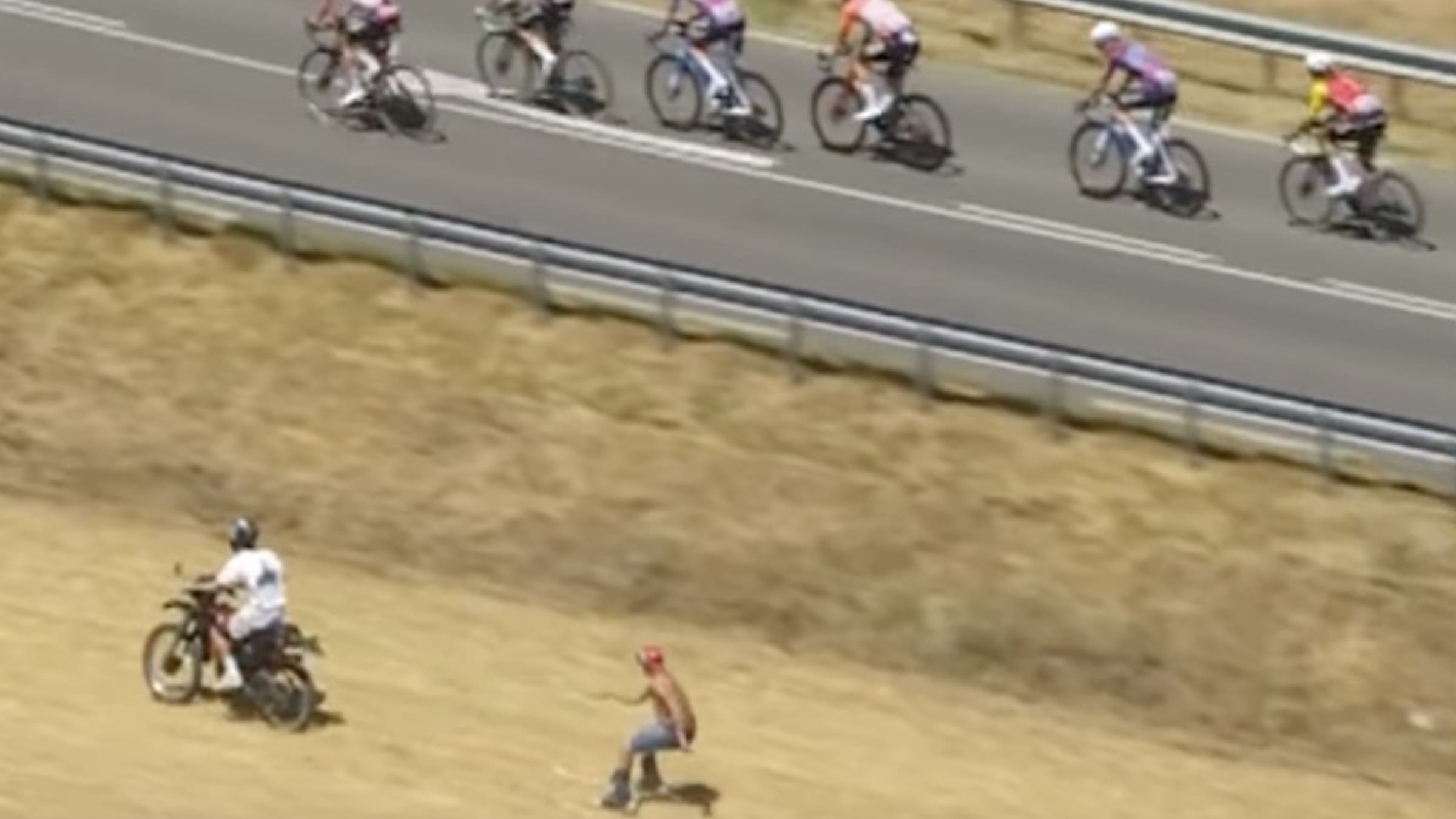
The 2026 Tour de France officially commenced today with a team time trial in Barcelona, marking the beginning of another exhilarating multi-week cycling spectacle. While the peloton embarks on its arduous journey, a memorable moment from the 2025 edition of the race resurfaces, showcasing the unique and often unexpected ways fans engage with this iconic sporting event. During a stage of last year’s tour, a solitary skier, expertly maneuvering on snow skis, was observed being towed by a motorcycle, keeping pace alongside the world’s elite cyclists. This unconventional display of fan participation, captured and shared widely, highlights the blend of athletic prowess and fervent enthusiasm that defines the Tour de France.
The Unfolding Spectacle: A Skier on the Race Route
The image of a skier drafting behind a motorcycle alongside the Tour de France peloton presents a striking juxtaposition of winter sport and summer cycling. The event, occurring during the 2025 Tour, transformed a section of the race route into an impromptu winter playground for a daring individual. The skier, equipped with what appeared to be standard snow skis and poles, maintained a remarkable proximity to the professional cyclists, creating a visual spectacle that captivated onlookers and quickly gained traction across social media platforms. The precise location and stage of this incident remain a point of interest, but its impact on the narrative of fan engagement with the Tour is undeniable.
This particular incident is not an isolated case of extraordinary spectator behavior. The Tour de France, with its extensive route traversing diverse landscapes and passing through numerous towns and villages, has a long-standing reputation for attracting a vibrant and sometimes audacious fan base. Historically, spectators have gone to great lengths to create memorable interactions with the race. These range from the more commonplace, such as holding up banners and cheering vociferously, to the more extreme. The 2025 Tour itself witnessed a mountain biker executing a daring jump over the passing peloton, an act that, while impressive, carried inherent risks. Furthermore, instances of spectators inadvertently causing crashes, leading to significant disruptions, injuries, and even legal ramifications for those involved, underscore the delicate balance between enthusiastic support and maintaining the safety and integrity of the race.
The skier’s performance, however, appears to have navigated this balance with remarkable success. Unlike actions that directly interfere with the riders or pose a safety hazard, this individual’s participation was largely perceived as an entertaining, albeit unconventional, addition to the race day atmosphere. The question often implicitly asked by such enthusiastic supporters is, "How can I be seen and become a part of the broader narrative of the event?" For this skier, combining a passion for winter sports with an appreciation for the grueling demands of professional cycling provided a unique and seemingly harmless avenue for achieving that visibility. The act, in its essence, represents a harmless yet highly creative form of fan engagement, contributing to the festive and unpredictable nature of the Tour de France experience.
Contextualizing Fan Interaction with the Tour de France
The Tour de France, established in 1903, is not merely a sporting competition; it is a cultural phenomenon that unfolds across France, captivating millions of spectators each year. The race’s extended duration, typically spanning three weeks and covering over 3,500 kilometers, provides ample opportunities for diverse forms of fan interaction. The route often passes through remote mountain passes, picturesque countryside, and bustling urban centers, each offering a unique backdrop for spectator engagement.
The history of the Tour is punctuated by numerous instances of extraordinary fan behavior, reflecting a deep emotional connection to the event. These range from the familial support offered by villagers lining the streets to cheer on their local heroes, to the more outlandish stunts designed to capture media attention. For example, in previous editions, spectators have been known to run alongside the peloton, offer impromptu refreshments, or even participate in elaborate themed celebrations. The mountain biker jump in 2025, while more extreme, is part of a continuum of spectators seeking to make a memorable impact.
However, the line between enthusiastic support and dangerous interference is a critical one. The consequences of crossing this line can be severe. In 2021, a spectator holding a large sign caused a massive pile-up in the peloton, resulting in numerous injuries and the withdrawal of several key riders. The individual responsible faced legal repercussions, highlighting the Tour’s commitment to ensuring rider safety. These incidents serve as a stark reminder of the responsibilities that come with spectating at such a high-profile event.
The skier’s action, in contrast, appears to have been meticulously executed to minimize any disruption. The use of a motorcycle for towing suggests a degree of planning and control, allowing the skier to maintain a consistent speed and position without impeding the cyclists. This approach underscores a desire to be part of the spectacle rather than a hindrance to it. The act can be interpreted as a testament to the creative spirit of the Tour de France’s audience, who continuously find novel ways to express their admiration for the athletes and the event itself.
Data and Analysis: The Economics and Reach of the Tour
The Tour de France is a significant economic driver for the regions it traverses. Each year, the race generates substantial revenue through tourism, hospitality, and local commerce. For instance, a study by the French Institute of Tourism and Leisure Studies (ITL) indicated that the Tour de France can generate between €30 million and €60 million in economic benefits for host communities per stage. This economic impact is amplified by the global media reach of the event.
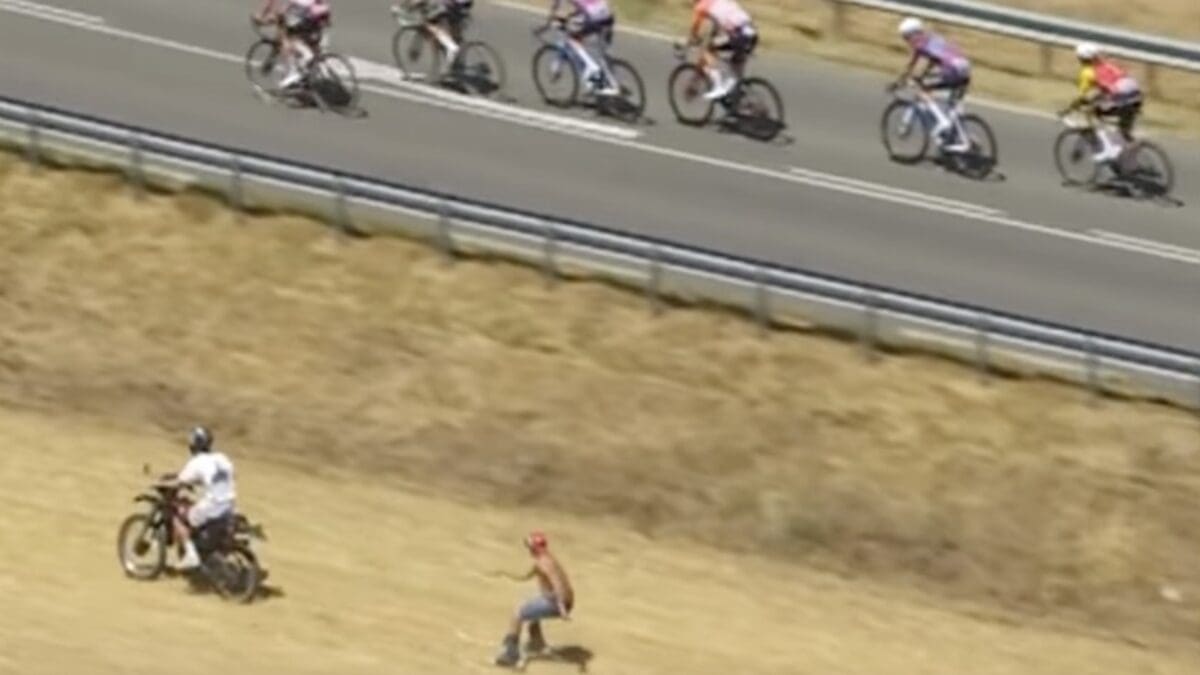
The Tour de France is broadcast in over 190 countries, reaching an estimated global audience of over 100 million television viewers daily. This extensive viewership provides unparalleled exposure for the host regions, attracting future tourism and investment. Social media further amplifies this reach, with millions of posts and shares generating billions of impressions during the race. The skier incident, by going viral, contributed to this extensive digital footprint, bringing further attention to the 2025 Tour and its vibrant fan culture.
The popularity of the Tour de France can also be measured by the sheer number of spectators who line the route. While precise figures vary by stage and location, it is estimated that several million people line the roads over the course of the entire race. This massive turnout demonstrates the deep-seated cultural significance of cycling in France and the enduring appeal of the Tour as a national and international sporting event. The skier’s presence, while unusual, was absorbed into this vast sea of spectators, becoming another memorable vignette in the rich tapestry of the Tour’s history.
Inferred Reactions and Broader Implications
While official statements from the Tour de France organizers regarding specific spectator incidents are rare unless they involve safety concerns or rule violations, it is reasonable to infer that such displays of creative fan engagement are generally met with a degree of amusement and appreciation, provided they do not compromise the race. Race director Christian Prudhomme has often spoken about the importance of the public’s role in the Tour, emphasizing that the spectators are as much a part of the event as the riders themselves. This sentiment suggests a tacit acknowledgment of the positive impact of enthusiastic, albeit unconventional, fan participation.
The skier’s act, in particular, could be seen as a celebration of athletic diversity. By bringing a winter sport element into a premier summer cycling event, the individual highlighted the universal appeal of physical exertion and the pursuit of excellence. It also subtly underscores the adaptability and resourcefulness of athletes and enthusiasts alike. The fact that the skier was able to maintain pace with professional cyclists, even with the aid of a motorcycle, speaks to a remarkable level of skill and conditioning, albeit in a different discipline.
The broader implication of such incidents is the continued evolution of fan culture in major sporting events. As social media platforms become more pervasive, spectators are increasingly motivated to create shareable moments that garner attention. This trend presents both opportunities and challenges for event organizers. While it can enhance the event’s visibility and engagement, it also necessitates a careful balance between encouraging creativity and maintaining order and safety. The skier’s seemingly harmless and entertaining participation serves as a positive example of how fans can contribute to the spectacle of the Tour de France in innovative and memorable ways, enriching the overall experience for everyone involved. The 2025 Tour de France will undoubtedly be remembered for many reasons, and this unique skier’s presence will remain a highlight of its captivating narrative.

