
As the traditional Alpine ski season winds down, most of the renowned ski resorts across the European Alps have concluded their winter operations. However, a select few high-altitude destinations are extending their seasons, offering late-spring skiing opportunities on their glaciers. This transition marks a significant shift in the alpine tourism landscape, with a growing focus on year-round mountain experiences and the ongoing impact of climate change on snow reliability.
Resorts Signalling the End of the Winter Campaign
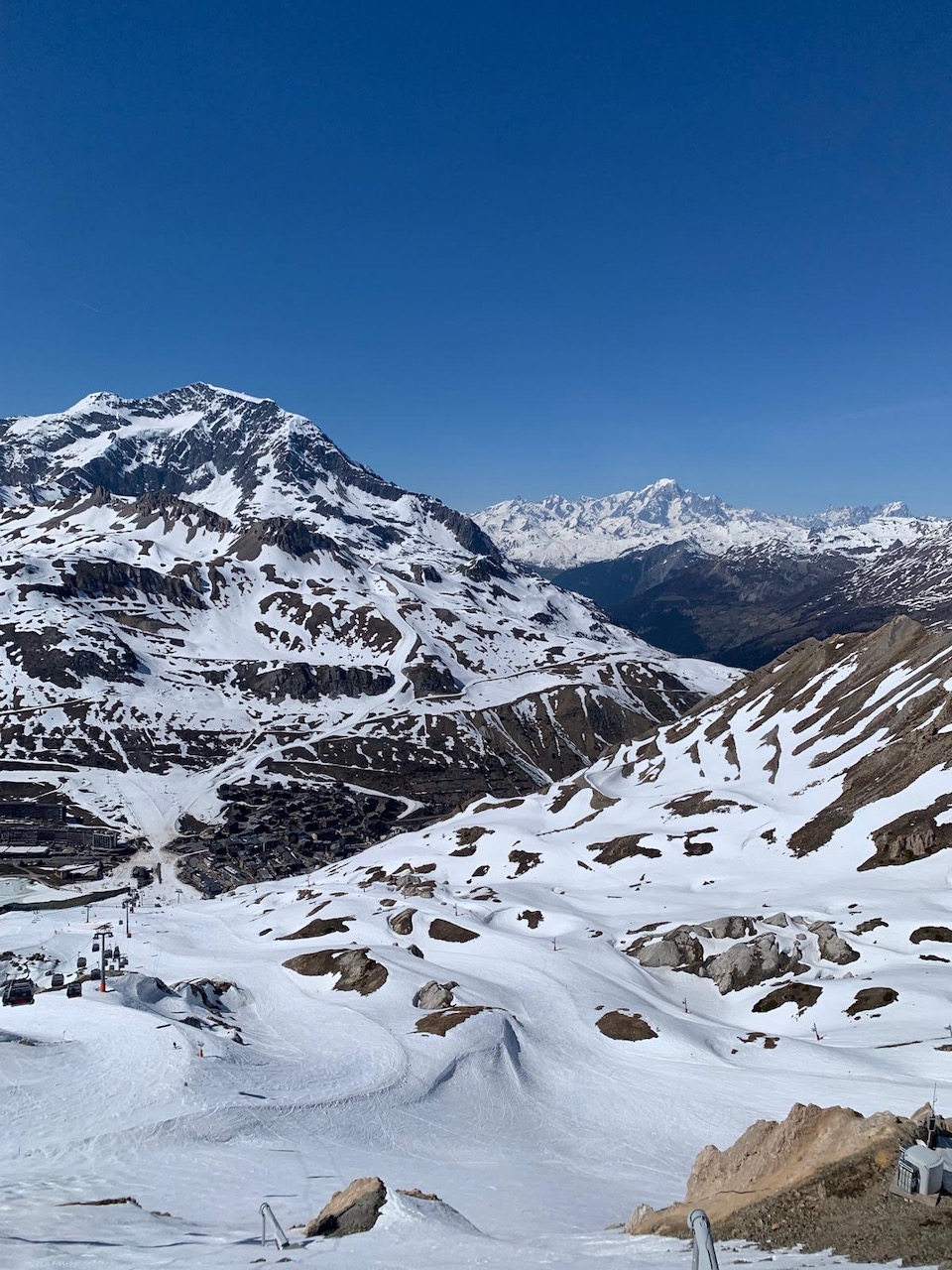
The past weekend saw the closure of several prominent ski areas, including Val Thorens, Tignes, Val d’Isère, Ischgl, Engelberg, Argentière (Chamonix), and Pitztal. These resorts, which typically draw large crowds throughout the winter months, are now transitioning their infrastructure and services to cater to a different clientele. The closure of these popular destinations signifies the waning of the primary ski season, a period that has seen significant fluctuations in snowfall and temperature patterns in recent years.

Les2Alpes: A Tale of Two Seasons
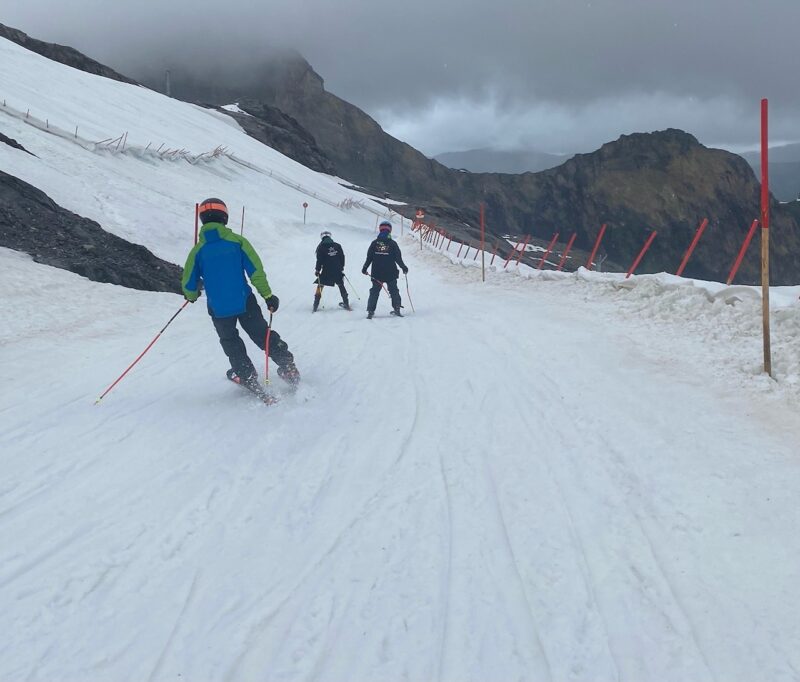
Les2 Alpes, a resort known for its extensive glacier skiing, has embraced a unique operational model. After concluding its traditional "winter season" on Sunday, the resort promptly reopened on Monday for its "spring season." This strategic move allows skiers and snowboarders to continue enjoying the slopes for a limited period, capitalizing on the remaining snowpack at higher elevations. The resort has announced plans to remain open until July 5th, offering a final chance for winter sports enthusiasts to experience its offerings.
Late-Season Snowfall Offers a Glimmer of Hope
Despite the general closure of most resorts, recent weather patterns have brought a welcome reprieve for some. Heavy snowfall has been reported at higher altitudes in parts of the Alps over the last few days, with significant accumulations noted on glaciers. Fraser Wilkin from weathertoski.co.uk reported on Wednesday that Les2 Alpes received 50cm of fresh snow on its glacier in the preceding 24 hours, with further snow anticipated. This late-season snowfall has also been observed in other western Alpine regions, with the snowline occasionally dipping below 2000 meters.
However, the forecast for the remainder of the week indicates unsettled weather conditions with intermittent showers. As temperatures begin to rise again, any new snowfall is expected to be increasingly confined to the highest glacial areas, limiting the extent of skiable terrain.
Hintertux: A Shift in Year-Round Operations
Hintertux in Austria, a long-standing destination for year-round skiing, has announced a significant operational change for 2026. The resort will be ending its continuous year-round skiing operations and plans to close in July. This decision marks a departure from its previous model, which has positioned it as offering "Austria’s longest season." The resort’s statement on its website suggests a focus on "enjoying the glacier summer to the fullest off the slopes" after the July closure. It remains unclear whether this is a permanent cessation of year-round skiing or a temporary adjustment. PlanetSKI previously reported on summer skiing in Hintertux in 2023, highlighting the resort’s consistent offering during the off-season. The resort has, in recent years, experienced intermittent closures during the summer months, suggesting a growing challenge in maintaining consistent skiable conditions.
The Retreat of Year-Round Skiing: A Climate Change Indicator
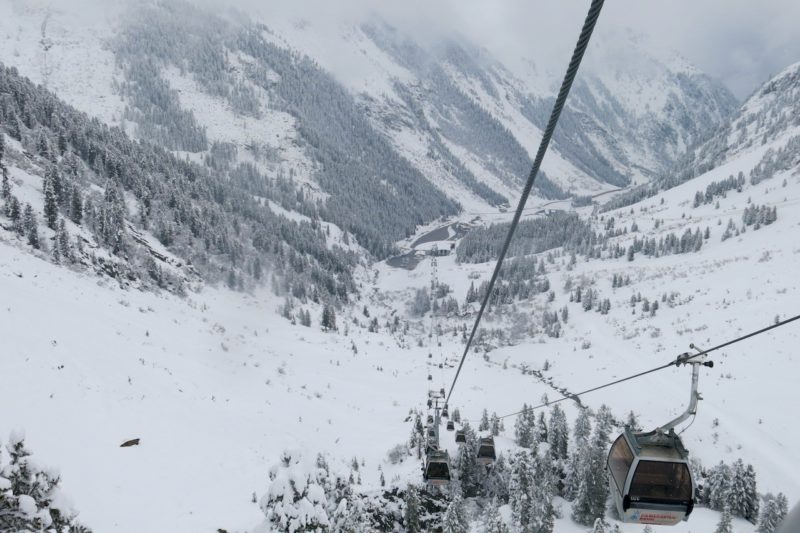
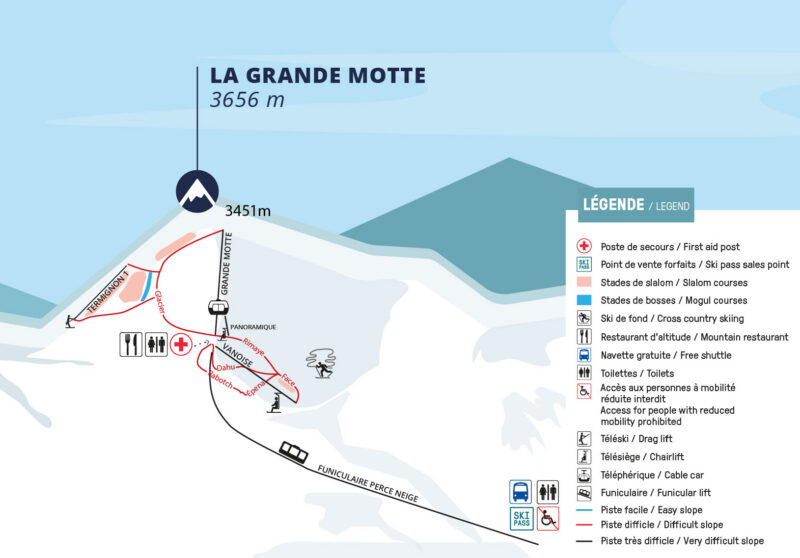
The decision by Hintertux to curtail year-round operations, along with the historical precedent of Tignes ceasing its continuous skiing several years ago due to climate change impacts on the Grande Motte glacier, underscores a broader trend. Tignes, once a year-round skiing destination, had to adapt its model as warming temperatures and changing snow patterns made consistent operation unsustainable. While Tignes is scheduled to offer limited summer skiing on the Grande Motte glacier from June 20th to July 19th, this availability is contingent on favorable conditions, highlighting the inherent variability.
Zermatt: The Last Bastion of Year-Round Skiing
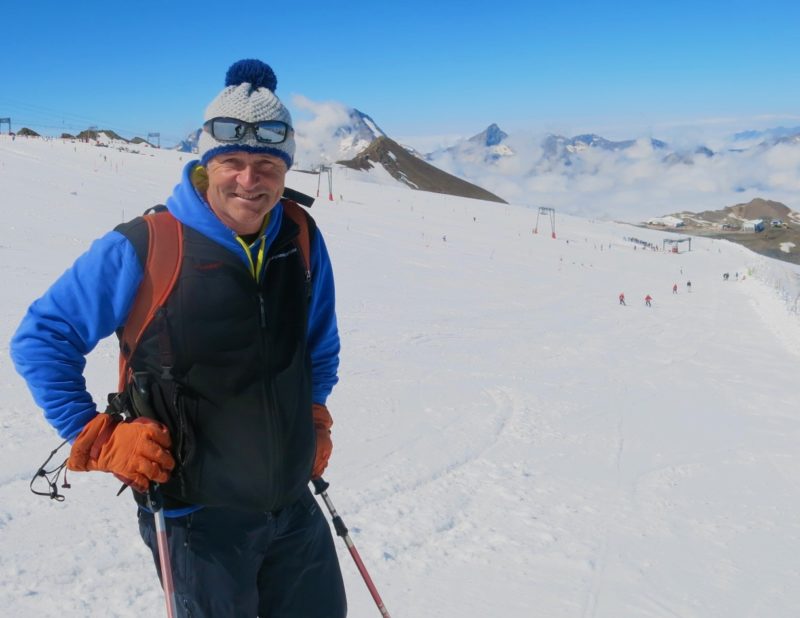
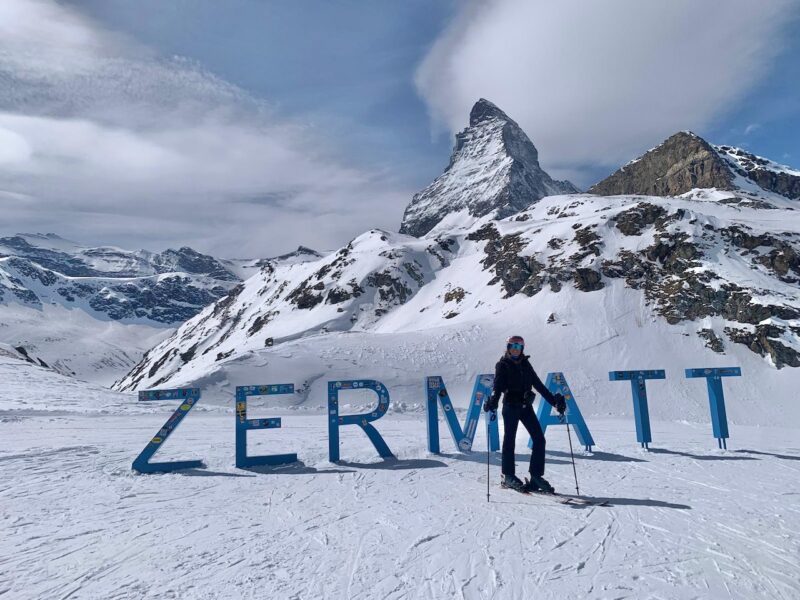
Currently, Zermatt in Switzerland stands as the sole Alpine ski area aiming for year-round operation, dependent on prevailing weather conditions. The iconic Matterhorn backdrop provides a stunning setting for skiers venturing out during the summer months. This continued operation is a testament to Zermatt’s high elevation and the robust glacier infrastructure, though even here, conditions can fluctuate.
Glacier Skiing: A Summer Lifeline
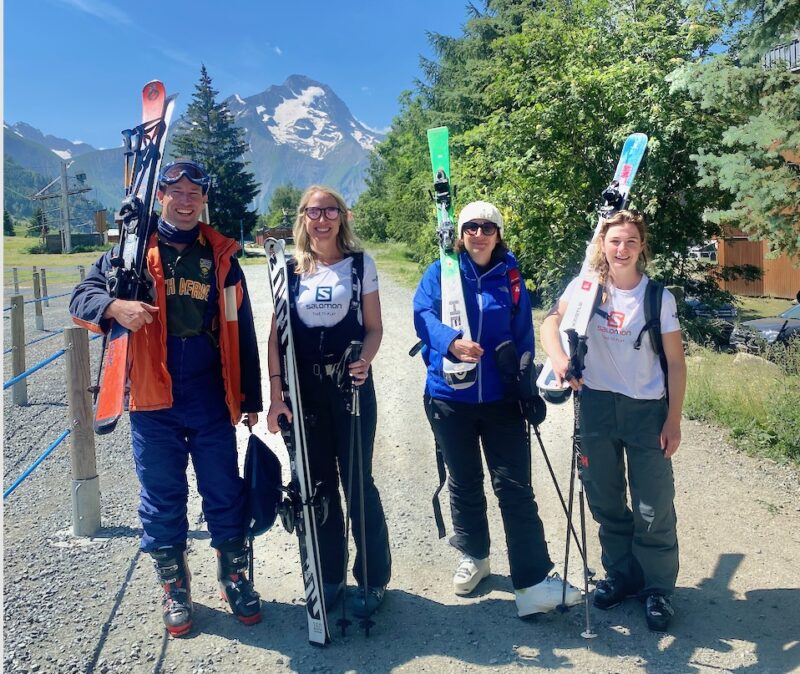
Beyond Zermatt, several other Austrian glacier resorts remain open, offering continued skiing opportunities. Stubai, near Innsbruck, has historically provided fresh powder snow even in the latter half of May, as documented by PlanetSKI on previous occasions. Jasna in Slovakia also continues to offer some slopes for late-season skiing.
In Scotland, Cairngorm concluded its winter season on Monday, May 4th. Ski journalist Patrick Thorne shared his experience of skiing Cairngorm the previous week, noting the enjoyment of having the slopes to himself despite less-than-ideal snow conditions. He expressed surprise at the resort’s ability to remain open into May, attributing the challenging conditions partly to late operating times for the funicular, which allowed temperatures to rise significantly by mid-morning.
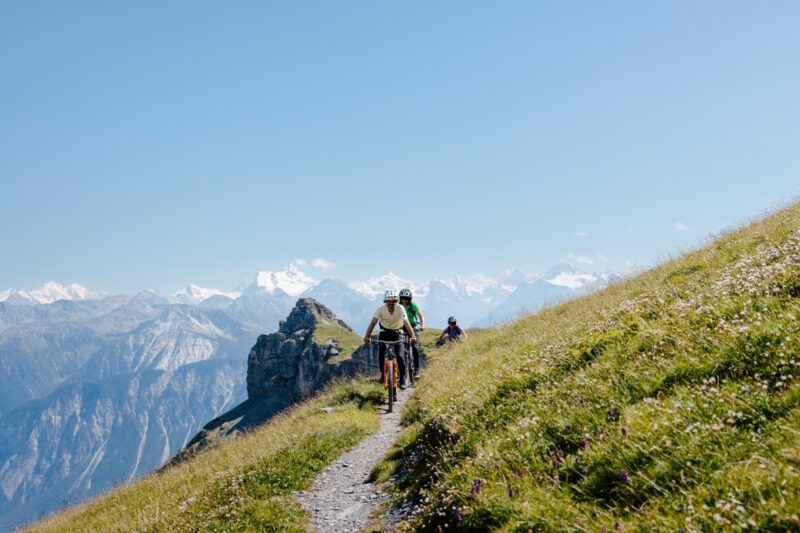
Other glacier areas that typically open during the summer months for specific periods include Stelvio in Italy and Saas-Fee in Switzerland. Saas-Fee primarily caters to professional race teams and is aiming for an operational window from July 18th to October 31st. Les2Alpes, as mentioned, will continue its spring season until July 5th, offering a significant stretch of skiing into the summer.
A Global Perspective: Southern Hemisphere and South American Seasons
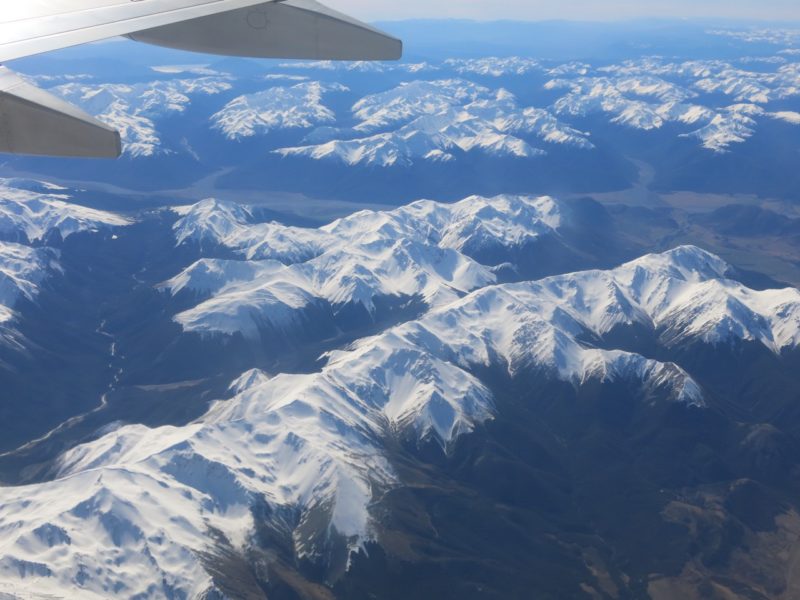
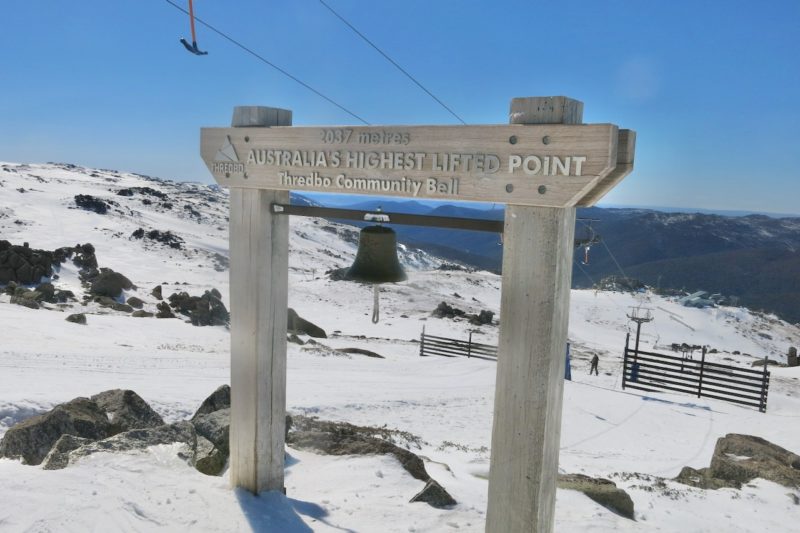
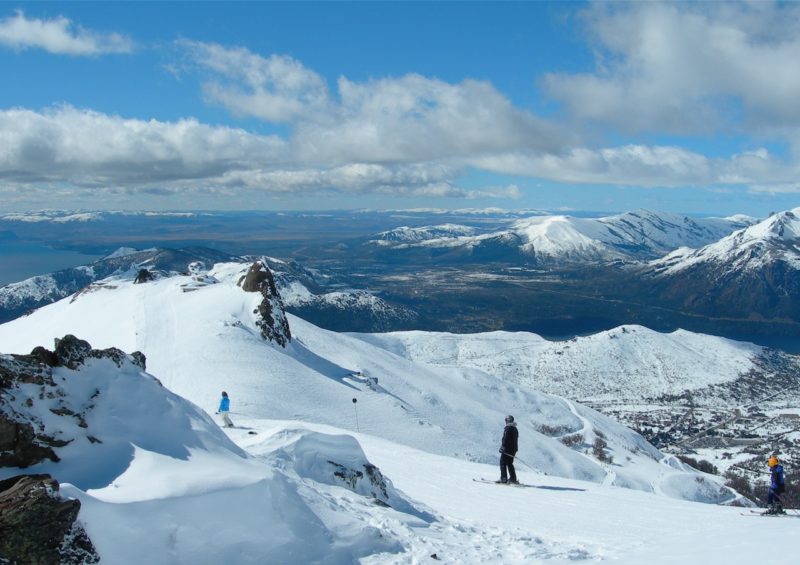
As the Northern Hemisphere’s ski season concludes, attention shifts to the Southern Hemisphere. Resorts in New Zealand and Australia are preparing to open their lifts in the coming month, marking the beginning of their winter season. Similarly, ski resorts in South America are gearing up for their operational period. Destinations like Cerro Catedral in Argentina and various resorts in Chile are anticipated to commence their ski seasons, offering a continuation of snow sports for enthusiasts on opposite sides of the globe. PlanetSKI plans to cover these developments, providing reports from readers and correspondents on both continents as snow begins to fall.
The Evolving Landscape of Snowsports
The current state of the Alpine ski season reflects the profound impact of climate change on traditional winter sports. The gradual reduction in natural snowfall, shorter seasons, and increased variability in weather patterns are forcing resorts to innovate and diversify their offerings. The shift towards glacier skiing, the development of all-season mountain activities, and the exploration of new geographical markets are all responses to these evolving environmental conditions.
The increasing reliance on artificial snowmaking, while a common strategy, also comes with significant energy and water consumption costs, raising further sustainability questions. The future of skiing in many of the world’s most beloved mountain destinations will undoubtedly depend on continued adaptation, technological advancements, and a concerted effort to address the root causes of climate change.
PlanetSKI, a leading digital platform for ski news, will continue to provide comprehensive coverage of these developments throughout the summer months, offering insights into what remains open, the challenges faced by resorts, and the exciting prospects of skiing in the Southern Hemisphere. Their commitment to delivering timely and relevant information positions them as a key resource for the global snowsports community.
The transition from a bustling winter season to the quieter, yet still active, summer months in the Alps signifies not just a change in operational focus but also a reflection of the dynamic and evolving nature of mountain tourism in the 21st century. The industry’s ability to adapt and innovate will be crucial in ensuring its long-term viability and appeal to a global audience.

