
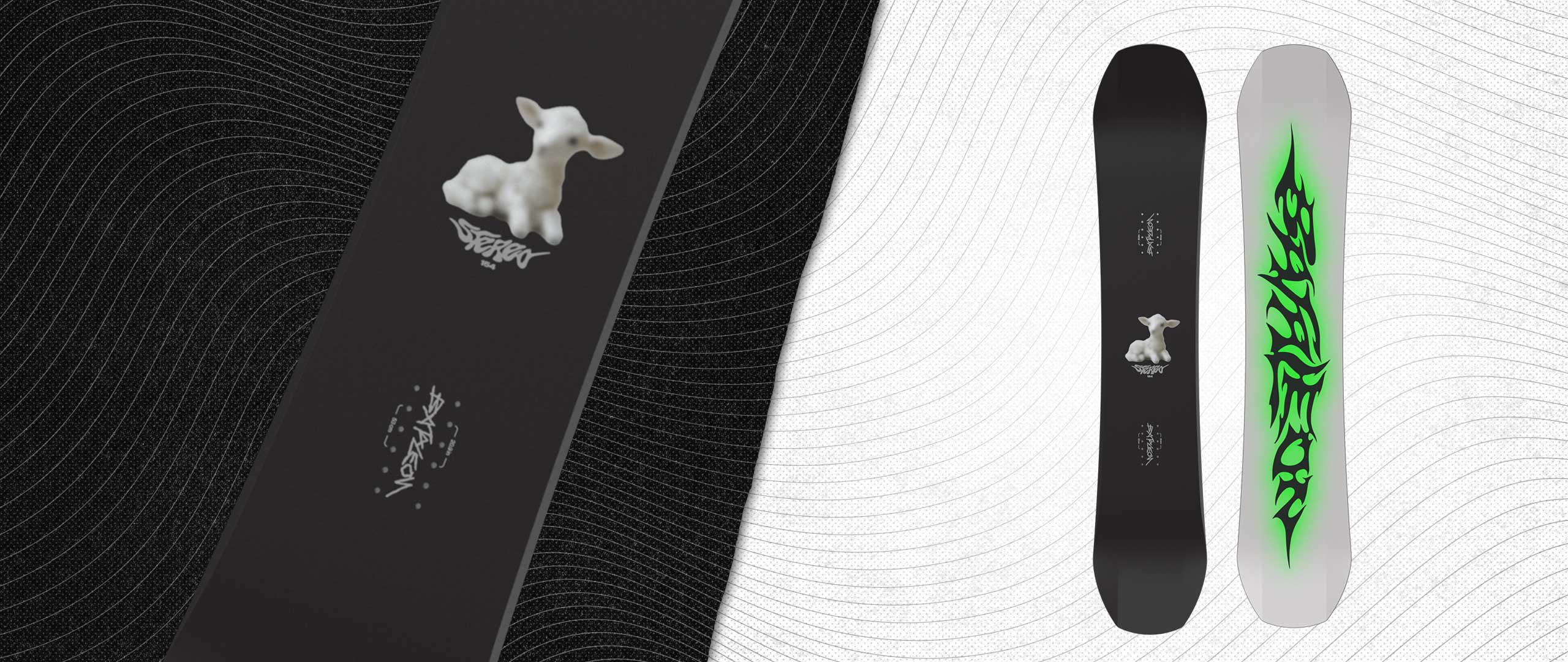
The winter sports industry continually seeks to bridge the gap between aggressive mountain performance and playful freestyle accessibility, a design challenge that has recently culminated in the introduction of the Bataleon Stereo. Conceived through a collaborative development process involving snowboarding pioneers Ethan Morgan and Halldór Helgason, the Stereo represents a calculated departure from traditional manufacturing norms within the Bataleon product ecosystem. By blending high-performance core materials, a refined structural profile, and a unique adaptation of Triple Base Technology (3BT), the brand has engineered a true twin snowboard specifically tailored for riders who refuse to compartmentalize their mountain experience. The resulting deck is designed to perform with equal competence on high-speed groomers, technical park rails, and spontaneous side-hit zones, reflecting the dynamic riding styles of its professional co-designers.
Main Facts and Design Philosophy
At the core of the Bataleon Stereo is a deliberate philosophy of creative versatility. Unlike traditional directional boards built exclusively for carving or conventional park boards that sacrifice edge hold on hardpack, the Stereo occupies a distinct middle ground in the all-mountain freestyle category. The development team focused heavily on ensuring the board could withstand the high-impact demands of urban street features and massive backcountry kickers while maintaining the precision required for high-speed resort cruising.
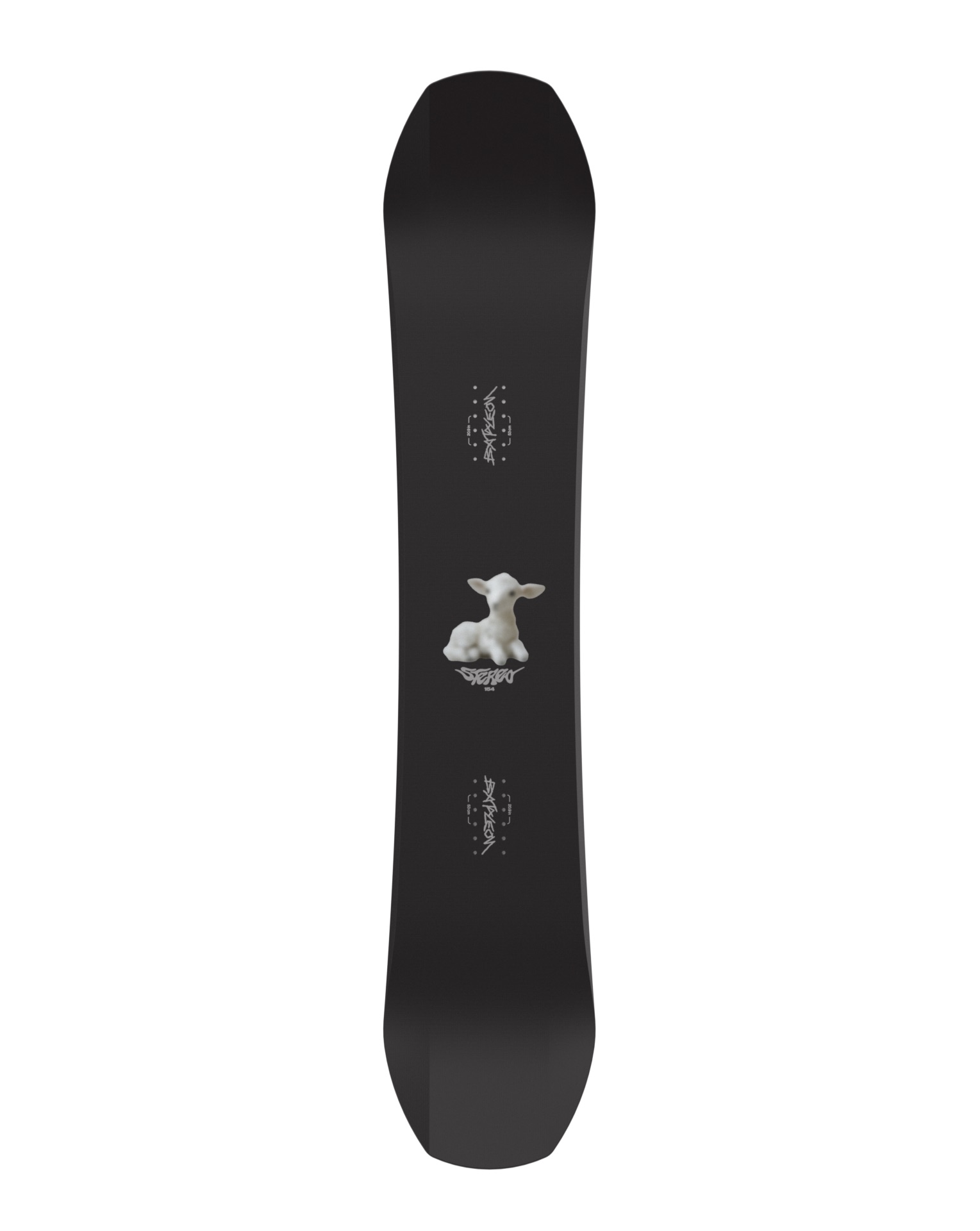
The defining characteristic of the Stereo’s design is its unique approach to Bataleon’s signature Triple Base Technology. While standard 3BT layouts feature prominent upward bevels across the entire tip and tail to eliminate edge catch, the Stereo introduces a notably flatter nose profile. This strategic adjustment reduces the aggressive edge roll typically associated with Bataleon decks, providing a more traditional, locked-in feel that appeals to riders accustomed to standard camber profiles on hardpack surfaces. However, the inclusion of SideKick 2.0 tip uplift preserves the brand’s core benefit, ensuring seamless turn initiation and minimizing the risk of hang-ups during presses, butters, and flatland maneuvers.
Chronology and Collaborative Development
The genesis of the Bataleon Stereo can be traced back to the evolving demands of elite freestyle snowboarders who spend equal amounts of time filming in urban environments and cruising resort terrain. Ethan Morgan and Halldór Helgason, both renowned for their unorthodox approach to snowboarding and high-impact video parts, approached Bataleon with a clear objective: to design a deck that possessed zero compromise in terms of playfulness, yet retained enough backbone to handle heavy landings and high-speed in-runs.
Initial prototyping began over a two-year development cycle, during which Morgan and Helgason tested various core densities, carbon stringer placements, and base contours across diverse European and North American snow conditions. The breakthrough occurred during iterative testing when engineers flattened the nose profile of the 3BT contour. This adjustment successfully resolved the tension between freestyle maneuverability and traditional edge hold. Following rigorous field testing by both professional athletes and the brand’s internal product development teams, the Stereo was finalized for production, entering the market as one of the most anticipated releases in contemporary snowboard manufacturing.
Construction, Materials, and Technical Specifications
To achieve the desired balance of flexibility, durability, and responsiveness, Bataleon utilized a sophisticated suite of materials and construction techniques for the Stereo.
The foundation of the board begins with the Core Core profile. This wood matrix consists of full-length, high-grade poplar reinforced with strategically placed hardwood beech stringers. The beech inserts run directly along the spine of the board and surrounding the binding inserts, significantly increasing the deck’s structural backbone and enhancing overall pop without compromising its longitudinal flex. Complementing the wood core is a dedicated network of carbon stringers, meticulously positioned to fine-tune torsional response and edge-to-edge energy transfer while keeping overall weight to a minimum.
A major technical advancement featured in the Stereo is the introduction of HyCap construction. This full-cap layup extends along the length of the board’s contact zones, delivering a cleaner aesthetic, reduced swing weight, and sharper edge engagement. To combat the rigors of heavy freestyle use, the board incorporates poured urethane FlexWalls at the tip and tail. These dampening elements absorb high-frequency vibrations and severe impact shocks, safeguarding the structural integrity of the board where freestyle riders experience the most frequent wear and tear.
The internal construction is bound together using a traditional biaxial glass fiber weave. Biax glassing provides a predictable, torsionally forgiving flex pattern that aligns with the creative ambitions of the board, allowing for effortless presses and buttering maneuvers. The entire assembly sits atop a Hyper Glide S base—Bataleon’s industry-standard sintered running surface. Known for its high wax absorption capacity, the sintered base offers superior speed retention and durability, provided it receives regular maintenance.
Supporting Data and Performance Metrics
Industry testing and consumer feedback indicate that the Bataleon Stereo successfully bridges the gap between specialized park boards and versatile all-mountain instruments. According to brand specifications and independent tester data, the board scores exceptionally high in categories related to versatility, side-hit performance, and butterability, while maintaining above-average ratings for stability at speed compared to dedicated jib boards.
The integration of a tri-radial sidecut allows the board to blend multiple turn radii into a single continuous edge, facilitating smooth, predictable exits out of carves. When paired with the medium camber height underfoot, the Stereo delivers a reliable edge grip that instills confidence during steep descents and high-speed approaches to jumps. Field evaluations confirm that while it may not outperform specialized directional freeride decks in deep powder, its true twin geometry and balanced flex pattern make it an ideal daily driver for resort-centric riders.
Industry Statements and Expert Analysis
The introduction of the Stereo has drawn positive commentary from professional riders and veteran product testers alike. Pat Nichols, an experienced snowboard test editor, highlighted the board’s hybrid characteristics in his post-test evaluation:
"A seriously fun all mountain freestyle snowboard. You can absolutely grip a turn but it still likes to butter. The nose has the flattest section of 3BT of any Bataleon board, so it has a more traditional feel. It’s a board that has your back—I’d buy it and be stoked, so that’s always a good sign!"
Industry analysts suggest that the design choices incorporated into the Stereo reflect a broader market trend. As snowboarders increasingly demand equipment that can perform across multiple disciplines without requiring a multi-board quiver, manufacturers are compelled to engineer hybrids that blend traditional camber response with modern progressive shapes. Bataleon’s willingness to modify its signature 3BT profile for the Stereo indicates a pragmatic shift toward accommodating riders who value traditional edge engagement alongside contemporary freestyle capabilities.
Broader Impact and Market Implications
The release of the Bataleon Stereo marks a significant milestone in the evolution of freestyle snowboard design. By successfully merging the creative freedom of a jib board with the stability and edge hold of a conventional all-mountain deck, Bataleon has provided a template for future product development within the industry.
The economic and operational implications for the brand are substantial. By catering directly to the large demographic of snowboarders who split their time between terrain parks, natural side-hits, and groomed runs, the Stereo expands Bataleon’s market reach beyond pure park purists. Furthermore, the collaborative involvement of high-profile athletes like Ethan Morgan and Halldór Helgason ensures immediate cultural relevance and credibility within the core snowboarding community.
As winter sports technology continues to advance, the success of the Bataleon Stereo demonstrates that consumer demand lies in versatility and refined performance. By challenging its own manufacturing conventions and redefining the boundaries of Triple Base Technology, Bataleon has established a new benchmark for what a true twin all-mountain freestyle snowboard can achieve.

