
Long before data-driven biometrics became a staple of modern athletics, freestyle skiing legend Jonny Moseley was already charting a new course. In the lead-up to the 1998 Winter Olympics in Nagano, Japan, Moseley did not merely rely on raw talent or traditional coaching methods to secure his place at the top of the podium. Instead, he pioneered an integrated approach to training that combined meticulous physical strain monitoring with advanced recovery protocols—a philosophy that continues to influence his fitness regimen today as he embraces the next generation of athletic wellness technology.
The 1998 Nagano Breakthrough and the Science of Pacing
In the late 1990s, elite winter sports training was largely rooted in high-volume physical exertion with limited regard for physiological data feedback loops. Moseley, however, approached his craft with analytical precision. He began tracking his heart rate variability, maintaining detailed performance journals, and monitoring delayed-onset muscle soreness to determine his body’s precise windows of peak adaptation.
This meticulous timing was vital for an athlete facing the quadrennial pressure of the Olympic cycle. In elite sports, competitors often face a four-year window for a single defining moment on the world stage, creating intense psychological and physical strain. By systematically balancing cycles of high-intensity training with strategic rest, Moseley achieved optimal physical condition just as the 1998 World Cup and Olympic season commenced.
His innovative approach translated directly to competitive success. Moseley dominated the early 1998 World Cup circuit by winning his first two events, establishing himself as the frontrunner heading into Nagano. At the Olympic Games, he disrupted the established traditional disciplines by introducing a "new-school" aesthetic. Most notably, he incorporated a snowboard-style safety grab into his 360-degree mute grab aerial—a maneuver that fundamentally altered the stylistic trajectory of freestyle skiing and earned him the gold medal in the men’s moguls event.
Evolution of Athletic Recovery: From 1980s Biometrics to AI-Driven Wellness
The integration of technology into sports performance has evolved significantly over the past four decades. Heart rate monitors—first introduced commercially in 1982—did not become standard coaching tools until the 1990s, when sports scientists recognized their value in prescribing targeted training zones. Today, biometric tracking of metrics such as VO2 max, sleep architecture, and recovery scores is ubiquitous among professional and amateur athletes alike.
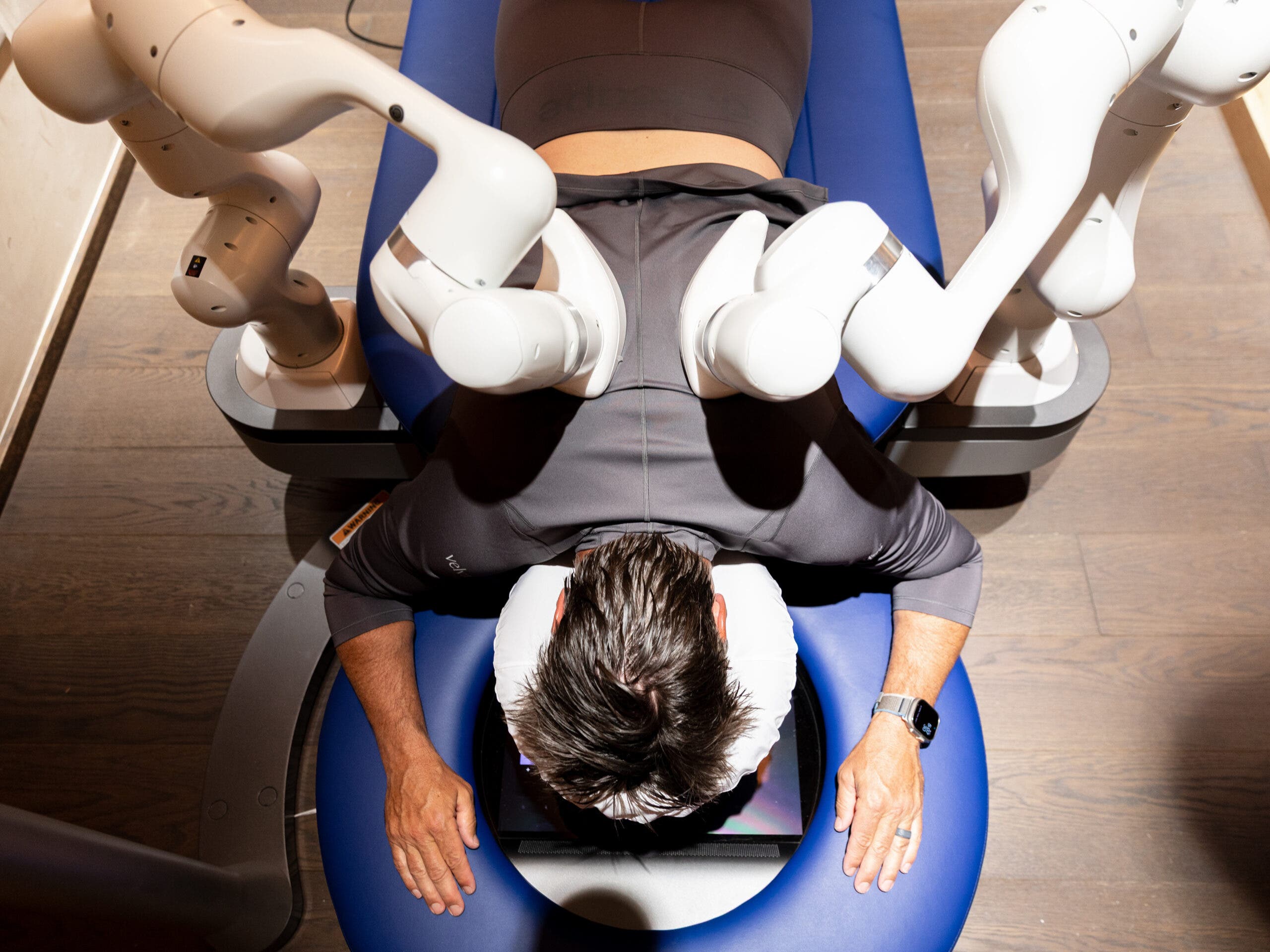
Moseley’s modern partnership with Velvaere, a private ski-in, ski-out wellness community in Deer Valley, Utah, reflects the continued convergence of high-end real estate and elite sports science. The development incorporates advanced recovery infrastructure traditionally reserved for elite training centers, including AI-powered robotic massage systems, localized cryotherapy, LightStim LED therapy, flotation isolation tanks, and traditional sauna and cold plunge circuits.
Comparing these modern amenities to his time utilizing official Olympic training facilities, Moseley notes the similarities in philosophy. The inclusion of artificial intelligence to assess muscle tension and apply customized therapeutic pressure points to a fatigued human body represents the current frontier of sports science, bridging the gap between passive rest and active cellular repair.
Seasonal Periodization and the Modern Training Blueprint
Maintaining physical readiness across decades requires a structured, periodized approach that adapts to physiological changes associated with aging. Moseley’s current fitness framework, split between his primary residence in Lake Tahoe, California, and Park City, Utah, follows a carefully calibrated annual timeline.
The daily routine begins with a low-impact cardiovascular session lasting between thirty and sixty minutes, typically consisting of a brisk walk or moderate treadmill work, followed by targeted resistance training. However, the nature of his strength training shifts dynamically with the calendar:
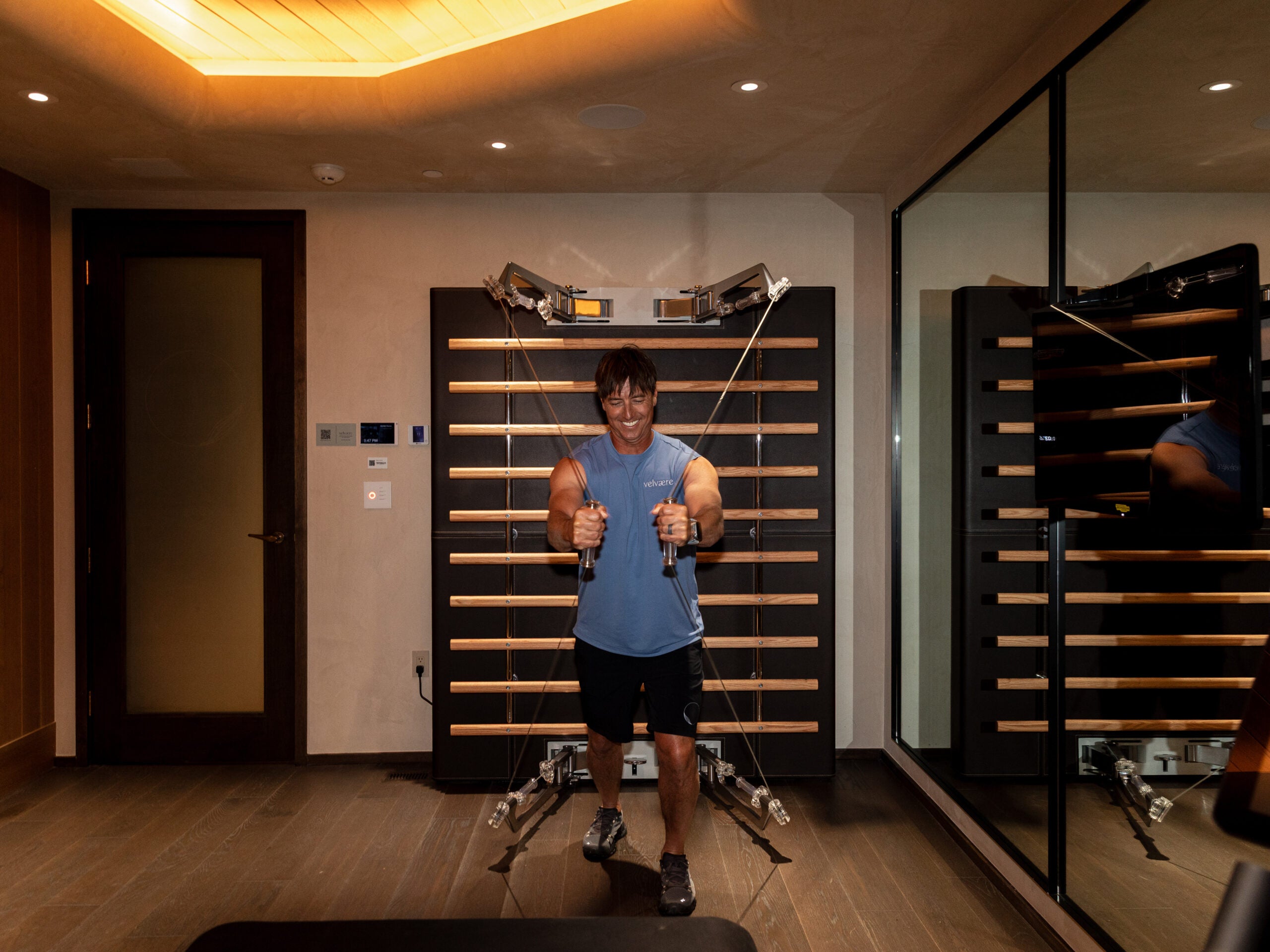
- Early Summer (Foundation Phase): Focuses on building foundational strength through compound lifts and general conditioning.
- Autumn (Endurance and Stability Phase): Transitions toward muscular endurance, single-leg stabilization exercises, and lateral movement mechanics using slide boards to mimic the eccentric loading experienced during alpine skiing.
- Winter (Plyometric and Sport-Specific Phase): Introduces explosive movements, such as box jumps, to prepare the neuromuscular system for the high-impact forces encountered on uneven snow terrain. To mitigate joint stress, Moseley advocates for a progressive approach to plyometrics, starting with lower platform heights rather than attempting maximum-intensity jumps immediately.
As he has aged, Moseley has actively integrated complementary disciplines to preserve joint health and range of motion. Alongside traditional weight training, he incorporates hot yoga to enhance mobility and dynamic flexibility, while utilizing outdoor pursuits like wing foiling during favorable weather windows to maintain cross-training cardiovascular fitness.
The Broader Impact on Lifestyle Wellness and Longevity
Moseley’s ongoing commitment to physical conditioning highlights a broader cultural shift within the winter sports community. While elite athletes have historically prioritized output over self-care—often viewing rest as a secondary consideration addressed only following injury—contemporary sports medicine emphasizes proactive recovery as a fundamental pillar of athletic longevity.
Industry analysts note that residential wellness communities incorporating medical-grade recovery tools into home environments represent a growing market segment aimed at active aging populations. By surrounding oneself with a built environment that encourages daily mobility, hydrotherapy, and structured rest, athletes and active lifestyle enthusiasts can mitigate the cumulative wear and tear associated with high-impact sports.
For Moseley, the transition from an Olympic gold medalist to an advocate for comprehensive wellness underscores a lifelong dedication to human performance. Whether navigating the moguls of Nagano or preparing for the upcoming ski season in Utah, his methodology remains anchored in the same core principle that defined his historic 1998 run: listening to the data, respecting the recovery cycle, and continuously adapting to meet the demands of the sport.

