
The transition from the plush comfort of everyday footwear to the rigid, unforgiving shell of a ski boot is a ritual familiar to millions of winter sports enthusiasts, yet this seasonal shift carries medical risks that extend far beyond simple discomfort. For decades, the culture of alpine skiing has treated foot pain as an inevitable "badge of honor," a necessary sacrifice for the sake of downhill performance and edge control. However, emerging perspectives from podiatric medicine suggest that ignoring these warning signs can lead to irreversible physiological changes, chronic nerve damage, and structural deformities. As the 2025-2026 ski season progresses, medical experts are sounding the alarm on the difference between standard "boot bite" and the onset of permanent foot trauma.
The biomechanical demands of skiing require a boot to be exceptionally stiff to facilitate the direct transfer of energy from the leg to the ski’s edge. This rigidity, while essential for safety and control at high speeds, creates a hostile environment for the human foot, which is composed of 26 bones, 33 joints, and over 100 muscles, tendons, and ligaments. When this complex structure is locked into a fixed position for eight hours a day, the potential for pathology increases exponentially.
The Pathologies of the Rigid Shell: Bunions and Neuromas
Dr. Nelya Lobkova, a New York City-based podiatrist and veteran skier, emphasizes that the primary danger of modern ski boots lies in their ability to exacerbate underlying or dormant conditions. Two of the most common issues seen in clinical settings following the winter months are hallux valgus (bunions) and Morton’s neuroma.
Bunions, often a genetic predisposition involving a bony bump at the base of the big toe, are frequently aggravated by the narrow "last" or width of a performance ski boot. The friction generated between the medial side of the foot and the plastic shell can lead to acute bursitis—an inflammation of the fluid-filled sac that cushions the joint. Over time, this chronic irritation can accelerate the deformity, leading to a permanent shift in the toe’s alignment that may eventually require surgical intervention.
Equally concerning is Morton’s neuroma, a condition characterized by the thickening of the tissue around one of the nerves leading to the toes. This typically occurs between the third and fourth toes. Dr. Lobkova notes that when the toe box is too tight, the metatarsal heads are squeezed together, pinching the plantar digital nerve. The result is a sharp, burning pain or the sensation of standing on a pebble. If the compression is frequent enough, the nerve damage can become permanent, resulting in chronic numbness or "pins and needles" that persists long after the boots have been returned to the locker.
The Paradox of the Loose Boot
While a tight boot is an obvious culprit for compression injuries, an oversized boot presents its own set of clinical challenges. Dr. Mikel Daniels, a podiatric surgeon based in Baltimore, warns that many recreational skiers opt for a larger size to avoid the immediate "pinch" of a snug fit, unknowingly creating a "slop" factor that leads to impact trauma.
In a boot that is too loose, the foot is not properly secured, causing it to slide forward during every deceleration or turn. This repetitive "jamming" of the toes against the front of the hard plastic shell leads to subungual hematoma—the accumulation of blood under the toenail, commonly referred to as "black toenail."
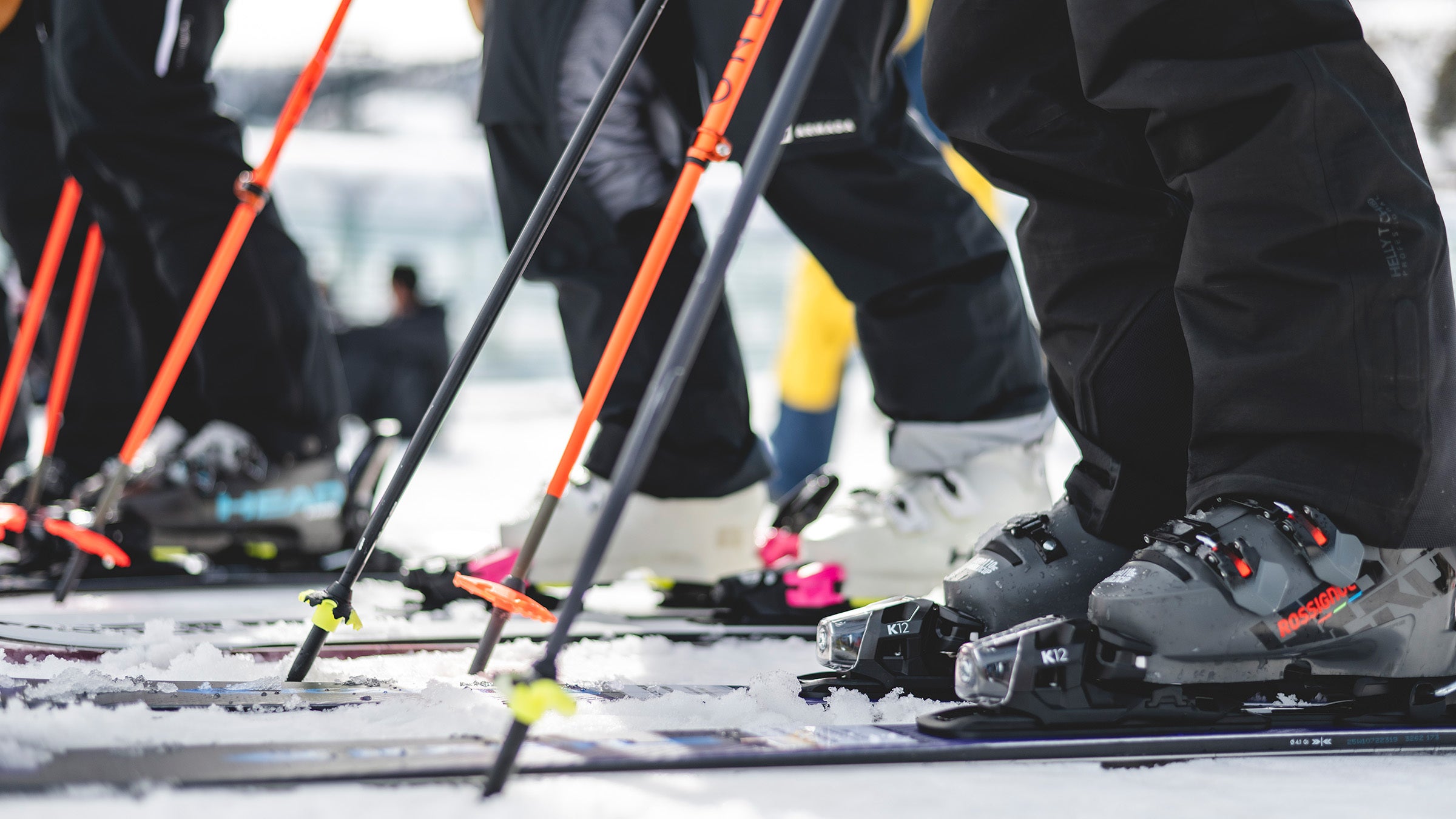
"Excessive damage to the toenail bed can cause irreversible damage," explains Dr. Lobkova. "The toenails may not look the same afterwards, typically appearing thicker and shorter compared to the other toenails." In severe cases, the nail may detach entirely, and the underlying nail matrix may be so damaged that the new nail grows back deformed or becomes prone to chronic fungal infections and ingrown borders. If left untreated, these conditions can escalate into systemic infections requiring oral antibiotics or surgical nail avulsion.
A Chronology of Injury: From First Lift to Chronic Condition
The progression of ski-related foot damage often follows a predictable timeline throughout the winter season. Understanding this chronology is vital for skiers to intervene before a minor ache becomes a lifelong ailment.
- The Early Season (December): Initial discomfort is often dismissed as "breaking in" new gear. Micro-trauma begins as the foot adapts to the lack of mobility. Minor bruising and skin irritation (blisters) are common.
- Mid-Season (January – February): For frequent skiers, repetitive stress begins to manifest as localized inflammation. This is when Morton’s neuroma symptoms typically transition from occasional tingling to persistent sharp pain. This is also the peak period for subungual hematomas as skiers log more vertical feet.
- Late Season (March): As temperatures rise and snow conditions become "mash," the foot tends to swell more within the boot. This increases the internal pressure, leading to the "tourniquet effect" where blood flow is restricted, exacerbating nerve pain and causing significant fatigue.
- Post-Season (April and Beyond): The boots are stored away, but the pain remains. This is the stage where patients seek out podiatrists like Dr. Lobkova and Dr. Daniels, realizing that the "numbness" in their toes hasn’t subsided after three weeks of being off the mountain.
Technical Solutions and the Role of Professional Boot Fitting
The consensus among medical professionals is that ski boots are not inherently "bad" for the feet; rather, it is the "badly fit" boot that causes injury. The industry has responded with several customization technologies designed to bridge the gap between a generic plastic shell and the unique contours of the human foot.
Heat-Molding and Shell Punching
Most modern high-end boots feature heat-moldable liners and, in some cases, heat-moldable shells. This process involves heating the components in a specialized oven and then having the skier wear them as they cool, allowing the material to take the shape of the foot.
For specific problem areas, such as a prominent bunion or a "sixth toe" (a common term for a bony protrusion on the outside of the foot), boot fitters use a technique called "punching." By heating a specific spot on the plastic shell and using a hydraulic press or a ball-and-ring tool, the fitter can create a localized pocket of space. Dr. Daniels recounts a case where a patient suffered from black toenails for years until a simple "toe box punch" provided the millimeters of clearance necessary to save his nails.
Custom Orthotics: Beyond the Factory Insole
One of the most overlooked aspects of boot fitting is the insole. Most factory insoles are thin, flimsy pieces of foam that provide zero arch support. Without support, the foot "collapses" or pronates inside the boot, widening the forefoot and increasing the likelihood of nerve compression.
Dr. Lobkova advocates for custom orthotics specifically designed for skiing. These are thinner than walking orthotics and often include an "embedded metatarsal pad." This pad sits just behind the ball of the foot, spreading the metatarsal bones apart to relieve pressure on the nerves—a critical preventative measure for Morton’s neuroma.
The Physiology of Cold and Swelling: The Tourniquet Effect
A critical piece of advice offered by experts involves the management of foot volume throughout the day. The human foot is dynamic; it changes size based on activity level and temperature. Dr. Lobkova warns that moving from the sub-freezing temperatures of the chairlift to the warmth of a mountain lodge causes the feet and ankles to swell.
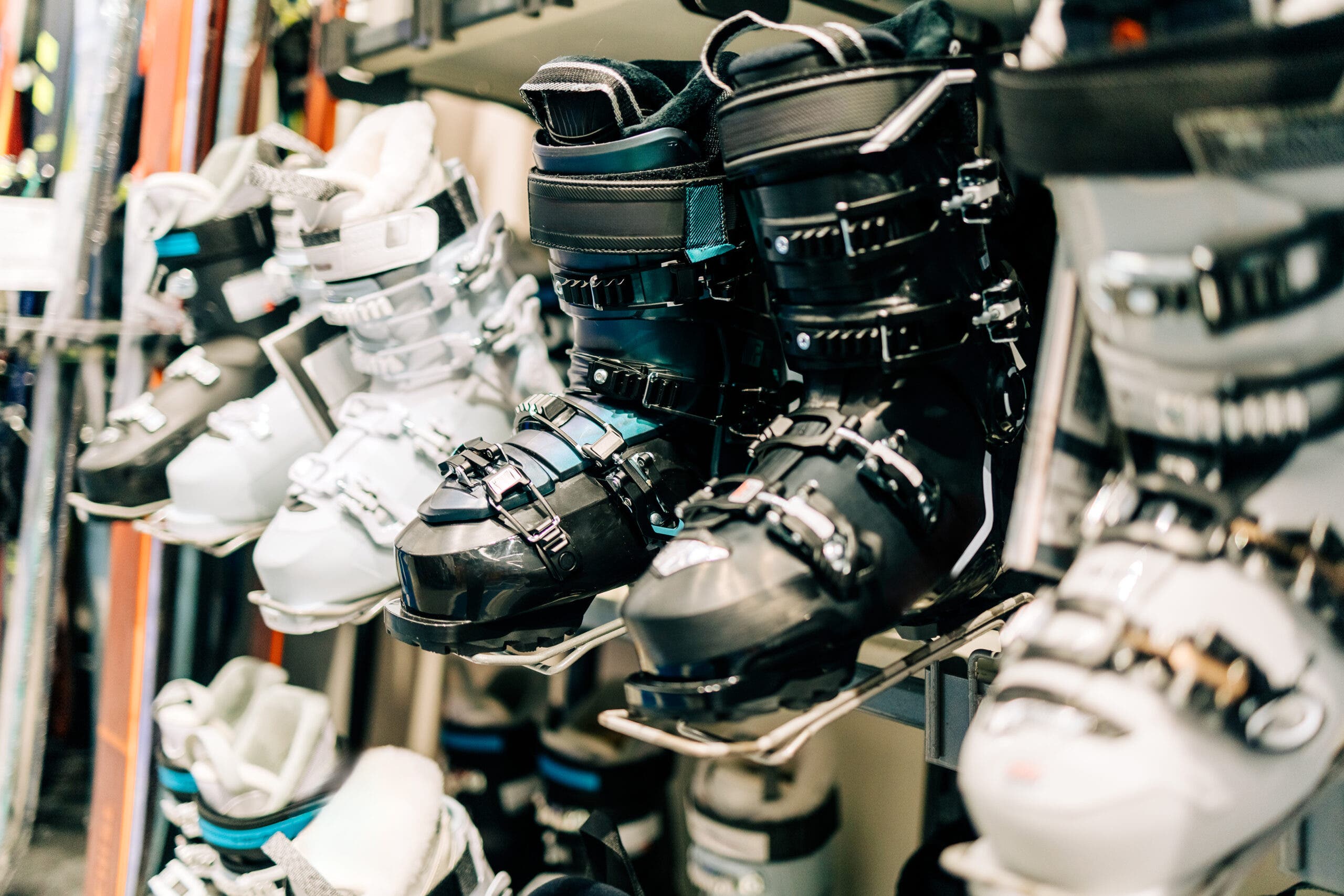
"You don’t want them to swell against a stiff boot because this will cause a tourniquet effect, preventing blood from reaching the foot," she says. This restriction of blood flow can lead to "skier’s toe" (a form of frostnip) or simply exacerbate the pressure on sensitive nerves. The medical recommendation is to always loosen buckles during lunch breaks or long periods of inactivity to allow for proper circulation and volume expansion.
Market Data and the Shift in Gear Trends
Recent market analysis from the 2024-2025 season indicates a shift in consumer behavior. There has been a 15% increase in the sale of "All-Mountain Comfort" boots, which typically feature a wider "last" (102mm-104mm) compared to the 98mm "Race" lasts. This suggests that the skiing public is beginning to prioritize foot health over the marginal performance gains of a race-tight fit.
Furthermore, the rental market is seeing an influx of "fit-tech." Many high-end rental shops now utilize 3D foot scanners to recommend the best shell shape for a customer’s foot profile. While a rental boot will never match the precision of a custom-molded setup, these data-driven approaches help mitigate the risk of severe mismatching.
Recommendations for the Recreational Skier
To protect against permanent damage, experts suggest a multi-faceted approach to foot care:
- Sock Selection: Avoid cotton at all costs. Cotton retains moisture, leading to rapid cooling and increased friction. High-quality, thin merino wool socks provide the best thermal regulation and "feel" for the boot.
- The "Pinch" Test: When trying on boots, your toes should touch the front when standing straight but pull back slightly when in a flexed skiing stance. If the toes remain jammed against the front while flexing, the boot is too short.
- Address Issues Early: If you feel a "hot spot" or localized stinging, do not wait for the end of the week. Most resort-town boot fitters can perform minor adjustments (like "grinding" or "punching") in under an hour.
- Insoles in Rentals: If you use orthotics in your daily life, bring them to the rental shop. Even a basic aftermarket insole is often superior to the stock liner found in rental fleets.
Conclusion: The Long-Term Implications
The impact of foot health on the longevity of a skier’s career cannot be overstated. Chronic foot pain is cited as one of the top three reasons why aging skiers leave the sport, alongside knee injuries and the cost of lift tickets. By reframing the conversation from "toughing it out" to "proactive foot management," the skiing community can reduce the incidence of permanent deformities and nerve damage.
As Dr. Daniels concludes, the rule of thumb is simple: if you are thinking more about your feet than your line down the mountain, something is wrong. In the high-stakes environment of alpine sports, listening to the feet is just as important as watching the terrain. Permanent damage is a high price to pay for a day on the slopes, especially when the solutions are as accessible as a professional fit and a pair of wool socks.

