
The landscape of boutique fitness in New York City has undergone a significant transformation with the introduction of NRTHRN Strong, a Danish-born exercise concept that adapts the physiological rigors of cross-country skiing for an urban, indoor environment. Located in the competitive fitness corridor of the Flatiron District, the studio represents a growing trend in "sport-mimetic" training—workouts designed to replicate the specific biomechanical demands of elite outdoor sports. By utilizing a proprietary machine known as the NRTHRN Trainer, the program seeks to solve the primary barriers to cross-country skiing: geographic dependence on snow and the specialized technical knowledge required for the sport. This expansion into the United States follows the brand’s success in Copenhagen, signaling a broader interest in low-impact, high-intensity interval training (HIIT) that prioritizes functional movement over traditional resistance machines.
The Physiological Advantages of Nordic Skiing Mechanics
Cross-country skiing has long been recognized by exercise physiologists as one of the most efficient full-body workouts available. Unlike running, which primarily engages the lower extremities, or rowing, which is seated, Nordic skiing requires a standing, synchronous movement of the entire kinetic chain. This involves the cardiovascular system, upper body (arms and back), lower body (legs and glutes), and a constant engagement of the core for balance and stability.
Data from sports medicine studies, including research published in the National Institutes of Health’s PubMed database, indicate that the caloric expenditure of cross-country skiing is significantly higher than that of many comparable activities. A moderate-intensity session can burn between 400 and 700 calories per hour. Furthermore, comparative analysis suggests that it takes approximately two and a half hours of downhill (alpine) skiing to match the caloric burn achieved in just sixty minutes of cross-country skiing. The efficiency of the movement is rooted in the high VO2 max levels required to sustain the "kick and glide" or "poling" motions, which utilize more muscle groups simultaneously than almost any other aerobic activity.
Engineering the NRTHRN Trainer: From Slopes to Studio
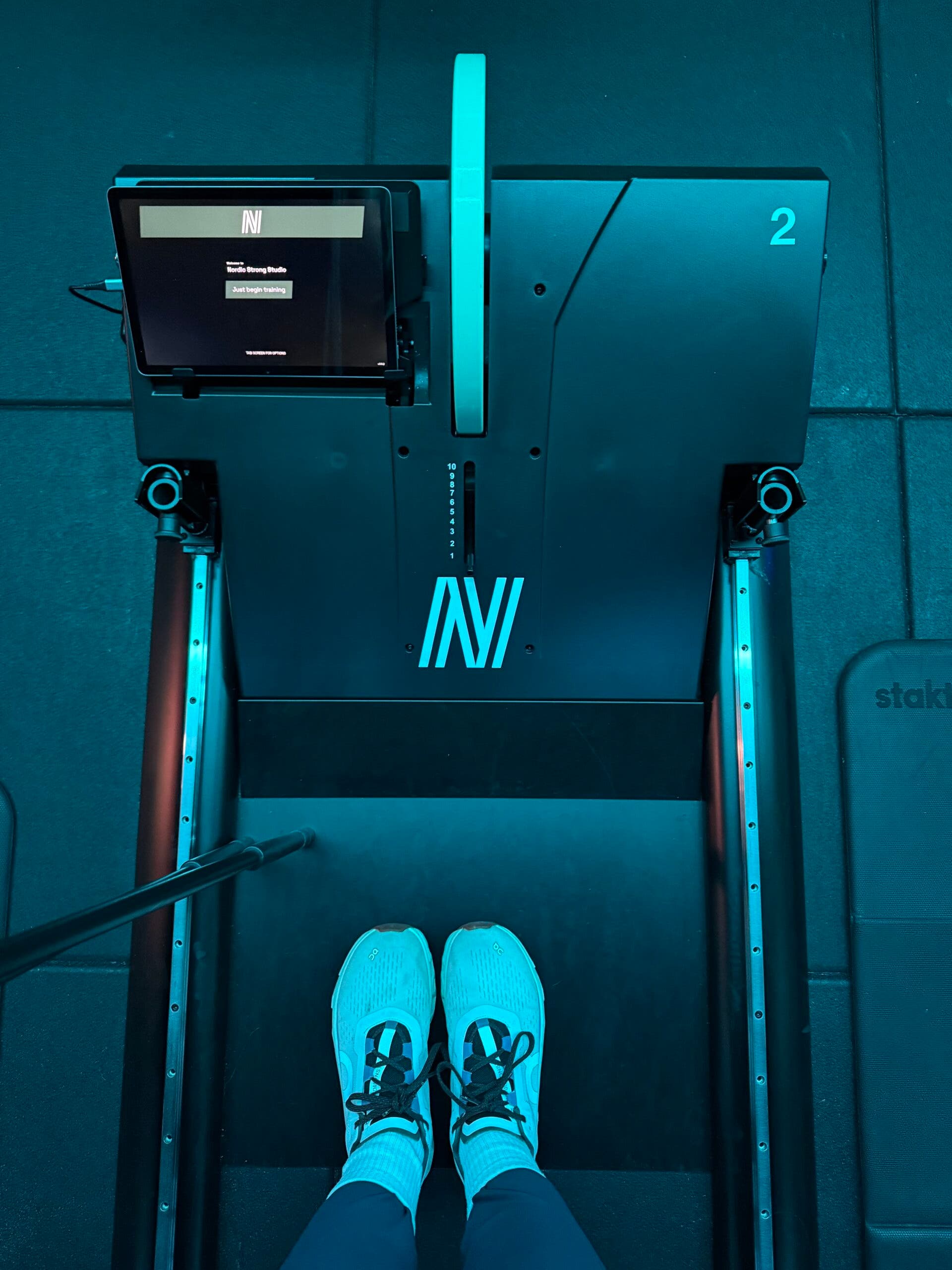
The centerpiece of the NRTHRN Strong experience is the NRTHRN Trainer, a patented piece of equipment designed to bridge the gap between outdoor athletics and indoor convenience. The machine’s design is a hybrid of a rowing ergometer and a slide board, tailored specifically to mimic the resistance and rhythm of snow-based skiing.
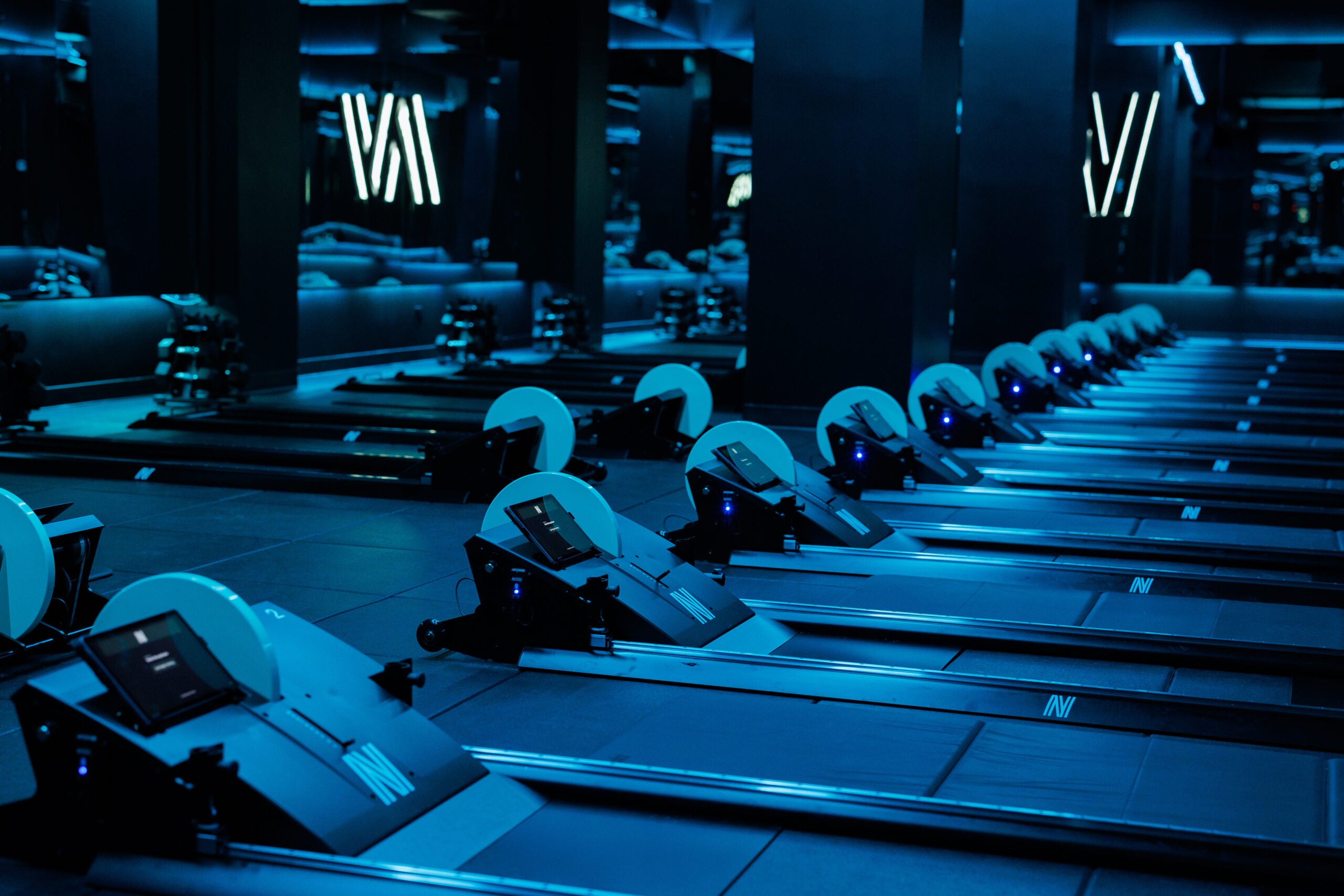
The trainer features two vertical sockets into which participants insert specialized ski poles. These poles are available in various lengths to accommodate different heights, ensuring that the user’s posture remains ergonomically correct. The mechanics of the machine involve a sliding resistance system that replicates the friction of skis on snow. As the user pulls the poles back, they engage in a "stroke" that provides resistance through the lats, triceps, and core.
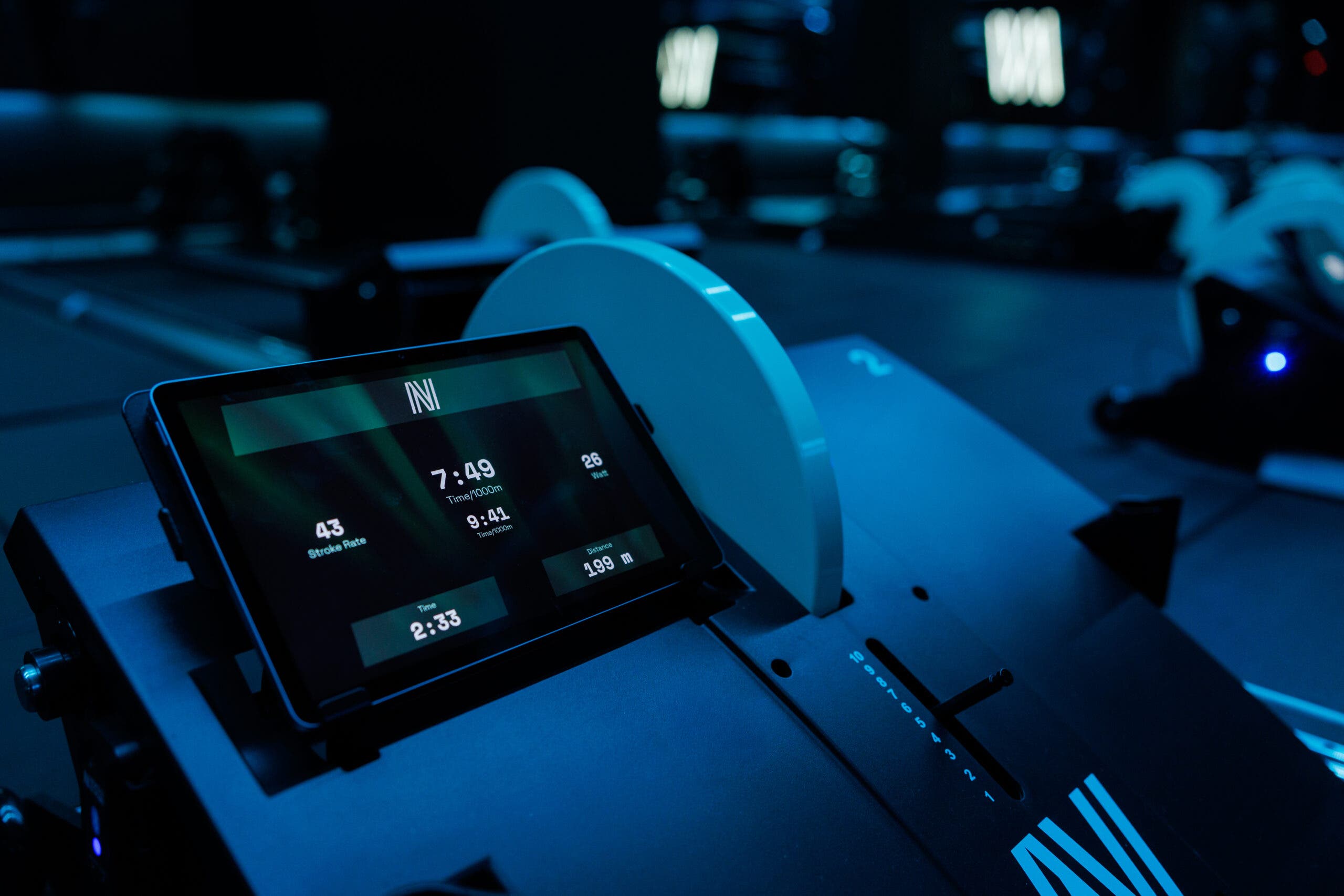
Technological integration is a key component of the trainer. Each machine is equipped with a digital interface that provides real-time feedback on performance metrics. These metrics include:
- Stroke Rate: The frequency of movements per minute.
- Pace: Calculated as time per 1,000 meters, allowing for direct comparison with rowing standards.
- Distance: The cumulative "virtual" distance covered during the session.
- Time Under Tension: A critical metric for HIIT training to ensure muscle fatigue.
This data-driven approach allows instructors to set specific targets for participants, moving the workout beyond simple cardio into the realm of performance coaching.
Chronology of Development and Global Expansion
The journey of NRTHRN Strong began in Denmark, a nation with a deep cultural affinity for Nordic sports but a growing demand for time-efficient, year-round fitness solutions. The brand was developed with input from professional cross-country athletes who required off-season training tools that could maintain their specific muscle memory and cardiovascular conditioning without the impact of road running or the limitations of standard gym equipment.
Following its debut in Copenhagen, the brand spent several years refining the NRTHRN Trainer and the accompanying class curriculum. The decision to expand to New York City in early 2026 was strategic, targeting the Flatiron District—a neighborhood known as the "Silicon Alley" of fitness, home to major players like Peloton, Barry’s, and various high-end Pilates studios. The NYC launch involved a significant logistical undertaking, including the custom manufacture and shipping of the trainers and the recruitment of a coaching staff capable of translating technical ski movements for a general audience.
The studio’s design also reflects its Nordic roots. The interior environment utilizes "mood lighting" inspired by the Aurora Borealis (Northern Lights), creating an immersive atmosphere that differentiates it from the clinical lighting of traditional gyms. This aesthetic choice is intended to reduce the intimidation factor for newcomers while maintaining a high-energy environment suitable for HIIT.
The Training Protocol: Structure and Methodology
The NRTHRN Strong curriculum is built on a 50-minute HIIT framework, designed to maximize metabolic disturbance and post-exercise oxygen consumption (EPOC). The class is typically divided into rotating circuits that balance machine-based work with functional floor exercises.
A standard session follows a specific progression:
- Technical Integration: The first phase involves an introduction to the machine, where instructors guide participants on pole placement and the "power stroke." This is particularly important for the estimated 30-40% of attendees who may have no prior experience with cross-country skiing.
- Interval Training: Participants spend approximately ten minutes on the NRTHRN Trainer, focusing on explosive, plyometric movements. Instructors call out target stroke rates to push cardiovascular limits.
- Functional Strength: Following the machine work, participants move to mats for ten minutes of lower-body and core conditioning. These exercises are selected to complement the ski movements, focusing on lateral stability and rotational strength.
- Rotation Cycles: The circuit is repeated multiple times, typically involving three rounds on the machine and two on the floor. This "time under tension" model ensures that all major muscle groups are fatigued by the end of the 50-minute block.
The "low-impact" nature of the workout is a significant selling point. Because the movement is controlled by the user’s own force and does not involve the repetitive striking of a hard surface (as seen in running), it is often recommended for individuals with joint sensitivities or those recovering from impact-related injuries.
Biomechanical Analysis and Industry Implications
From a kinesiological perspective, the NRTHRN Strong method addresses a common deficit in modern fitness: the lack of "pulling" movements and posterior chain engagement. Most daily activities and many gym exercises are "front-dominant," leading to postural imbalances. The skiing motion emphasizes the back, triceps, and hamstrings, providing a corrective balance to the sedentary, seated positions common in office-based workforces.

Industry analysts suggest that the rise of NRTHRN Strong reflects a broader shift toward specialized, low-impact training. As the first generation of boutique fitness enthusiasts (who popularized high-impact bootcamps in the 2010s) begins to age, there is a burgeoning market for workouts that offer high caloric burn without the risk of long-term joint degradation.
Furthermore, the machine-based approach offers a solution to the "space-efficiency" problem in urban real estate. A single NRTHRN Trainer occupies a footprint similar to a standard rowing machine but offers a more comprehensive range of motion. For studio owners, this allows for high-density classes that still provide a premium, individualized experience.
Official Responses and Market Outlook
Management at NRTHRN Strong has emphasized that the studio is designed to be inclusive, regardless of athletic background. In statements regarding the NYC opening, representatives noted that the goal was to "democratize the benefits of Nordic skiing," removing the need for expensive travel and technical gear. The brand’s philosophy centers on the idea that "no one is an expert yet," a sentiment intended to foster a community atmosphere in a city often criticized for its competitive fitness culture.
The success of the New York and Copenhagen locations has led to speculation about further expansion into other major metropolitan hubs, such as London and Tokyo. As climate change continues to make natural snow seasons shorter and more unpredictable, the demand for indoor alternatives to winter sports is expected to rise.
For the winter sports industry, NRTHRN Strong serves as a "gateway" activity. Early data suggests that participants who train on the indoor machines feel a higher degree of confidence when transitioning to real skis on snow. This synergy between indoor training and outdoor recreation could provide a much-needed boost to the cross-country skiing industry, which has struggled with accessibility and the perceived "steep learning curve" for beginners.
In conclusion, NRTHRN Strong represents more than just a new workout trend; it is a sophisticated integration of sports science, specialized hardware, and atmospheric design. By bringing the most effective full-body workout of the Nordic world to the streets of Manhattan, the company is redefining what it means to train for the "long game" of health and mobility. As the studio enters its first full year of operation in the U.S., it stands as a testament to the enduring appeal of movement patterns that are as old as the snow-capped mountains of Scandinavia, now reimagined for the 21st-century urbanite.

