
The outdoor recreation and winter sports industries are currently undergoing a profound philosophical shift regarding gear design, marketing, and consumer demographics. Against the backdrop of a shrinking market for dedicated women-specific hardgoods and a broader industry trend toward unisex equipment, entrepreneur and former competitive ski coach Anna Dailey has officially launched Rumor, a new ski brand engineered explicitly by and for women. Debuting with its flagship product, the Debut 102, Rumor enters a market segment that has recently experienced both commercial contraction and renewed debate over whether gender-specific engineering is necessary or merely a marketing gimmick.
Main Facts of the Launch
Rumor’s market entry arrives at a critical juncture for snowsports manufacturing. The brand’s inaugural offering, the Debut 102, is a robust, all-mountain wide ski featuring a 102-millimeter waist, a core constructed of poplar and ash, and a full sheet of Titanal for structural integrity and vibration dampening. Unlike many traditional women’s skis that historically favored shorter lengths, softer flex profiles, and tighter sidecut radii, the Debut 102 is engineered in longer measurements—specifically 169, 176, and 183 centimeters—to accommodate advanced intermediates, experts, and competitive freeriders.
Priced at $959 with complimentary U.S. shipping, the ski is manufactured using custom molds and proprietary tooling developed in collaboration with a European ski factory. Crucially, Dailey chose to self-fund the entire venture, retaining complete ownership over the design, supply chain, and manufacturing processes to ensure that product specifications were not compromised by traditional corporate cost-cutting measures or male-dominated design assumptions.
Chronology and Industry Background
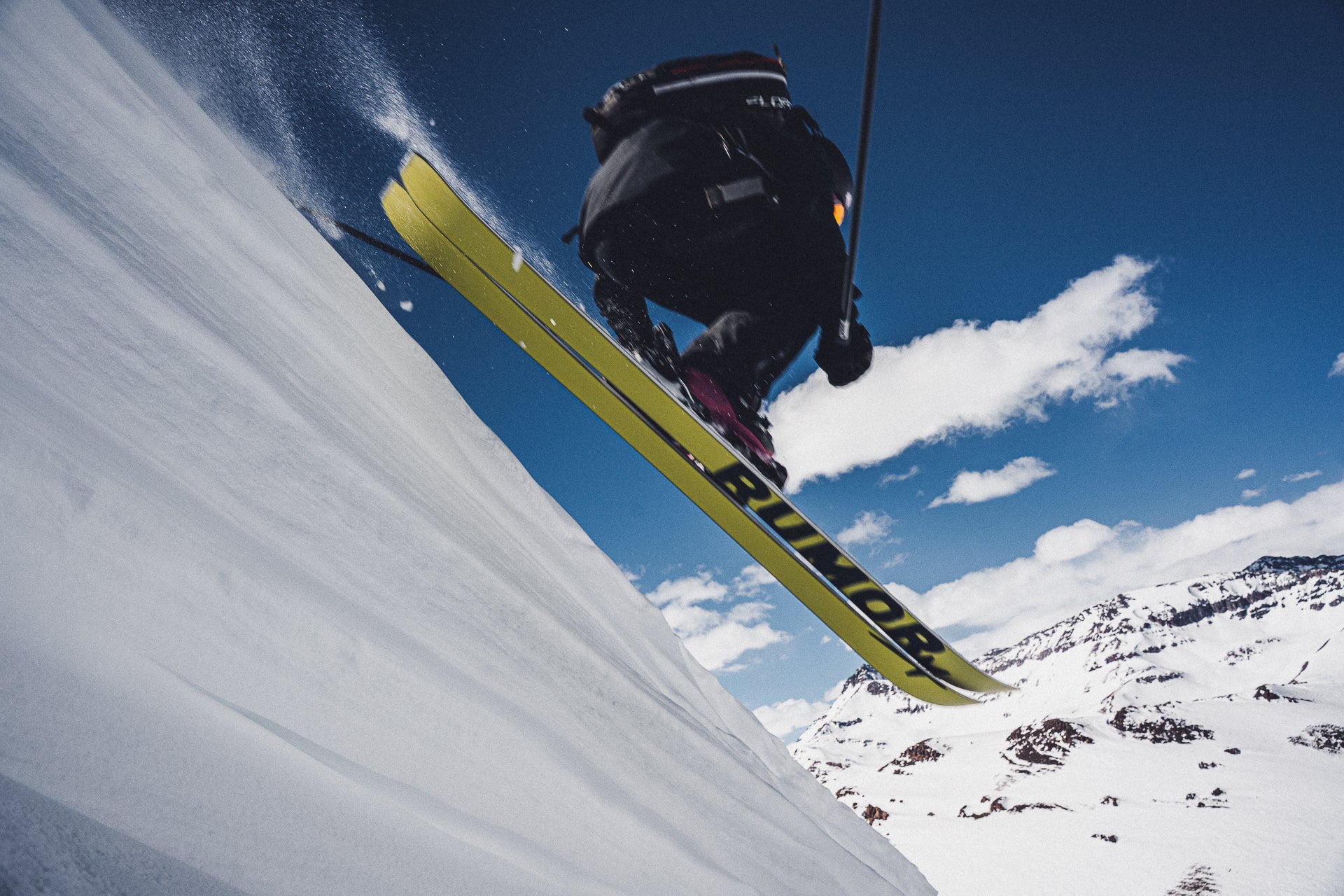
The launch of Rumor on October 20, 2026, follows a tumultuous period for women-focused winter sports brands. Earlier in the year, Coalition Snow—widely recognized as a pioneer in the women-specific ski and snowboard market—ceased operations, leaving a significant void in a niche that has struggled for decades to find stable commercial footing.
The historical trajectory of women-specific ski gear dates back to the 1980s, when U.S. Ski and Snowboard Hall of Fame inductee Jeannie Thoren first identified that standard ski equipment, designed primarily around the biomechanics of male athletes, placed female skiers at a structural disadvantage. Thoren’s advocacy led to the first generation of women’s skis, which featured modified mounting points and softer flex patterns to compensate for differences in average height, weight, and center of gravity.
However, over the ensuing decades, the industry experienced significant fluctuations. Many mainstream manufacturers adopted a "shrink it and pink it" approach, offering shorter, lighter, and visually distinct versions of men’s models without fundamentally altering the engineering to match female biomechanics. In recent years, as profit margins tightened and market research yielded mixed consumer sentiment, numerous legacy brands abandoned dedicated women’s lines altogether, transitioning instead to unisex inventory in shorter lengths. Industry analysts note that this shift was largely driven by production economies of scale rather than consumer demand, leaving many female skiers feeling underserved by equipment that failed to provide adequate stability, edge hold, or power at higher speeds.
Supporting Data and Biomechanical Analysis
Dailey’s approach with Rumor is rooted in a critical re-evaluation of ski biomechanics, particularly concerning the anatomical differences between male and female skiers. According to Dailey, previous iterations of women’s skis frequently incorporated overly aggressive, short sidecut radii under the assumption that female skiers required mechanical assistance to initiate turns.
However, physiological data indicates the opposite. Because women typically possess a larger Q-angle—the measurement defining the angle between the quadriceps muscle and the patella tendon, stretching from the hip to the knee—they naturally experience an enhanced biomechanical advantage in angulation and turn initiation compared to men with narrower Q-angles. Consequently, designing skis with excessively short sidecuts often resulted in a "hooky" or unpredictable ride, compounding instability issues at high speeds or in variable snow conditions.
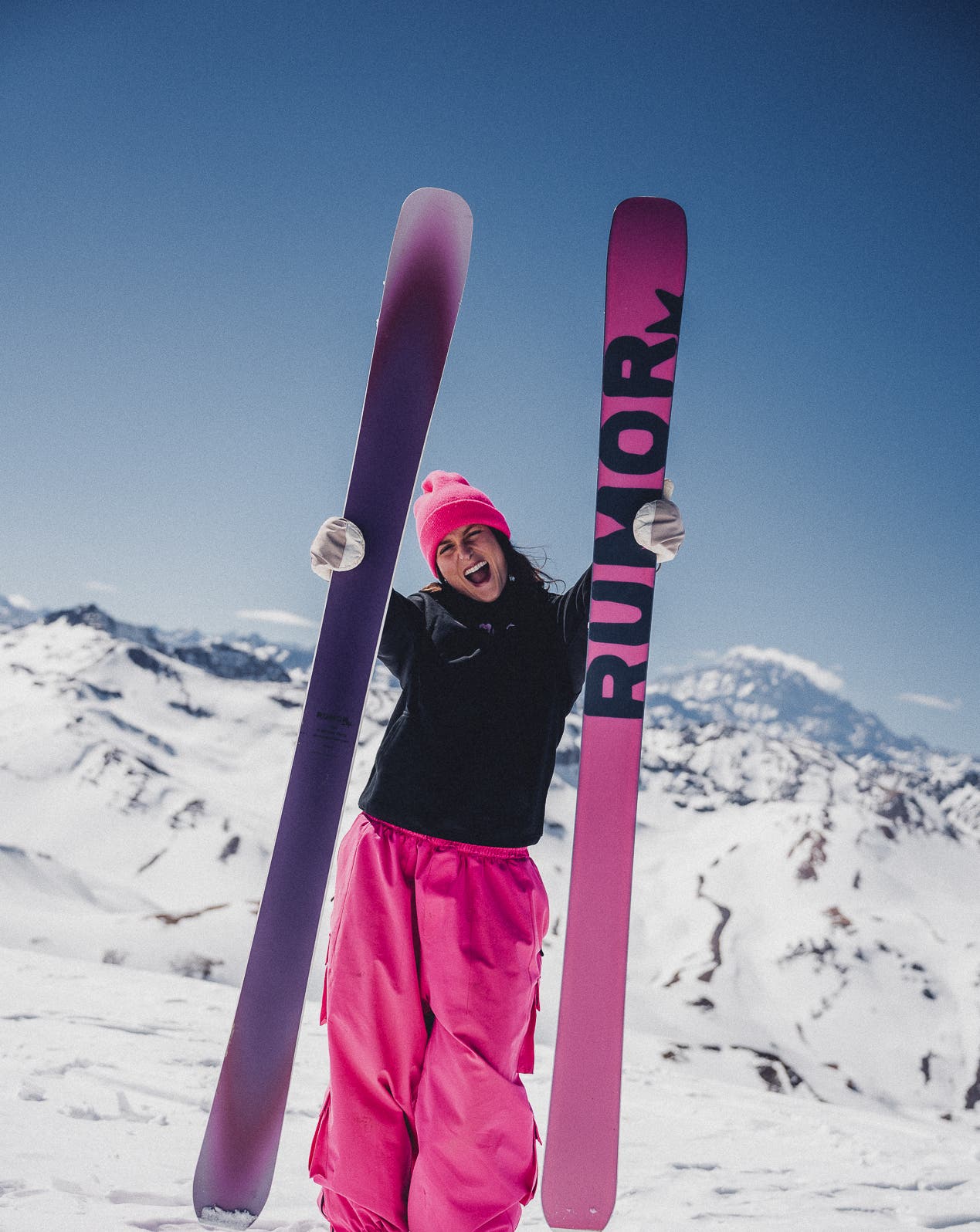
Furthermore, aligning with Thoren’s findings from the 1980s, Rumor incorporates a more forward mounting point on the Debut 102. This adjustment accounts for the average female musculoskeletal structure and lower center of gravity, enabling skiers to maintain a balanced, forward athletic stance over the tips of the skis with greater ease. The inclusion of a 20-meter turn radius, combined with dual layers of Titanal underfoot, provides the torsional rigidity and dampening necessary for aggressive skiing in soft snow and choppy alpine environments, challenging the long-held industry assumption that female skiers inherently prefer or require softer, less responsive equipment.
Official Responses and Consumer Alignment
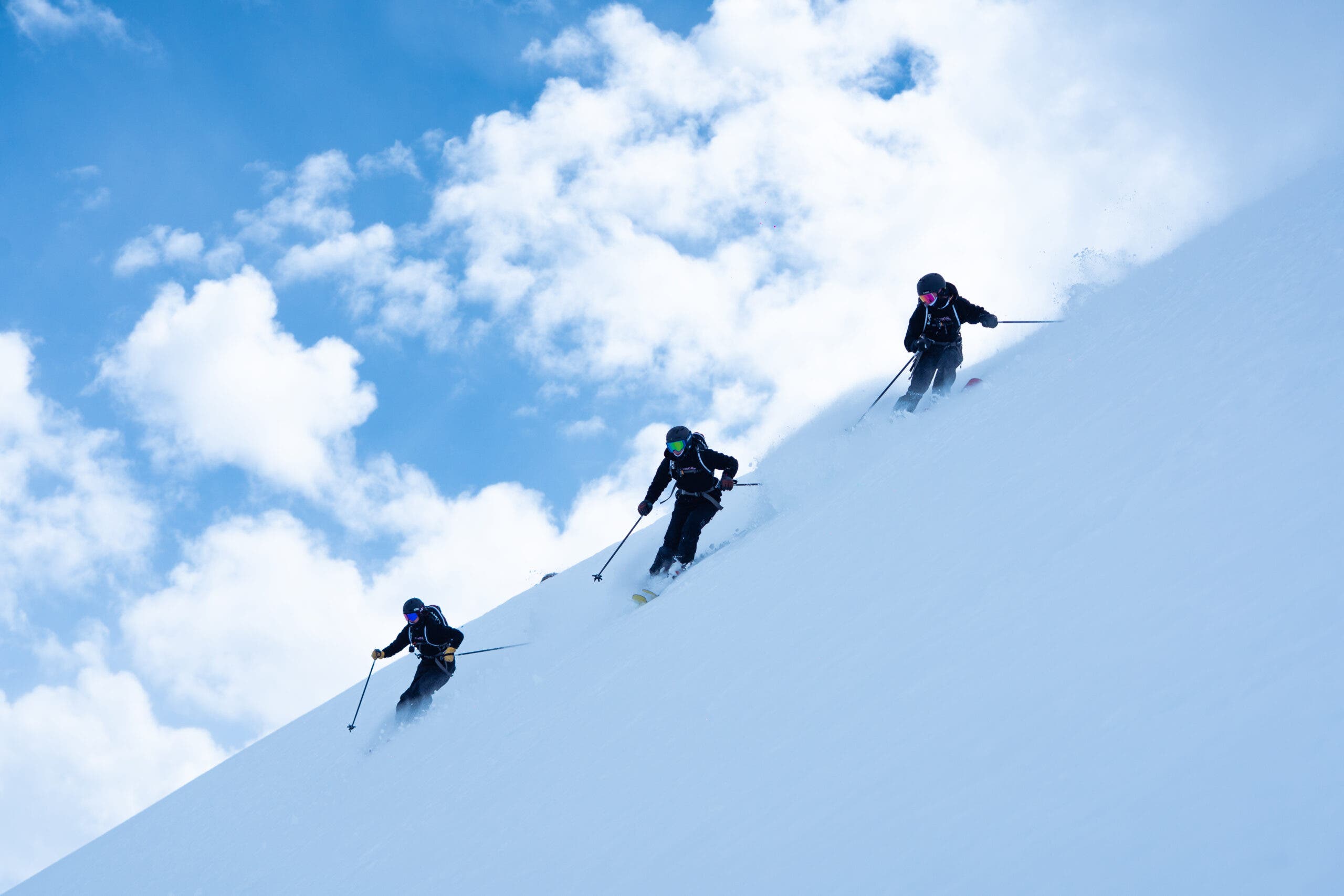
Prior to its public release, the Debut 102 underwent rigorous field testing in demanding conditions, including evaluation by International Freeskiers and Snowboarders Association (IFSA) competitors in Chile. Feedback from these trials highlighted the ski’s stability, fluid turn shape, and capacity to handle high-speed descents without sacrificing playfulness.
Dailey’s professional background bridges disparate industries, encompassing her tenure as a ski coach at Palisades Tahoe, her operational experience as chief of staff for autonomous delivery vehicle manufacturer Coco Robotics—where she gained deep supply chain expertise—and her work as director of operations at Quinn, an audio erotica company centered on female consumers. Across these varied sectors, Dailey identifies a singular, unifying principle: authentic consumer alignment.
"The through-line is that women found what was offered in the typical space totally fake," Dailey notes. "Women see right through that. That’s true of women as consumers in any kind of industry—they want to know that people are making products for them with them in mind."
This philosophy extends beyond structural engineering to visual presentation and consumer transparency. Recognizing that aesthetics play an important role in consumer purchasing decisions, the Debut 102 launches with three distinct topsheet options across its size run, with additional lengths (163cm and 190cm) and future waist widths planned. By offering multiple visual variants per width—a departure from the industry standard of tying a single graphic to a specific model—Rumor aims to provide aesthetic versatility that matches individual consumer preferences.
Broader Impact and Market Implications
The launch of Rumor arrives at a pivotal moment for the snowsports apparatus manufacturing sector. As major legacy brands consolidate their offerings under unisex banners to optimize supply chains and inventory management, the emergence of a dedicated, independent, women-owned brand represents a direct counter-strategy focused on hyper-targeted product authenticity.
Industry analysts suggest that Rumor’s success could influence how larger manufacturers approach product development and market research for female demographics. By proving that a self-funded, independently designed hardgoods brand can successfully enter the market with a high-performance, unapologetically burly ski, Rumor challenges the prevailing commercial narrative that specialized women’s gear is economically unviable.
Moreover, Dailey’s commitment to operational transparency—sharing the iterative design and manufacturing process directly with consumers—establishes a modern framework for brand-consumer trust in the outdoor gear market. As Rumor establishes its footing following its October launch, the brand’s performance will serve as an important indicator of market appetite for uncompromising, biomechanically informed equipment designed specifically for women who demand high-performance standards from their winter gear.

