
Vincent Cotte, a renowned professional BASE jumper and wingsuit pilot affiliated with the elite Soul Flyers team, has captured international attention following a recent, extraordinarily daring flight over unsuspecting hikers in the French Alps. The incident, which occurred at the Station de ski de Saint-Hilaire-du-Touvent in southeastern France, saw Cotte navigate his specialized wingsuit within mere feet of individuals enjoying the mountainous terrain, a maneuver that highlights both the pinnacle of extreme sports and the inherent controversies surrounding proximity flying.
The Unfolding Spectacle: A Flight Through the French Skies
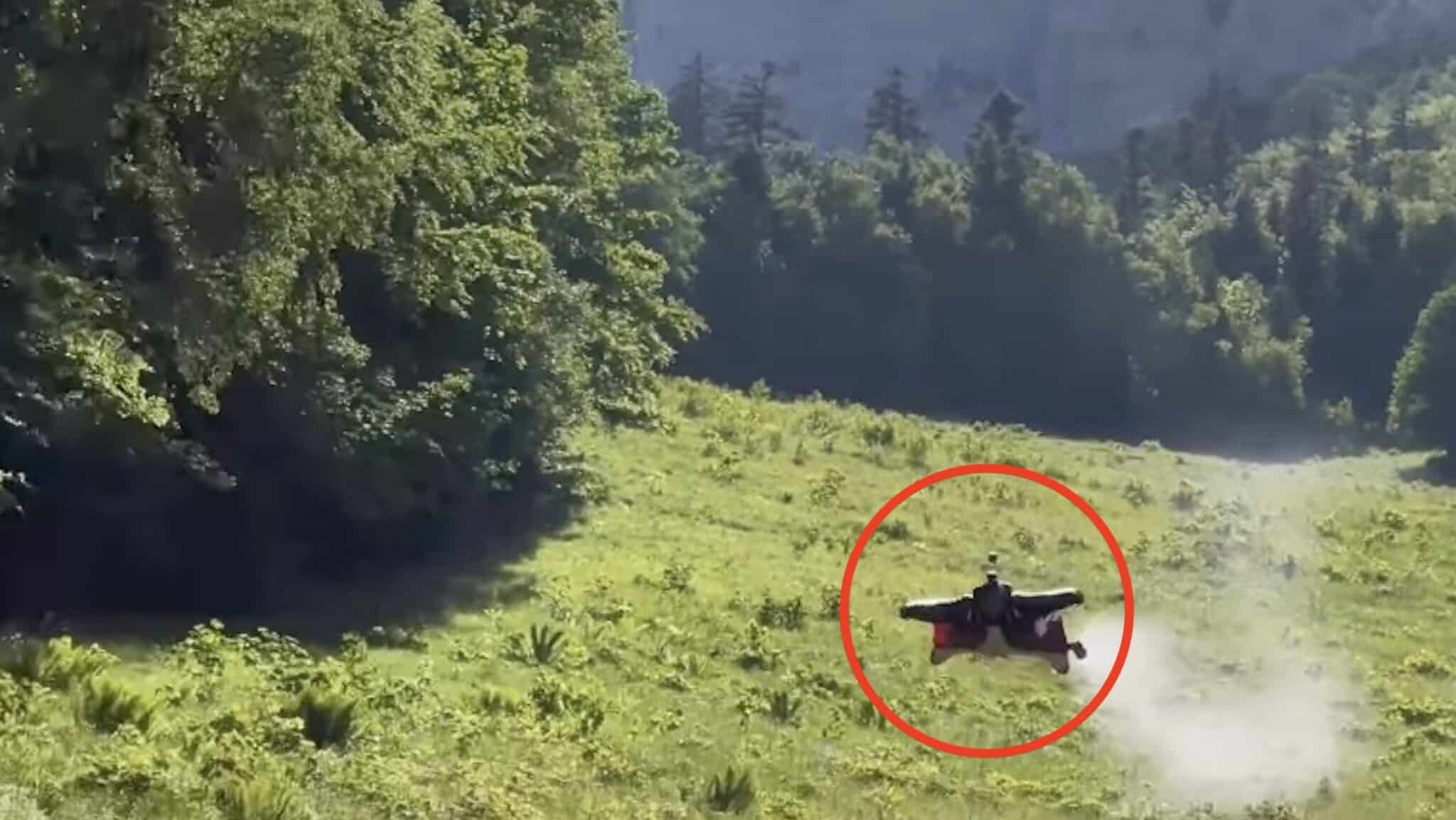
The dramatic footage, widely shared across social media platforms, depicts Cotte launching from a high altitude, likely from the imposing Dent de Crolles peak which dominates the Saint-Hilaire-du-Touvent ski area. As he descended, his flight path intersected with a group of hikers, who were seemingly unaware of the impending aerial spectacle. The wingsuit, designed to generate lift and allow for controlled gliding through the air, transformed Cotte into a human projectile, hurtling past the hikers at considerable speed. The visual impact is profound, emphasizing the scale of the mountain environment and the minuscule presence of the human figures against its grandeur, juxtaposed with the extreme velocity of the wingsuit pilot.
The proximity of the flyby is the most striking element. Observers estimate Cotte passed within an alarmingly short distance – perhaps as little as five to ten feet – of the individuals on the ground. This level of precision flying demands not only exceptional skill and nerve but also an intimate understanding of aerodynamics, wind conditions, and the precise trajectory required to execute such a maneuver safely. The sound generated by the wingsuit, a distinctive whistling or roaring noise, would have been the first audible indication of Cotte’s approach, followed by the startling visual of his rapid descent.
Setting the Scene: The Alpine Canvas
The location of this remarkable feat, Station de ski de Saint-Hilaire-du-Touvent, is significant. This is not a large, commercial resort, but rather a volunteer-run ski area situated on the Plateau des Petites Roches. This region, part of the broader Chartreuse Mountains, is known for its dramatic geological formations, including the aforementioned Dent de Crolles. The plateau offers a unique blend of alpine beauty and accessible terrain, making it a popular destination for outdoor enthusiasts, including hikers and, evidently, extreme sports practitioners. The choice of this specific location underscores the allure of the natural landscape for individuals seeking to push the boundaries of human flight and exploration.
It is crucial to note that the individuals Cotte flew over were not entirely random bystanders. According to observations, they were likely fellow wingsuit enthusiasts or individuals with a deep appreciation for extreme sports. This context is important, as it suggests a shared understanding and perhaps even an anticipation of such aerial displays within certain circles. While the surprise element was undoubtedly present, the presence of experienced individuals on the ground may have mitigated some of the potential shock or danger, as they would likely be more attuned to the risks and nuances of such activities.
Proximity Flying: A Discipline on the Edge
This incident serves as a potent example of "proximity flying," a sub-discipline within wingsuit flying that involves pilots maneuvering their suits at extremely close distances to natural features like cliffs, rock formations, and the ground. This practice is characterized by high speeds, often exceeding 100 miles per hour, and requires an unparalleled level of control and spatial awareness. Proximity flying is, by its very nature, an inherently dangerous activity. The margins for error are infinitesimally small, and even the slightest miscalculation or unexpected gust of wind can have catastrophic consequences.
The allure of proximity flying lies in its ability to offer pilots an almost tangible connection with the landscape, a feeling of soaring through the air with an intimate awareness of the surrounding environment. It is a pursuit that tests the limits of human capability and pushes the boundaries of what is considered possible in aerial sports. However, this pursuit is not without its detractors and significant safety concerns.
The Spectrum of Reactions: A Matter of Perspective
The video of Cotte’s flyby has elicited a wide range of reactions. For many within the extreme sports community, it is viewed as a testament to extraordinary skill, courage, and dedication to pushing the envelope of human flight. They see it as a breathtaking display of mastery over one’s body and the forces of nature. For some of the hikers present, who may have had some familiarity with wingsuiting, the experience would have been awe-inspiring, a rare and unforgettable encounter with the sport at its most intense.
However, the incident also reignites a long-standing debate surrounding the safety and ethics of proximity flying. Critics often point to the inherent risks involved, highlighting the potential for fatal accidents. They question whether the pursuit of such extreme thrills justifies the potential danger to the pilot and, in cases like this, the proximity to others. The very act of flying so close to unsuspecting individuals, even if they are enthusiasts, raises questions about consent and the right to safety in public spaces. While the hikers in this instance were likely aware of the general environment and potential for aerial activity, the specific nature of such a close flyby can still be startling.
Broader Implications and Safety Considerations
The viral nature of this footage brings the topic of wingsuit flying, particularly proximity flying, into the public consciousness. It prompts a broader discussion about the regulation and oversight of extreme sports. While many wingsuit pilots operate with rigorous safety protocols, including extensive training, meticulous planning, and often the use of advanced equipment, the inherent risks of disciplines like proximity flying remain a significant concern for safety advocates and regulatory bodies.
Data on wingsuit fatalities, while not always publicly compiled in a centralized manner, indicate that it is a high-risk activity. Accidents can occur due to a variety of factors, including pilot error, equipment malfunction, unexpected environmental conditions, or collisions with terrain. The pursuit of increasingly daring maneuvers, while captivating to some, necessitates a constant re-evaluation of safety measures and best practices.

It is essential to understand that professional wingsuit pilots like Vincent Cotte typically undergo years of rigorous training, often starting with skydiving and progressing to BASE jumping before specializing in wingsuiting. This journey involves developing an acute understanding of aerodynamics, meteorology, body control, and emergency procedures. The decision to execute a proximity flyby is not taken lightly and is usually the result of extensive reconnaissance of the terrain, detailed flight planning, and a thorough assessment of current conditions.
The Art and Science of Flight
The physics behind wingsuit flight are fascinating. A wingsuit essentially increases the surface area of the human body, allowing it to generate lift and glide through the air. By extending the arms and legs, pilots can control their direction and speed, much like a bird. The concept of proximity flying takes this control to an extreme, requiring pilots to constantly adjust their body position to maintain a precise flight path relative to the surrounding environment. This often involves maneuvering through narrow gaps and flying at angles that would be considered impossible for conventional aircraft.
The data captured by Cotte’s helmet camera, or any other recording device, provides invaluable insights into the pilot’s perspective. It allows observers to appreciate the sheer speed, the dynamic changes in the landscape, and the split-second decisions being made. The visual representation of the ground rushing by, the sheer scale of the cliffs, and the smallness of the hikers serve as a stark reminder of the immense forces at play.
Future Outlook and Continued Debate
As wingsuit flying continues to evolve, so too will the discussions surrounding its inherent risks and rewards. Incidents like this serve as a catalyst for dialogue, prompting considerations of how to balance the pursuit of extreme human achievement with the paramount importance of safety. For Vincent Cotte and the Soul Flyers, this flight represents a remarkable achievement in their sport. For the wider public, it is a glimpse into a world where human ambition and the raw power of nature converge in a breathtaking, albeit potentially perilous, dance. The continued existence of such daring maneuvers will undoubtedly fuel ongoing debates about the future of extreme sports and the boundaries of human endeavor.
This event underscores the dual nature of extreme sports: they inspire awe and admiration for human capability while simultaneously raising critical questions about risk management and public safety. The legacy of this particular flight will likely be debated within the wingsuit community and beyond, serving as a case study in the ever-evolving landscape of aerial adventure.

