
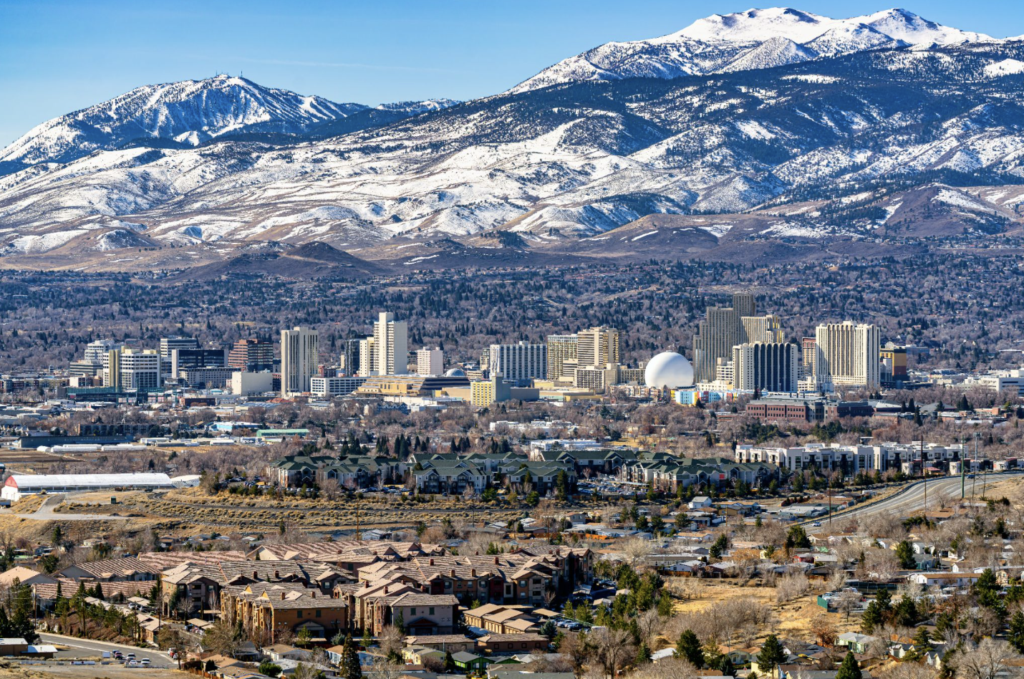
The city of Reno, Nevada, has reached a significant milestone in its transition toward a sustainable energy infrastructure with the recent advancement of the Trego Battery Energy Storage System (BESS). This 200-megawatt project, situated in a region increasingly defined by its commitment to renewable resources, is designed to capture and store clean energy for deployment during periods of peak demand. By mitigating the inherent intermittency of renewable sources like solar and wind, the Trego BESS is projected to provide enough power to support approximately 68,000 households, effectively stabilizing the local grid and reducing the community’s reliance on fossil-fuel-based "peaker" plants.
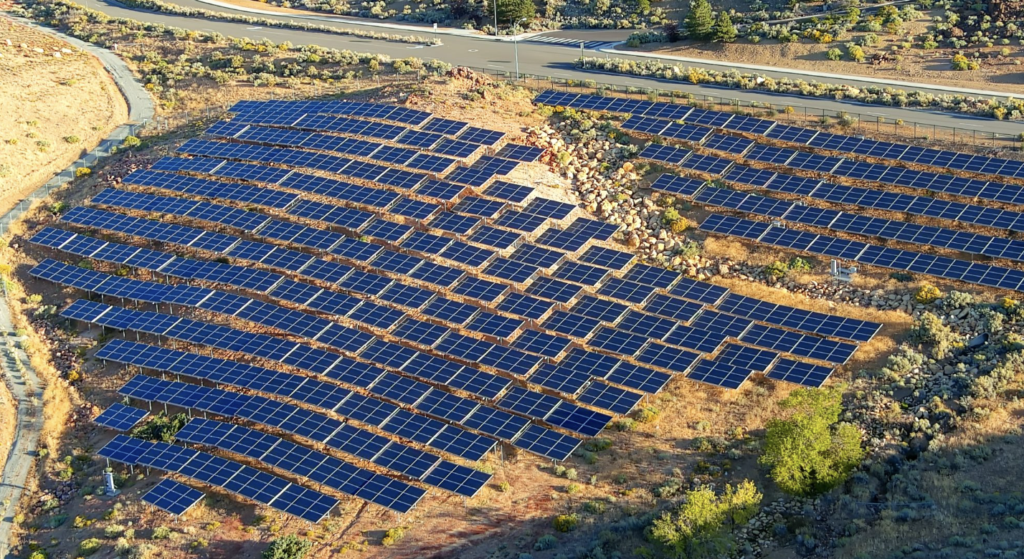
The approval of the Trego project comes at a critical juncture for the state of Nevada, which has set ambitious climate goals, including a Renewable Portfolio Standard (RPS) that mandates 50 percent of the state’s electricity come from renewable sources by 2030, with a long-term goal of zero carbon emissions by 2050. As the state expands its solar capacity, the need for large-scale storage has become a primary logistical hurdle. The Trego BESS serves as a vital component of this broader strategy, ensuring that the abundance of solar energy generated during the day is not wasted but instead remains available for the evening hours when residential and commercial demand surges.
Technical Specifications and Economic Impact
The Trego BESS is characterized by its use of Lithium Iron Phosphate (LFP) battery technology. Unlike traditional lithium-ion batteries that utilize cobalt and nickel, LFP batteries are increasingly favored in large-scale utility projects due to their superior thermal and chemical stability. This technology significantly reduces the risk of thermal runaway—a condition where a battery enters an uncontrollable, self-heating state—making it a safer alternative for installations located near populated areas or sensitive ecosystems. Furthermore, LFP batteries offer a longer lifecycle, allowing for more charge and discharge cycles before the system’s capacity begins to degrade.
The economic implications of the project are substantial. According to industry analysis and data provided by project proponents, large-scale battery storage initiatives can generate significant local economic activity. For every 5 megawatts of capacity, these projects are estimated to stimulate approximately $14 million in economic impact through a combination of construction jobs, long-term maintenance roles, and increased tax revenue for local municipalities. With a 200-megawatt capacity, the Trego project represents a massive infusion of capital into the Washoe County economy, providing a blueprint for how clean energy infrastructure can serve as an engine for regional growth.
The Role of Grassroots Advocacy and Scientific Expertise
The successful advancement of the Trego BESS was not a foregone conclusion. Infrastructure projects of this scale often face significant hurdles during the public hearing and permitting phases, frequently due to "Not In My Backyard" (NIMBY) sentiments or general apprehension regarding new technologies. In Reno, however, the project saw a concentrated effort from local advocates and the scientific community to bridge the information gap.
Dr. Anne Nolin, a Snow Hydrologist and Professor in the Geography Department at the University of Nevada, Reno, emerged as a key figure in the advocacy process. As a member of the Science Alliance at Protect Our Winters (POW), Dr. Nolin utilized her academic background to evaluate the project’s environmental and technical merits. Dr. Nolin noted that while she initially held questions regarding the safety and necessity of the installation, a deep dive into the LFP technology and the project’s role in the regional grid convinced her of its necessity.
During public hearings, the discourse was marked by a high level of community engagement. Advocates argued that supporting such infrastructure is a tangible way to address climate change at the municipal level. By testifying in favor of the project, community members signaled to local decision-makers that there is a robust mandate for climate-forward infrastructure. This level of organized support is often cited by urban planners as the deciding factor in whether a project proceeds or becomes mired in years of litigation and delays.
Addressing the "Duck Curve" and Grid Reliability
To understand the necessity of the Trego BESS, one must examine the "duck curve"—a phenomenon in power engineering that illustrates the timing imbalance between peak demand and renewable energy production. In regions with high solar penetration like Nevada, there is often an oversupply of energy during midday when the sun is at its zenith. Conversely, as the sun sets, solar production drops precisely when residential demand increases as people return home and utilize appliances.
Without storage systems like Trego, utilities are forced to ramp up natural gas turbines rapidly to meet this evening spike, which is both expensive and carbon-intensive. The Trego BESS acts as a buffer, soaking up the midday surplus and discharging it during the evening ramp. This functionality not only reduces carbon emissions but also lowers energy costs for consumers by reducing the need for expensive, last-minute energy purchases from the spot market.
Furthermore, the Trego project enhances the resiliency of the Western Interconnection—the wide-area synchronous grid that spans the western United States. As extreme weather events, such as heatwaves and wildfires, become more frequent in the Great Basin, the ability to store energy locally provides a layer of security against grid failures and rolling blackouts.
Chronology of Project Development
The development of the Trego BESS followed a rigorous multi-year timeline common to utility-scale energy projects:
- Site Selection and Feasibility (2022-2023): Engineers and environmental consultants identified the Trego site based on its proximity to existing transmission lines and its minimal impact on local wildlife habitats.
- Environmental Review and Permitting (Late 2023): The project underwent a series of environmental assessments to ensure compliance with state and federal regulations, specifically focusing on soil stability and water usage during construction.
- Public Commentary and Advocacy Phase (Early 2024): This period saw the involvement of organizations like Protect Our Winters and local academic experts. Public hearings were held to address community concerns regarding battery safety and aesthetics.
- Final Approval and Pre-Construction (Mid-2024): Following strong community support and a favorable review of the LFP technology’s safety profile, local governing bodies moved forward with the necessary zoning and building permits.
- Projected Commissioning (2025-2026): The project is expected to begin construction shortly, with the goal of being fully operational and integrated into the Nevada power grid within the next two years.
Broader Implications for the Clean Energy Transition
The Reno win is being viewed by energy analysts as a case study for the rest of the United States. As the nation moves away from coal and gas, the transition is increasingly being decided in city council chambers and county commission meetings rather than just in federal legislative halls. The Trego project demonstrates that when scientific expertise is paired with community organizing, the "fear of the unknown" that often halts technological progress can be effectively managed.
The involvement of the outdoor industry and recreational advocates also highlights a shifting demographic in energy politics. For many in the Reno area, the protection of the local environment is inextricably linked to the stability of the climate. As snowpacks in the Sierra Nevada become more volatile, the push for local carbon reduction becomes a matter of preserving the regional identity and economy, which is heavily reliant on winter tourism and outdoor recreation.
Conclusion and Future Outlook
The Trego Battery Energy Storage System represents more than just a collection of batteries; it is a critical link in the chain of a modernized, decarbonized electrical grid. By providing 200 megawatts of reliable storage, the project secures a cleaner future for 68,000 households and reinforces Nevada’s position as a leader in the renewable energy sector.
As other communities across the country look to replicate Reno’s success, the lessons learned from the Trego approval process—transparency, the use of safer LFP technology, and the active participation of local scientists—will likely serve as the gold standard for clean energy advocacy. The transition to a sustainable future requires not only technological innovation but also the social and political will to build the necessary infrastructure in a way that is safe, economically beneficial, and community-supported. With the Trego BESS moving toward completion, Reno has taken a decisive step in proving that local action remains the most effective tool in the global effort to mitigate climate change.

