
Rusty Rustigian has returned to the Northwest Avalanche Center (NWAC) in a pivotal role as Product Manager, bringing with him a wealth of experience from both the nonprofit and technology sectors. His homecoming marks a significant moment for NWAC as it embarks on ambitious new technological initiatives aimed at enhancing avalanche forecasting and safety for backcountry enthusiasts across the nation. Rustigian’s journey back to NWAC is a testament to his enduring commitment to the organization’s mission and his vision for a more integrated and technologically advanced future for avalanche safety.
A Path Back to NWAC: From Volunteer to Visionary
Rustigian’s initial involvement with NWAC began in 2010, a period marked by economic challenges that limited job prospects in Seattle following his relocation. He started as a volunteer, contributing his time and skills to an organization with a lean staff of only two nonprofit professionals at the time. This early dedication and impactful contribution were recognized by NWAC, which eventually created a dedicated position for him. After five years of service, Rustigian transitioned to Bozeman, Montana, where he broadened his professional experience across various roles in both nonprofit management and the technology industry. Nine years later, a strategic initiative by NWAC to overhaul its digital infrastructure brought him back into the fold. His return was catalyzed by his involvement in solving a critical website challenge, ultimately leading to his current leadership position.
The Role of a Product Manager in Modern Avalanche Safety
In his current capacity as Product Manager, Rustigian is at the forefront of developing and managing NWAC’s key technological assets. His responsibilities primarily center on the organization’s mobile application, Avy, and a groundbreaking collaborative website initiative that aims to unify avalanche centers across the United States. This ambitious project is conceptualized as a shared digital infrastructure, enabling avalanche centers to pool resources and develop a cohesive platform rather than maintaining individual, siloed systems. Rustigian likens this to building a "condo complex for avalanche centers" instead of each maintaining its own "single-family home."
A typical day for Rustigian involves extensive coordination with a diverse group of stakeholders, including NWAC staff, design teams, and development partners. The core of his work revolves around strategic decision-making, particularly in prioritizing features and functionalities within the constraints of a limited organizational budget. This requires a delicate balance between innovation and fiscal responsibility, ensuring that NWAC’s technological investments yield the greatest impact for both its users and its operational efficiency. The development of the collaborative website is a complex undertaking, requiring consensus-building and a unified vision among multiple independent avalanche centers, each with its own operational nuances and priorities.
Proud Contributions: Rebranding and Technological Renaissance
Rustigian points to two distinct periods of his tenure at NWAC as particularly significant. The first is the organization’s rebrand, which he spearheaded around 2011. This initiative was more than just a cosmetic overhaul; it was accompanied by extensive outreach efforts that successfully repositioned NWAC as a more accessible, engaging, and desirable organization for the public to connect with and support. This rebrand fostered a sense of community and belonging, significantly increasing NWAC’s visibility and impact within the outdoor recreation community.

More recently, Rustigian expresses immense pride in the current momentum and collaborative spirit driving the development of NWAC’s technological products. He views the ongoing work on the Avy app and the collaborative website as a significant leap forward. The vision behind these projects is to streamline not only forecasting products but also to eliminate the redundancy in content that currently exists across various avalanche centers. This collaborative approach, he believes, is the key to unlocking unprecedented potential for both the end-users who rely on accurate and timely avalanche information, and the dedicated staff who work behind the scenes to provide it.
A Favorite Retreat and a Lifelong Lesson
When asked about his favorite place within NWAC’s operational zones, Rustigian identifies the Snoqualmie Pass zone, citing its abundance of "hidden gems." While he notes it has been some time since he’s had the opportunity to explore it extensively, the area holds a special appeal for its unique and often overlooked backcountry terrain.
His advice to every backcountry user is rooted in a profound lesson learned over a decade ago from Scott Schell, a seasoned avalanche professional. Schell’s wisdom emphasized the unpredictable nature of persistent weak layers in snowpack. "Persistent Weak Layers are truly so unpredictable and as uncertainty increases, your terrain choice should become equally conservative," Rustigian recalls. This framing has been instrumental in shaping his approach to avalanche safety, helping him avoid the temptation to "outsmart the problem" and instead prioritize conservative decision-making when conditions are uncertain. This principle underscores the importance of humility and respect for the dynamic nature of the mountain environment.
The Future of Avalanche Safety: Technology and Collaboration
Rustigian’s excitement for the future of NWAC and avalanche safety is palpable, largely driven by the technological advancements currently underway. He sees vast opportunities to not only enhance forecasting products but also to create efficiencies by consolidating redundant content across different avalanche centers. The vision for a unified platform, he explains, is what truly energizes him. This collaborative effort, coupled with the tangible products that will emerge, holds immense potential to benefit both the public and the professionals dedicated to avalanche safety.
The integration of technology is seen as a critical component in making avalanche information more accessible, digestible, and actionable. This includes the development of intuitive mobile applications and comprehensive web platforms that can serve a wider audience, from experienced professionals to novice backcountry enthusiasts. The goal is to democratize access to critical safety information, thereby reducing the incidence of avalanche-related accidents.
Memorable Days on Snow: Community and Connection
Reflecting on the past season, Rustigian highlights a particularly memorable period in February. He emphasizes that for him, modern backcountry experiences are as much about the people, the place, and the community as they are about the act of skiing or snowboarding. During this time, he hosted a series of visitors, sharing some of his favorite locations under what he describes as "world-class conditions." The experience of sharing these special places and witnessing his guests’ appreciation for the environment that he calls home was profoundly meaningful. This sentiment underscores the interconnectedness of the backcountry community and the shared passion that binds its members.
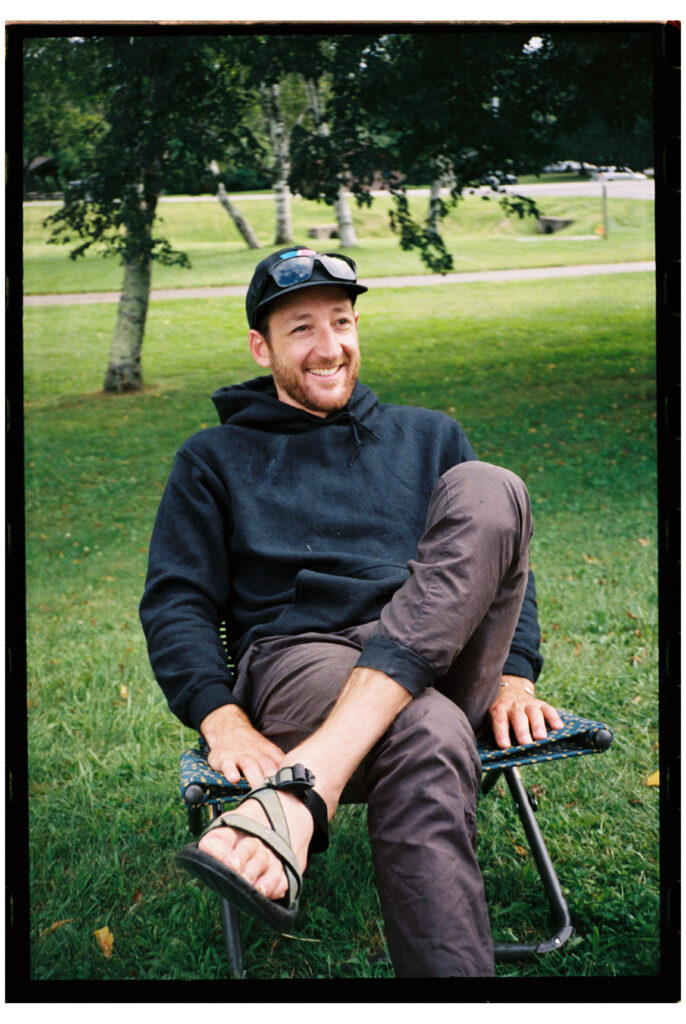
These experiences are invaluable for fostering a deeper understanding and appreciation of the mountain environment. They serve as powerful reminders of why individuals dedicate themselves to avalanche safety and the importance of preserving these natural spaces for future generations. The shared joy and connection experienced on snow contribute to a stronger sense of community and a collective commitment to responsible outdoor recreation.
Broader Impact and Implications
The initiatives spearheaded by Rusty Rustigian at NWAC have far-reaching implications for avalanche safety across the United States. The development of a unified digital platform for avalanche centers represents a significant step towards national standardization and improved data sharing. This could lead to more consistent forecasting models, enhanced research capabilities, and a more cohesive approach to public education on avalanche risks.
The success of the Avy mobile application and the collaborative website could serve as a model for other outdoor recreation organizations seeking to leverage technology to improve safety and accessibility. Furthermore, Rustigian’s emphasis on conservative terrain selection, rooted in the unpredictable nature of persistent weak layers, reinforces a crucial tenet of avalanche safety education. By promoting this principle, NWAC contributes to a culture of risk mitigation that prioritizes awareness and caution.
The continued investment in technological innovation by NWAC, under Rustigian’s guidance, signals a forward-thinking approach to addressing the evolving challenges of backcountry safety. As climate change continues to influence snowpack stability and weather patterns, adaptive and technologically advanced solutions will become increasingly vital. NWAC’s commitment to these advancements positions it as a leader in the field, ensuring that essential safety information remains accessible and effective for all who venture into the winter wilderness.

