
The European continent is currently grappling with a relentless and record-breaking heatwave that has triggered a dual environmental crisis, accelerating the disintegration of Alpine glaciers and fueling catastrophic wildfires across the Pyrenees. As of July 9, 2026, meteorologists warn that the current thermal event, the third major heatwave to strike the region since May, may become the longest-duration high-temperature period in recorded history for the mid-summer season. With temperatures in northern and western Switzerland soaring to 35°C and the zero-degree isotherm—the altitude at which temperatures drop below freezing—climbing above 4,000 meters, the ecological and structural integrity of the high Alps is under unprecedented strain. Simultaneously, in the southern reaches of the Pyrenees, French authorities are battling a massive wildfire that has already displaced thousands of residents and tourists, casting a shadow over major international events including the Tour de France.
A Summer of Successive Extremes: The 2026 Chronology
The current crisis is not an isolated event but the culmination of a volatile spring and summer. The 2026 season began with an anomalous heat spike in May, which depleted much of the seasonal snowpack weeks earlier than the historical average. This was followed by a sustained period of high pressure in June, which further primed the landscape for the current July emergency. According to MeteoSuisse, the Swiss national weather service, the current heatwave is projected to last at least another ten days, marking a significant departure from the typical short-lived "heat spikes" of previous decades.
In the southern Alps, particularly in the Ticino region and the valleys of Locarno, the heat has been intense since early July. On July 5th, Locarno recorded a daily high of 34°C, eclipsing a record of 33.6°C that had stood since 1952. This trend of breaking decades-old records has become a hallmark of the 2026 season. Meteorologists note that the lack of nighttime cooling is exacerbating the situation; minimum temperatures in urban areas are hovering between 15°C and 23°C, as the "urban heat island" effect prevents the dissipation of thermal energy, leading to sustained physiological stress for residents and the environment alike.
The Disintegration of the Alpine Cryosphere
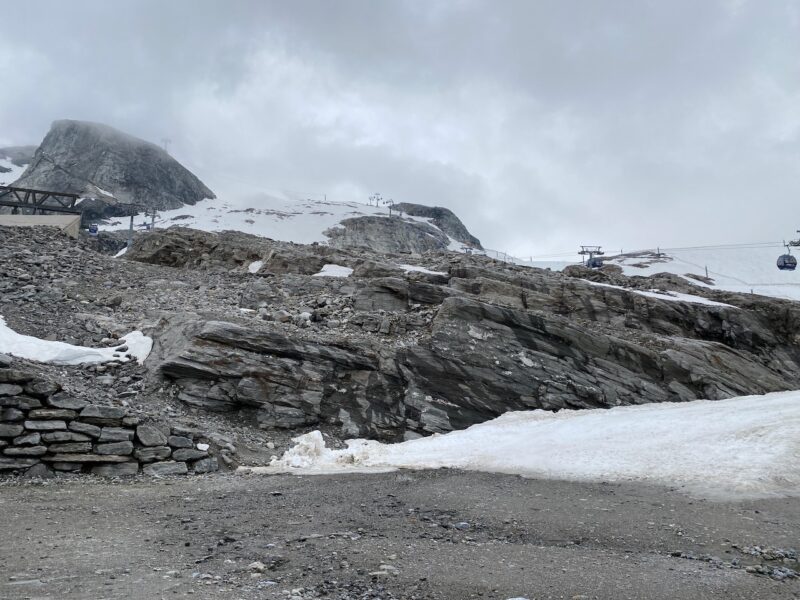
The most visible and alarming impact of this prolonged heat is the rapid deterioration of the Alpine glaciers. For the few summer ski areas still attempting to operate, such as Hintertux in Austria and the high-altitude slopes of Switzerland, the conditions have become marginal. The "freezing level" remaining above 4,000 meters means that even the highest peaks in Europe are experiencing melting conditions 24 hours a day.
Glaciologists monitoring the Rhone Glacier have reported staggering data: in the last 14 days alone, some sections of the glacier have lost nearly 1.5 meters of vertical ice thickness. The primary driver of this accelerated loss is the early disappearance of the protective winter snow cover. Typically, white snow reflects a significant portion of solar radiation (the albedo effect). However, with the snow gone, the darker, ancient "firn" and glacial ice are exposed. This darker surface absorbs more heat, creating a feedback loop that hastens the melting process.
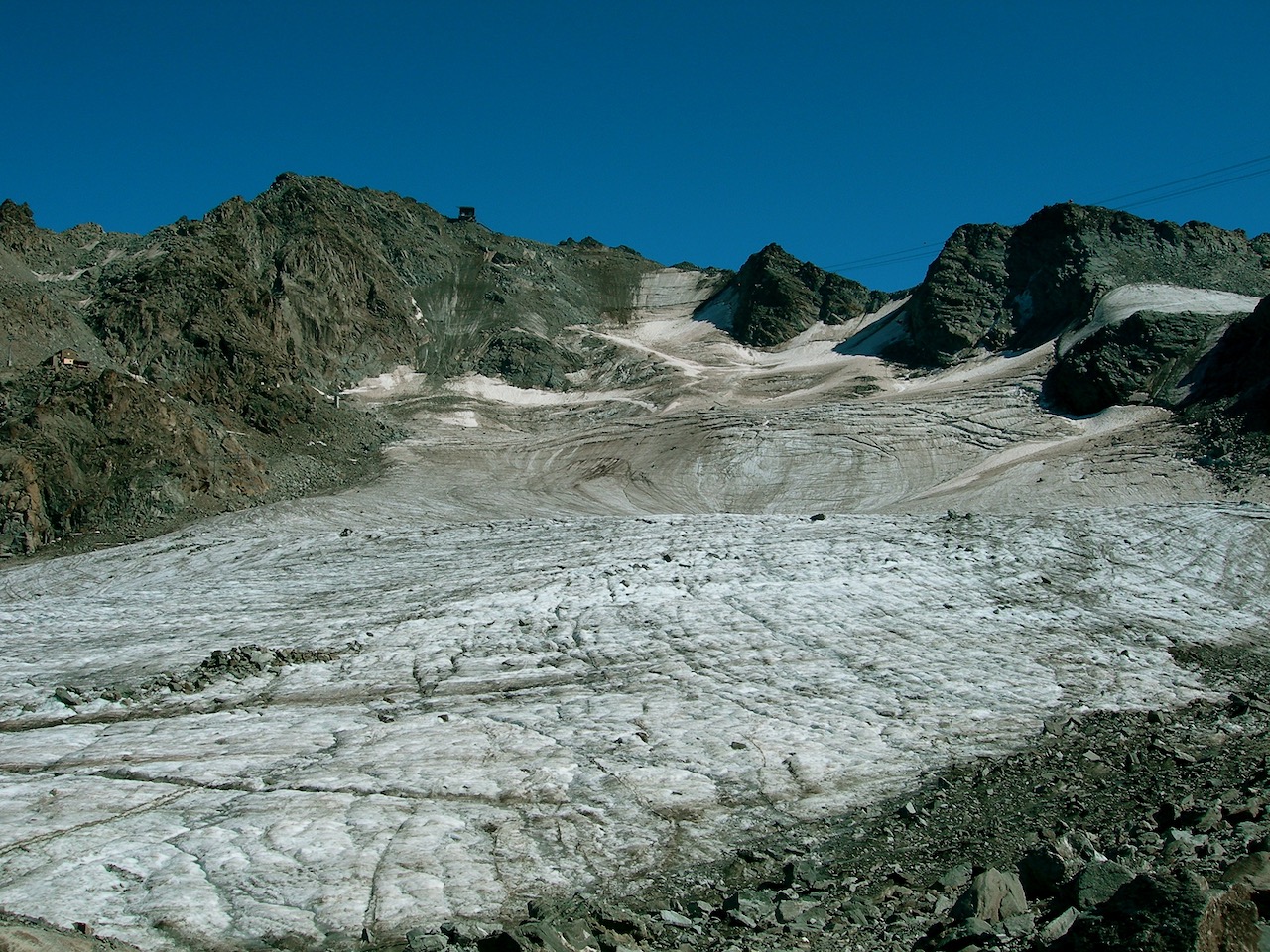
Researchers emphasize that the loss of these glaciers represents more than just the end of summer skiing. The glaciers of the Alps serve as the "water towers of Europe," storing water in the winter and releasing it slowly throughout the summer to feed major river systems like the Rhone, the Rhine, and the Po. The Intergovernmental Panel on Climate Change (IPCC) has previously warned that the loss of these frozen reservoirs threatens the water security of mountain communities and the millions of people living in downstream basins who rely on glacial runoff for agriculture, power generation, and drinking water.
Crisis in the Pyrenees: Wildfires and Human Displacement
While the Alps face a watery retreat, the Pyrenees are facing a trial by fire. In the Pyrénées-Orientales department of southern France, a massive wildfire has been raging since Saturday, July 4th. The blaze has already consumed 4,600 hectares of forest and scrubland, fueled by a combination of extreme heat, low humidity, and erratic winds.
The human toll has been significant, with French authorities ordering the evacuation of approximately 10,000 people, including residents of local villages and tourists staying in popular summer campsites. Interior Minister Laurent Nuñez, speaking on the French television station TF1, described the situation as a "deteriorating battle," noting that while firefighting crews are working around the clock, the atmospheric conditions remain heavily skewed in favor of the fire’s progression.
The wildfire has also disrupted one of the world’s most prominent sporting events: the Tour de France. Spectators were urged to stay away from the conclusion of the third stage on Monday to ensure that emergency vehicles had unhindered access to the disaster zone. The stage, a grueling 121-mile route from Granollers in Spain to the French ski resort of Les Angles, took place against a backdrop of smoke-filled skies, highlighting the intersection of global climate trends and cultural traditions.
Scientific Monitoring and the Waterwise Project
In response to these accelerating changes, international scientific collaborations have intensified. One such initiative is the Waterwise Project, a transnational effort aimed at modeling the future of Alpine water resources. The project has established pilot sites, such as the Contamines-Montjoie Nature Reserve near the French side of Mont Blanc, to collect high-resolution data on headwater catchments.
These catchments are the high-altitude streams that provide the initial flow for Europe’s major rivers. By studying how these small streams respond to extreme heat and glacial retreat, scientists hope to predict how water availability will shift under various climate scenarios. The preliminary data from 2026 suggests that the vulnerability of these systems is higher than previously estimated, as the "buffering" effect of glacial meltwater may soon reach a tipping point where the glaciers are too small to sustain river flows during dry periods.
Public Health and Infrastructure Warnings
The Swiss government has maintained Level 3 heatwave warnings across much of the country, set to remain in place until at least July 13th. A Level 3 warning indicates a "significant risk" of health problems and physical discomfort for the general population, with heightened risks for vulnerable groups such as the elderly, children, and those with pre-existing respiratory or cardiovascular conditions.
Health officials have issued strict guidelines, recommending a minimum daily intake of 1.5 liters of unsweetened, non-alcoholic fluids and advising the public to avoid physical exertion during the peak heating hours between 11:00 AM and 6:00 PM. The strain on infrastructure is also becoming apparent, as energy grids face increased demand for cooling and rail networks monitor tracks for potential heat-related warping.
Analysis: The Broader Implications of the 2026 Heatwave
The events of July 2026 serve as a stark reminder of the warming trend that has seen Europe heating up faster than any other continent over the past three decades. The convergence of glacial loss in the North and catastrophic fires in the South illustrates the multifaceted nature of the climate crisis.
For the Alpine tourism industry, the implications are existential. Resorts like Saas-Fee, which plans to open for summer skiing on July 18th, are facing a future where the season may become increasingly unviable. The economic shift will require a total reimagining of mountain tourism, moving away from snow-dependent activities toward "green" summer tourism, though even this is threatened by the increased risk of forest fires and heat stress.
Furthermore, the environmental degradation of the Alps and Pyrenees has profound ecological consequences. Ancient ecosystems are being displaced as alpine flora and fauna struggle to migrate to higher, cooler altitudes that no longer exist. The rapid melting of permafrost in the high peaks also increases the risk of rockfalls and landslides, threatening the safety of hikers, climbers, and high-altitude infrastructure.
As the heatwave continues into its second week, the focus remains on immediate disaster management—containing the Pyrenees fires and protecting public health. However, the data gathered during this historic July will likely provide the foundation for future climate policy and adaptation strategies across the European Union. The 2026 heatwave is no longer just a weather event; it is a transformative moment for the European landscape and its inhabitants. Authorities and scientists continue to monitor the situation closely, with updates expected as the high-pressure system remains entrenched over the heart of the continent.

