
The planning of a winter sports holiday has long been fraught with the uncertainty of meteorological conditions, leaving many enthusiasts to rely on anecdotal evidence or unreliable forecasts. However, new research released on October 21, 2026, by ski holiday specialists Inghams Ski offers a data-driven approach to selecting a destination. By moving beyond simple snowfall metrics, the study provides a comprehensive index of 133 Northern Hemisphere ski regions, establishing a "Reliable Ski Score" based on seven seasons of historical performance. This initiative represents a significant shift in travel intelligence, aiming to mitigate the risks of "snow drought" and infrastructure failure that have plagued previous winter seasons.
The Methodology Behind the Reliability Index
Most conventional rankings of ski resorts focus exclusively on seasonal snowfall totals. While snowfall is a critical component, Inghams Ski’s analysis acknowledges that a successful holiday requires more than just depth of powder; it requires functional, consistent operations. The researchers constructed a scoring system out of 100, which evaluates resorts based on a synthesis of five distinct factors: historical snow depth, lift operational consistency, slope accessibility, temperature stability, and the reliability of snowmaking infrastructure.
The study analyzed data from the winter seasons spanning 2017/18 through 2025/26. To ensure the integrity of the findings, the researchers excluded the 2019/20 and 2020/21 seasons, which were heavily distorted by global travel restrictions and premature resort closures due to the COVID-19 pandemic. By isolating the data to seven complete, "normal" operating seasons, the report provides a robust baseline that reflects the current reality of Alpine climate volatility.
Top-Ranked Destinations: A Continental Overview
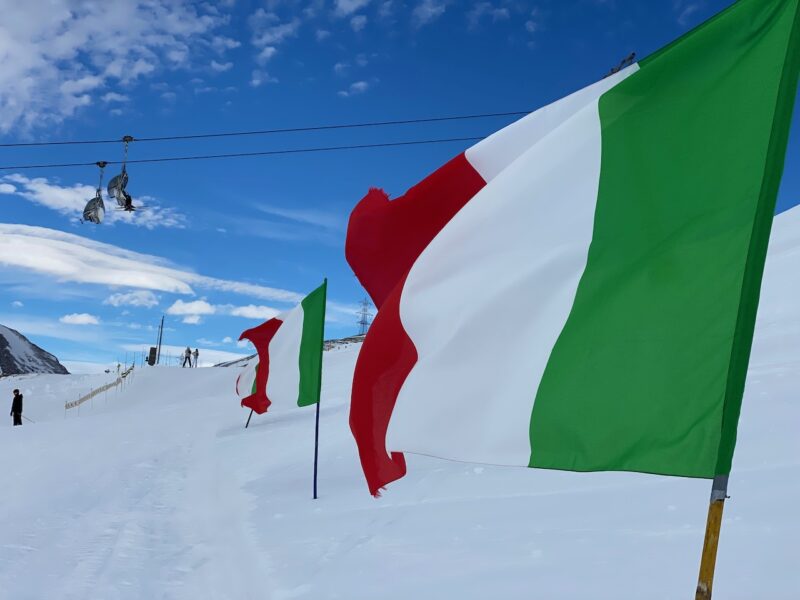
The findings place the Italian resort of Pontedilegno-Tonale at the top of the European rankings with an impressive score of 93.1/100. Situated between the high-altitude peaks of the Adamello-Presanella range, the resort’s geographic positioning allows for a prolonged season and consistent conditions that have historically outperformed larger, more famous neighbors.
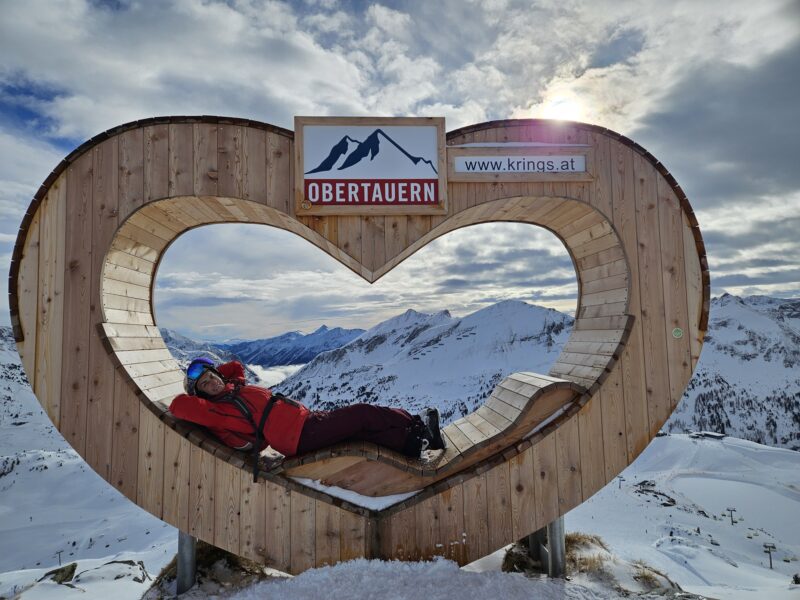
Following closely in second place is Austria’s Obertauern, with a score of 92.9/100. Often cited as one of the snowiest locations in Austria, Obertauern benefits from a unique microclimate and a layout that facilitates a seamless "ski-in, ski-out" experience. The resort’s infrastructure design—integrating accommodation directly onto the piste network—minimizes the logistical friction that often detracts from the skier experience in lower-altitude or more sprawling resorts.
France maintains a powerful presence in the top five, with Les Arcs (92.2), Les 3 Vallées (91.1), and Alpe d’Huez (90.5) occupying the third, fourth, and fifth positions, respectively. These results underscore the dominance of the French Alps in terms of large-scale, high-altitude infrastructure that can withstand fluctuations in seasonal weather patterns.
Regional Dominance and the Alpine Concentration
The data highlights a clear geographical concentration of reliability. France and Austria account for a combined 80% of the top 20 most reliable ski regions in Europe. This trend suggests that for travelers prioritizing guaranteed snow cover and operational uptime, these two nations remain the most strategic choices.
The distribution of the top 20 list is as follows:

- France: 50% (10 resorts)
- Austria: 30% (6 resorts)
- Italy: 15% (3 resorts)
- Spain: 5% (1 resort)
The inclusion of Baqueira-Beret in Spain (ranked 17th) serves as an outlier in an otherwise entirely Alpine-centric list. The absence of Scandinavian or Eastern European resorts in the top 20 does not necessarily imply poor quality, but rather highlights the specific combination of high altitude and massive, interconnected lift systems that characterize the "reliability" metrics defined by the study.
Contextualizing the Need for Data-Driven Travel
The rise of "climate anxiety" among winter sports enthusiasts has become a primary driver for such research. Over the past decade, several winters have been marked by erratic snowfall patterns and unseasonably warm temperatures, leading to early closures and frustrated vacationers. For the travel industry, providing clear, historical evidence is no longer just a marketing tool; it is a necessity for risk management.
Laura Mason, Head of Destinations at Inghams Ski, emphasized that the objective is to remove the "guesswork" from the booking process. "Betting on your chosen ski destination is a common concern," Mason stated. "Our research aims to provide transparency, allowing guests to make informed decisions based on years of empirical data rather than relying on brochures or social media imagery that may not reflect a resort’s long-term consistency."
Implications for the 2026/27 Season
For the upcoming 2026/27 season, the implications of this data are twofold. First, it empowers the consumer to choose destinations that have a statistically proven track record of remaining open. Second, it places pressure on ski regions that currently rank lower on the scale to invest in improved snow-management infrastructure.
As climate patterns continue to shift, the industry is increasingly moving toward "snow-sure" guarantees. Inghams Ski, for instance, has implemented a policy where, if less than 25% of a resort’s planned runs are open due to insufficient snow, they offer a transfer to a nearby, more stable destination at no additional cost. This reflects a broader trend of operators assuming more of the climate risk to maintain consumer confidence.
A Chronology of Changing Expectations
The evolution of the ski holiday market has been rapid. In the late 20th century, travel was driven by altitude and proximity to major hubs. By the 2010s, the focus shifted toward "mega-resorts" and the sheer volume of linked kilometers. In the current era—approaching the late 2020s—the priority has definitively shifted toward reliability.

- 2017–2019: Pre-pandemic period marked by intense investment in artificial snowmaking technology across the Alps.
- 2020–2021: A period of global disruption that halted data collection and forced a re-evaluation of business models.
- 2022–2024: A period of post-pandemic recovery where resorts began focusing on "resilience" as a key marketing pillar.
- 2026: The publication of comprehensive, multi-year longitudinal studies, signaling a transition into a "data-first" era of winter sports tourism.
Economic and Infrastructure Analysis
The high rankings of resorts like Les Arcs and Tignes-Val d’Isère are not accidental; they are the result of decades of multi-million euro investments in high-altitude lift networks. The "Reliable Ski Score" essentially measures the return on these investments. Smaller, lower-altitude resorts that cannot afford such infrastructure are increasingly being marginalized in the competitive market.
Furthermore, the data suggests that the "ski-in, ski-out" model—where the resort is designed for efficiency—is becoming a secondary indicator of reliability. By reducing the reliance on shuttle buses and complex transport links, these resorts are better equipped to handle days with extreme weather where travel might otherwise be restricted.
Future Outlook for Alpine Tourism
As we look toward the remainder of the 2026/27 season and beyond, the dominance of the Alpine regions in this study provides a degree of comfort for the industry, yet the concentration of reliable resorts in a small number of countries presents a potential risk of over-tourism. If all travelers converge on the top 20 destinations, the resulting strain on local infrastructure may necessitate new management strategies, such as capacity limits or reservation systems.

Ultimately, the Inghams Ski research provides a vital snapshot of the current state of European winter sports. While historical data cannot predict the exact weather for a specific week in January or February, it does provide a map of where the most resilient, high-quality, and reliable experiences are located. For the discerning skier, the choice is no longer just about the terrain or the après-ski atmosphere; it is about the statistical probability of a winter experience that lives up to expectations. The shift toward evidence-based travel planning is likely to continue, setting a new standard for how the global tourism industry approaches the inherent unpredictability of the natural world.

