
Before any ski area can aspire to host an international alpine race, from a local FIS event to the prestigious World Cup, World Championships, or even the Olympic Games, its proposed course must undergo a meticulous and comprehensive technical and safety evaluation. This indispensable process, known as homologation, serves as the bedrock of athlete safety and competitive integrity within the demanding world of alpine skiing. It is the official confirmation from the Fédération Internationale de Ski (FIS) that a given course meets the exacting standards required for a specific discipline, ensuring that every turn, jump, and run-out zone is meticulously vetted. Without a valid homologation certificate, a venue simply cannot be sanctioned for a FIS-level competition, underscoring its critical role in the global ski racing calendar. At its fundamental core, homologation is the rigorous determination of whether a mountain slope can provide a safe, fair, and challenging arena for elite international racing, safeguarding athletes while preserving the thrill of competition.
A Legacy of Safety: The Evolution of FIS Standards
The origins of organized ski racing trace back to the early 20th century, with the FIS itself founded in 1924 to govern international skiing competitions. In its nascent years, safety protocols were rudimentary, often left to local organizers, leading to significant variations in course conditions and inherent risks. As alpine ski racing evolved, speeds increased dramatically, and the technical demands placed on athletes escalated, making the need for standardized safety measures paramount. The formalization of homologation by FIS was a gradual but necessary development, driven by a commitment to athlete welfare and the desire for equitable competition. Over decades, the homologation guidelines have been refined and expanded, incorporating lessons learned from accidents, advancements in safety technology, and deeper understanding of biomechanics and physics in high-speed environments. This continuous evolution reflects FIS’s proactive approach to mitigating risks inherent in a sport where athletes hurtle down icy slopes at speeds exceeding 100 km/h. The emphasis shifted from merely defining race rules to meticulously certifying the very terrain upon which these rules are applied, creating a universal benchmark for safety and course quality across diverse geographical locations and challenging topographies.
Discipline-Specific Rigor: Tailoring Safety for Every Race
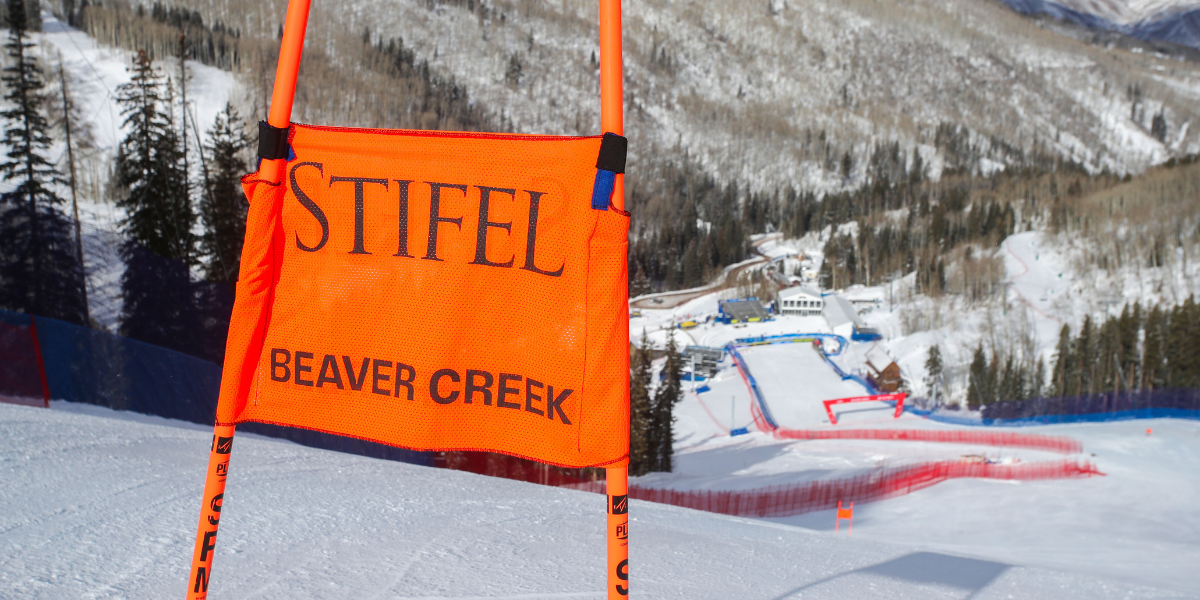
One of the most crucial aspects of FIS homologation is its discipline-specific nature. The FIS does not issue a blanket approval that allows any type of race to be held on a given slope. Instead, each alpine discipline—downhill, super-G, giant slalom, and slalom—requires its own distinct homologation certificate. This granular approach acknowledges the vastly different demands and risk profiles associated with each event. For instance, a downhill certificate covers only downhill races, given the unique requirements for high speeds, extended flight phases, and expansive run-out areas. The same principle applies to super-G, which combines speed with technical turns, and to giant slalom and slalom, which prioritize precision, rhythm, and rapid changes of direction on steeper, often icier gradients.
The validity periods for these certificates also reflect the varying wear and tear, and potential changes, on courses. Speed event certificates (downhill and super-G) typically remain valid for a maximum of five years, recognizing the more dynamic impact of high-speed racing and the greater potential for terrain alteration or degradation over time. Technical event certificates (giant slalom and slalom), by contrast, are valid for up to 10 years, as these courses, while demanding, generally impose less extreme forces on the underlying terrain. This staggered validity necessitates regular re-evaluation, ensuring that courses remain compliant with the latest safety protocols and that any natural or artificial changes to the slope are accounted for. The continuity and integrity of this vital oversight process have been steered since 2014 by Elena Gaja Des Ambrois, the distinguished Chair of the FIS Sub-Committee for Alpine Skiing Courses. Her signature, a mark of ultimate approval, graces every FIS homologation certificate, symbolizing the unwavering commitment to these rigorous standards. As Gaja Des Ambrois herself articulately stated to FIS, "Homologation consists of a full survey conducted by qualified FIS homologation inspectors." These experts meticulously determine whether a slope meets the precise geometric, terrain, and safety requirements specifically tailored for each particular event. Without this bespoke approval, no race on the extensive FIS calendar can proceed.
The Inspector’s Eye: Unveiling Hazards in the Off-Season
While homologation governs winter racing, a significant and counterintuitive aspect of the process is that the majority of course surveys are meticulously completed during the warmer, snow-free months. This seemingly paradoxical timing is, in fact, a deliberate and critical safety measure. Snow, while essential for skiing, can act as a deceptive blanket, concealing a myriad of underlying hazards that could pose serious threats to athletes. By inspecting courses when the terrain is bare, homologation inspectors gain an unobstructed view of the natural and artificial features of the mountain.
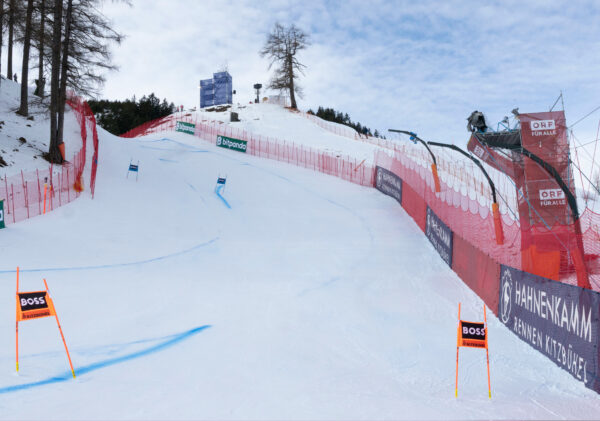
During these extensive summer and autumn surveys, inspectors meticulously search for every potential obstacle. This includes identifying exposed rocks, dense tree lines, the foundations of lift towers, various buildings, intricate drainage structures, and any other natural or artificial impediments that could be encountered during a high-speed fall. Crucially, they also pinpoint the exact locations where essential safety installations, such as A-nets, B-nets, and strategically placed air mattresses, must be installed. A-nets, for instance, are high-strength netting designed to absorb significant impact energy, typically placed in high-speed run-out zones or critical turns. B-nets, while also providing protection, are often used to define course boundaries or protect less critical areas. Air mattresses are strategically positioned at the base of jumps or in areas where a high-impact collision with a fixed object is possible.

The goal is not for resorts to embark on an impossible task of removing every single obstacle from the mountain. Instead, inspectors engage in a detailed assessment of the course’s width, the most probable racing line athletes will take, and the surrounding terrain features. This comprehensive analysis allows them to determine the most effective and practical strategies to prevent athletes from veering into dangerous zones. Often, the survey may uncover necessary pre-approval work that the resort must undertake. This can range from widening specific sections of the course to ensure adequate safety margins, clearing dense vegetation that encroaches on the racing line, removing large boulders or other geological features, or installing permanent protective structures where recurrent hazards exist. This proactive approach, months before the first snowflake falls, is fundamental to creating a genuinely safe racing environment.
Beyond the Slopes: Comprehensive Review of Operations and Emergency Preparedness
The scope of a homologation survey extends far beyond mere terrain assessment; it encompasses a holistic review of the operational and emergency preparedness aspects crucial for hosting international alpine races. The inspector, in close collaboration with the ski area owner or operator, undertakes a thorough walk-through of the entire course. This collaborative examination scrutinizes critical parameters such as course width, gradient changes, terrain undulations, the presence of fixed obstacles, and the proposed comprehensive safety systems. For high-speed events like Downhill and Super-G, the input of the venue’s regular course setter is highly encouraged. This local expertise is invaluable, as the course setter possesses intimate knowledge of the established racing line, typical gate placements, optimal approaches to major turns, and areas where athlete protection is most paramount due to historical fall patterns or high-risk zones.
A vital outcome of this review is the precise determination and official approval of the start and finish locations. These points, critical for accurate timing and course length, may sometimes diverge from the resort’s initial planning, requiring adjustments to align with FIS standards. Furthermore, emergency response protocols form a major pillar of the homologation review. Inspectors meticulously document every facet of the medical evacuation plan: how medical teams would access an injured athlete, the precise method of evacuation (e.g., specialized sled, ambulance, or helicopter), and the logistical pathways to designated medical facilities. This includes recording the exact distance to medical centers, assessing lift access routes for personnel and equipment, calculating travel times from the finish area to the start, and noting other crucial operational details that impact rapid response.
Given the precision required in alpine racing, the survey also thoroughly evaluates the timing infrastructure. This includes examining the placement of timing gates, cabling routes, and the overall reliability of the system. Additionally, inspectors often record environmental factors that could influence race conditions and safety, such as typical wind exposure patterns, potential avalanche risks in specific areas, and average snowfall levels. These details contribute to a comprehensive understanding of the course’s characteristics and inform race-day decisions. Elena Gaja Des Ambrois aptly summarizes the foundational nature of this process: "Homologation is the first ring of the safety chain. We are the first on the course, months before the jury and the TD [Technical Delegate] on race day." This statement highlights the proactive and preventative role of homologation, setting the stage for a safe and fair competition long before athletes even arrive.
A Global Endeavor: Balancing Standards with Local Realities
The task of homologation is a truly global endeavor, reflecting the worldwide popularity of alpine skiing. Annually, FIS issues approximately 450 homologation certificates, a testament to the extensive network of race venues across the continents. While traditional alpine powerhouses such as Austria, France, Italy, Switzerland, and the United States collectively account for a significant portion—roughly 65%—of these annual certifications, the reach of homologation extends far beyond these established regions. Inspectors are actively engaged in surveys across Asia, South America, and other developing ski regions, supporting the growth and expansion of the sport into new markets.
This global footprint, however, presents unique challenges and requires a nuanced approach. A World Cup venue, often backed by substantial financial resources and sophisticated infrastructure, typically has a large budget dedicated to terrain work, advanced safety systems, and ongoing maintenance. In contrast, smaller hills hosting lower-level FIS races or national competitions frequently operate with more constrained resources. This disparity means that homologation inspectors must adeptly identify solutions that not only satisfy FIS safety requirements but are also practical and achievable without demanding unnecessary or unrealistic construction projects. This often translates into a highly collaborative process. Inspectors work closely with local organizers, resort managers, and technical teams to determine the most effective and resource-appropriate protections for a given course. This dialogue ensures that safety measures are optimized for impact while remaining financially viable for the host venue.
Despite this collaborative spirit, the core principle remains non-negotiable: a venue cannot receive final approval until all identified and required safety work is completed to

