
The devastating Cottonwood Fire, which swept through central Utah earlier this summer, has prompted a proactive and community-driven response from Eagle Point Resort. The resort, which sustained significant damage, has announced the establishment of "BeaverTuf," a new 501(c)(3) non-profit organization dedicated to providing crucial support to individuals and businesses impacted by the wildfire and its subsequent aftermath. This initiative aims to bridge the financial gaps that may arise from government aid and insurance claims, offering a direct channel for assistance to those most affected in the Beaver County community.
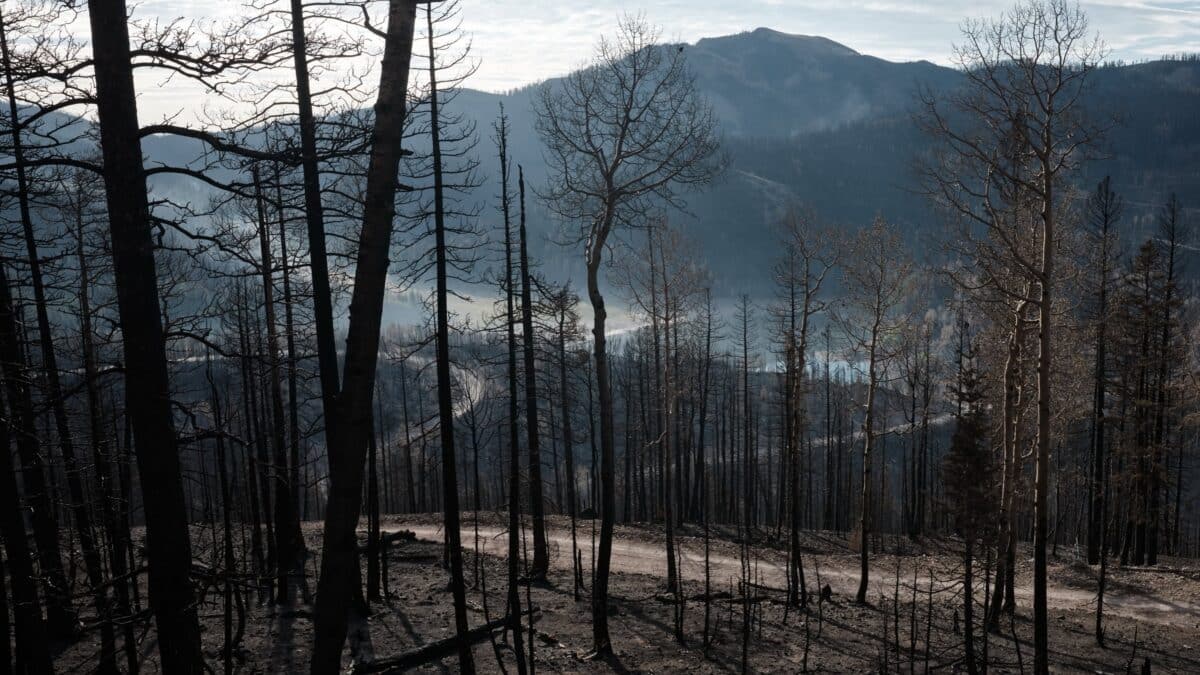
The Cottonwood Fire, which ignited in late June, spread rapidly due to dry conditions and strong winds, consuming thousands of acres and impacting the natural landscape surrounding Eagle Point Resort. While the full extent of the damage to the resort itself is still being assessed, initial reports indicated that approximately half of its skiable terrain suffered charring. Beyond the resort’s infrastructure, the fire’s reach extended to private properties and local businesses, creating a ripple effect of hardship throughout the region.
BeaverTuf’s mission is to offer immediate relief to homeowners and local businesses grappling with the direct consequences of the wildfire. This includes assisting with recovery efforts, temporary housing needs, and the restoration of livelihoods. The non-profit’s establishment by Eagle Point Resort’s owner signifies a deep commitment to the well-being of the entire community, recognizing that the fire’s impact transcends any single entity. While federal agencies like FEMA and insurance providers are expected to contribute to recovery efforts, the founders of BeaverTuf understand that these processes can be lengthy and may not cover every emergent need.
Timeline of Impact and Response
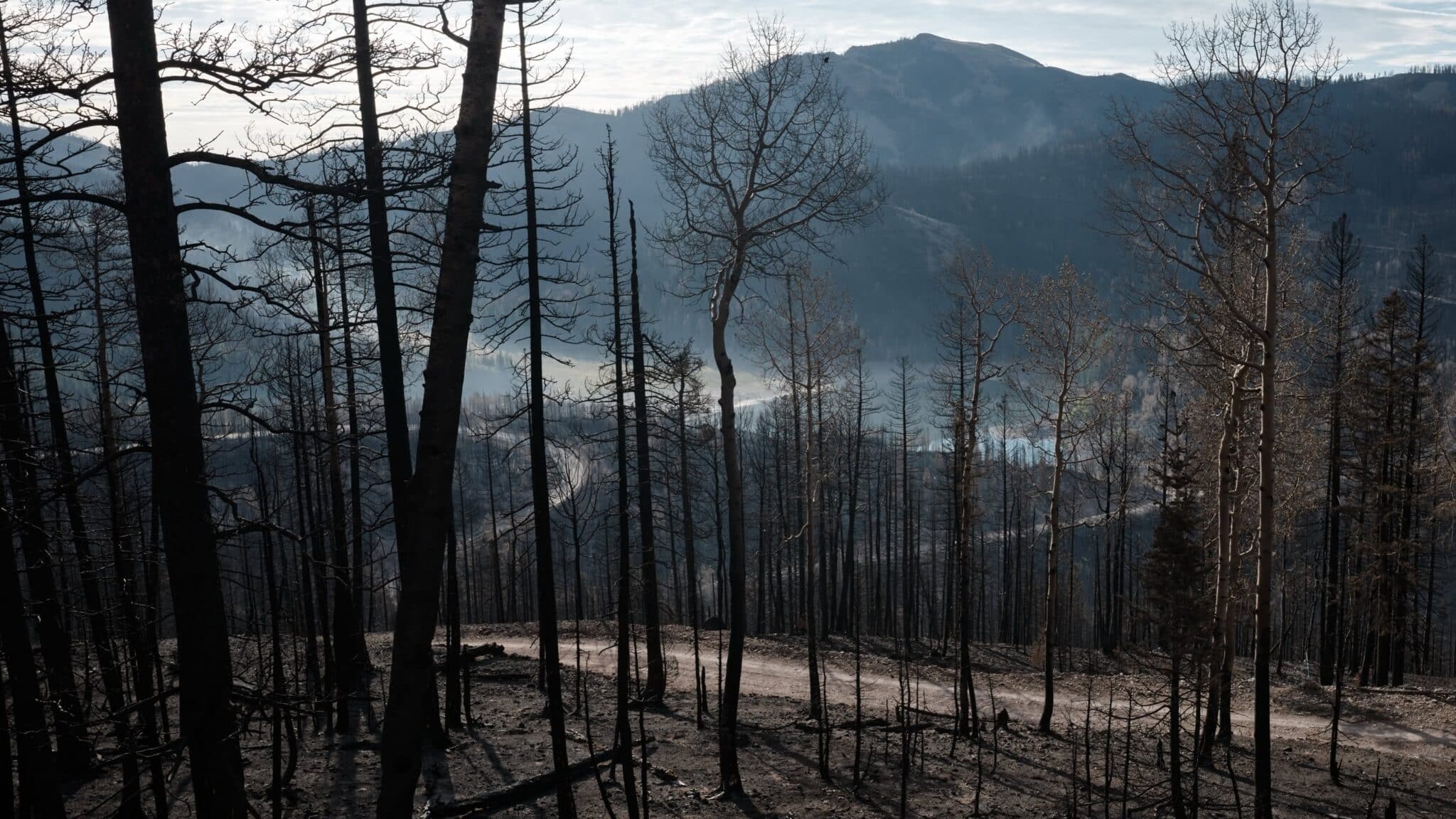
The Cottonwood Fire’s initial outbreak occurred in late June, marking the beginning of a challenging period for central Utah. By early July, the scale of the damage became more apparent, with initial assessments revealing significant impact on the natural environment and local infrastructure. Eagle Point Resort, a cornerstone of the local economy and a popular recreational destination, was directly in the path of the fire, leading to the unfortunate layoff of 13 full-time staff members and affecting the schedules of approximately 100 seasonal workers.
In the wake of the fire’s immediate destruction, the region faced a new threat: severe flash flooding. Fueled by the denuded landscape, which lost its natural water absorption capacity due to the fire, mudslides became a significant concern. Last weekend, these mudslides triggered extensive flash flooding in the town of Beaver. The severity of the flooding was such that SR-153, the primary access road leading to Eagle Point Resort, has been subjected to a prolonged closure due to washouts. This closure not only impedes access to the resort but also disrupts crucial transportation routes for residents and businesses in the affected mountain areas. Forecasters anticipate a lengthy monsoon season, raising concerns about the potential for further mudslides and flooding in areas already scarred by the Cottonwood Fire.
Amidst these compounding natural disasters, the formation of BeaverTuf by Eagle Point Resort represents a critical and timely intervention. The non-profit’s official launch in early July signifies a commitment to immediate and sustained community support. The organization’s website, beavertuf.org, serves as a central hub for information, donations, and volunteer coordination, underscoring the collaborative nature of the recovery effort.
Beyond Immediate Relief: A Vision for the Future
While the immediate focus of BeaverTuf is on addressing the fallout from the Cottonwood Fire and subsequent flooding, the non-profit harbors a broader vision for community development. Following the initial phase of disaster relief, the organization plans to expand its initiatives to include crucial community projects. Among these planned endeavors are scholarship programs designed to support local students pursuing higher education, particularly those whose families have been economically impacted by the recent events. Furthermore, BeaverTuf aims to contribute to other vital community projects that will enhance the resilience and prosperity of Beaver County. This forward-looking approach demonstrates a commitment to not only rebuilding what was lost but also to fostering long-term growth and opportunity within the region.
Assessing the Damage: A Closer Look at Eagle Point Resort
Media representatives were recently granted access to Eagle Point Resort, providing a firsthand account of the damage wrought by the Cottonwood Fire. During these tours, resort owner Shane Gadbaw elaborated on the initial assessments, confirming that the fire had consumed a substantial portion of the resort’s skiable acreage. The visual evidence of the fire’s intensity is stark, with blackened trees and scorched earth marking the landscape where vibrant forests once stood.
The economic implications of the fire for Eagle Point Resort are considerable. The loss of operational capacity, coupled with the costs of recovery and rebuilding, presents a significant challenge. The layoffs and reduced hours for staff highlight the direct human cost of the disaster. The resort’s reopening timeline remains uncertain, a situation that mirrors the experience of other ski areas that have faced similar devastation. For instance, Sierra-at-Tahoe experienced a limited operational season in 2021-22 following the Caldor Fire, which occurred in September of the previous year. The timing of the Cottonwood Fire, occurring later in the season, presents a different set of recovery challenges for Eagle Point Resort, potentially impacting its ability to prepare for the upcoming winter season.
Community and Stakeholder Reactions
While direct quotes from affected individuals and local officials are not readily available in the provided text, the establishment of BeaverTuf by Eagle Point Resort strongly suggests a collaborative spirit and a shared commitment to recovery. The resort’s initiative is likely to be met with gratitude and support from community members, local businesses, and potentially other non-profit organizations operating in the region. The proactive stance taken by the resort’s ownership underscores a dedication to the long-term vitality of Beaver County, recognizing that the recovery process requires a unified and concerted effort.

The resort’s owner, Shane Gadbaw, by spearheading this non-profit, is positioning Eagle Point Resort as a central pillar in the community’s resilience. This move is not only a philanthropic endeavor but also a strategic one, aiming to ensure the future viability of the resort and the economic health of the surrounding area. The success of BeaverTuf will hinge on community engagement, volunteerism, and the generosity of donors, both local and beyond.
Broader Implications for Mountain Communities and Disaster Preparedness
The events in Beaver County serve as a poignant reminder of the increasing vulnerability of mountain communities to the dual threats of wildfires and subsequent natural disasters like flash flooding and mudslides. The destruction of vegetation by fire fundamentally alters the landscape’s ability to manage water, creating a heightened risk of erosion and debris flows. This interconnectedness of environmental impacts underscores the need for comprehensive disaster preparedness strategies that address not only the immediate threat of a wildfire but also its long-term ecological consequences.
The establishment of BeaverTuf offers a model for how private entities can play a crucial role in community recovery efforts. By leveraging their resources and established networks, businesses like Eagle Point Resort can mobilize support and provide vital assistance to those in need. This initiative highlights the importance of public-private partnerships in disaster response and recovery.
Furthermore, the situation at Eagle Point Resort raises questions about the future of recreational tourism in areas prone to natural disasters. The economic reliance of these communities on industries like skiing means that significant damage from wildfires can have profound and lasting economic repercussions. Investing in robust wildfire prevention, mitigation strategies, and resilient infrastructure is paramount to safeguarding these valuable natural and economic assets. The ongoing challenges faced by Eagle Point Resort will undoubtedly be closely watched by other ski destinations and mountain communities facing similar environmental pressures. The long-term implications of climate change on these fragile ecosystems necessitate a proactive and adaptive approach to ensure their sustainability and the well-being of the communities they support.

