
The trajectory of Jonny Moseley’s career, from his revolutionary gold-medal performance at the 1998 Nagano Winter Olympics to his current role as a pioneer in high-tech recovery, represents a microcosm of the broader evolution in sports science and athletic longevity. Moseley, whose "new-school" approach once redefined the aesthetic and technical boundaries of mogul skiing, is now applying that same penchant for innovation to the realm of longevity and wellness. By integrating artificial intelligence, advanced cryotherapy, and traditional mindfulness into his daily regimen, Moseley is bridging the gap between the hyper-specialized training of elite competition and the sustainable health practices required for life after the podium.
The 1998 Paradigm Shift: Data-Driven Performance in a Pre-Digital Era
To understand Moseley’s current focus on recovery, one must examine the unorthodox methods he employed during the peak of his competitive career. In the late 1990s, freestyle skiing was largely governed by rigid technical standards and a culture that prioritized grit over granular data. Moseley, however, adopted a training philosophy that was years ahead of its time. While his peers focused on traditional repetition, Moseley began tracking his heart rate, keeping detailed journals of his day-to-day performance, and meticulously monitoring "second-day soreness" to identify his body’s peak performance windows.
This focus on physiological feedback was a response to the unique pressures of the Olympic cycle. As Moseley reflects, the reality for elite winter athletes is a high-stakes environment where one’s legacy is often determined by a single performance every four years. This "one-shot" reality forced an obsession with timing: the ability to peak at the exact moment of competition while avoiding the burnout or injury that often accompanies overtraining.
In 1998, this data-driven approach bore fruit. Moseley won the first two World Cup events of the season before arriving in Nagano, Japan. There, he executed a 360-degree mute grab—a move borrowed from the burgeoning world of snowboarding—that effectively ushered in the "new-school" era of freeskiing. It was a moment that challenged the establishment and proved that athletic evolution is driven as much by creative risk-taking as it is by physical conditioning.
The Evolution of Sports Science: From HRV to AI
The tools Moseley used in the 1990s, such as heart rate variability (HRV) and VO2 max tracking, have since moved from the periphery of sports science to the mainstream. The first portable heart rate monitor was released by Polar in 1982, but it took nearly two decades for coaches to fully integrate these metrics into training loads. Today, what was once revolutionary is considered baseline.
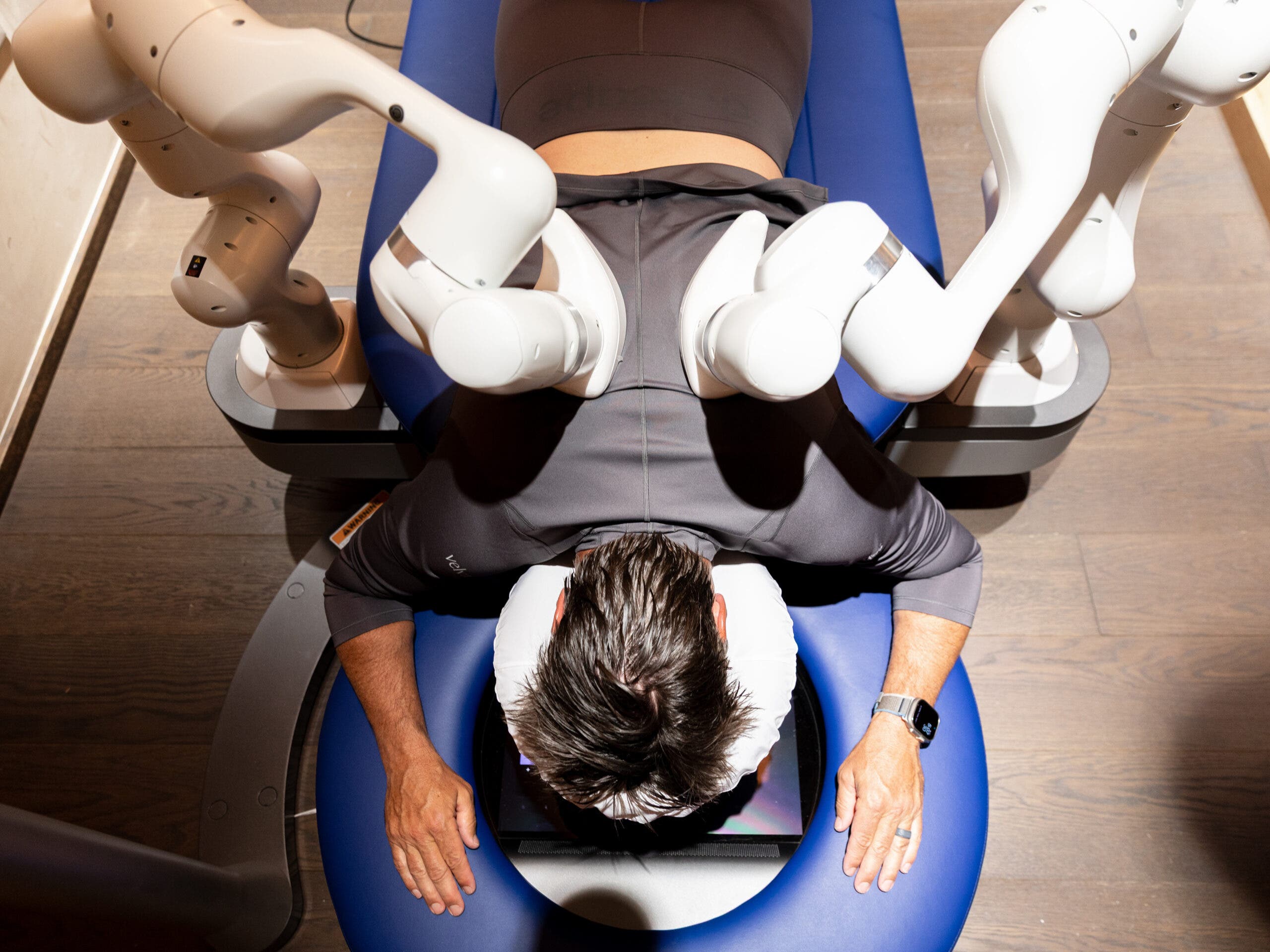
Moseley’s current involvement with Velvaere, a luxury wellness community in Deer Valley, Utah, represents the next frontier of this technological journey. The facility serves as a testing ground for amenities that mirror the resources of the United States Olympic & Paralympic Training Centers (USOPTC). Among these is an AI-powered massage robot designed to evaluate the human body’s specific musculoskeletal tensions before administering a customized treatment.
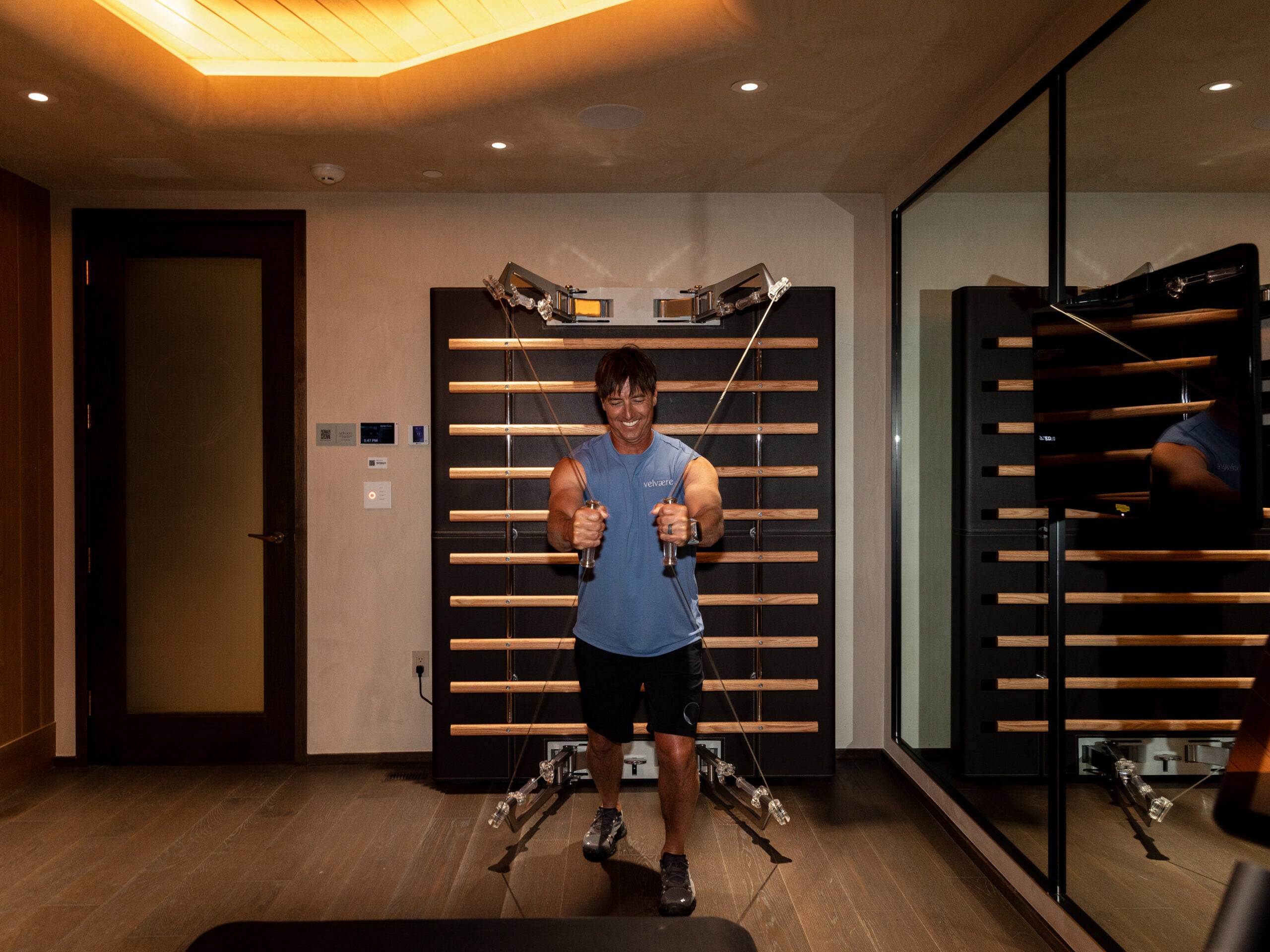
This integration of artificial intelligence into recovery is a significant departure from traditional manual therapy. By using sensors to map a user’s anatomy and identify areas of inflammation or restricted mobility, the system provides a level of precision that complements human expertise. For Moseley, these tools—alongside LightStim LED therapy, flotation tanks, and cryotherapy—are the modern equivalents of the cutting-edge protocols that gave him a competitive edge in 1998.
Seasonal Conditioning: A Blueprint for Longevity
Despite his access to high-tech recovery, Moseley maintains a disciplined physical training regimen that shifts with the seasons. His approach provides a blueprint for how aging athletes can maintain high-level performance while mitigating the wear and tear associated with high-impact sports like skiing.
Summer: The Strength and Hypertrophy Phase
During the early summer months, Moseley’s focus is on building a foundational strength base. This involves a strict morning routine consisting of 30 to 60 minutes of cardio—often a walk with his dog or treadmill work—followed by heavy resistance training. In his younger years, Moseley’s lifting was almost exclusively focused on the lower body to handle the immense G-forces of mogul runs. Today, he emphasizes a more balanced, total-body approach to ensure functional health.
Autumn: The Endurance and Lateral Specificity Phase
As temperatures drop, the training focus shifts toward endurance and ski-specific movements. This transition is critical for preparing the cardiovascular system for the thin air of high-altitude resorts. Moseley utilizes slide boards to mimic the lateral, side-to-side demands of skiing. One-leg training becomes a priority here, as it builds the unilateral stability necessary for navigating uneven terrain and preventing common ligament injuries, such as ACL tears.
Pre-Season: Plyometrics and Power
As the ski season approaches, Moseley incorporates plyometric movements to prime his nervous system for explosive action. He identifies box jumps as the "gold standard" for ski preparation but warns against the "couch-to-box-jump" pipeline. His recommendation for the recreational athlete is to start with low-height jumps to allow the tendons and joints to adapt to the impact before moving to more demanding heights.
The "Hot Yoga Guy" and the Role of Mobility
One of the most significant changes in Moseley’s routine is his embrace of mindfulness and mobility. "I’m a hot yoga guy," Moseley admits, highlighting a shift toward flexibility that many veteran athletes eventually adopt. As the body ages, the collagen in connective tissues becomes less elastic, and the joint capsule tightens. For a skier who spent years absorbing the impact of moguls, maintaining mobility in the hips and spine is essential for staying on the slopes.
Moseley also incorporates "fun" cross-training, such as wing foiling, which provides a low-impact cardiovascular workout while challenging his balance and core stability. This variety prevents the mental burnout associated with repetitive gym routines and ensures that his fitness is versatile.
Wellness Real Estate: A New Frontier in Athletic Living
Moseley’s ambassadorship for Velvaere highlights a growing trend in the real estate market: the rise of wellness-centric communities. No longer satisfied with simple gym facilities, high-end buyers are seeking environments where health is integrated into the infrastructure of their homes.
Velvaere’s model—a private, ski-in/ski-out community—combines luxury living with a holistic health club. The inclusion of "sauna and cold plunge" circuits, a practice rooted in Nordic tradition but backed by modern research on thermal stress and immune function, reflects a broader societal shift toward proactive health management. By placing these tools directly on the mountain, the barrier between "activity" and "recovery" is removed, allowing for a seamless transition from the slopes to the treatment room.
Industry analysts suggest that this "wellness real estate" sector is poised for significant growth as the "Longevity Economy" expands. For athletes like Moseley, these communities offer a way to maintain an elite lifestyle while prioritizing the recovery necessary to sustain it.
The Psychological Impact of Community and Recovery
Beyond the machines and the metrics, Moseley emphasizes the importance of community in the pursuit of wellness. During his Olympic years, the camaraderie and shared focus of the Olympic Training Center were vital to his success. He sees a parallel in modern wellness communities, where being surrounded by individuals with similar health goals creates an environment of accountability and shared knowledge.
Moseley acknowledges that he is not naturally inclined toward self-care. Like many high-achievers, he has historically struggled to "slow down" unless forced to do so by injury. However, his current philosophy views recovery not as a passive state, but as an active component of performance. By reframing rest as "preparation for the next session," Moseley has managed to maintain a level of fitness that allows him to remain a relevant and active figure in the skiing world decades after his gold medal win.
Conclusion: The Legacy of Innovation
Jonny Moseley’s journey from the 1998 Nagano Games to the AI-driven facilities of Deer Valley serves as a testament to the power of adaptation. His career has been defined by a willingness to look outside his own sport for inspiration—whether that meant borrowing tricks from snowboarders or recovery protocols from sports scientists.
As the sports world continues to embrace artificial intelligence and personalized medicine, Moseley’s experience offers a valuable lesson: technology is most effective when paired with a fundamental understanding of one’s own body. Whether it is through a handwritten journal in 1998 or an AI-powered massage robot in 2025, the goal remains the same—to push the boundaries of what is possible while ensuring the body remains resilient enough to enjoy the ride. For Moseley, the "new-school" attitude is no longer just about the height of a jump; it is about the length of the journey.

