
The physical toll of elite and recreational mountain sports has long been accepted as an inevitable cost of admission for winter sports enthusiasts. According to recent orthopedic and sports medicine data, alpine skiing places intense, repetitive loads on the lower extremities, lumbar spine, and supporting stabilizer muscles. For decades, the prevailing approach to ski conditioning centered heavily on cardiovascular endurance, yoga, and basic stretching routines. However, mounting physiological research and clinical observations from sports physiologists indicate that traditional conditioning protocols frequently fail to address the root cause of chronic skier ailments: profound muscular imbalances, particularly within the posterior chain.
Recent biomechanical assessments conducted across winter sports communities highlight a significant shift in injury prevention methodologies. As aging populations continue to participate in high-impact mountain sports well into their fourth, fifth, and sixth decades of life, sports scientists and fitness directors are advocating for structured, progressive resistance training. This paradigm shift moves away from temporary pain management strategies—such as massage therapy, hydrotherapy, and anti-inflammatory medications—toward targeted muscular development designed to enhance bone density, reinforce structural stability, and counteract the degenerative effects of sedentary lifestyles.
Biomechanical Realities and the Evolution of Skier Conditioning
To understand the physiological stress imposed by alpine skiing, sports medicine specialists examine the kinetic chain of the human body during high-speed descents. The average adult human anatomy is poorly evolved for the specific rotational and lateral forces demanded by skiing, skateboarding, and prolonged periods of seated desk work. Anthropometric factors, such as a tall frame paired with a narrow pelvis and broad shoulders, often exacerbate mechanical disadvantages.
During a typical ski descent, the upper body remains active and rotational, requiring the lower back to absorb stabilizing forces without adequate muscular synergy from the gluteal complex. Over time, repetitive eccentric and concentric loading without balanced muscular development leads to micro-trauma, joint inflammation, and chronic lumbar fatigue. Sports physiologists note that muscle tissue naturally loses elasticity, malleability, and neural responsiveness with age, typically resulting in accelerated vulnerability to strains, ligament tears, and debilitating lower back spasms by the early thirties.
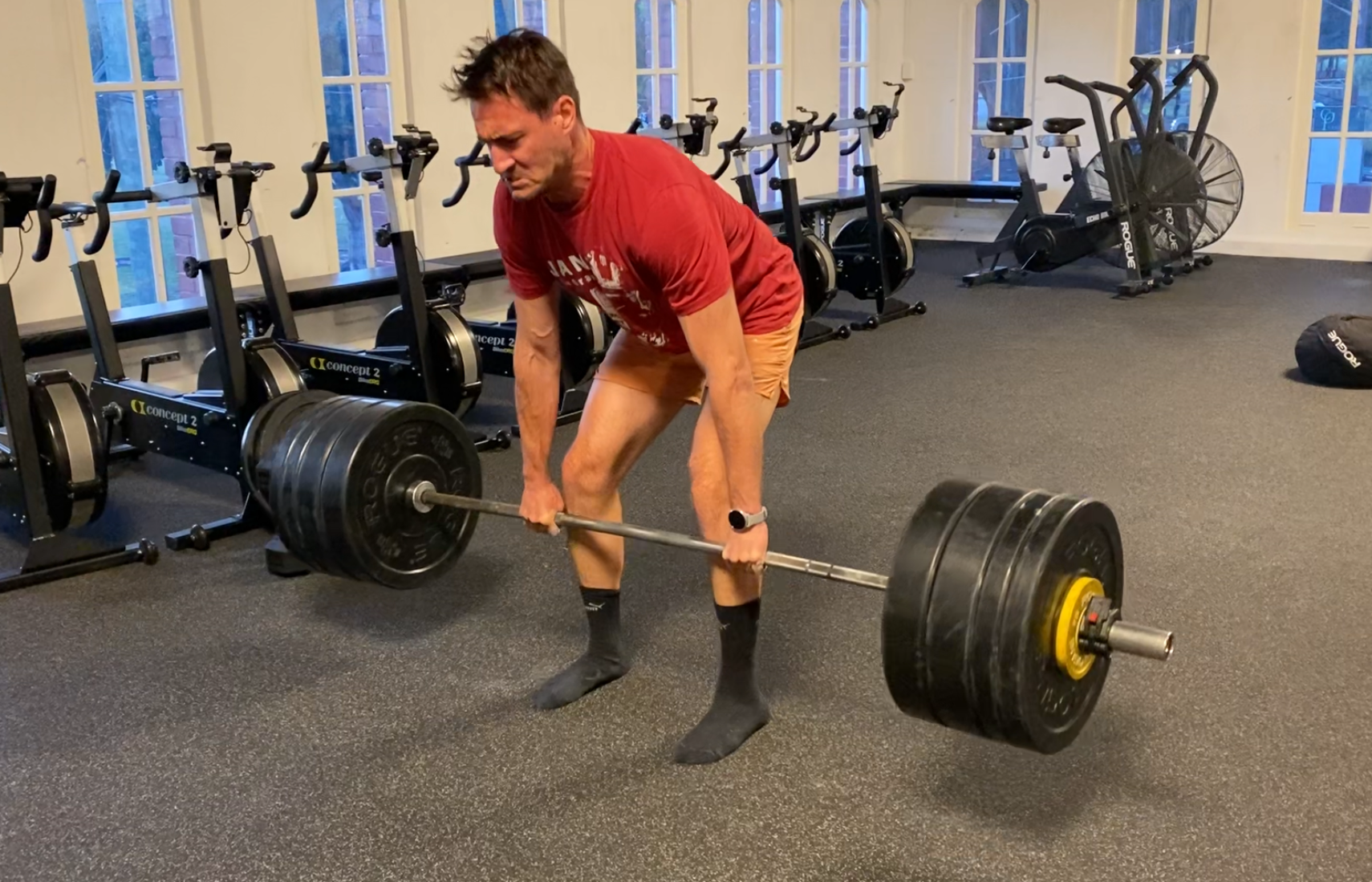
Historically, athletes suffering from chronic lower back pain and joint stiffness turned to passive recovery methods. Standard interventions included foam rolling, static stretching, prolonged rest intervals, and core-strengthening exercises such as sit-ups and planks. While these modalities offer temporary relief by mitigating acute muscular tension, clinical analyses confirm they do not structurally correct the fundamental strength deficits inherent in the posterior chain. Consequently, practitioners are increasingly prescribing structured resistance training to build durable musculoskeletal scaffolding capable of withstanding high-g-force turns and uneven terrain.
Chronology of the Shift Toward Resistance Training
The integration of heavy resistance training into mainstream ski conditioning has accelerated over the past decade, driven by a growing body of evidence from physical therapists and strength and conditioning coaches.
Phase One: Passive Management (Years Prior to 2024)
For many winter athletes, conditioning routines historically relied on low-impact aerobic activity, cycling, and general flexibility training. Athletes experiencing chronic overuse injuries typically managed symptoms through palliative care, including chiropractic adjustments, massage, and non-steroidal anti-inflammatory drugs. These interventions treated localized symptoms rather than structural weaknesses.
Phase Two: Identification of Muscular Imbalances (2024–2025)
As injury rates among recreational skiers over age thirty remained steady, physical therapists began identifying underlying posterior chain weakness as the primary catalyst for chronic lumbar and hip pain. Gyms and athletic training facilities in major winter sports hubs started implementing targeted movement screenings to pinpoint hip stabilizer and hamstring deficits.
Phase Three: Mainstream Adoption of Resistance Protocols (Current Landscape)
By late 2025, fitness regimens incorporating compound barbell movements, controlled tempo training, and functional posterior chain loading became widely recognized benchmarks for injury prevention. Rather than focusing exclusively on cardiovascular stamina, contemporary conditioning programs prioritize neuromuscular control, load tolerance, and structural resilience.

Expert Analysis and Official Perspectives
Industry experts and conditioning specialists emphasize that resistance training serves a dual purpose for alpine athletes: performance enhancement and structural protection. Franco Morris, Head of Program Delivery at a prominent training facility in Sydney, Australia, highlights the necessity of addressing genetic and lifestyle-induced vulnerabilities.
According to Morris, the modern human anatomy is fundamentally misaligned with the physical demands of high-intensity winter sports and sedentary professional environments. "We’re not evolved for what we do, whether that’s skiing, skateboarding, or, as is more often the case, sitting," Morris states. He notes that structured resistance training yields protective physiological adaptations beyond mere muscular hypertrophy. "Building muscle promotes bone density, as well as adding cushioning tissue around bones," Morris explains, emphasizing that resistance training significantly lowers the risk of traumatic fractures during high-velocity falls.
Furthermore, sports medicine surgeons stress that targeted strength protocols directly decrease the incidence of anterior cruciate ligament (ACL) tears and debilitating spinal injuries. By developing balanced muscular tension across the knee joint and lumbar spine, athletes can better manage unexpected torsional forces encountered in variable snow conditions.
Key Principles of Resistance Training for Winter Athletes
For individuals transitioning from traditional cardio or flexibility routines to structured weight training, sports scientists recommend specific methodological adaptations tailored to endurance-based mountain sports:
-
Professional Guidance and Programming
Athletes beginning a resistance training regimen are advised to work alongside qualified personal trainers to ensure proper movement mechanics. Because improper loading can exacerbate existing spinal or joint conditions, expert supervision minimizes injury risk during foundational learning phases.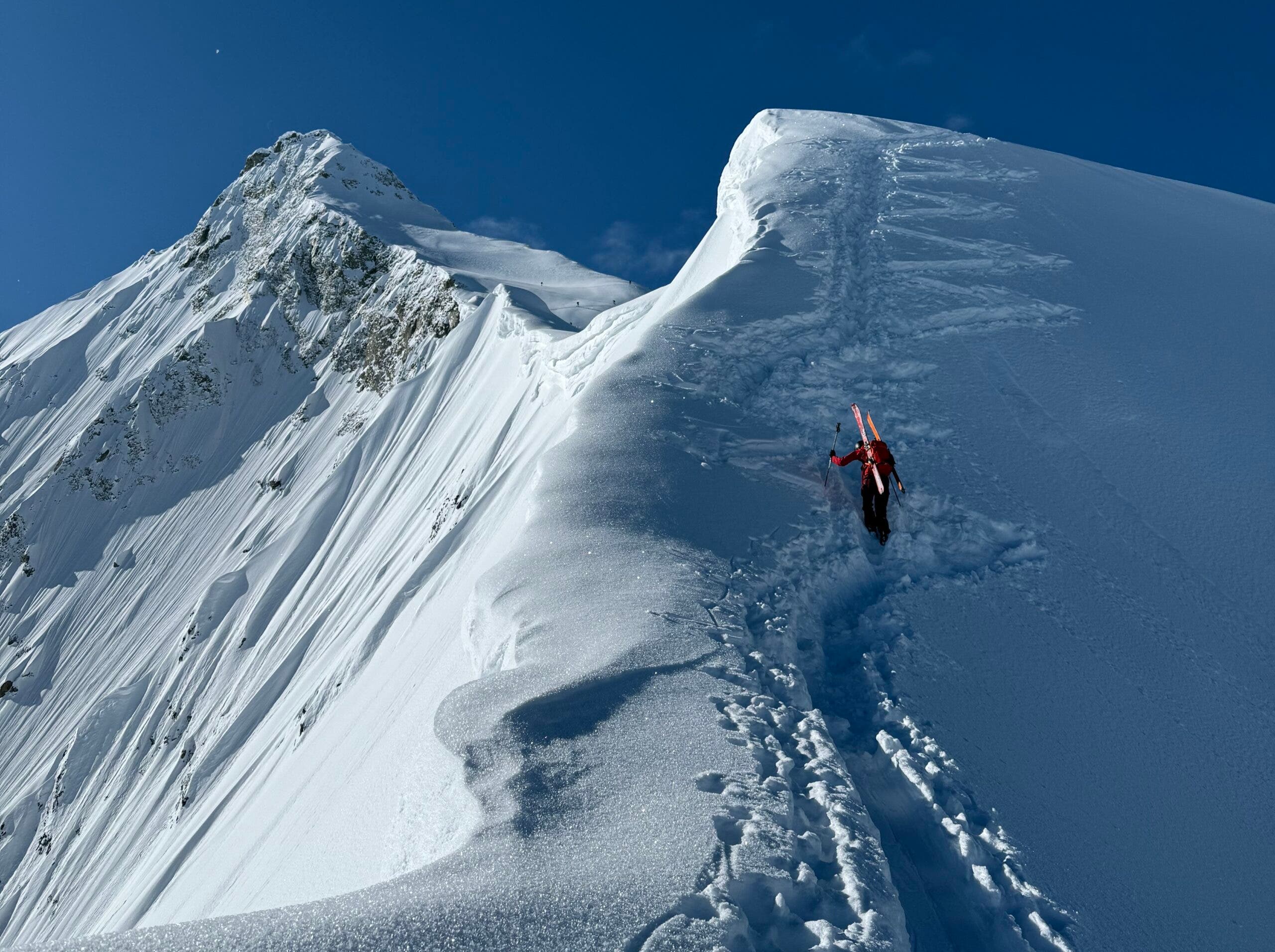
-
Prioritizing the Posterior Chain
Conditioning programs should heavily feature movements that engage the posterior chain, including the hamstrings, glutes, and erector spinae. Essential movements frequently prescribed by strength coaches include deadlifts, kettlebell swings, barbell hip thrusts, and weighted step-ups. These exercises directly counteract the postural degradation caused by prolonged sitting. -
Volume Over Maximal Weight
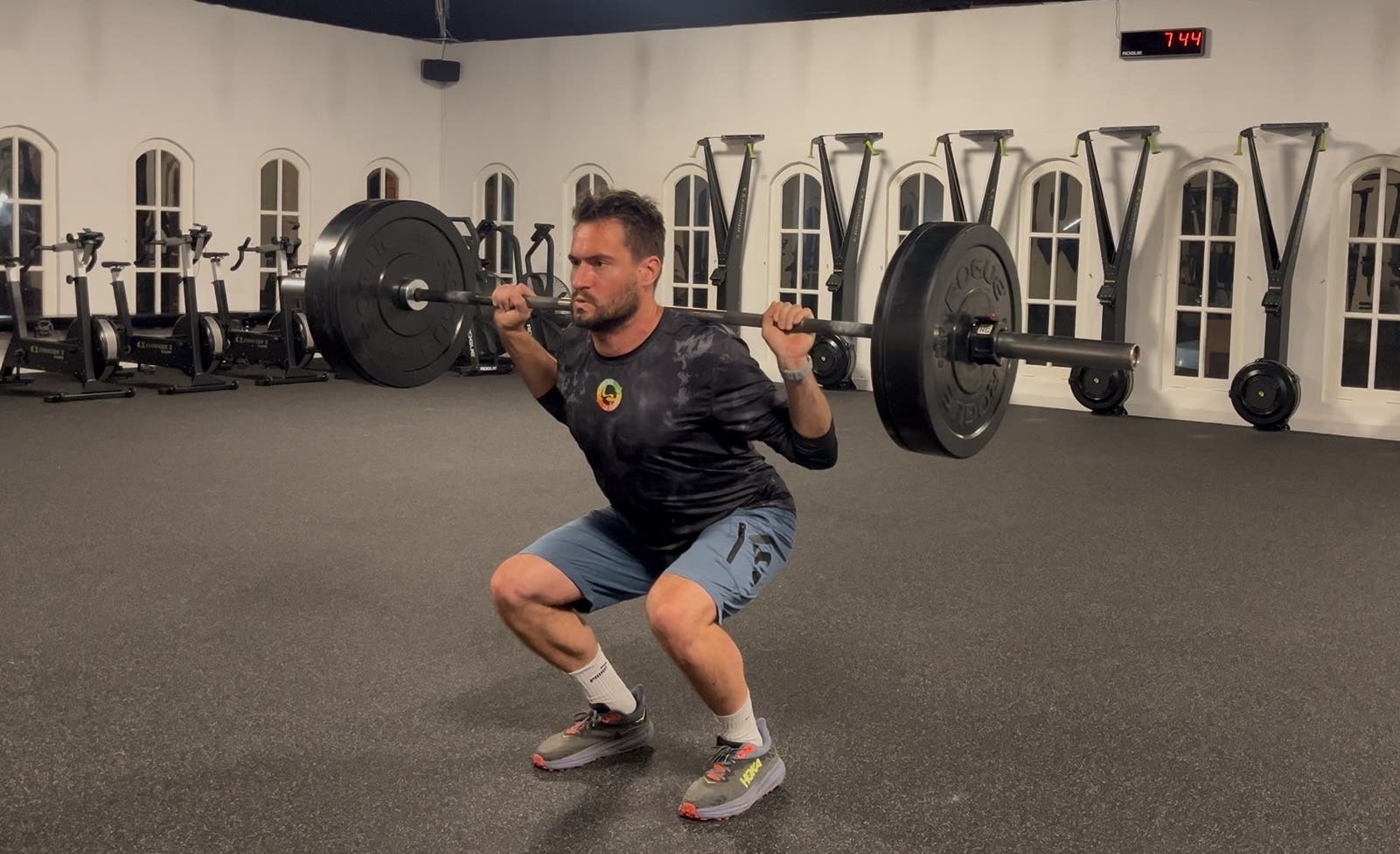
Unlike competitive powerlifters, alpine skiers benefit more from high-repetition endurance protocols than maximal load capacity. Training regimens focusing on moderate loads (e.g., 60 percent of one-repetition maximum) performed across higher repetition ranges build muscular endurance, enhance capillary density in slow-twitch muscle fibers, and reduce excessive upper-body hypertrophy that can negatively impact dynamic balance on the slopes. -
Controlled Tempo and Neuromuscular Awareness
Low-velocity, highly controlled movements teach the central nervous system to stabilize joints under varying loads. Maintaining strict control throughout both the eccentric and concentric phases of a lift translates directly to improved edge control and balance on steep alpine terrain.
Broader Impact and Economic Implications
The widespread adoption of structured strength training among winter sports participants carries significant implications for healthcare systems, resort communities, and the broader winter recreation economy. Chronic musculoskeletal injuries account for a substantial percentage of seasonal medical visits in mountain towns, placing strain on localized emergency services and orthopedic clinics.
By implementing preventive strength protocols, participants can potentially reduce the frequency and severity of season-ending injuries, thereby lowering cumulative healthcare costs and extending active athletic lifespans by decades. Sports economists note that aging populations maintaining high levels of physical capability continue to support winter tourism infrastructure, equipment manufacturing, and local mountain economies well into later life stages.
Ultimately, while the transition to disciplined weight training requires significant physical and mental investment, longitudinal observations confirm that targeted muscular conditioning remains one of the most effective countermeasures against the physical wear and tear associated with competitive and recreational skiing.

