
The modern winter sports industry generates billions of dollars globally, drawing millions of enthusiasts to alpine resorts each year to experience the thrill of high-speed descent. Yet, beneath the allure of fresh powder and pristine groomed trails lies a persistent physical toll. Among the various traumatic injuries sustained on the slopes, anterior cruciate ligament (ACL) tears remain the most prevalent and disruptive orthopedic challenge for recreational skiers and elite competitors alike. While surgical reconstruction techniques have advanced significantly over recent decades, medical professionals increasingly emphasize that prevention must take precedence over intervention. Dr. Greg Lichtman, a practicing orthopedic surgeon based in Auburn, California, near the Lake Tahoe region, has dedicated his career not only to repairing damaged knees but to keeping skiers out of the operating room entirely. Balancing a clinical practice with his role as a pool physician for the U.S. Women’s Ski Team, Lichtman offers a unique perspective bridging elite athletic performance, surgical precision, and injury epidemiology.
The Evolution of a Sports Medicine Specialist
Dr. Lichtman’s journey into the specialized world of knee kinematics and alpine trauma began long before he established his California practice. Following his medical education, he secured a prestigious placement at Vail’s renowned Steadman Philippon Research Institute, an institution internationally recognized for its pioneering work in knee ligament preservation and sports medicine. Immersed in an environment where elite U.S. Ski Team members regularly sought surgical intervention for complex joint trauma, Lichtman gained an intimate understanding of the mechanical forces that compromise the knee joint.
This foundational experience was further reinforced during a sports medicine fellowship at the University of Massachusetts. Drawing on his own background as an avid East Coast skier, Lichtman observed a striking discrepancy in the sports medicine landscape. While land-based athletic disciplines such as soccer, basketball, and American football boasted extensive, statistically validated injury prevention programs—often reducing ACL tear rates by 40 to 60 percent—alpine skiing lacked equivalent standardized prevention protocols. Recognizing that skiing was both his primary personal passion and a notable blind spot in preventive sports medicine, Lichtman shifted his professional focus toward investigating the precise biomechanical triggers of alpine injuries.
Mechanisms of Failure: Anatomy of a 60-Millisecond Tear
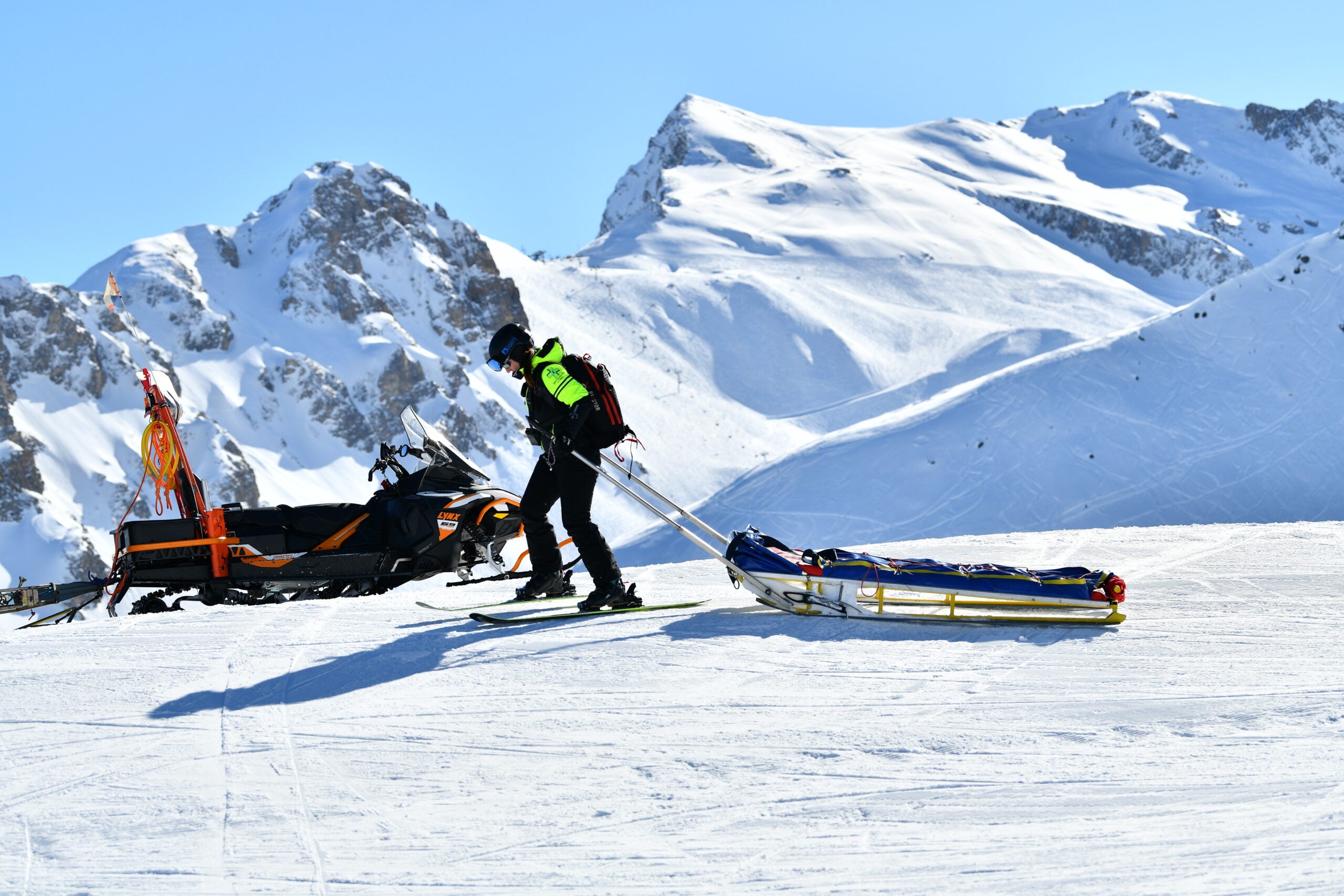
To effectively prevent ACL injuries, skiers must first understand the catastrophic sequence of events that occurs inside the knee joint during a fall. According to Dr. Lichtman, the vast majority of ACL tears happen within a compressed timeframe of approximately 60 milliseconds—long before standard recreational ski bindings have the opportunity to release.
The most common culprit is the "slip-catch" mechanism, typically triggered when a skier adopts a compromised body position commonly referred to as being "in the backseat." When a skier’s hips drop backward and weight shifts off the balls of the feet, control over the skis deteriorates rapidly. If the downhill ski momentarily loses contact with the snow surface and subsequently re-engages or catches an edge while the lower leg undergoes forced internal rotation or valgus stress, the anterior cruciate ligament is subjected to loads exceeding its tensile strength.
A secondary and equally hazardous scenario is the "Phantom Foot" mechanism. This phenomenon occurs when a skier loses balance while traveling backward with their center of gravity lowered close to the snow. As the uphill arm trails behind and the uphill ski becomes unweighted, the entire body weight is forcefully driven onto the inside edge of the downhill ski. In this configuration, the rigid ski boot and ski function as a long lever arm, transmitting immense rotational torque directly into the knee joint before the safety bindings can mechanically activate.
Environmental and Behavioral Risk Factors
Beyond biomechanical positioning, various external and physiological variables heavily influence a skier’s vulnerability to ligamentous trauma. Clinical data analyzed by orthopedic specialists reveal distinct temporal and environmental patterns in ACL injury rates.
Fatigue as a Primary Catalyst
Data compiled from alpine clinics often show an influx of severe knee injuries during peak periods such as December, when the ski season commences and many participants return to the slopes with unconditioned musculature. As physical fatigue sets in toward the afternoon, neuromuscular control degrades. Skiers find it increasingly difficult to maintain an optimal athletic stance, making them far more susceptible to drifting into the hazardous backseat posture. Lichtman strongly advocates for fatigue awareness, urging skiers to recognize their physical limits and conclude their day on the mountain before exhaustion compromises their structural stability.
Variable Terrain and Environmental Hazards
Visibility and snow consistency play critical roles in injury mitigation. Flat light conditions—where contrast on the snow surface is severely diminished—prevent skiers from anticipating terrain transitions, frequently resulting in unexpected balance disruptions. Furthermore, regional snow profiles present unique hazards. On the icy, hardpack terrain frequently encountered on the East Coast, the slip-catch mechanism is notably prevalent because edges struggle to maintain consistent engagement during turns. Conversely, in regions like Lake Tahoe, known for heavy, moisture-dense "Sierra Cement," skiers can easily catch an edge or be thrown off balance in deep, variable powder.
Speed and Skill Realism
While high speeds amplify the kinetic energy involved in any collision or fall, speed itself is often a byproduct of unmanaged risk relative to individual competency. Dr. Lichtman notes that ACL tears frequently occur when recreational skiers attempt terrain features, drops, or jumps beyond their proven skill level, ultimately landing in a compromised rear-weighted position.
Bridging the Gap: Off-Season Conditioning and Core Stability
While traditional pre-season conditioning programs have long emphasized quad, hamstring, and gluteal strength—often encapsulated by the standard advice to perform wall sits—orthopedic experts argue that modern ski preparation must evolve.
To safeguard the knee joint against rotational forces, athletes must prioritize core stability and hip abductor strength. The gluteus medius, responsible for executing lateral leg raises, plays an instrumental role in maintaining proper alignment, ensuring that the knee remains tracked directly over the toes throughout dynamic turning maneuvers. Strengthening the oblique and abdominal core muscles likewise empowers skiers to rapidly recover their center of gravity when minor balance perturbations occur on the hill. High-level competitors and recreational enthusiasts alike frequently overlook these auxiliary muscle groups, leaving vital stabilization vectors underdeveloped.
The Limitations of Equipment and the Path Forward
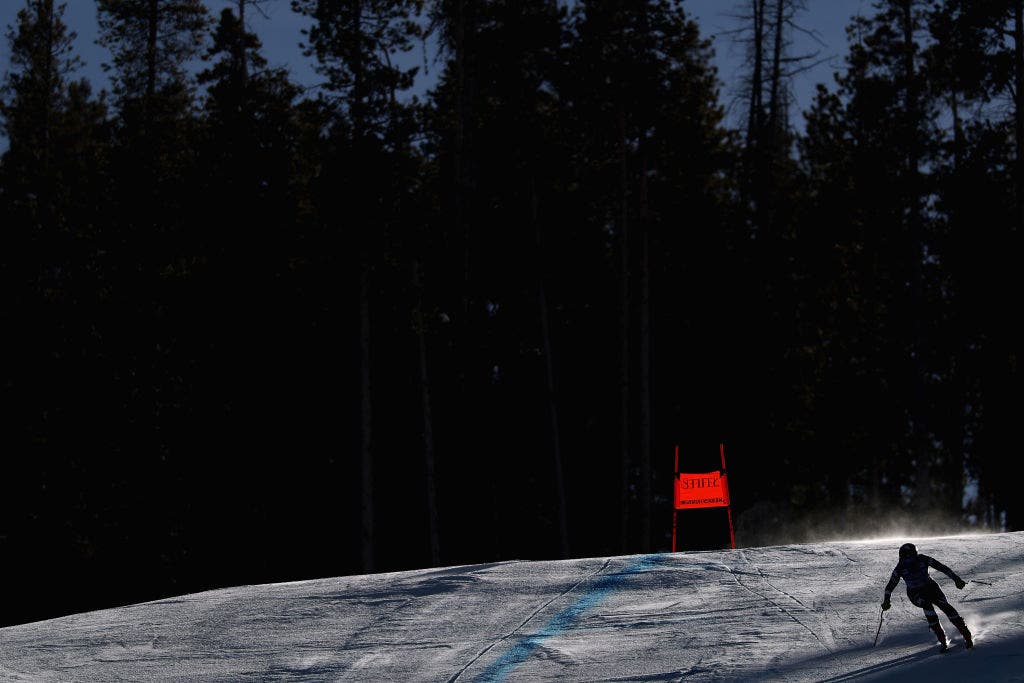
A common misconception among recreational skiers is that modern safety bindings serve as an infallible safeguard against knee injuries. However, because the physiological forces inducing an ACL tear transpire in a fraction of a second, mechanical release mechanisms cannot always react quickly enough to prevent ligament failure.
Recreational skiers must ensure that their DIN settings—the numerical scale determining the release tension of ski bindings—are professionally calibrated based on accurate metrics of age, height, weight, and skier type. While advanced multidirectional release systems offer improved safety margins, no hardware configuration can completely eliminate risk.
Dr. Lichtman underscores an urgent need within the snowsports industry to direct research toward next-generation binding technology engineered to detect and respond specifically to internal rotational torque rather than simple forward-fall forces. Moreover, the broader winter sports community must invest in developing and validating structured, scalable ACL injury prevention programs akin to those successfully implemented in soccer and basketball. By combining rigorous off-season neuromuscular training, heightened situational awareness regarding fatigue and visibility, and a comprehensive understanding of biomechanical risk factors, skiers can significantly mitigate their chances of experiencing a season-ending knee injury—ensuring that orthopedic surgeons like Dr. Lichtman can continue to admire their passion from the chairlift rather than across an examination table.

