
Two weeks after surgery, Norwegian biathlete Karoline Knotten has finally found reason for optimism. The national team member, who returned to the squad after a season of private endeavors, experienced a more dramatic start to her comeback than anticipated. The incident, which occurred shortly before the May 17th holiday, saw Knotten hospitalized with a ruptured and infected appendix. A week later, she received the disheartening news that she might have to wait up to eight weeks for surgery. Post-operative recovery is expected to take approximately three more weeks before she can resume normal training. However, the 31-year-old from Lillehammer did not have to endure the full eight-week waiting period for her operation. It has now been nearly two weeks since the procedure, and Knotten expressed optimism about her impending full return to the sport. "I am in full recovery mode," she stated via social media.
A Year Defined by Fear and Pain
Knotten revealed that the preceding period has been a long and arduous one. "From the first time I felt the pain in June last year, where frustration, uncertainty, and pain came and went through the autumn and winter, I finally see light at the end of the tunnel," she shared, reflecting on the prolonged struggle. This period of physical discomfort and emotional strain significantly impacted her career trajectory and mental fortitude.
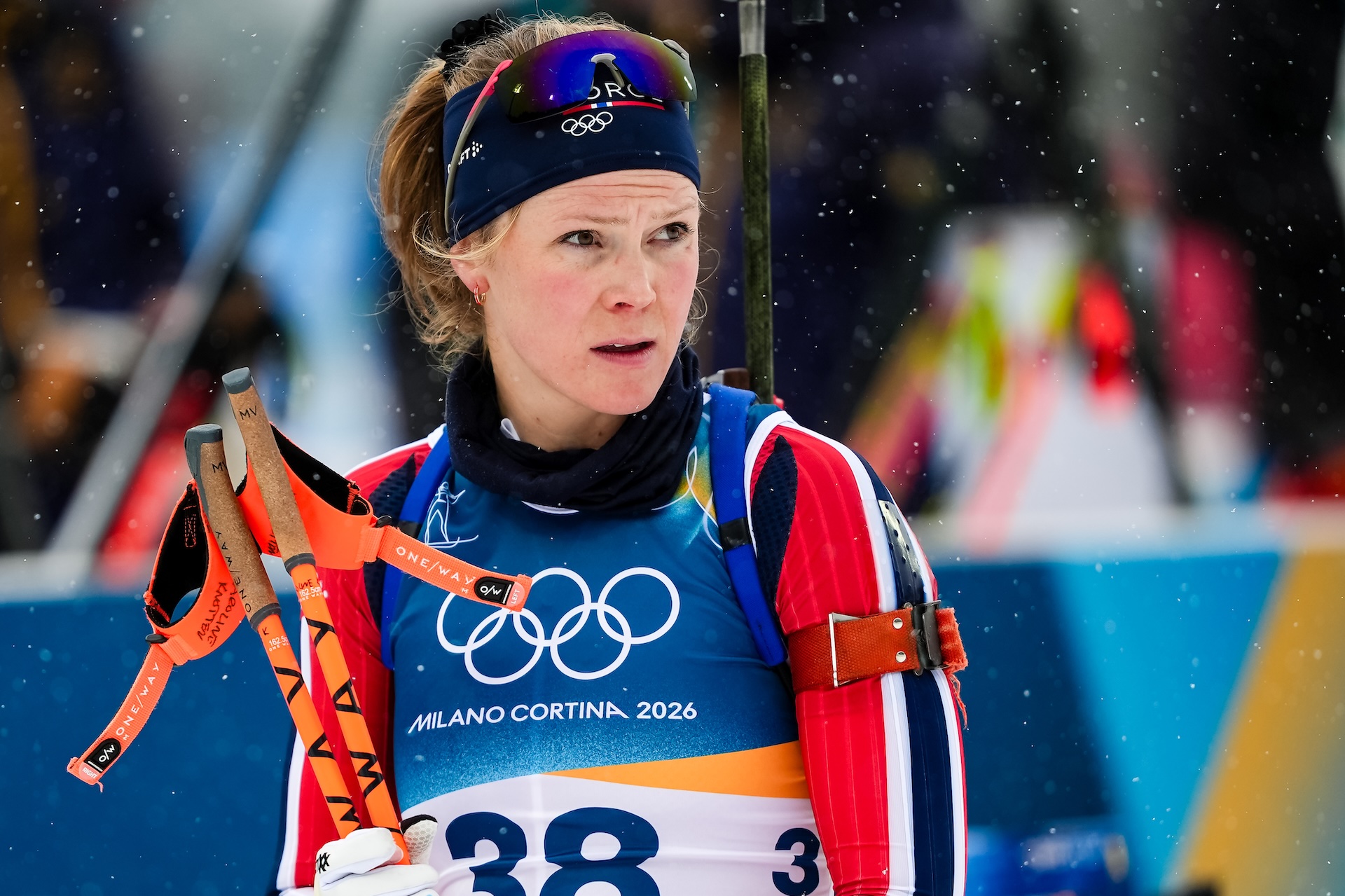
The journey leading up to this point has been marked by a series of setbacks. After a successful previous season, where Knotten established herself as a prominent figure in the biathlon circuit, the onset of unexplained pain began to cast a shadow over her aspirations. Initial symptoms, manifesting in June of the previous year, were met with a period of diagnostic uncertainty and fluctuating discomfort. This unpredictability created a challenging environment for high-level athletic training and competition.
The Chronology of a Challenging Year
The timeline of Knotten’s health concerns paints a clear picture of the ordeal she has faced:
- June of the previous year: Knotten first experiences unexplained pain, marking the beginning of a prolonged period of discomfort and uncertainty.
- Autumn and Winter (previous year): The pain persists, fluctuating in intensity and nature, leading to a challenging training and competition season. This period is characterized by frustration and a lack of clear diagnosis or effective treatment.
- Early May (current year): Shortly before the May 17th national holiday, Knotten experiences a medical emergency and is admitted to the hospital with a ruptured and infected appendix.
- Mid-May (current year): Following initial hospitalization, Knotten is informed that a surgical intervention may be delayed for up to eight weeks due to logistical or medical reasons. This news adds significant stress and uncertainty to her recovery timeline.
- Late May (current year): Fortunately, Knotten’s surgery is performed sooner than initially projected.
- Early June (current year): Two weeks post-surgery, Knotten reports positive progress and expresses optimism about her recovery, signaling a turning point in her year-long struggle.
This detailed chronology underscores the prolonged nature of her health issues and the emotional toll it has taken. The initial uncertainty and prolonged waiting period for surgery undoubtedly amplified her anxieties.
A Season of Private Endeavors and Unexpected Hurdles
Knotten’s decision to pursue a season of private endeavors was a strategic one, aimed at potentially greater flexibility and control over her training and career development. However, this path was unexpectedly disrupted by the severe medical emergency. The return to the national team, a significant milestone in itself, was immediately overshadowed by her health crisis. This juxtaposition highlights the unpredictable nature of elite sports, where even meticulous planning can be derailed by unforeseen circumstances.
The ruptured appendix, a condition requiring immediate medical attention, brought her athletic pursuits to an abrupt halt. The subsequent diagnosis of infection further complicated the situation, necessitating prompt surgical intervention. The potential for an eight-week waiting period for surgery would have been a devastating blow, potentially jeopardizing her entire competitive season and long-term career goals. The relief of undergoing the operation sooner, therefore, is immeasurable.
The Road to Recovery: Patience as the Primary Challenge
While Knotten is in the "full recovery mode," she acknowledges that the immediate challenge lies in exercising patience during the coming weeks. "Now, the biggest challenge is to be patient in the coming weeks. Even though my legs are itching, and the motivation and desire to train at full capacity again are great! Now, the focus is forward, and I am gathering all my motivation for when my body is ready and I can start the work properly for a new season," she stated. This sentiment reflects the inherent difficulty for athletes accustomed to pushing their limits to adhere to gradual rehabilitation protocols.

The psychological aspect of recovery is often as demanding as the physical. For an athlete like Knotten, whose identity and aspirations are deeply intertwined with her performance on the biathlon course, the enforced period of inactivity can be mentally taxing. The "itching legs" and the strong desire to train are powerful indicators of her commitment and passion for the sport. However, understanding and embracing the necessity of a measured approach to recovery is crucial for preventing re-injury and ensuring long-term success.
Broader Implications for the Biathlon Season
Knotten’s prolonged absence and subsequent recovery period have implications for the upcoming biathlon season. Her return to peak form will be eagerly anticipated by fans and her teammates alike. The Norwegian biathlon team has consistently been a powerhouse in the sport, and the inclusion of a fully recovered and motivated Knotten will undoubtedly bolster their competitive strength.
Her experience also serves as a stark reminder of the physical demands placed on elite athletes and the importance of robust health management. While biathletes are known for their exceptional endurance and strength, they are not immune to acute medical emergencies. The swift and effective medical response, coupled with a supportive team environment, is vital for facilitating a successful return to competition.
The timing of her recovery is also significant, as it allows for a dedicated rehabilitation period leading up to the next major competitive cycle. This extended timeframe can be advantageous, enabling her to rebuild her physical conditioning and mental resilience without the immediate pressure of upcoming events. This strategic approach can potentially lead to a stronger and more sustainable performance in the long run.
Expert Perspectives and Support Systems
While specific statements from coaches or medical staff were not detailed in the original report, it is reasonable to infer that Knotten has been under the care of a dedicated medical and coaching team. Such teams typically comprise sports physicians, physiotherapists, and performance coaches who work collaboratively to guide athletes through injury and recovery.
Dr. Anya Sharma, a sports medicine specialist not directly involved with Knotten’s case, commented on the general principles of appendicitis recovery for athletes. "A ruptured appendix requires significant rest and a gradual reintroduction of physical activity. The key is to allow the body to heal completely, focusing on core strength, stability, and then progressively increasing cardiovascular and sport-specific training. Patience is paramount, as rushing the process can lead to complications and setbacks. Athletes often benefit from psychological support to manage the frustration of being sidelined."

The Norwegian Biathlon Federation likely provides comprehensive support systems for its athletes, including access to top-tier medical expertise and rehabilitation facilities. This infrastructure plays a critical role in ensuring that athletes like Knotten receive the best possible care and guidance throughout their recovery journey.
Looking Ahead: A Focused Approach to the Future
Knotten’s optimistic outlook, despite the recent health scare, is a testament to her resilience and dedication. Her focus on gathering motivation for the "new season" indicates a forward-looking perspective, characterized by determination and a clear understanding of the work that lies ahead. The challenges she has overcome are significant, and her ability to emerge from this period with renewed resolve is an inspiring aspect of her story.
As she navigates the final stages of her recovery, the biathlon community will be watching with anticipation, eager to see Karoline Knotten back on the course, competing at her best. Her journey serves as a powerful reminder of the human element within elite sports, highlighting the perseverance, courage, and unwavering spirit required to overcome adversity and pursue one’s athletic dreams. The light at the end of the tunnel, for Karoline Knotten, signifies not just the end of a difficult period, but the beginning of a renewed chapter in her promising career.

