
Johan Eliasch, the incumbent President of the International Ski and Snowboard Federation (FIS), has unequivocally declared his intention to seek another term, asserting that the transformative agenda he initiated nearly five years ago remains incomplete. His decision underscores a deep-seated belief that snow sports must continue its aggressive modernization to secure its future relevance and commercial viability in a fiercely competitive global entertainment landscape. Eliasch’s tenure, which began in 2021, has been characterized by a series of bold, often contentious, reforms aimed at centralizing power, professionalizing operations, and expanding the sport’s global footprint.
"I want to finish off what I’ve started," Eliasch stated in an exclusive interview with Ski Racing Media. "We still have work to do. Once done, then it’ll be time for somebody else to take over." This sentiment reflects a determination to solidify the structural changes and growth initiatives that have defined his presidency, which many observers consider among the most ambitious in FIS history.
A Presidency Forged in Reform: The Eliasch Era Begins
Johan Eliasch’s ascent to the FIS presidency in June 2021 marked a pivotal moment for the century-old organization. His election, which saw him defeat former FIS Secretary General Sarah Lewis and Urs Lehmann, then-president of Swiss-Ski, was itself a testament to a desire for change among a significant portion of the federation’s members. Eliasch, a Swedish-British billionaire businessman with a background in private equity and environmental activism, brought an outsider’s perspective and a clear mandate for commercial reform. Prior to his election, FIS operated with a more decentralized model, particularly concerning media rights, where national federations and event organizers often managed their own broadcasting deals. This fragmented approach, while preserving local autonomy, was increasingly seen by some as hindering the sport’s collective commercial potential and global appeal.
Upon taking office, Eliasch immediately began pushing for aggressive modernization efforts. Key pillars of his platform included the centralization of media rights, a significant expansion of digital operations, the introduction of new competition formats, enhanced athlete representation in governance, and ambitious international growth initiatives. These reforms were designed to broaden the appeal of snow sports beyond its traditional European strongholds and position it as a truly global entertainment property.
Centralized Media Rights: A Cornerstone of Change
Perhaps no initiative better encapsulates Eliasch’s vision and the inherent controversies of his presidency than the centralization of FIS media rights. This move sought to consolidate broadcasting and commercial rights under the direct control of FIS, moving away from a model where individual national federations and event organizers held significant power over their domestic and regional packages. The proposal initially met with considerable resistance, particularly from larger, historically powerful federations and established event organizers who expressed concerns about losing autonomy, control over their local markets, and potentially, significant revenue streams. Critics argued that a centralized approach might not adequately address the unique cultural and market specificities of various regions.
However, Eliasch remained steadfast, arguing that a unified commercial strategy was essential for maximizing revenue, improving production quality, and presenting a consistent brand image globally. He now points to the results as vindication of his strategy. "We have significantly increased revenues," Eliasch affirmed. "If we look at what we’ve done with the media rights centralization, that over the eight-year cycle should bring in more than 250 million in additional revenue in very challenging market conditions." While specific baseline figures prior to centralization are not publicly detailed, this projected increase suggests a substantial uplift compared to the previous fragmented model, providing a strong financial argument for his approach.
The centralized model, according to Eliasch, provides FIS with greater long-term control over how the sport is packaged, distributed, and promoted worldwide. This, he argues, creates stronger value propositions for sponsors, event organizers, and broadcast partners who can now engage with a more streamlined and comprehensive offering. "It’s much easier to sell if you have a centralized package," he added, highlighting the efficiencies gained in negotiation and distribution.
Strengthening Foundations and Expanding Reach
Beyond direct revenue generation, the financial growth strategy aims to bolster member national ski associations, especially smaller and medium-sized federations crucial for global expansion. "We have put programs in place at FIS, particularly to help the smaller and medium-sized nations," Eliasch noted. "For us to significantly grow, we need to have global reach." This indicates a strategic reallocation of centralized revenues to foster development in emerging snow sports markets, thereby broadening the talent pool and fan base.
Concurrently, the federation’s digital footprint has expanded dramatically. Eliasch reports a multiplication of social engagement and global fan interaction during his presidency, reflecting a concerted effort to connect with younger, digitally native audiences. This digital push aligns with the broader objective of increasing the sport’s visibility and accessibility. Olympic participation numbers also reflect this burgeoning global appeal; the Beijing Winter Olympics featured athletes from 78 nations, a figure that climbed to 88 for the Milano-Cortina Games, demonstrating a tangible increase in international representation and interest in snow sports.
Asia and China: The New Frontier for Growth
A central tenet of Eliasch’s vision for FIS is aggressive international expansion, with Asia, and particularly China, identified as a priority market. "We see great growth in Asia and we see lots of potential opportunity with China," Eliasch stated, acknowledging that this growth is a long-term endeavor. "It’s not going to happen overnight. It’s a process."
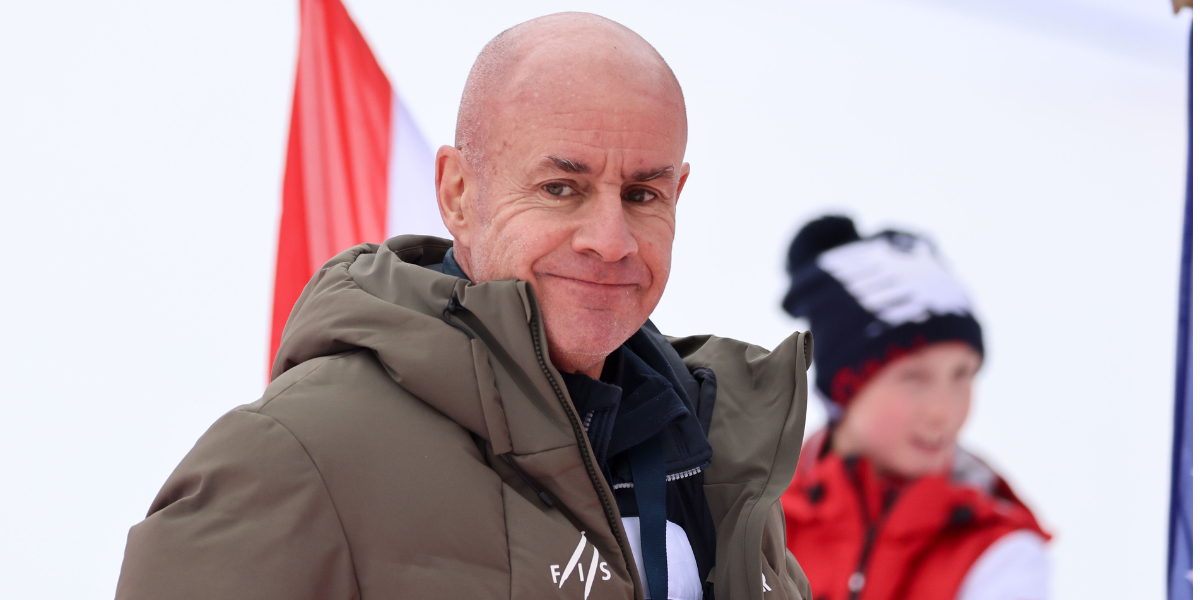
Following the Beijing Olympics, FIS has actively collaborated with Chinese sports authorities, ski resorts, and development programs to cultivate both participation and fan engagement. Freestyle skiing, with its dynamic and visually appealing nature, has been identified as a discipline with especially strong growth potential in Asia. Alpine skiing, while a longer-term project, is targeted for expansion through stronger continental cup competitions and increased media visibility within the region. The emerging appetite for winter sports content in Asia is already evident: during the 2025-26 season, China reportedly became Ski Racing Media’s second-largest audience behind only the United States, a clear indicator of the rapidly expanding international interest. This data point offers tangible evidence that FIS’s strategic focus on the region is beginning to yield results in terms of audience engagement and market penetration.
Rapid Evolution: Transforming FIS from Governing Body to Modern Sports Organization
Eliasch proudly asserts that FIS has undergone a more profound transformation in the last five years than in its preceding century. "We probably did more and grew the organization more in the last five years than it did the previous hundred years," he contended. Founded in 1924, FIS had traditionally operated as a more conventional, committee-driven governing body. Eliasch’s presidency has sought to inject a more dynamic, business-oriented approach.
This evolution has been multifaceted:
- Inclusivity: FIS integrated parasports and freeride into its official structure, broadening its mandate and embracing diverse disciplines.
- Operational Modernization: Digital and marketing operations were significantly expanded, aligning FIS with contemporary sports organizations.
- Athlete Welfare: An athlete health unit was established, signaling a greater focus on athlete well-being and safety.
- Governance Restructuring: A new CEO model was implemented to modernize management and commercial operations, allowing for a more streamlined, professional approach to the federation’s ambitious programs. "One of the things that we needed to do now that the organization has grown a lot and the programs have become more ambitious is move from the old model," Eliasch explained. "That allows for a more business-like approach, particularly when it comes to growing revenues."
- Athlete Voice: Athlete involvement in governance has been a significant priority, with increased representation in committee structures and the FIS Council. "They’re involved in the committee structure. They’re involved in the FIS Council," he said. "I’ve really integrated them into the structure so they have a voice." This move aims to ensure that the perspectives of the primary stakeholders – the athletes – are directly considered in decision-making processes, a crucial step for a modern sports federation.
Navigating the Complexities of Federation Politics
Despite the tangible progress Eliasch highlights, he acknowledges that leading a federation with over 140 national members is an inherently complex and often challenging endeavor. "The big challenge has been to get people to come together and work together," he admitted, describing FIS politics as operating "on a different level" compared to conventional political arenas.
The core challenge, as he perceives it, is not merely disagreement, which is natural in any diverse organization, but rather the arduous task of maintaining unity and collective purpose amidst competing priorities, disparate financial realities, and varied national interests. "In a healthy democracy, you have different opinions," Eliasch stated. "If the majority is heading in a direction that may not be your first choice, you follow that." He believes the gradual acceptance of media rights centralization serves as a prime example of how initial skepticism can transform into widespread adoption once stakeholders witness measurable positive results. "Now that this is working very well; people are incorporating," he said. "It’s a good showcase of people finally coming together and working together." This reflects a belief that results, particularly financial ones, can bridge political divides within the federation.
Technology and Innovation: The Future of Fan Engagement
Innovation is a pervasive theme throughout Eliasch’s presidency. He has consistently championed the adoption of new technologies to enhance the sport’s appeal and efficiency. Developments include advanced television graphics, GPS tracking systems for athletes, cloud-based production tools, and AI-assisted content creation. Furthermore, new competition formats, such as the team-combined event introduced in Saalbach and set for Milano-Cortina, demonstrate a willingness to experiment with the sporting product itself to increase excitement and viewer engagement.
Eliasch is particularly enthusiastic about technologies like drone coverage and remote production, believing they can significantly improve the viewing experience while simultaneously reducing costs for organizers and broadcasters. "There are lots of opportunities with new technology that can significantly improve the viewer experience and reduce production cost," he emphasized. These tools, he suggests, can help standardize broadcast quality across various venues and alleviate the increasingly expensive demands of World Cup production, especially for smaller organizers. This strategic approach to technology aims to make hosting major events more sustainable and appealing, ensuring a robust calendar of competitions. Despite these advancements, Eliasch assures that demand for hosting World Cup events remains strong across the sport, a positive indicator of the sport’s underlying health. "We’re fortunate because we have a great deal of interest," he noted. "Everybody wants to host World Cup events."
Passion and Purpose: Driving Eliasch Forward
Eliasch’s expanding influence in international sport was cemented by his appointment as an IOC member in 2024. While acknowledging the fundamental differences between the IOC and FIS, he recognizes the shared imperative for winter sports to remain commercially attractive in an increasingly crowded entertainment market. "We have a lot of competition from soccer, from basketball, from the NFL," Eliasch articulated. "To be competitive, we have to be attractive." This competitive outlook fuels his drive for continuous innovation and global expansion.
Yet, beyond boardrooms and commercial strategies, Eliasch’s passion for snow sports is deeply personal. He described the Paralympics in Cortina as one of the most meaningful experiences of his presidency, expressing profound admiration for the athletes. "The bravery sitting in a chair like that, going downhill at 120 kilometers per hour and jumping 30 or 40 meters," he remarked, highlighting the extraordinary feats of para downhill athletes. This personal connection to the athletes and the essence of the sport ultimately underpins his decision to seek re-election. "I am very passionate about snow sports," he concluded. "I love them."
The upcoming June election will not merely determine the next leader of FIS but will also serve as a referendum on the direction and pace of change within international snow sports. Eliasch’s presidency has undeniably reshaped the federation’s trajectory, pushing it towards a more global, digitally integrated, and commercially ambitious future. The outcome will signal whether the federation’s members are ready to double down on this transformative path or seek a different course for the coming four years.

