
The journey of Maximilien "Maxi" Hoder, a 20-year-old alpine ski racer from Stowe, Vermont, is a compelling narrative of passion transforming into professional pursuit. At just 13, Hoder possessed an insatiable curiosity for the intricacies of World Cup ski racing, a fascination that many of his peers, engrossed in other sports, did not share. Weekends in the Hoder household were not for casual viewing; they were dedicated sessions of alpine ski analysis, shared between father and son. Rising before dawn in Vermont, they would meticulously observe the world’s elite skiers, dissecting techniques and strategies, fueling a shared love for the sport that transcended mere spectatorship. "I became a mega fan of the sport," Hoder recounts, reflecting on those formative years. "I’d come home and watch every race with my dad. We’d watch at dinner or wake up really, really early in the morning to watch the races." This deep-seated devotion laid the groundwork for a trajectory that has now propelled him from avid observer to active participant on the international stage.
A Breakthrough Season Propels Hoder to the Elite Ranks
The 2025-26 season marked a pivotal moment in Hoder’s nascent career, culminating in his earning rookie status on the prestigious Stifel U.S. Ski Team. This achievement signifies his emergence as one of the most promising young technical skiers within the American development pipeline, a testament to his relentless dedication and strategic progression. The season’s highlights included a bronze medal in slalom at the highly competitive FIS Junior World Ski Championships, an event historically recognized as a proving ground for future World Cup stars. Beyond this marquee accomplishment, Hoder demonstrated remarkable consistency on the NorAm Cup circuit, securing five top-10 finishes and two podium placements, ultimately finishing second in the NorAm slalom standings. This consistency, coupled with four valuable Europa Cup starts, underscored his readiness for higher levels of competition. The NorAm slalom ranking, a crucial benchmark for North American athletes, directly translated into a coveted personal World Cup slalom start position for the upcoming 2026-27 season. For a skier whose childhood dreams were steeped in the drama and prestige of the World Cup, the timing of this opportunity feels not just appropriate, but predestined.
Vermont’s Enduring Legacy: Nurturing Ski Racing Talent
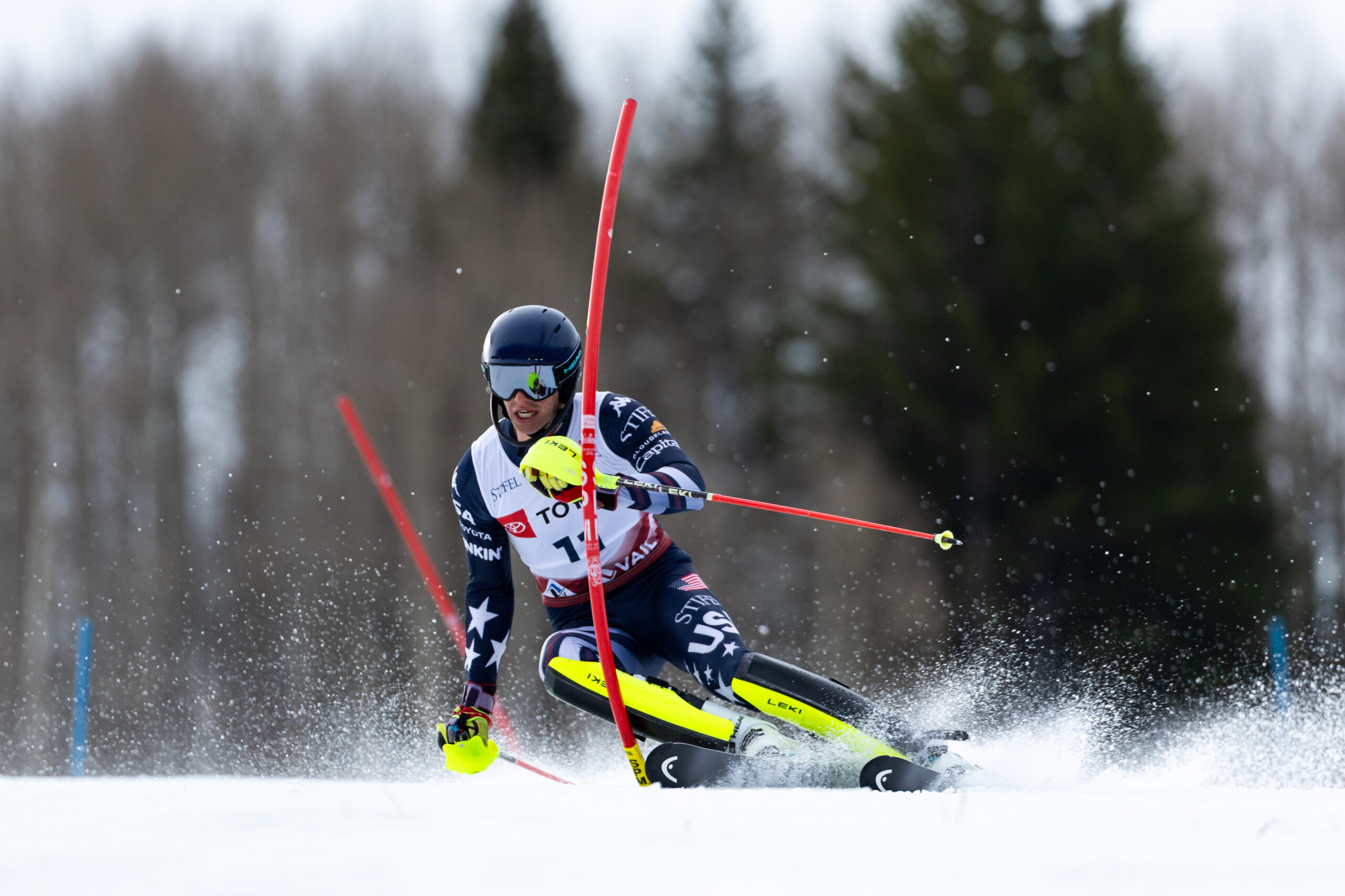
Hoder’s journey began in Stowe, a town synonymous with American ski racing heritage. His family’s relocation from Connecticut when he was four years old planted him firmly in a community where skiing fast was more than a pastime; it was a way of life. His father, a former collegiate racer at Bates College and professional circuit competitor, provided an immediate connection to the sport’s competitive demands. His mother fostered an environment encouraging activity and athletic engagement for Maxi and his older brother and sister. While soccer initially held a significant place in his athletic pursuits through high school, ski racing gradually ascended to the forefront. The pivotal shift wasn’t marked by a single victory or championship title, but rather an evolving, profound love for the sport itself. Unlike many junior racers who limit their focus to their immediate events, Hoder immersed himself in the broader narrative of the World Cup circuit, following athletes, rivalries, and seasonal storylines with an academic zeal. This comprehensive engagement solidified a singular ambition: "That’s kind of where I always wanted to be—a World Cup skier," he affirmed. Stowe, nestled in the heart of Vermont’s Green Mountains, has long been a crucible for American ski talent, providing the terrain, community, and infrastructure necessary to forge elite athletes. The state boasts a rich history of producing Olympic and World Cup skiers, a tradition that Hoder is now poised to continue.
The Mt. Mansfield Pathway: A Holistic Development Approach
Central to Hoder’s formative years and athletic development was the symbiotic relationship between the Mt. Mansfield Ski Club and Mt. Mansfield Academy. Hoder joined the ski club as soon as he was eligible, often preceding official enrollment by shadowing his father and older siblings on the mountain during weekends. His father’s eventual role as a part-time coach further integrated skiing into the family’s shared experience, providing invaluable mentorship and countless hours on the snow. Hoder later became part of the inaugural sixth-grade class at Mt. Mansfield Academy, remaining there through his graduation. This extended tenure meant that nearly his entire athletic development occurred within one of North America’s most esteemed ski racing programs, renowned for its structured yet holistic approach.
The academy’s influence extended far beyond technical gate training and race results. It cultivated an environment where students "lived and breathed skiing." Teachers were invested in race outcomes, coaches dedicated themselves deeply to athlete development, and ski racing permeated the very culture of the institution. It was not merely an extracurricular activity but an integral component of identity and community. Hoder credits Mt. Mansfield’s enduring strength to its ability to instill a lifelong appreciation for the sport. "They try to develop you into a fan of the sport rather than just a competitor," he observed, highlighting a philosophy that fosters intrinsic motivation and a deeper connection to skiing beyond competitive pressures.
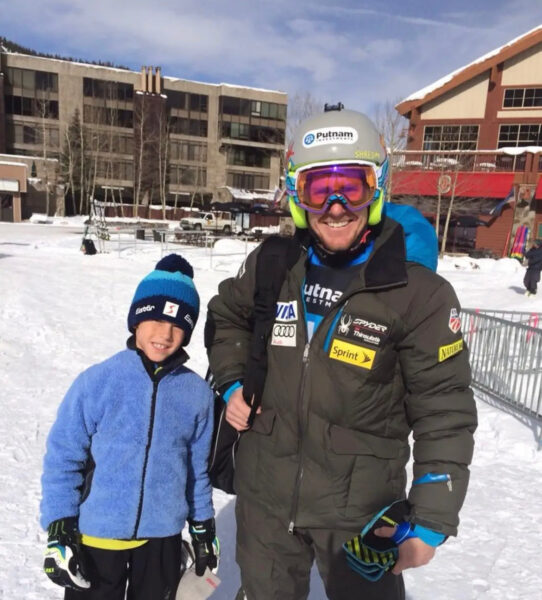
Several mentors played critical roles in shaping Hoder’s capabilities. Junior Program Director Micheline Lemay coached him for over six years, guiding him through foundational stages. Lorant Gudasz provided instrumental guidance for four years during key phases of his junior career. Perhaps most influentially, Tabor Engelken worked closely with Hoder throughout much of his FIS career. Their collaboration extended beyond his time in Vermont, with Hoder frequently seeking Engelken’s counsel on video analysis, technical adjustments, and race strategy. This enduring relationship gained new significance with Engelken’s recent appointment to the Stifel U.S. Ski Team coaching staff, ensuring continuity in Hoder’s professional development. Longtime Mt. Mansfield Ski Club executive director Igor Vanovac also provided unwavering support, a consistent figure in Hoder’s ascent. The program also fostered crucial peer relationships; future Stifel U.S. Ski Team teammate John Kerbaugh became one of Hoder’s closest training partners, their mutual pushing in daily sessions elevating both their levels. Beyond structured training, Mt. Mansfield encouraged the development of "complete skiers." Hoder spent countless hours free skiing, exploring Stowe’s challenging glades, honing skills in terrain parks, and cultivating a versatility that, while not always reflected in race times, built a robust athletic foundation essential for the varied demands of international alpine racing. These experiences, he noted, "helped build the athletic foundation that would later serve him well on the international stage."
The Strategic European Immersion: APEX2100 and Elevated Competition
Upon graduating from Mt. Mansfield Academy, Hoder faced a critical juncture in his career. While many American athletes opt for domestic collegiate or club programs to continue their development, Hoder chose a different path, joining APEX2100, a European-based academy. This decision was informed by several factors, including his French heritage through his mother and significant time spent in France during his youth. Crucially, APEX2100 was rapidly assembling a highly competitive roster of athletes and coaches, presenting an unparalleled opportunity for accelerated growth. "It seemed like APEX was building a really, really competitive team," Hoder explained, indicating his strategic choice to immerse himself in a high-performance environment.
He spent two seasons with the program, training and racing extensively across Europe. This exposure to deeper fields of competition—pitting him against athletes from traditional alpine powerhouses like Austria, Switzerland, France, Italy, and Norway—proved transformative. The daily demands of European racing forced Hoder to elevate his standards, adapt to diverse snow conditions, and refine his tactical approach. This rigorous immersion not only honed his technical skills but also instilled a profound sense of confidence, affirming that he possessed the talent and tenacity to compete among the world’s best. The choice to train in Europe, while challenging logistically and culturally, is increasingly favored by ambitious American racers seeking direct exposure to the sport’s global epicenters and the highest levels of competitive pressure outside the World Cup.
The 2025-26 Season: A Confluence of Talent and Opportunity
The 2025-26 season stands as a landmark in Hoder’s career, a period where all elements of his dedicated training and strategic choices coalesced into undeniable success. He solidified his reputation as one of North America’s strongest young slalom racers while unequivocally demonstrating his capability to perform on the international stage. The bronze medal at the FIS Junior World Ski Championships was a particularly significant achievement. Junior Worlds is a critical stepping stone, often identifying athletes poised for World Cup success. American skiing has a proud history at this event, with past medalists frequently transitioning to senior team prominence. Hoder’s podium finish placed him among an elite cohort of junior slalom skiers, drawing attention from national team selectors and ski industry observers alike.
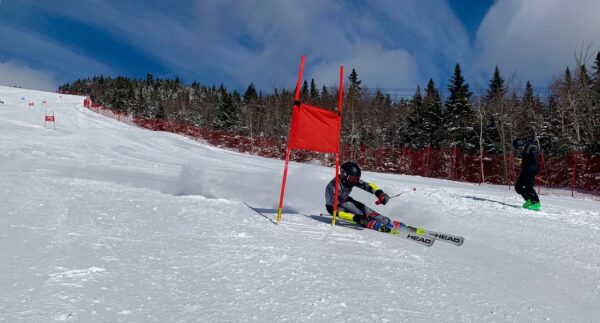
Concurrently, his consistent performance on the NorAm Cup circuit provided a strong foundation. Five top-10 finishes and two podium appearances across the season were not incidental; they were the result of consistent execution and a developing mastery of technical racing. Finishing second in the season-long NorAm slalom standings is a testament to his overall dominance within the continental circuit. This achievement carries significant weight, as it directly secured him a personal start position in World Cup slalom for the 2026-27 season. This provision allows an athlete to bypass initial qualification rounds for a select number of World Cup races, offering a direct entry point into the sport’s highest echelon. Furthermore, his four Europa Cup starts provided invaluable experience, allowing him to gauge his abilities against a broader field of professional racers just below the World Cup level. These cumulative results presented an overwhelming case for national team selection, a decision that the Stifel U.S. Ski Team readily endorsed, recognizing Hoder’s immense potential and strategic development.
Navigating the World Cup Threshold: A Measured Approach
While Hoder has now earned a coveted World Cup start position, his approach to its utilization for the upcoming winter is characterized by prudence and long-term vision. The initial plan involves opening the season at the World Cup slalom in Levi, Finland, a renowned early-season technical race, followed by remaining in the region for Europa Cup races scheduled the subsequent week. This strategy allows him to experience the intense atmosphere of a World Cup event while also ensuring continued competitive exposure and development within the Europa Cup circuit, a crucial bridge to sustained World Cup performance.
The frequency of his subsequent World Cup appearances will be determined by a careful evaluation of his performance, ongoing development priorities, and the intricate scheduling demands of elite ski racing. This measured approach underscores Hoder’s understanding that merely reaching the World Cup is one significant challenge; establishing oneself as a consistent, competitive force on that circuit is an entirely different, more demanding endeavor. For now, the focus remains squarely on continuing the robust progression that has defined his career thus far—a journey that has taken him from the local slopes of Stowe to the developmental programs of Mt. Mansfield, from the familiar landscapes of Vermont to the competitive crucible of Europe, and finally, from junior racing aspirations to the esteemed ranks of the Stifel U.S. Ski Team. The young enthusiast who once rose before dawn to watch his idols now possesses his own opportunity to carve a legacy on the world stage. The next chapter of Maximilien Hoder’s promising career officially begins in Levi, a moment that could very well mark the genesis of something truly special for one of America’s most exciting young slalom racers.

