
The international winter sports community is currently grappling with a growing tension between the commercial necessity of staging events in urban centers and the traditional preservation of snow-based competition. Julia Tannheimer, a 21-year-old German biathlon talent who boasts five gold medals and three silver medals from her junior world championship tenure, has issued a stark ultimatum to the International Biathlon Union (IBU). In a recent interview with BR24Sport, Tannheimer declared that she would consider ending her professional career if the sport transitions to asphalt-based roller skiing during the winter season as a climate-mitigation strategy.
Tannheimer’s stance, while personal, reflects a broader, existential anxiety permeating the ranks of elite Nordic athletes. Her comments follow the high-profile success of the "Loop One" event in Munich, a spectacle that brought world-class biathlon to a metropolitan audience using artificial surfaces. While the event was hailed as a marketing triumph, it inadvertently catalyzed a debate regarding the future of a sport inherently defined by its relationship with winter environments.
The Rise of Urban Biathlon and the Loop One Precedent
The "Loop One" event, held in Munich last weekend, served as a showcase for the intensity of modern biathlon. By bringing the sport into the city center, organizers successfully attracted tens of thousands of spectators, proving that the sport has significant untapped commercial potential outside of remote, mountainous venues. The participation of top-tier athletes was largely viewed as a necessary engagement with fans and sponsors.
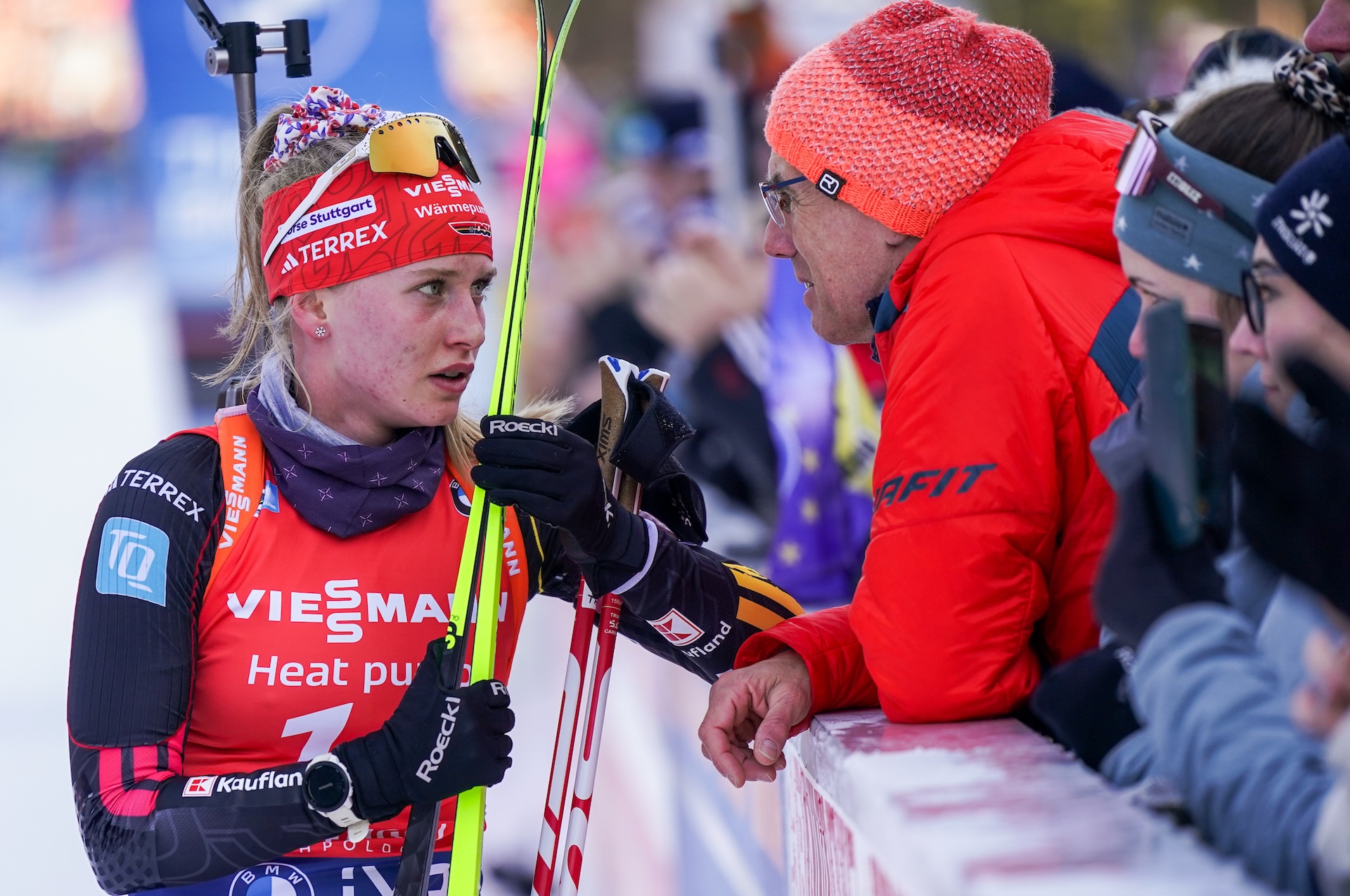
However, the event also functioned as a proof-of-concept for a climate-uncertain future. As temperatures continue to rise across Central Europe, traditional ski resorts face increasing challenges in maintaining reliable snow coverage. In response, organizers and international federations are testing whether urban, asphalt-based courses—traditionally reserved for summer training—can serve as a viable alternative for the competitive winter calendar.
For athletes like Tannheimer, the distinction between summer preparation and winter competition is absolute. The technical requirements, the physical impact on the body, and the fundamental aesthetic of biathlon are inextricably linked to snow. To replace that with tarmac is, in her view, to fundamentally alter the identity of the sport she has spent her life mastering.
Chronology of Climate-Driven Challenges
The pressure on winter sports federations to adapt to climate change has been mounting for over a decade. The timeline of this transition is marked by several key developments:
- 2014-2018: Increased investment in "snow farming"—a method of storing snow from the previous winter under insulating layers of sawdust or synthetic fabric to be used in the following season. This became the industry standard for ensuring early-season race viability.
- 2020-2022: A surge in research and development regarding artificial snow production, utilizing more energy-efficient and temperature-resilient technologies. Despite this, record-high temperatures in late December and early January began forcing the cancellation or relocation of iconic World Cup venues.
- 2023: The FIS (International Ski and Snowboard Federation) began exploring more radical structural changes to the race calendar, including potential urban, non-snow events to ensure broadcast continuity.
- 2024: The introduction of the "Loop One" concept in Munich signaled a shift from "saving the race" to "designing the race" around non-snow environments.
- 2025-2026: The current period of public friction, where athletes are beginning to draw firm lines regarding what they consider to be "legitimate" competition.
Technical and Physiological Implications
The concerns raised by Tannheimer are rooted in the physical differences between skiing on snow and roller skiing on asphalt. Biathlon, by its nature, places extreme demands on the musculoskeletal system. The impact forces associated with skiing on snow—which allows for a degree of glide and absorption—are significantly different from the rigid, high-impact nature of roller skiing.
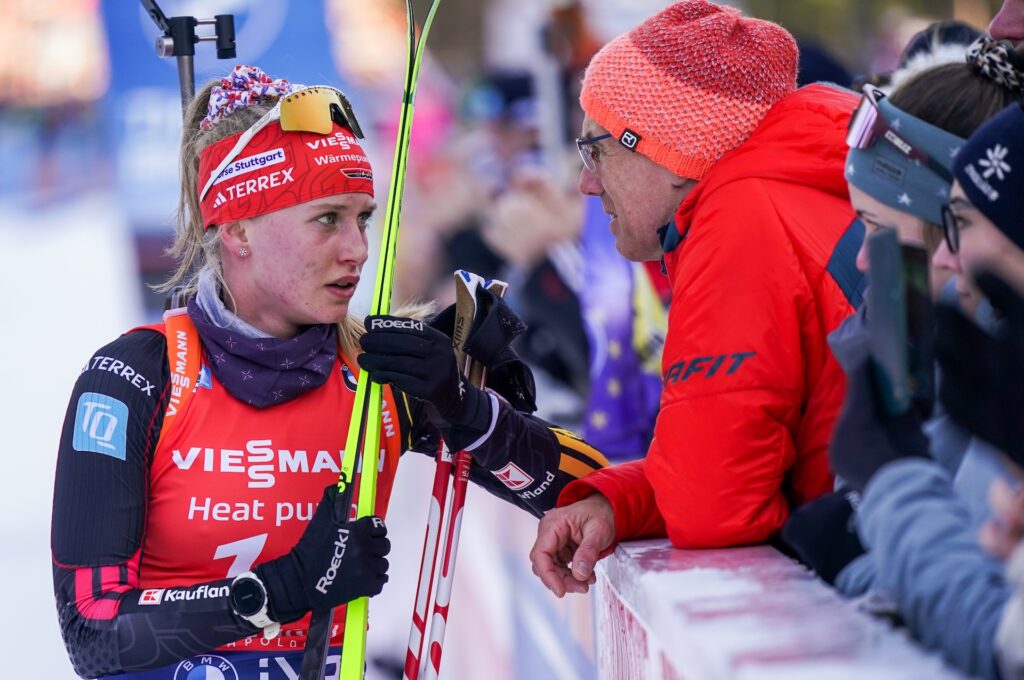
Furthermore, the technical nuances of edge control and wax application are rendered obsolete on asphalt. For a professional, the shift would require an entirely different biomechanical approach, potentially leading to increased injury rates and a dilution of the specific skill sets developed by elite biathletes since childhood. Analysis from sports physiologists suggests that while roller skiing is an excellent training tool for cardiovascular conditioning, transitioning to it for competitive winter events could necessitate a complete overhaul of training periodization, which is already optimized for the snow season.
Official Responses and the Stance of the IBU
The International Biathlon Union (IBU) currently maintains a policy of cautious adaptation. Unlike the FIS, which has faced intense criticism from prominent cross-country skiers for proposing the inclusion of roller ski events in the official World Cup standings, the IBU has been more conservative.
Christian Winkler, the IBU’s communications director, addressed the concerns in the wake of Tannheimer’s comments. Winkler noted that while the IBU is aware of the climate challenges, the organization remains committed to snow-based competition. "We have made significant strides in snow production and storage technologies," Winkler stated. "At present, we can continue to offer high-quality conditions for our athletes and our events."
This response suggests that the IBU is currently prioritizing the "snow-farming" and artificial snow model over the "asphalt alternative." However, observers note that this is a race against time. As global temperatures rise, the energy and water costs of artificial snow production will inevitably come under scrutiny, both from an environmental perspective and a financial one.
Broader Implications for Winter Sports
The controversy surrounding Tannheimer’s ultimatum highlights a growing divide between the sport’s commercial stakeholders and its participants. Media partners and sponsors, eager to ensure that races are not cancelled due to warm weather, view the move toward urban centers as a safeguard for television revenue. Athletes, however, view the potential abandonment of snow as a threat to the integrity of the sport.
There is also the matter of international equity. While European urban centers have the infrastructure to host roller ski events, the sport is a global discipline. The loss of the traditional, snow-reliant calendar would disproportionately affect nations and regions that lack the urban density or financial capital to invest in sophisticated, non-snow infrastructure.
The discourse has also touched upon the "soul" of the sport. Biathlon is historically a sport of the wilderness, of the forest, and of the mountain. By moving into the city, the sport risks losing the unique atmospheric quality that draws millions of viewers to watch the pursuit of a target while battling the elements.
The Path Forward
As the 2026-2027 season progresses, the pressure on the IBU to provide clarity will likely increase. Julia Tannheimer’s threat is a clear indication that the next generation of talent is unwilling to accept a transition that they perceive as a compromise of their professional standards.

To avoid a potential exodus of top-tier talent, sports governing bodies will likely need to engage in a more transparent dialogue with athletes regarding long-term climate adaptation strategies. This may include:
- Strict Certification of Venues: Establishing clear, scientifically backed criteria for what constitutes a viable snow-based venue, thereby reducing the reliance on last-minute, low-quality solutions.
- Sustainability Investment: Diverting funds toward cleaner, more efficient snow-making and cooling technologies that minimize the environmental footprint of winter sports.
- Calendar Optimization: Adjusting the World Cup schedule to prioritize regions with historically reliable snowfall, rather than adhering to rigid, legacy-based scheduling.
For now, the biathlon world remains in a state of uneasy equilibrium. The success of the Munich event has proven that the fans will follow the sport into the city, but the athletes—led by vocal, high-performing individuals like Tannheimer—have signaled that there is a limit to how far the sport can drift from its origins. Whether this leads to a reconciliation between tradition and innovation, or a widening rift within the sport, remains one of the most critical questions facing the winter sports industry in the coming decade.
The situation serves as a microcosm for the larger challenges facing all outdoor sports in the 21st century: how to remain relevant in a changing climate without losing the essence of the activities that defined them in the first place. For Tannheimer, the answer is simple: keep the snow, or lose the athletes. The industry now faces the daunting task of proving that it can do both.

