
Memorial Day weekend annually marks a critical juncture for the winter sports retail sector, transforming into a significant opportunity for consumers to acquire high-performance ski and snowboard equipment and apparel at substantially reduced prices. This year, retailers across the industry are implementing aggressive discounting strategies, with price reductions reaching up to 70 percent on previous season’s merchandise. This widespread clearance event serves a dual purpose: it allows retailers to efficiently manage inventory in preparation for the upcoming winter season’s product lines, while simultaneously offering enthusiasts a strategic window to upgrade their gear or make aspirational purchases more affordable.
The phenomenon of deep discounts during holiday weekends, particularly Memorial Day, is not arbitrary but rather a calculated move within the highly seasonal ski industry. Following the conclusion of the typical ski season in late spring, retailers find themselves with residual inventory from the prior year. Holding onto this stock through the summer months incurs storage costs and risks obsolescence as new models are introduced in the fall. Therefore, liquidating these items becomes an economic imperative, and a national holiday known for consumer spending provides the ideal platform.
The Cyclical Nature of Ski Retail and Inventory Management
The ski and snowboard industry operates on a distinct annual cycle, largely dictated by weather patterns and consumer demand fluctuations. The peak selling period typically runs from late fall through early spring, aligning with the ski season. As spring progresses and resorts begin to close, demand for winter-specific gear naturally declines. This seasonal shift necessitates a strategic approach to inventory management. Retailers must balance having enough stock to meet demand during the peak season with avoiding an excessive surplus once the season ends.
Memorial Day, positioned in late May, represents one of the final major opportunities for retailers to move significant volumes of last season’s goods before the full onset of summer. This contrasts with "pre-season" sales events that typically commence in late summer or early fall, which often feature early access to new collections or slightly less aggressive discounts on current-season items. The Memorial Day sales, by contrast, are characterized by their "end-of-season clearance" ethos, targeting consumers who are willing to purchase gear a few months in advance of the next winter for substantial savings. This chronological positioning makes Memorial Day a crucial liquidity event for the entire supply chain, from manufacturers to independent ski shops and large online retailers.
Industry data consistently shows that a significant portion of annual revenue for outdoor recreation retailers is generated during key holiday sales periods. For the winter sports segment, the post-season clearance, spearheaded by events like Memorial Day, is critical for maintaining healthy inventory turns and freeing up capital for future investments in new product lines. Retailers strategically plan these sales months in advance, often coordinating with manufacturers to maximize efficiency in stock rotation.
Economic Drivers and Consumer Behavior in Off-Season Sales
The economic landscape plays a significant role in shaping the magnitude and appeal of these sales. In recent years, factors such as fluctuating inflation rates and evolving consumer spending habits have underscored the value proposition of off-season discounts. Consumers, increasingly discerning about their discretionary spending, are more inclined to make large purchases like skis or high-end jackets when significant savings are available. The perception of getting a "deal" on premium equipment can be a powerful motivator, encouraging purchases that might otherwise be deferred.
Industry analysts suggest that holiday sales weekends account for a substantial portion of annual retail revenue across various sectors. For the ski industry specifically, Memorial Day sales tap into a demographic often characterized by its passion for the sport and a willingness to invest in quality equipment, provided the price point is attractive. Data from market research firms specializing in outdoor recreation often indicates a spike in online and in-store traffic for outdoor gear retailers during these periods. For instance, a generalized trend might show that consumers purchasing during off-season sales tend to focus on items with higher average ticket prices, such as skis, boots, or technical outerwear, where the absolute savings are most significant. This behavior allows consumers to access performance-enhancing gear that might otherwise be beyond their immediate budget.
Moreover, the psychological aspect of holiday sales cannot be overstated. The anticipation of a long weekend, coupled with promotional messaging, creates a sense of urgency and excitement around shopping. For skiers and snowboarders, this translates into an opportunity to fulfill long-standing wish list items or to prepare for the upcoming season without the pressure of peak-season pricing. This strategy not only clears inventory but also fosters customer loyalty and engagement, ensuring that skiers remain connected to their preferred brands and retailers even during the off-season.
Featured Products: Strategic Discounts on High-Performance Gear
This year’s Memorial Day sales showcase a wide array of products, from all-mountain skis to specialized apparel and accessories, reflecting the diverse needs of the skiing community. The featured deals highlight not only the depth of discounts but also the strategic decisions by brands and retailers to move specific categories of inventory.
Salomon QST 106 Skis (2026 Model Year): A Versatile All-Mountain Performer
Among the most sought-after items during this sale are the Salomon QST 106 skis. The QST series has garnered significant acclaim within the ski community for its versatile all-mountain performance, blending freeride capabilities with surprising groomer prowess. The 106mm waist width positions it firmly in the sweet spot for skiers seeking a single ski that can handle a variety of conditions, from powder days to chopped up crud and even firm snow.
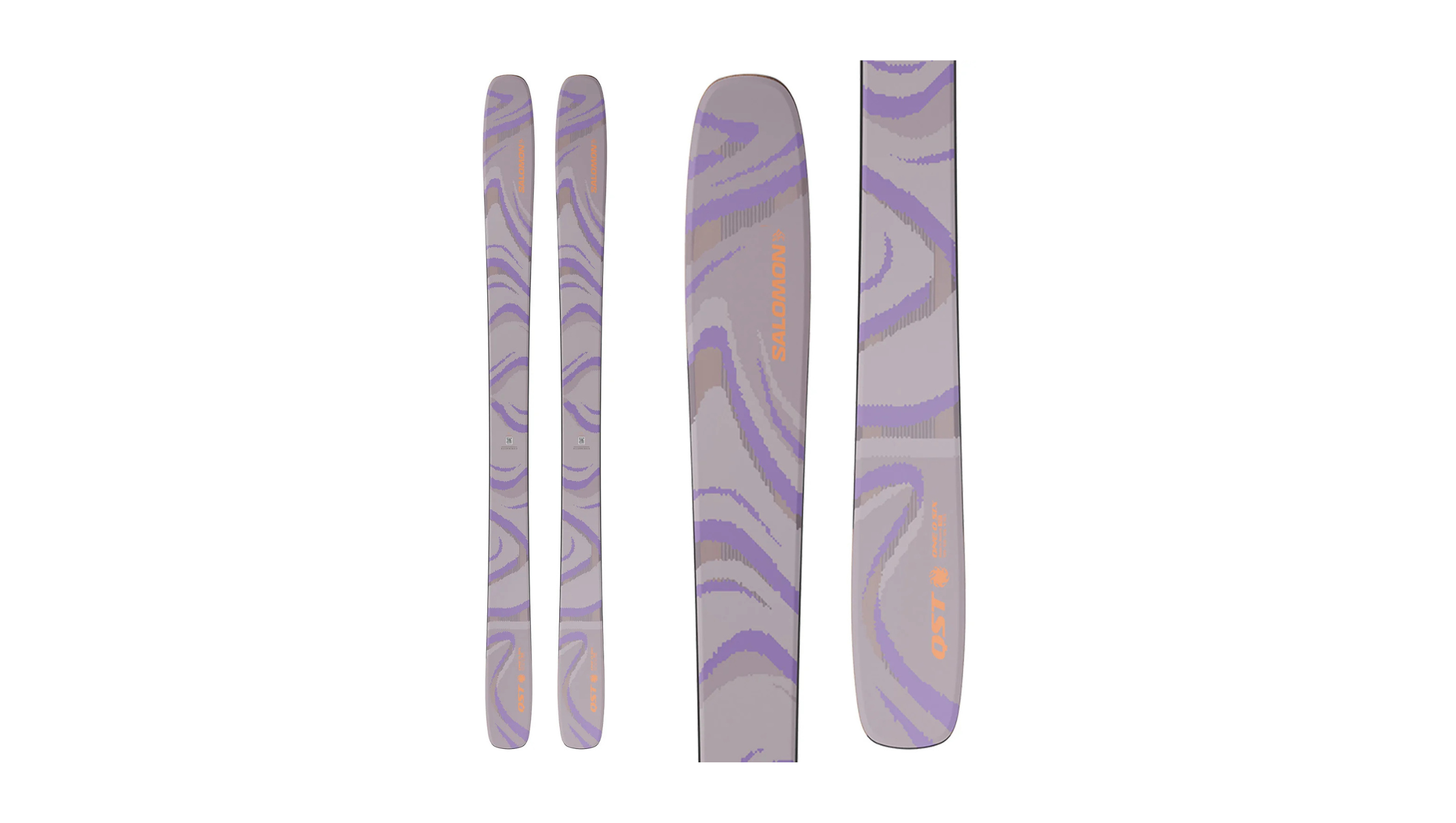
The 2026 model, available with a distinctive purple topsheet, is engineered with a stiffer flex profile and enhanced vibration control, making it suitable for advanced intermediates and expert skiers looking to push their limits across diverse terrain. These design characteristics contribute to a stable and powerful ride, inspiring confidence at speed and through challenging snow conditions. For those who prefer a slightly narrower option, the QST 100, a highly regarded variant within the same family, is also seeing substantial price reductions, dropping to approximately $490 from its original $700. This flexibility in waist width caters to different preferences and typical snow conditions encountered by skiers. The availability of these models at such significant discounts underscores Salomon’s strategy to clear out previous year’s stock to make way for new iterations, while simultaneously allowing a broader audience to experience their premium line. Detailed reviews consistently praise the QST’s ability to pivot between playful maneuverability and assertive edge hold, cementing its reputation as a top-tier all-mountain freeride ski.
Halfdays Hedy Belted Puffer Coat: Fashion Meets Function in Skiwear
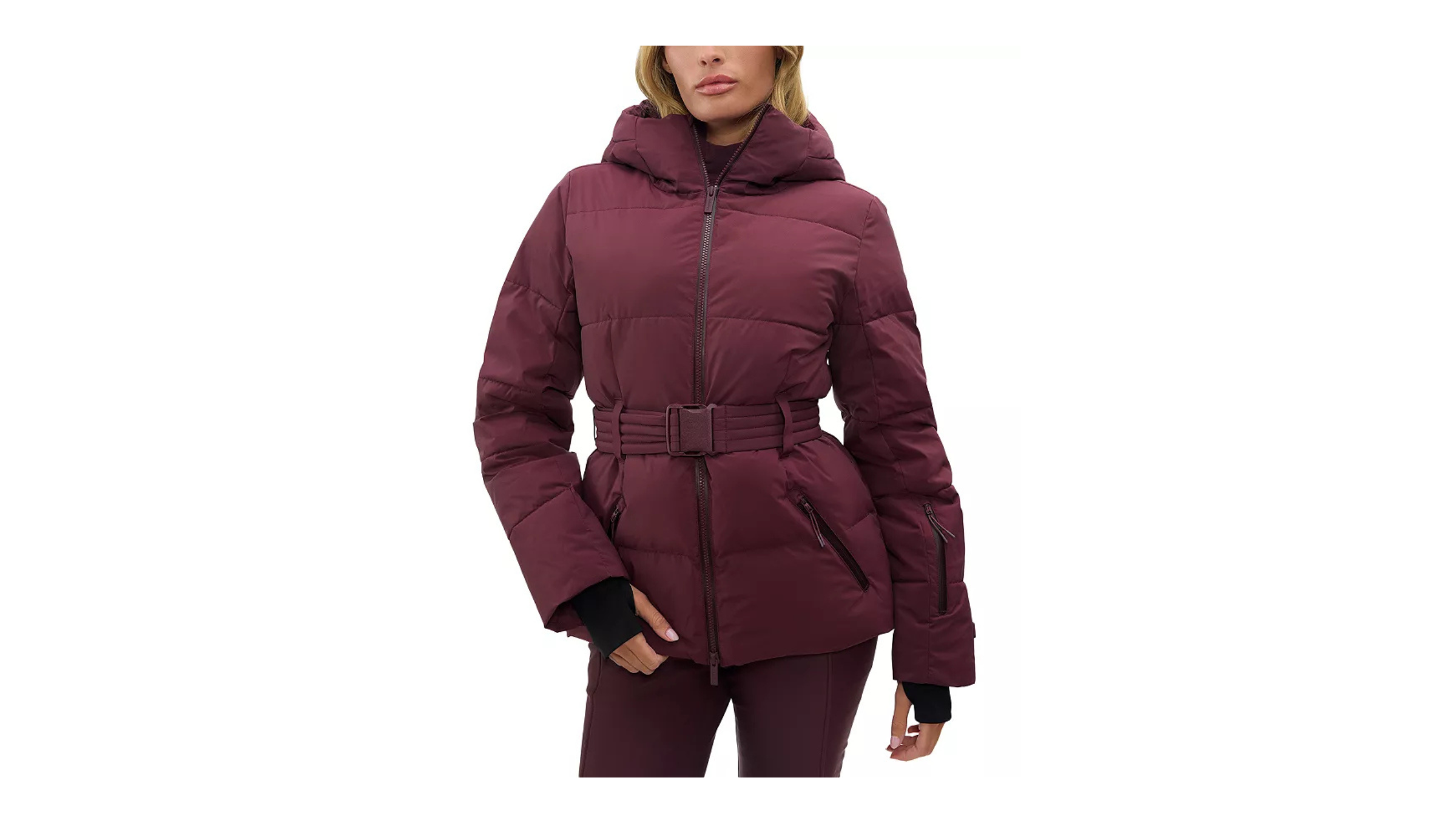
The growing segment of female-owned and operated skiwear brands, such as Halfdays, is making a notable impact by blending high fashion with uncompromising functionality. The Hedy Belted Puffer Coat, a prime example of this trend, has been identified with significant discounts, particularly within major department store sale sections like Bloomingdale’s. This strategic placement allows specialized brands to reach a wider audience while leveraging the promotional power of larger retail chains.
The Hedy Puffer, celebrated for its stylish silhouette and practical design, represents a convergence of aesthetic appeal and technical performance crucial for cold-weather sports. The deep discounts, including the matching Emma Snow Pants available for under $100 (a 70 percent reduction from retail), highlight the aggressive clearance efforts. The availability of multiple colors and sizes, albeit often under a "final sale" policy, presents a compelling offer for consumers seeking high-quality, fashion-forward outerwear. This particular deal illustrates how retailers are working to clear specific apparel lines that may be transitioning out of their current collections or making space for new seasonal designs. The rise of brands like Halfdays also reflects a broader industry trend towards more inclusive and diverse product offerings that cater specifically to the preferences and needs of female skiers.
Rossignol Sender Soul 102: The Hard-Charging All-Mountain Icon
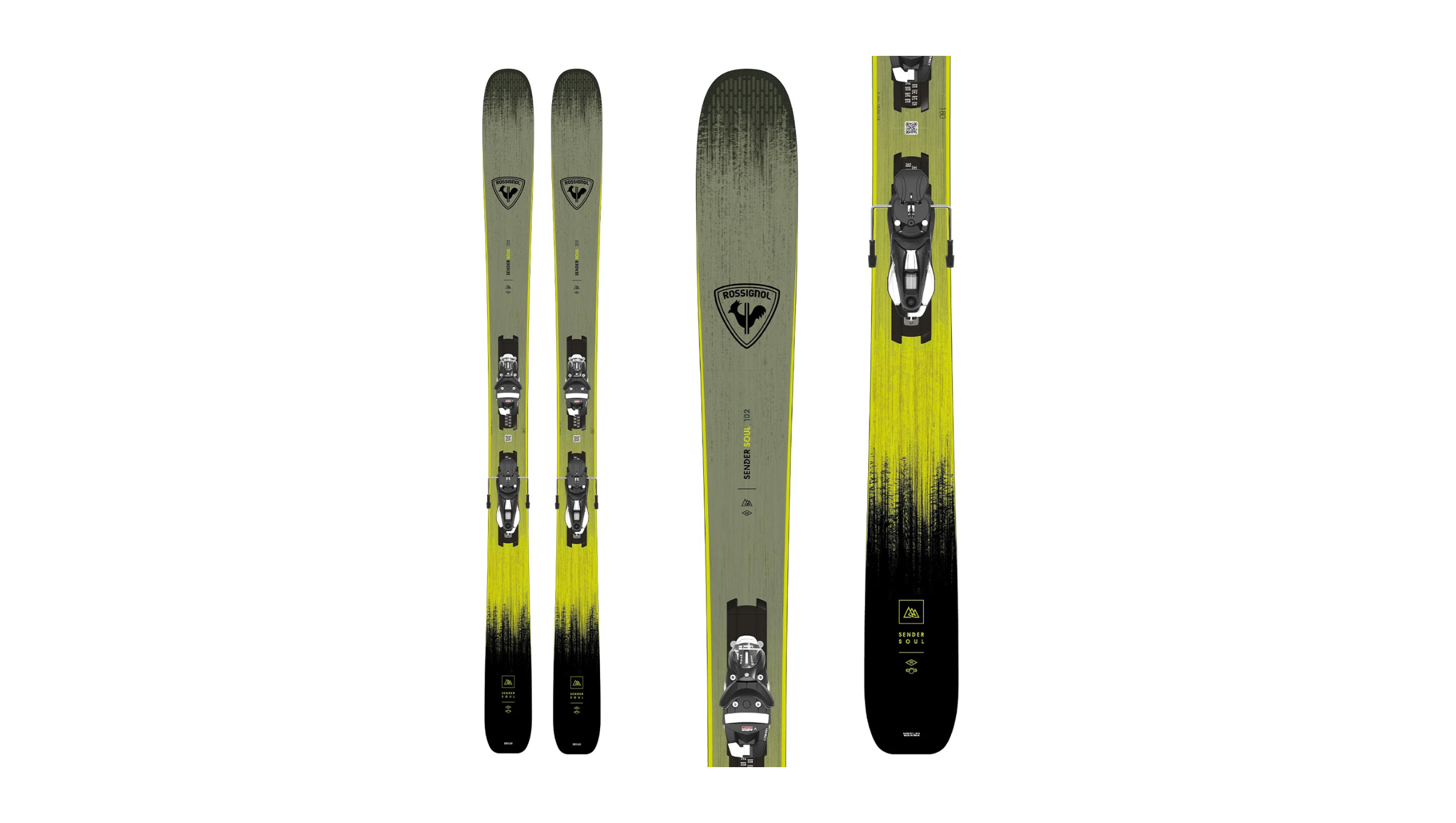
For skiers in search of a new, hard-charging all-mountain ski, the Rossignol Sender Soul 102 stands out as an exceptional deal, often bundled with bindings. This model effectively replaced the beloved Rossi Soul 7, inheriting its playful character while introducing enhanced stability and carving capabilities. The Sender Soul 102 strikes an impressive balance, offering both a "surfy" feel in soft snow and confident edge hold on harder packed surfaces.
A key factor driving the appeal of this particular deal is the continuity in its design: the 2024 and 2026 models share the same construction. This consistency means that consumers are acquiring a technically identical, high-performance ski at a steep discount, without compromising on current design or technology. Rossignol, a brand with a rich heritage in ski manufacturing, has positioned the Sender Soul series as a versatile option for advanced skiers who demand performance across the entire mountain. The inclusion of bindings in many of these promotional packages further amplifies the value, making it an attractive proposition for those needing a complete setup. The Sender Soul 102’s ability to blend floatation with precision makes it a strong contender for skiers who frequent varied terrain and desire a ski that can adapt to changing conditions with ease.
Skida: Accessorizing for Comfort and Style
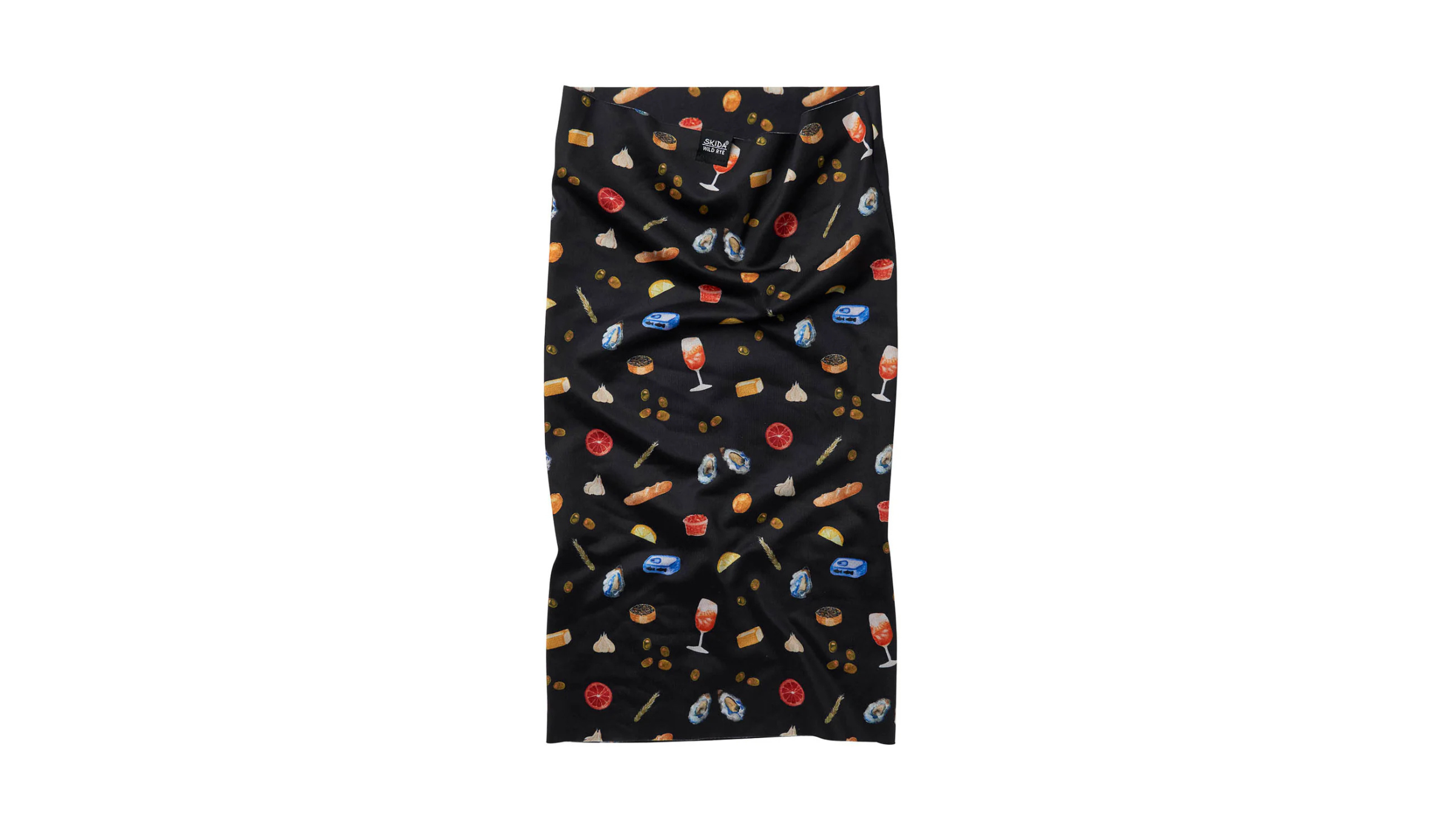
Beyond major equipment, essential accessories also feature prominently in Memorial Day sales. Skida, known for its vibrant patterns and high-quality headwear and neck warmers, is hosting its annual online "sidewalk sale," offering 40 percent off popular items. These accessories, including fleece hats and neck gaiters, are crucial for comfort and warmth on the slopes and during cold-weather activities.
The appeal of Skida lies not only in its functionality but also in its distinctive aesthetic. The availability of numerous fun patterns allows consumers to personalize their ski kit or create coordinated looks. The "act fast" recommendation often associated with such sales reflects the rapid turnover of popular prints and limited-edition designs. For brands like Skida, these sales are an effective way to clear seasonal patterns and make room for new collections, while maintaining brand visibility and engaging a loyal customer base. The market for ski accessories is robust, as these items offer an accessible entry point for new skiers and an easy way for experienced skiers to refresh their gear.
Blizzard Black Pearl 88: The Ubiquitous Women’s All-Mountain Ski
The Blizzard Black Pearl 88 holds a near-legendary status as one of the most popular women’s all-mountain skis on the market. Its consistent presence on ski hills globally and its strong reputation among users underscore its success. The Black Pearl 88 is a perennial favorite in ski tests, frequently cited for its exceptional versatility, balanced weight, and powerful performance.
Designed specifically for women, the Black Pearl 88 strikes an ideal balance for skiers who spend the majority of their time on groomed trails but also venture into moguls, trees, and light powder. Its 88mm waist width is often considered the optimal sweet spot for an all-mountain ski, providing quick edge-to-edge transitions on hardpack without sacrificing too much floatation in softer snow. The ski’s construction incorporates Blizzard’s TrueBlend Woodcore technology, which precisely tunes the flex pattern for optimal performance, offering both forgiveness and responsiveness. The opportunity to acquire such a highly regarded and reliable ski at a discounted price during Memorial Day sales is particularly attractive, making premium performance more attainable for a wider range of female skiers. Its enduring popularity is a testament to its consistent delivery of a powerful yet approachable ride.
Broader Implications: Sustainability, Market Dynamics, and Accessibility
The widespread Memorial Day ski gear sales carry implications beyond immediate consumer savings and retailer profits. They touch upon critical aspects of sustainability, influence broader market dynamics, and enhance accessibility to the sport.
From a sustainability perspective, these end-of-season clearance events play a role in reducing waste. By efficiently moving unsold inventory, retailers and manufacturers mitigate the need to hold onto outdated stock or resort to less environmentally friendly disposal methods. While the ideal scenario involves producing only what is needed, the realities of seasonal fashion and technological advancements mean that some overstock is inevitable. Sales provide an avenue for products to find a home rather than becoming landfill fodder, extending their useful life. Many brands are also increasingly conscious of their environmental footprint, and these sales, while primarily profit-driven, align with a secondary goal of resource optimization.
In terms of market dynamics, these sales are instrumental in clearing the stage for the introduction of next season’s gear. The ski industry, like many others, relies on a steady cycle of innovation and new product releases. By liquidating older models, brands create market space and consumer anticipation for the latest advancements. This choreographed release schedule helps maintain excitement and drives continued engagement within the sport. Furthermore, the competitive nature of these sales encourages innovation, as brands strive to create compelling new products that justify full retail prices in the upcoming season. The timing of these sales also allows manufacturers to gather data on consumer preferences and inventory performance, informing future production cycles.
Finally, the accessibility aspect is significant. Premium ski equipment can represent a substantial financial investment, potentially acting as a barrier for new participants or those with limited budgets. Deep discounts on high-quality, performance-oriented gear make the sport more accessible. A skier who might not otherwise be able to afford a top-tier pair of skis or a technically advanced jacket can now acquire them, potentially enhancing their experience on the mountain and fostering a deeper engagement with the sport. This democratizes access to better equipment, which can lead to improved skill development and greater enjoyment, ultimately contributing to the growth and longevity of skiing and snowboarding.
Strategies for Savvy Shoppers
For consumers looking to capitalize on Memorial Day sales, a structured approach can maximize savings and ensure satisfaction. Firstly, thorough research is paramount. Understanding product specifications, reading reviews, and comparing prices across different retailers can help identify the best deals and ensure the gear meets individual needs. Secondly, being aware of return policies, especially for "final sale" items, is crucial. While discounts are attractive, the inability to return or exchange can be a drawback if the product doesn’t fit or perform as expected. Lastly, considering the entire spectrum of needs – from major equipment like skis and boots to essential accessories such as helmets, goggles, and base layers – can lead to comprehensive savings. Many retailers, including large outdoor specialists like REI with its annual sale, often run parallel promotions that can be cross-referenced for additional opportunities. Planning ahead for the next season’s needs rather than purchasing impulsively is key to making truly valuable investments during these sales.
Conclusion
Memorial Day weekend transcends its traditional commemorative significance to become a critical economic event for the ski and snowboard industry. The confluence of end-of-season inventory clearance, strategic retail planning, and heightened consumer demand for value creates an unparalleled opportunity for skiers and snowboarders. With discounts reaching up to 70 percent on high-performance gear, this period allows enthusiasts to acquire premium equipment from leading brands like Salomon, Rossignol, Blizzard, Halfdays, and Skida at accessible price points. Beyond the immediate financial benefits for consumers and retailers, these sales contribute to the broader health of the industry by facilitating sustainable inventory practices, driving market innovation, and enhancing the accessibility of winter sports. As the industry looks ahead to the next winter season, Memorial Day serves as a powerful reminder of the cyclical nature of retail and the enduring passion for skiing.

