
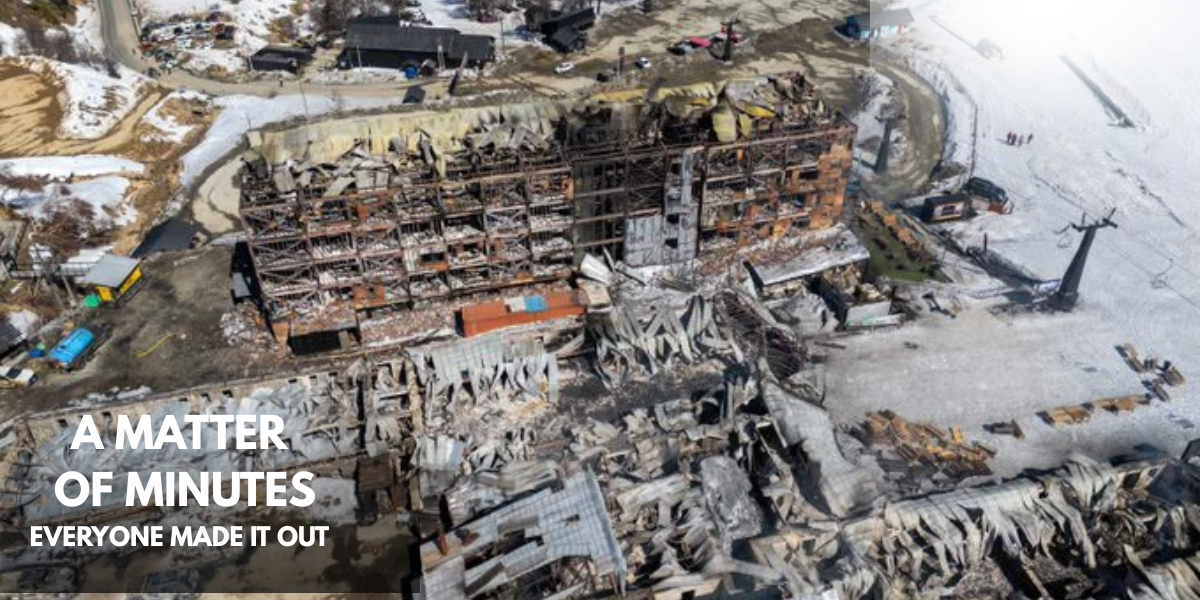
A catastrophic fire engulfed the Hotel Alto Nevados in Chile on September 6, resulting in the total destruction of the resort’s primary lodging facility and causing extensive damage to the surrounding infrastructure of the Nevados de Chillán ski area. The inferno, which necessitated the immediate cancellation of the highly anticipated FIS Masters Cup opener, serves as a sobering case study in international travel safety and disaster preparedness. While the physical losses are estimated to be substantial, local authorities and eyewitnesses confirmed that all guests and staff were evacuated without loss of life.
The Chronology of a Disaster
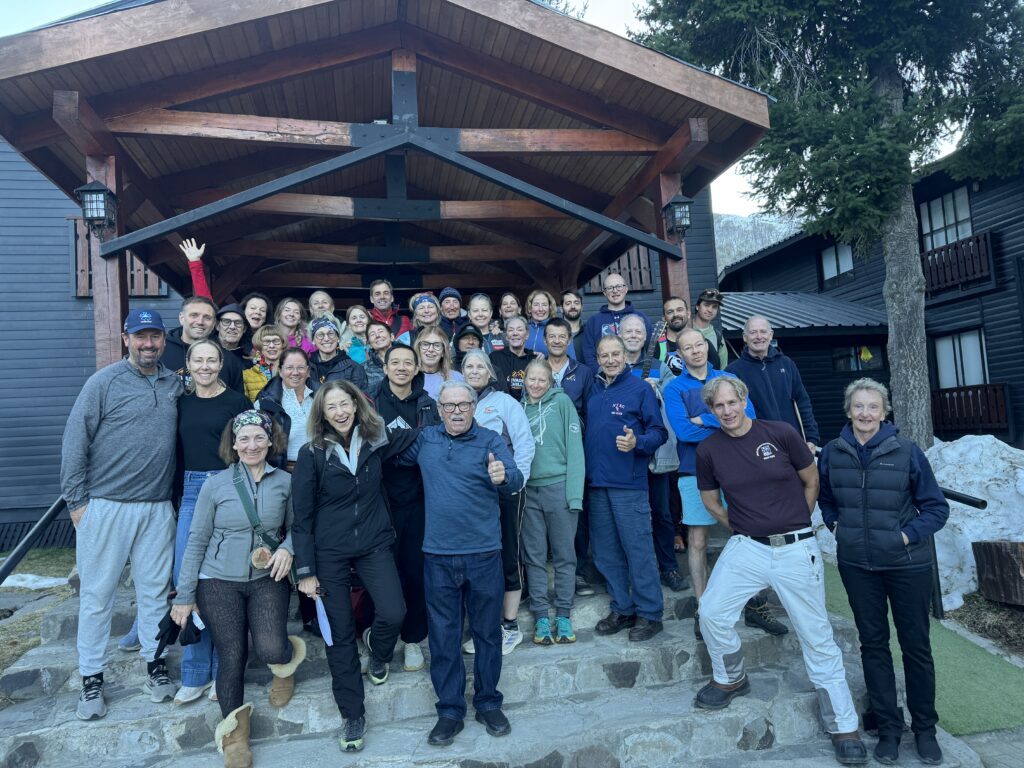
The blaze originated at approximately 5:30 p.m. local time. At the time of ignition, the hotel was hosting a cohort of roughly 40 athletes and coaching staff participating in an elite South American Masters camp. These international competitors, hailing from the United States, Canada, Australia, Great Britain, and France, had just concluded a strenuous day of slalom training.
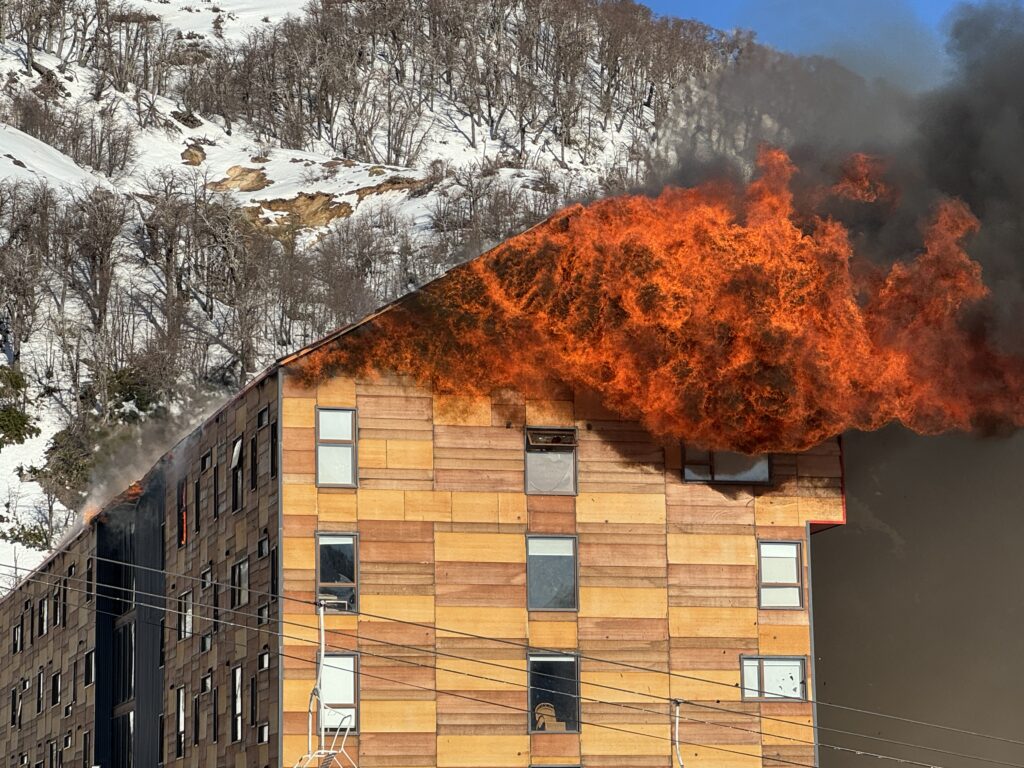
Lisa Ballard, the director of the camp, was in her fourth-floor room preparing for an evening video analysis session when she received an urgent call from a participant, Isabelle Reed. The alert preceded any official warning; guests reported a complete absence of auditory fire alarms or automated sprinkler activation. The evacuation process relied entirely on personal awareness, peer-to-peer warnings, and the intervention of resort staff, who navigated the halls to alert occupants.
By the time guests reached the snow-covered exterior, the structure was already compromised. The fire, which is suspected to have begun in the roof area, moved with alarming speed. For the athletes, the transition from professional training to emergency survival was instantaneous. Many were forced to flee in minimal clothing, leaving behind passports, electronics, and expensive racing equipment.
Structural Failures and Emergency Response Challenges
The event at Nevados de Chillán highlighted significant discrepancies between international safety standards. Unlike many North American hospitality venues, the facility reportedly lacked modern, interconnected fire detection systems and clearly marked, illuminated exit signage. These deficiencies were compounded by the resort’s remote geographic location.
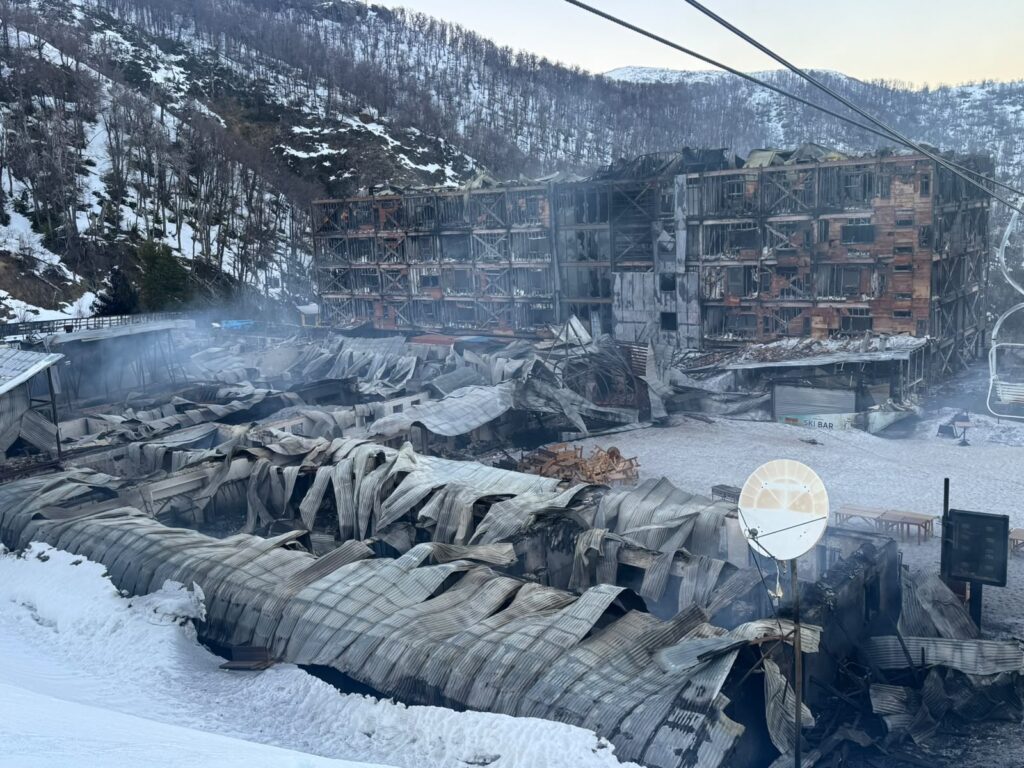
Emergency services, including regional firefighting units, faced logistical hurdles in reaching the high-altitude site. Estimates suggest a response time of approximately one hour, during which the fire spread from the roof to the lower levels. The ski patrol, while highly trained for medical emergencies on the slopes, lacked the heavy-duty equipment required for structural fire suppression. Instead, they pivoted to a search-and-rescue role, systematically sweeping the building to ensure no individuals were trapped in rooms or common areas.
The Human Toll and Resourceful Recovery
The immediate aftermath shifted from survival to humanitarian coordination. Displaced racers were transported to nearby condominiums and secondary accommodations as the resort scrambled to provide basic necessities.
The logistical complexity of the situation was immense. Many of the masters-level athletes, who range in age from 30 to over 80, required essential daily medications. Resort management and camp leadership organized emergency transit to the city of Chillán, roughly 90 minutes away, to secure pharmacy access well past midnight. Furthermore, the loss of travel documents necessitated urgent diplomatic intervention. The U.S. Consulate in Santiago played a critical role in facilitating emergency documentation for American citizens, while similar channels were established for other international participants.

The camaraderie of the skiing community became a vital resource. Ski manufacturers and industry partners reached out within hours of the incident, offering to replace lost racing gear and equipment. Despite the loss of roughly half the group’s personal inventory—including specialized skis, boots, and speed suits—the collective spirit remained focused on the safety of the group.
Implications for International Sports Tourism
The cancellation of the FIS Masters Cup reflects the severity of the infrastructure loss. Beyond the hotel, the fire damaged the resort’s rental shop, ski school, and vital retail and storage facilities. Preliminary assessments also indicate that heat from the blaze damaged the electrical and mechanical systems of nearby lift infrastructure.
For the international sports community, the incident serves as a catalyst for a broader discussion on travel safety protocols. Professional ski teams typically maintain rigorous safety plans for on-hill injuries and extreme weather, but the Nevados de Chillán fire has exposed a critical gap in hotel-specific emergency preparedness.
Travelers and professional teams are now re-evaluating their risk management strategies, focusing on three core pillars:
- Physical Preparedness: Maintaining "go-bags" containing essential travel documents, medications, and primary electronics in a centralized location by the bedside.
- Site Familiarization: Conducting proactive inspections of exits and stairwells upon arrival, regardless of the perceived safety of the facility.
- Technological Redundancy: Integrating portable, battery-operated smoke and carbon monoxide detectors into travel kits for international expeditions.
A Reflective View on Safety Culture
The incident has drawn attention to the disparity in building code enforcement between regions. The fact that the fire occurred during evening hours, rather than in the early morning, is widely cited by survivors as a "saving grace." Had the fire occurred while guests were asleep, the lack of audible alarm systems likely would have resulted in a significant loss of life.
The management and staff of Nevados de Chillán have been widely credited for their conduct under extreme duress. Despite facing the destruction of their own workplace, employees demonstrated a high level of dedication to guest welfare, working continuously for nearly 48 hours to manage logistics and emotional support.
Looking Ahead
While the physical structure of the Hotel Alto Nevados remains a loss, the focus of the FIS Masters community is currently on the recovery of the athletes and the long-term impact on the resort. The incident will likely lead to stricter scrutiny of safety protocols at international training venues.
For the athletes who stood in the snow watching the flames consume their equipment, the experience has been life-altering. The transition from the elite, controlled environment of a race course to the chaotic reality of a building fire has underscored the fragility of safety nets. As the displaced groups return to their home countries, they carry with them not only the trauma of the event but also a renewed commitment to personal vigilance.
The ordeal at Nevados de Chillán stands as a reminder that even in the most familiar of settings—whether a mountain resort or a remote training camp—the unexpected can occur with devastating speed. The survival of all 40 participants remains a testament to the importance of immediate, decisive action and the necessity of community support in the face of disaster. As the dust settles in Chile, the lessons learned will undoubtedly influence how international ski teams conduct themselves on the road for years to come.

