
The upcoming 2026-2027 biathlon season represents a pivotal juncture for Italian athlete Rebecca Passler, who is currently undergoing a significant career resurgence following a tumultuous period characterized by a high-profile doping investigation. Now operating under the guidance of newly appointed head coach and Norwegian Olympic legend Egil Gjelland, the 25-year-old South Tyrolean is recalibrating her focus toward the 2027 World Championships in Otepää, Estonia. This transition marks a departure from a challenging past year, as she seeks to establish herself as a permanent fixture among the world’s top-ten biathletes.
A Chronology of the Doping Controversy
The narrative surrounding Passler’s career was abruptly interrupted in January 2026, when she returned a positive test for the prohibited substance Letrozole. The news surfaced mere weeks before the Winter Olympic Games, placing her participation in serious jeopardy. The substance, often categorized under hormone and metabolic modulators, is strictly regulated by the World Anti-Doping Agency (WADA).
However, the legal proceedings that followed were swift. By February 2026, the Italian National Anti-Doping Tribunal issued a ruling that effectively cleared the path for her to compete. The tribunal’s decision was based on evidence suggesting that the presence of the substance was the result of unintentional contamination rather than a deliberate attempt to gain a competitive advantage. Despite this exoneration, the psychological toll of the public scrutiny and the uncertainty surrounding her career continuity remained a significant burden throughout the remainder of the winter season.
"It was undeniably a taxing period to navigate," Passler remarked in a recent interview with Fondo Italia. "The transition back to normality after such an intense ordeal required immense mental fortitude. Throughout this summer, I have channeled my energy into my training regimen, striving to maintain the professional focus expected of an elite athlete."
Technical Shift: The Gjelland Effect
The Italian women’s biathlon program underwent a major structural overhaul following the conclusion of the 2026 season. In a move that signaled Italy’s ambition to become a dominant force in the sport, the federation secured the services of Egil Gjelland. A decorated former athlete and a veteran coach, Gjelland arrived in Italy after an eight-year tenure as the head coach of the Czech Republic national team.
Gjelland’s pedigree is formidable. Having served as a coach for the Norwegian national team from 2010 to 2016—where he managed both the development squads and the senior men’s and women’s rosters—he brings a wealth of experience in high-performance sports science. His appointment is part of a long-term strategy, with his contract extending through the 2030 Winter Olympics.
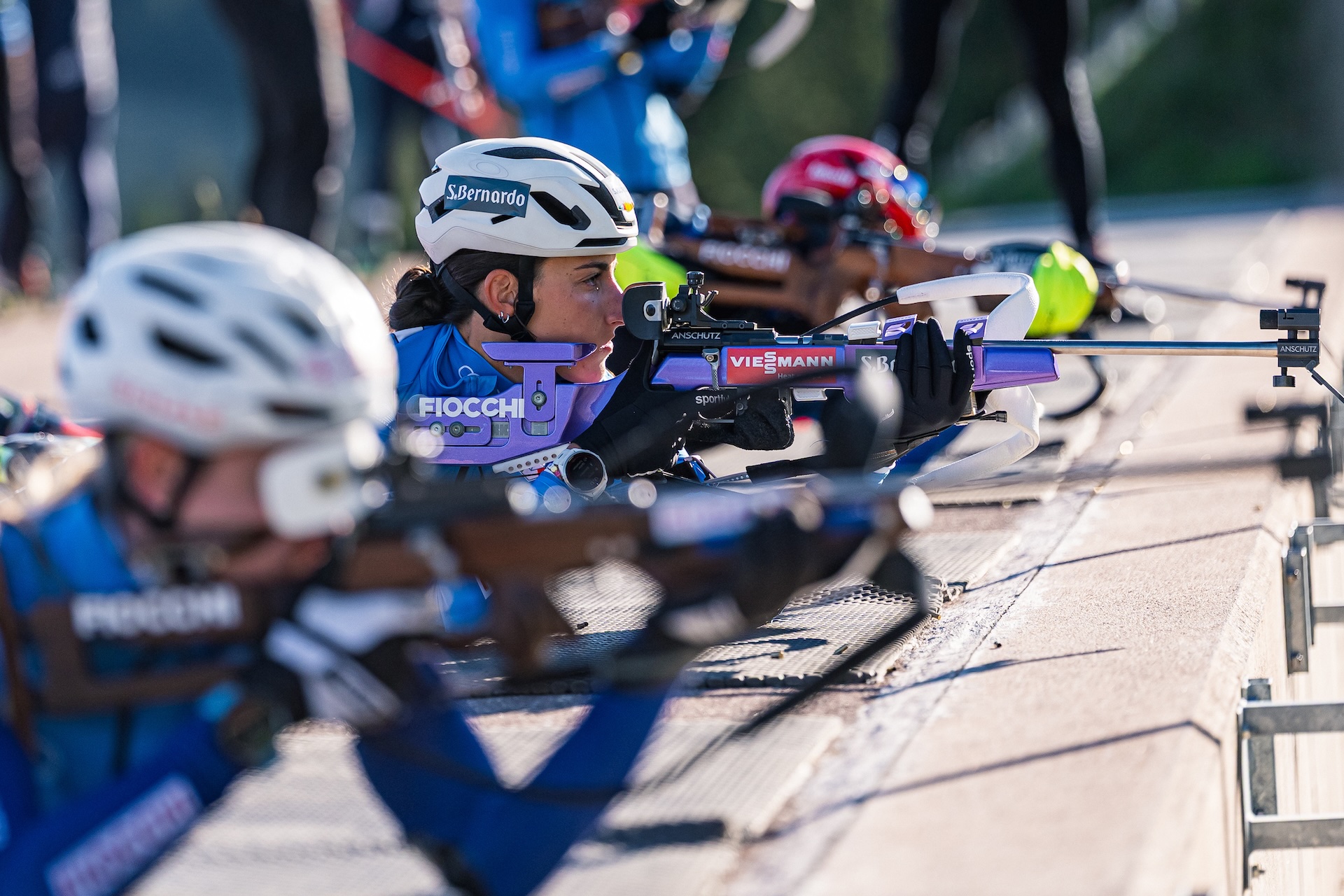
The initial feedback from the team suggests a seamless integration. Hannah Auchentaller, a peer of Passler and a core member of the Italian squad, noted that the change in leadership arrived at a critical time for the program. "We were in a state of flux, unsure of who would lead our tactical and physical development," Auchentaller stated. "Working with Gjelland has been an incredibly positive experience. The synergy was instantaneous; the intensity of our training has increased, and we are working with a sense of purpose that is already yielding results in our off-season performance metrics."
Statistical Analysis: The Road to the Top Ten
Despite being recognized as one of Italy’s most promising talents, Passler’s career statistics indicate a clear room for growth. Having competed in 66 individual World Cup events, the 25-year-old has yet to break into the top ten. This milestone is the primary objective for the 2026-2027 campaign.
To put this in perspective, the current competitive landscape is devoid of Russian and Belarusian athletes due to ongoing international sanctions, which theoretically narrows the field. However, the competition among the remaining European and North American powerhouses—specifically teams from Norway, Germany, France, and Sweden—remains at an all-time high. For Passler, the goal is to shift from being a consistent points-earner to a contender for podium positions.
The analytical consensus within the Italian coaching staff is that Passler possesses the raw skiing speed required for the upper echelons of the sport. The focus under Gjelland has shifted toward stabilizing her shooting percentage under high-pressure conditions. If she can successfully marry her aerobic capacity with a more refined shooting rhythm, reaching the top ten is a statistically achievable target within the next two seasons.
Strategic Implications for the Italian Federation
The hiring of Gjelland, who replaced the Finnish coach Jonne Kähkönen, is a clear statement of intent by the Italian Winter Sports Federation (FISI). Kähkönen, who has moved to the Swedish national team, left a solid foundation, but the Italian federation is clearly looking for a more holistic, long-term development program.
The implications of this move are twofold. First, it places Italy in a better position to host and perform well in future major international events, including the 2026-2027 World Cup circuit and the buildup to the 2030 Olympic cycle. Second, it provides athletes like Passler with a stable, high-level support structure that is essential for overcoming the stagnation that often affects young athletes in their mid-twenties.
The 2027 World Championships in Otepää, scheduled for February 10–21, represent the ultimate testing ground for this new methodology. Gjelland’s track record suggests that he prioritizes consistency and psychological resilience—attributes that Passler will need to cultivate to compete against the established veterans of the circuit.
Preparing for the 2026-2027 World Cup
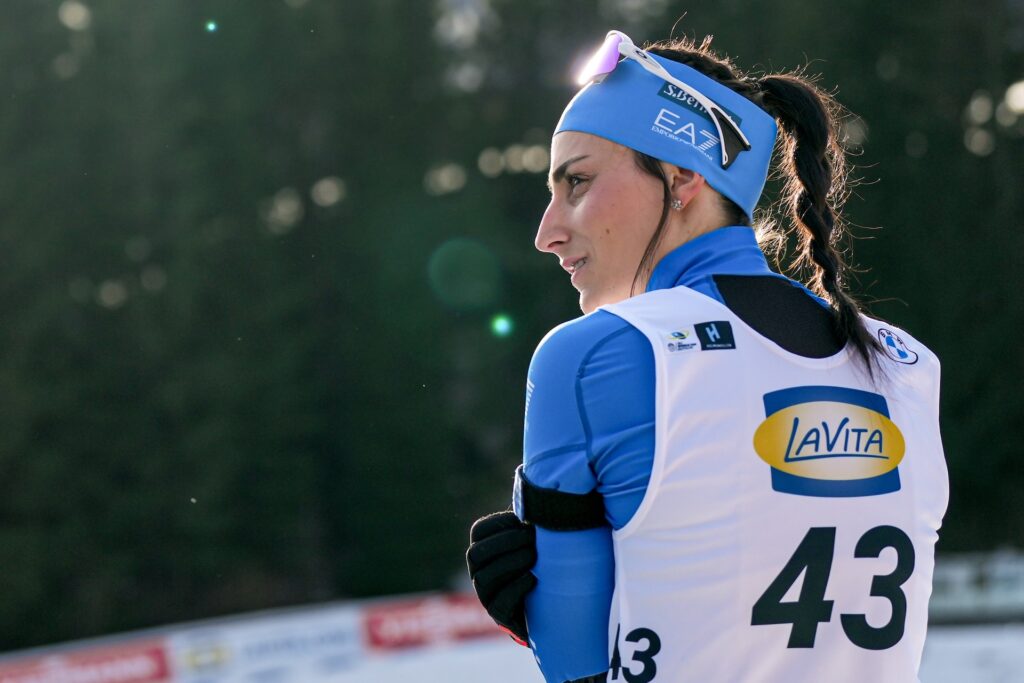
The season structure for 2026-2027 is designed to test the endurance of even the most seasoned competitors. With the season opener approaching, the Italian team has been focused on altitude training and technical refinement. The shift in training philosophy, which emphasizes increased volume and precision-based shooting, has been the primary focus of their summer sessions.
Passler’s own assessments are optimistic. "I feel significantly better prepared than I did this time last year," she noted. "The sessions have been challenging, but the environment is productive. I have set a clear mandate for myself: earn a spot in the World Championship team and establish a consistent presence in the top ten of the overall standings."
Broader Impact and Ethical Integrity
The shadow of the doping accusation will likely persist as a footnote in profiles regarding Passler, yet the Italian sporting authorities have moved forward with full confidence in her integrity. The rapid resolution of her case by the Italian anti-doping tribunal established a precedent that the incident was an anomaly.
In the modern era of biathlon, where the margins between victory and defeat are often measured in tenths of a second, the pressure on athletes is immense. The case of Rebecca Passler serves as a reminder of the volatility of professional sports, where an athlete’s reputation can be tested as rigorously as their physical capacity.
As the circuit prepares to descend upon the winter venues of Europe, all eyes will be on the Italian team. The combination of a hungry, rejuvenated athlete and a seasoned, tactically astute coach provides one of the most compelling subplots for the upcoming season. Whether this partnership can propel Passler to the elite level remains to be seen, but the initial indicators suggest that the groundwork for a breakthrough has been firmly established.
With the first events of the season just weeks away, the international biathlon community will be watching to see if the reforms implemented by Gjelland and the renewed focus of athletes like Passler can translate into medals and top-tier finishes. For now, the narrative is one of recovery, transition, and a quiet, methodical pursuit of excellence on the world stage.

