
The transition from late summer to autumn marks a critical period for the global alpine skiing community, as enthusiasts and professional athletes alike shift their focus toward physical preparation for the upcoming winter season. While the temptation to maintain a sedentary lifestyle during the shoulder season remains high, sports medicine data suggests that inadequate preparation is a primary contributor to seasonal fatigue and orthopedic trauma. A landmark Swedish study involving alpine skiing students underscored this reality, demonstrating that the implementation of preseason neuromuscular training protocols reduced the incidence of Anterior Cruciate Ligament (ACL) injuries by nearly 50 percent over a two-season observation period. As the industry moves toward a greater emphasis on longevity and "lifelong skiing," the integration of specific cardiovascular, strength, and balance exercises during the fall months has become a standardized recommendation for skiers of all ages, particularly those navigating the physiological changes associated with their fourth decade and beyond.
The Biomechanics of Preseason Readiness
The physical demands of alpine skiing are unique, requiring a combination of explosive power, eccentric muscle strength, and high-level proprioception. Unlike many traditional sports that rely on linear motion, skiing necessitates lateral stability and the ability to absorb varying mechanical loads across uneven terrain. For skiers residing in high-traffic regions such as the I-70 corridor in Colorado or the Little Cottonwood Canyon in Utah, the intensity of the season often begins with high-altitude exertion that can overwhelm an unconditioned cardiovascular system.
Sports scientists categorize the autumn training phase as a "hypertrophy and endurance" block. During this window, the objective is to strengthen the "skiing chain"—the glutes, quadriceps, hamstrings, and core—while simultaneously improving the aerobic base. This preparation is not merely about performance; it is a vital strategy for injury mitigation. Orthopedic surgeons specializing in sports medicine note that many ligamentous injuries occur during the final runs of the day when muscle fatigue leads to a breakdown in form and a subsequent loss of joint protection.
Vertical Ascent Training: The Role of Slope Hiking
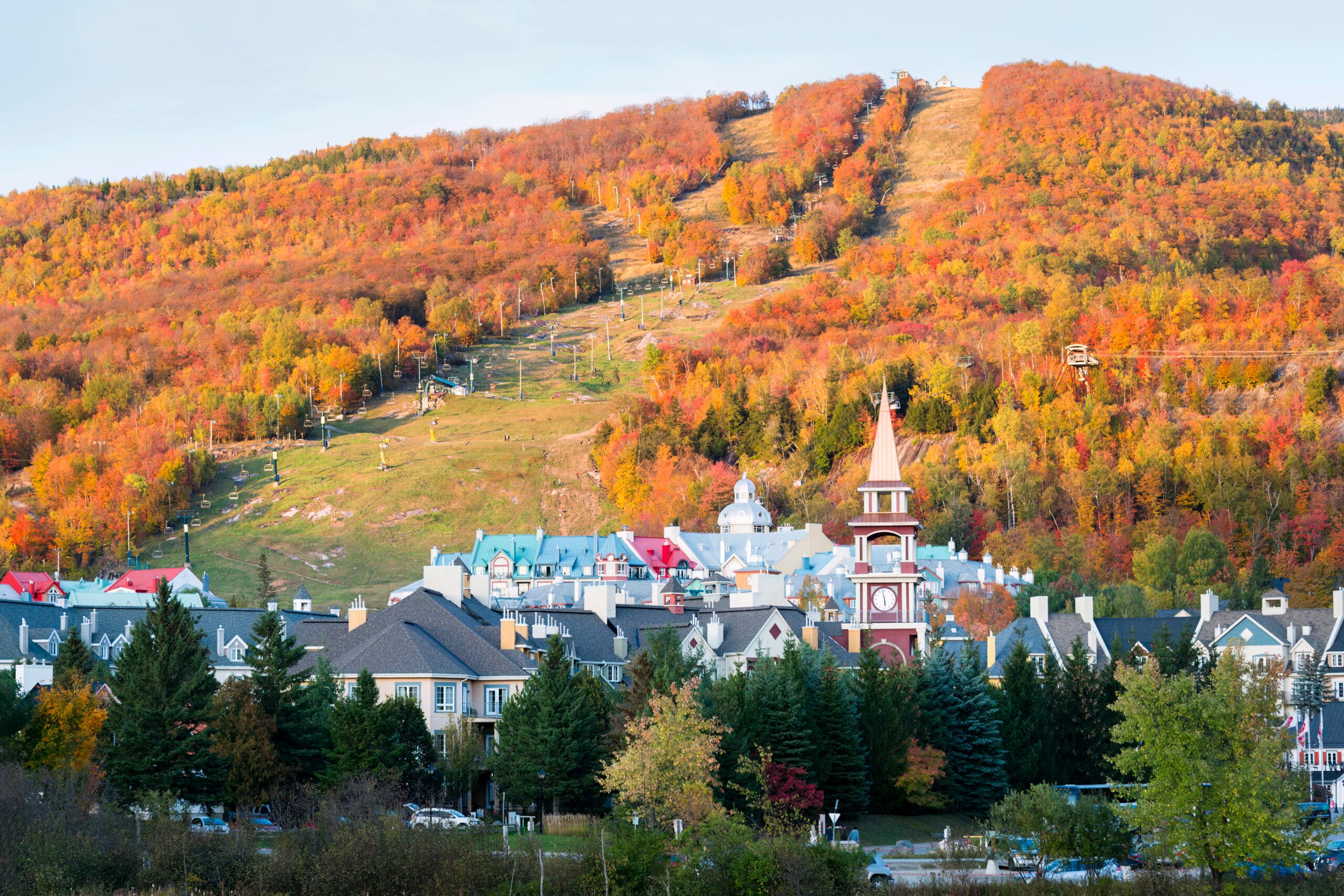
One of the most effective methods for sport-specific conditioning is the utilization of existing ski resort terrain before the first snowfall. Hiking up ski slopes offers a direct physiological mirror to the demands of the winter season. The steep gradients encountered on these trails force the respiratory system to adapt to elevation gain while placing a significant load on the posterior chain.
Physiologically, hiking uphill engages the glutes and hamstrings in a manner that prepares them for the stabilizing role they play during downhill descents. For athletes seeking to increase the intensity of these workouts, the use of weighted vests has become an increasingly popular trend. By adding 10 to 20 pounds of external weight, hikers can simulate the mass of an avalanche pack and winter gear, further challenging their core stability and increasing the caloric burn. This modality also provides a psychological benefit, allowing skiers to visualize their winter lines and maintain a connection to the mountain environment during the off-season.
Mountain Biking as a Proxy for Edge Control
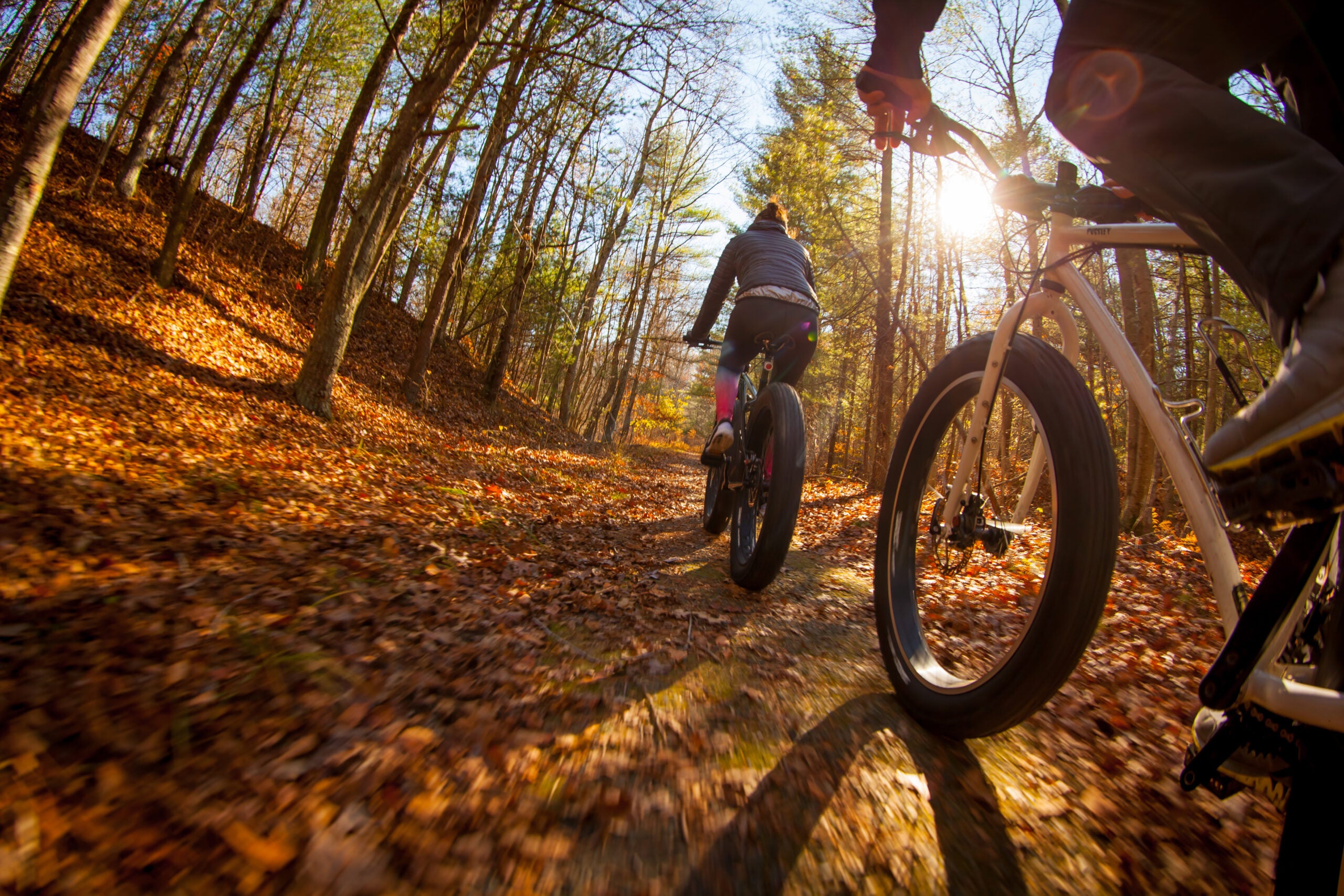
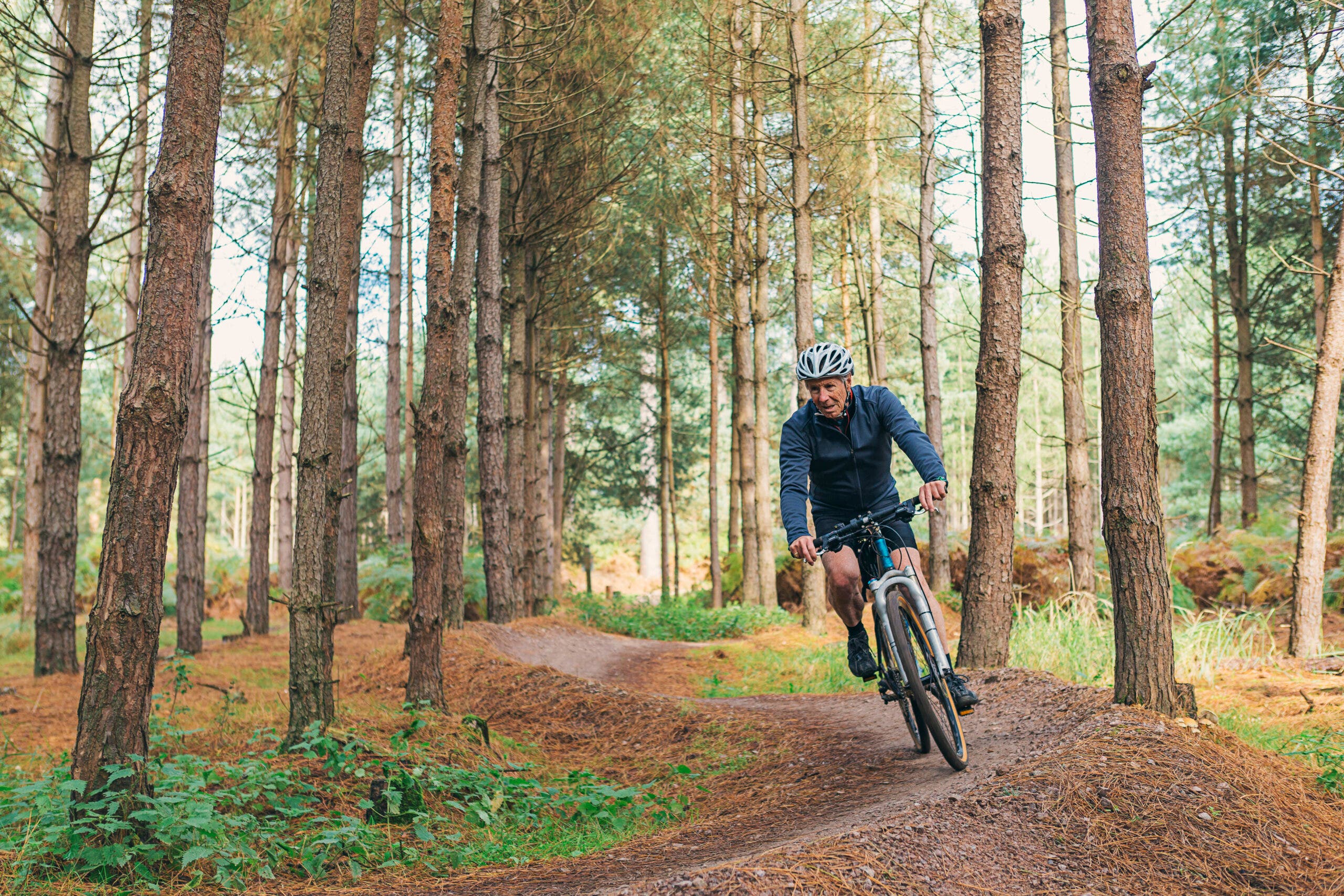
Mountain biking has emerged as a primary cross-training discipline for the alpine community due to the high degree of carryover between the two sports. The technical requirements of navigating loose dirt, roots, and rocks at speed require a similar level of anticipatory scanning and line choice as skiing variable snow conditions.
From a muscular perspective, mountain biking emphasizes the quadriceps and core, but its most significant contribution to ski readiness lies in the development of "edge control" and cornering mechanics. The lateral shifts in body weight required to navigate a high-speed berm on a bicycle are biomechanically related to the angulation and pressure shifts required in a carved ski turn. Furthermore, the rise of high-performance e-bikes has allowed older skiers or those recovering from injury to maintain high training volumes and elevation gains without the risk of overtraining or joint strain. By utilizing pedal-assist technology, athletes can focus on the technical aspects of the descent and the endurance of long-duration rides, which are essential for those planning multi-day excursions to the European Alps or the North American backcountry.
The Integration of Via Ferrata and Isometric Strength
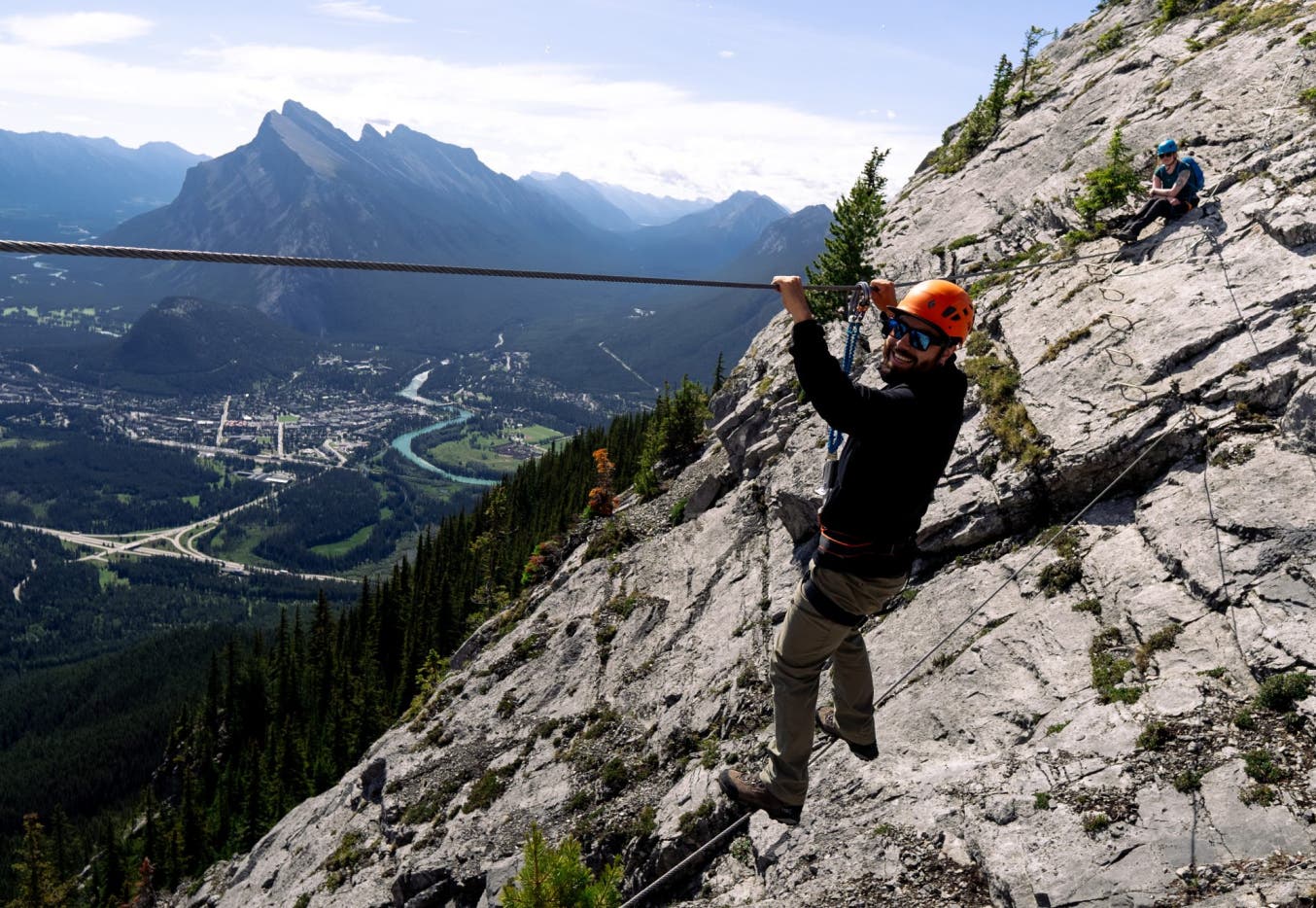
Originally developed in the Italian Dolomites for military movement during World War I, the via ferrata—or "iron path"—has seen a surge in popularity across North America as a training tool. These protected climbing routes, featuring fixed cables, rungs, and ladders, provide a comprehensive workout that targets muscle groups often neglected in traditional gym settings.
Conditioning on a via ferrata requires sustained isometric contractions, particularly in the core and upper body, as participants navigate vertical cliff faces. For a skier, this translates to improved "quiet" upper body positioning and better hip angulation. The mental focus required for via ferrata—managing gear, maintaining three points of contact, and overcoming exposure—closely mimics the "flow state" and cognitive demands of high-stakes skiing. Facilities such as those at Mt. Norquay in Banff or emerging urban via ferratas in the Eastern United States are now recognized as legitimate venues for preseason balance and grip-strength training.
Cardiovascular Adaptation and High-Altitude Trail Running
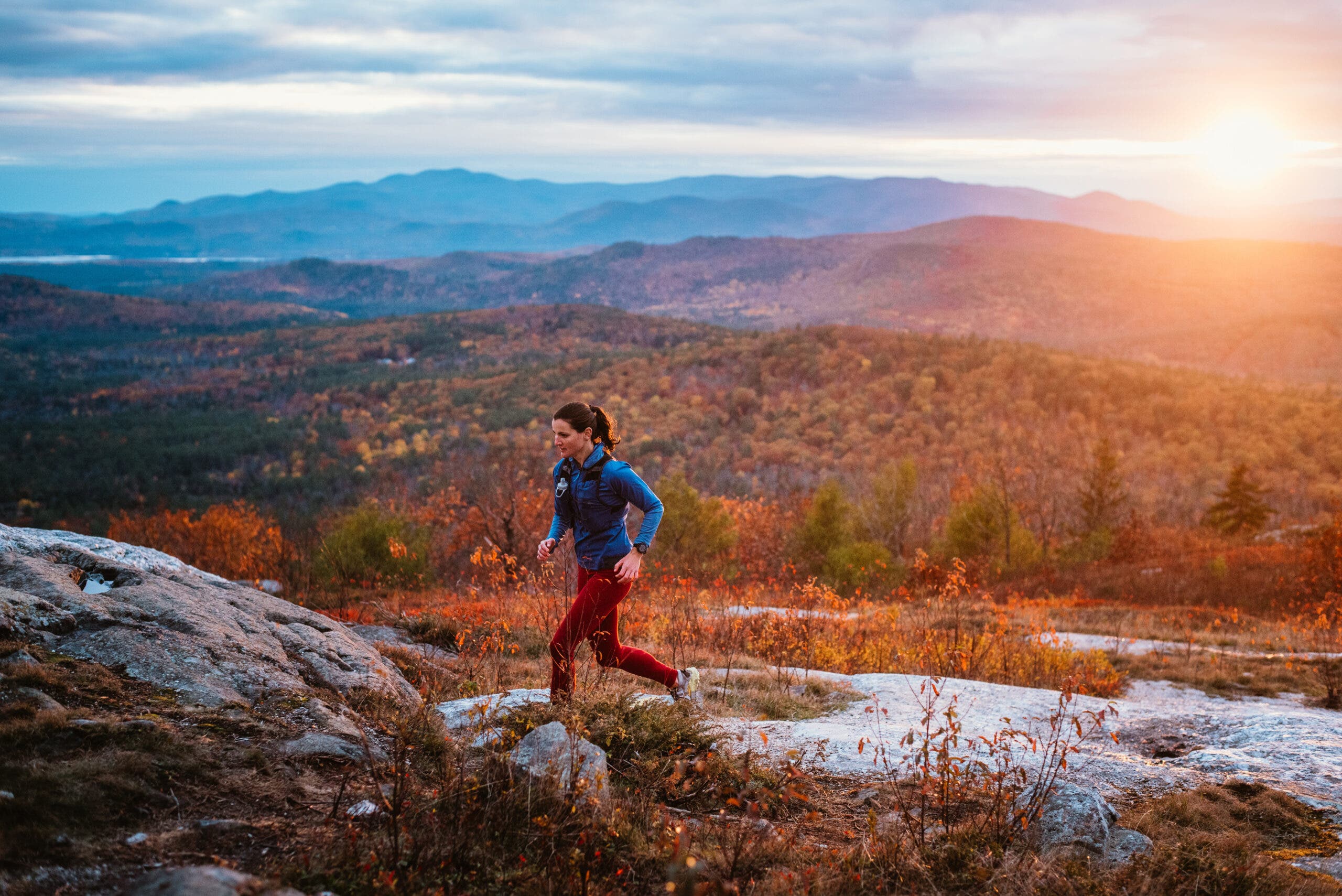
For skiers living at or near sea level, such as those in the New York City metropolitan area, the transition to high-altitude skiing can be jarring. Trail running serves as an accessible bridge to build the necessary cardiovascular resilience. When performed on hilly or alpine terrain, trail running engages stabilizer muscles in the ankles and knees that are rarely activated on flat pavement.
The primary benefit of high-altitude trail running is the stimulation of erythropoiesis—the production of red blood cells—in response to lower oxygen concentrations. This adaptation improves the blood’s oxygen-carrying capacity, which is a decisive factor in preventing early-onset fatigue at ski resorts located above 8,000 feet. Even for those without immediate access to mountains, treadmill training at high inclines can provide a simulated "climb" that challenges the anaerobic threshold. Sports physiologists recommend high-intensity interval training (HIIT) during these sessions to prepare the heart for the short, intense bursts of energy required for technical mogul skiing or steep couloirs.
Technological Advancements: Simulators and Indoor Skiing Centers
The democratization of ski training has been significantly advanced by the proliferation of indoor skiing facilities and high-tech simulators. For urban-based skiers, these centers provide a year-round environment to refine technique without the logistical hurdles of mountain travel.
Indoor facilities generally fall into two categories: refrigerated "real snow" domes, such as Big Snow in New Jersey, and "Infinite Slope" revolving carpet simulators, like those found at Bluerun. While snow domes provide a realistic surface for testing equipment and basic turns, the revolving slope technology is increasingly favored for pure conditioning. These simulators allow for "high-volume repetition," where a skier can remain in a continuous descent for several minutes at a time—a feat impossible on a standard resort run. This duration builds extraordinary muscular endurance in the legs and allows for real-time form correction by instructors. Advanced simulators also incorporate digital interfaces that track edge angles and weight distribution, providing data-driven feedback that was once reserved for Olympic-level athletes.
Broader Implications for the Ski Industry and Public Health
The shift toward proactive preseason conditioning has broader implications for the winter sports industry. From an economic perspective, a reduction in injuries leads to fewer insurance claims and higher retention rates for resort season-pass holders. When skiers feel physically capable and "mountain-fit," they are more likely to spend more days on the snow and engage in higher levels of resort commerce.
Furthermore, the focus on preseason health reflects a growing trend in "longevity science" within the athletic community. As the "Baby Boomer" and "Generation X" cohorts continue to ski into their 70s and 80s, the demand for low-impact, high-yield conditioning programs has increased. The goal for many is no longer just the immediate season, but the ability to maintain an active alpine lifestyle for decades.
In conclusion, the autumn months represent a vital window of opportunity for the alpine skier. By diversifying training through hiking, biking, climbing, and technological simulation, athletes can significantly mitigate the risk of catastrophic injury while enhancing their performance. As the Swedish data confirms, the path to a successful and healthy winter is paved with intentional, neuromuscular preparation long before the first chairlift begins to turn. The integration of these activities ensures that when the snow finally arrives, the body is not merely surviving the elements, but is primed to excel within them.

