
As the winter season approaches, the focus for both professional athletes and recreational enthusiasts shifts toward physical optimization to handle the rigorous demands of alpine environments. While the aesthetic of "ski legs" is often associated with sheer muscular bulk, modern sports science suggests that the true differentiator between an average day on the slopes and a high-performance experience lies in a specific physiological attribute known as power endurance. Developed by veteran coach Chris Miller, a specialist who has spent decades conditioning world-class ski racers, a new training protocol is being highlighted to help skiers bridge the gap between raw strength and sustained mountain stamina.
The Physiological Demands of Alpine Skiing
To understand the necessity of power endurance, one must first analyze the unique biomechanical stresses of skiing. Unlike steady-state endurance activities such as long-distance running or cycling, skiing is characterized by intermittent bursts of high-intensity eccentric loading. Every carve on a "pristine corduroy" run or every absorption of a mogul requires the quadriceps, hamstrings, and glutes to lengthen under extreme tension while simultaneously stabilizing the skeletal structure.
According to data from sports physiology studies, the average heart rate during a sustained downhill run can reach between 75% and 90% of an individual’s maximum. Furthermore, the "burn" felt in the legs is the result of rapid lactic acid accumulation during anaerobic work. Power endurance is the body’s ability to maintain explosive muscular output in the presence of this metabolic fatigue. Without it, the neuromuscular system begins to lag, leading to a degradation of form that often results in the "back-seat" skiing posture—a primary precursor to anterior cruciate ligament (ACL) injuries.
The Chris Miller Philosophy: From Strength to Stability
Coach Chris Miller’s approach departs from traditional heavy weightlifting, focusing instead on movements that mimic the chaotic and multi-planar nature of skiing. Miller argues that while superhero-sized quads are beneficial, they are useless if the "trunk"—the core and stabilizing muscles—cannot transfer that power to the skis. His training methodology emphasizes "power endurance," which he defines as the capacity to remain explosive and stable from the first chair at 9:00 AM to the final bell of the afternoon.
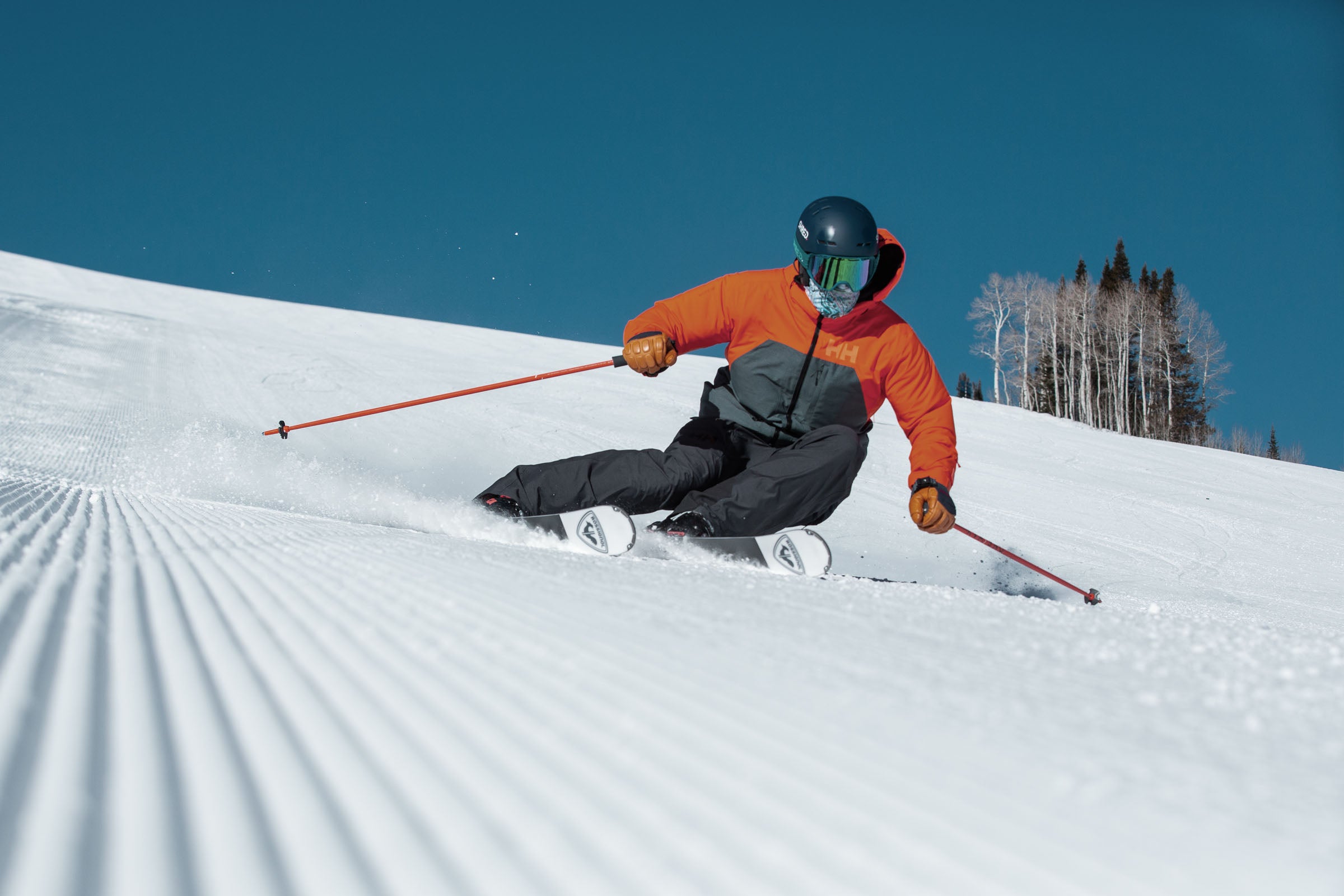
"Preparing your body for the unique demands of skiing means focusing on specific, targeted movements that build not only muscle but endurance under fatigue," Miller noted in a recent briefing on seasonal readiness. His program is designed to be accessible yet rigorous, requiring minimal equipment such as sandbags and mats, making it viable for "weekend warriors" who may not have access to an elite Olympic training center.
A Chronology of Pre-Season Conditioning
Effective ski conditioning is not an overnight process but a phased progression. Professional trainers typically recommend a three-month lead-in to the season:
- Phase I (Late Summer/Early Autumn): Focus on base aerobic capacity and general hypertrophy. This builds the engine and the muscular foundation.
- Phase II (Mid-Autumn): Transition to maximal strength and explosive power. This involves heavier weights and lower repetitions to increase the recruitment of fast-twitch muscle fibers.
- Phase III (Pre-Season/Current Phase): Transition to power endurance. This is where Miller’s protocol fits in, utilizing higher repetition ranges and circuit-based training to simulate the duration of a long ski run.
Detailed Breakdown of the Power Endurance Protocol
The Miller-designed workout is structured into three distinct circuits: the Quadruped Series (warm-up), the Leg Circuit (power), and the Trunk Circuit (stability).
The Quadruped and Dynamic Warm-Up
The session begins with a Quadruped Series designed for neuromuscular activation. This involves movements from an all-fours position to engage the deep stabilizers of the spine and hips.
- Quadruped Series: 6 repetitions per side. This targets the multifidus and transverse abdominis, ensuring the core is "awake" before the legs are loaded.
- Lunge Series: 2 repetitions per side, focusing on multi-directional movement. Skiing is rarely a linear sport; therefore, lunging in various planes prepares the hip joints for the lateral forces of carving.
- Dynamic Series: 6 repetitions per side to increase blood flow and joint lubrication.
Power Circuit No. 1: Lower Body Endurance
The primary work phase utilizes a sandbag, an "unstable" load that forces the body to constantly adjust its center of gravity—much like skiing on variable snow conditions.
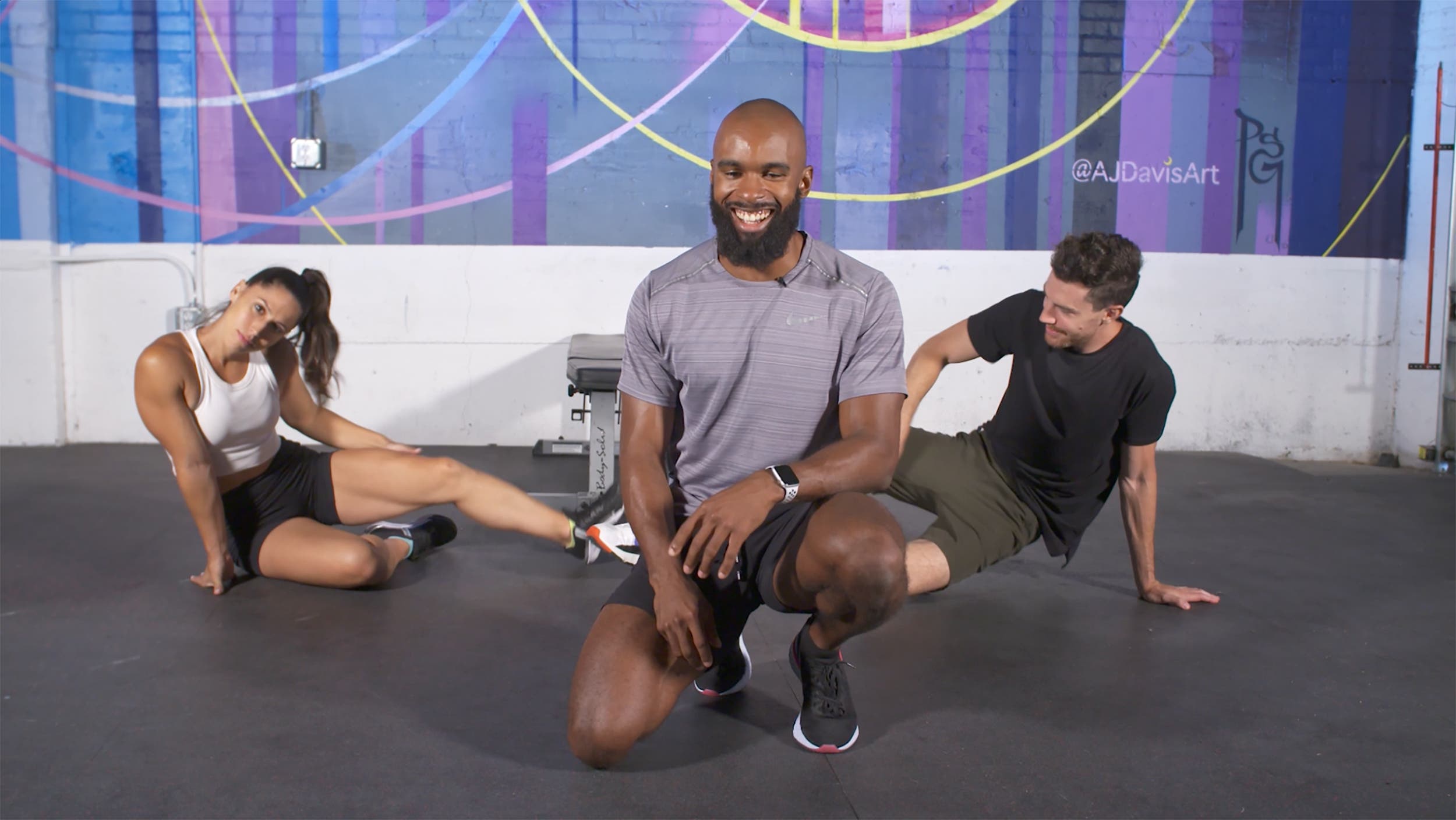
- Sandbag Series: 4 sets with no rest between individual exercises. A 45-second rest is permitted only between sets.
- Key Movements: Includes skater hops and weighted lunges. Skater hops are particularly critical as they replicate the lateral push-off and landing mechanics of a turn. The lack of rest between exercises forces the muscles to work through the "lactic burn," training the brain to maintain technical precision under duress.
Power Circuit No. 2: Trunk and Anti-Movement
The final circuit focuses on the "Trunk." In Miller’s vocabulary, the trunk is the anchor. If the trunk is weak, the legs cannot effectively edge the skis.
- Anti-Movement Series: 3 sets with 45–60 seconds of rest.
- Key Movements: The "Dead Bug" and other anti-rotational exercises. Unlike "crunches," which involve movement, anti-movement exercises require the athlete to resist external forces. This is vital for skiers who must remain upright and square to the fall line while their lower bodies move independently beneath them.
Data-Driven Benefits and Injury Mitigation
The implications of this training extend beyond mere performance. Statistics from the National Ski Areas Association (NSAA) and various orthopedic journals indicate that a significant percentage of non-collision injuries occur during the final hour of the ski day. This phenomenon, often termed "fatigue-related injury," occurs when the muscles can no longer support the joints, placing the entire load on ligaments and bones.
By increasing power endurance, a skier extends their "fatigue threshold." Analysis shows that athletes with higher power endurance levels maintain a more forward-leaning, aggressive stance for longer durations. This stance keeps the center of mass over the middle of the ski, providing better edge grip and reducing the likelihood of a catastrophic "catch" on a transition.
Broader Impact on the Ski Industry
The shift toward specialized fitness programming reflects a broader trend in the multi-billion-dollar ski industry. As equipment technology evolves—with Rossignol and other manufacturers producing stiffer, more responsive carving skis—the physical demand on the pilot increases. High-performance skis require more input force to flex and engage the edge. Consequently, the "fitness gap" between the equipment’s capability and the skier’s ability is widening.
Training programs like Miller’s are seen as a necessary bridge. Resorts and equipment brands have begun to recognize that a fitter clientele is a more profitable one. Skiers who are physically prepared stay on the mountain longer, visit more frequently, and are less likely to require expensive medical interventions that can sideline them for an entire season.

Expert Analysis and Final Outlook
The 2025-2026 winter season is projected to see a continued rise in "fitness-forward" skiing. Coach Chris Miller’s emphasis on power endurance addresses the missing link in many amateur training regimens. By focusing on the ability to sustain intensity, rather than just achieving a single maximum effort, skiers can transform their experience on the mountain.
The transition from the gym to the gondola requires a commitment to the "uncomfortable" side of training—the high-repetition, low-rest circuits that simulate the final 30 seconds of a two-minute downhill run. However, the data suggests the investment pays dividends in the form of increased safety, better technical execution, and the ability to enjoy "bell-to-bell" days without the debilitating soreness that often plagues the unprepared.
As the first snow begins to fall on the peaks, the message from the coaching community is clear: strength is the foundation, but power endurance is the key to mastering the mountain. With the right preparation, this winter could indeed be the "best season yet" for those willing to put in the work before the lifts start spinning.

