
The Northwest Avalanche Center (NWAC) is at the forefront of a significant initiative to streamline and modernize the delivery of crucial avalanche and mountain weather forecasts across the United States. Through its dedicated technology team, referred to as Avy, NWAC is spearheading a collaborative endeavor with avalanche centers nationwide. The goal is to develop shared digital tools that will enhance the accessibility, consistency, and effectiveness of vital safety information for all outdoor enthusiasts. This ambitious project, Avy, is comprised of two core components: AvyWeb, a web-based platform, and AvyApp, a mobile application designed for on-the-go access.
The Genesis of a Collaborative Vision: NWAC’s Commitment to Technological Innovation
NWAC’s leadership in this technological advancement is intrinsically linked to its core mission: to broaden access to backcountry forecasts and essential avalanche education. By embracing multiple digital modalities, the center aims to make critical safety information more readily available to a wider audience, irrespective of their technical expertise or location. This strategic pivot toward digital modernization acknowledges the evolving needs of backcountry users and the increasing reliance on digital platforms for real-time information.
A foundational element of this collaborative effort is the Avalanche Forecast Platform (AFP), a shared tool currently utilized by nearly all avalanche centers in the U.S. The AFP serves as the central hub for forecasters to publish daily forecasts, manage critical observations, and perform other essential tasks. The platform’s success in fostering inter-center cooperation laid the groundwork for the ambitious undertaking that is Avy. As one of the largest and most resource-rich centers utilizing the AFP, NWAC identified a unique opportunity to extend this spirit of collaboration beyond internal forecasting processes and into the realm of user-facing digital tools. This strategic decision reflects NWAC’s commitment to leveraging its expertise and resources for the benefit of the entire national avalanche forecasting community.
Collaboration Over Duplication: A Paradigm Shift in Resource Allocation

The driving philosophy behind the Avy initiative is one of collaboration over duplication, a stark contrast to the historically fragmented approach to digital forecasting platforms. Previously, each avalanche center was responsible for developing and maintaining its own website. This often meant rebuilding these digital assets from scratch every five to seven years, a costly and resource-intensive process. Such an undertaking demanded that center staff possess specialized technical expertise or required limited budgets to hire external technical consultants.
The unified system fostered by Avy represents a significant paradigm shift. By pooling resources, expertise, and data, smaller avalanche centers gain access to sophisticated technology that they would be unable to develop or sustain independently. Simultaneously, NWAC benefits from the valuable feedback and shared investment of its partner centers. The Avy team shoulders the burden of technological development and maintenance, liberating avalanche center staff to concentrate on their core competencies: forecasting, field observations, and public education. This symbiotic relationship ensures that taxpayer dollars are utilized more efficiently, maximizing the impact of investments in public safety.
This collaborative model also champions the principle of leveraging technological best practices and design insights from a collective pool of knowledge. By working together, the centers can continuously improve the user experience over time, ensuring that the forecasting products are not only accurate but also intuitive and easy to understand. NWAC firmly believes that consistency in forecasting products is a significant benefit for all backcountry users, fostering a more standardized and reliable information ecosystem.
Current Status: Laying the Foundation for Enhanced Accessibility
Both AvyWeb and AvyApp have successfully launched and are now considered stable platforms, setting the stage for the integration of new functionalities and enhanced features. The development team is proceeding with caution, prioritizing a thoughtful approach to building out new capabilities to ensure that every investment yields maximum value.
AvyApp, the mobile application, has reached a stable operational phase, allowing the team to begin prioritizing the development of new features based on user feedback and evolving needs. Currently, fifteen avalanche centers have adopted the AvyApp, indicating a growing acceptance and reliance on this unified mobile solution. This widespread adoption underscores the demand for accessible, real-time avalanche information directly on mobile devices.
On the AvyWeb front, significant progress has been made. Both the Sierra Avalanche Center and the Sawtooth Avalanche Center have successfully launched their websites utilizing the Version 1 of the platform. Furthermore, a comprehensive course catalog for the American Avalanche Association has been developed. This embedded course catalog is designed for seamless integration into any website, and it is slated for nationwide deployment on avalanche center websites in the near future. The Avy team is currently engaged in extensive polishing, general development, and the implementation of smaller, impactful features. As the holiday season approaches, the focus will shift to a period of maintenance and bug fixing, with a temporary pause on new feature development before ramping up development efforts again in the new year. This strategic approach ensures a stable and reliable user experience during periods of high backcountry activity.
Looking Ahead: An Ambitious Roadmap for the Future of Avalanche Safety
The roadmap for Avy is extensive and ambitious, outlining a clear vision for the future of avalanche forecasting and safety information dissemination. The development of these unified platforms is critical to achieving these future goals, enabling capabilities that would be unattainable through individual efforts. Notably, NWAC itself is slated to transition to the new AvyWeb platform during the 2025-2026 season, marking a significant milestone in the project’s rollout.
AvyApp: Enhancing Mobile Accessibility and Functionality
The future development of AvyApp is focused on several key areas designed to enhance user experience and provide even more comprehensive information. Planned features include:
- Improved User Interface and Experience: Continued refinement of the app’s design and navigation to ensure intuitive use for all levels of backcountry users.
- Enhanced Map Layers: Integration of more sophisticated map functionalities, allowing users to visualize various data points such as snowpack depth, temperature gradients, and historical avalanche activity.
- Offline Access to Forecasts: Development of features that allow users to download forecasts and relevant data for offline access, crucial for areas with limited or no cellular service.
- Real-time Observation Reporting: Streamlining the process for users to submit their own snowpack observations, contributing valuable ground-truth data to forecasters and the wider community.
- Personalized Alerts and Notifications: Implementation of customizable alerts for specific areas or forecast changes, ensuring users are proactively informed of changing conditions.
AvyWeb: Expanding the Reach and Depth of Online Information
AvyWeb’s future development will focus on expanding its capabilities and integrating more advanced features to serve as a comprehensive online resource. Key planned enhancements include:
- Advanced Data Visualization Tools: Introduction of interactive charts and graphs to visualize complex snowpack data, weather trends, and avalanche hazard assessments, making information more digestible and actionable.
- Integration with Wearable Technology: Exploring the potential for integration with wearable devices to collect and display real-time environmental data directly from the backcountry.
- Community Forums and Knowledge Sharing: Development of dedicated spaces for users to share experiences, ask questions, and engage with avalanche professionals, fostering a stronger sense of community and shared learning.
- Enhanced Educational Content Delivery: Creating a more dynamic and interactive platform for delivering avalanche education materials, including videos, simulations, and interactive modules.
- Deeper Integration with Forecasting Tools: Further refinement of the backend systems to allow for more sophisticated and granular forecasting models, leading to more precise and localized hazard assessments.
Visualizing the Future: Mockups and Work in Progress
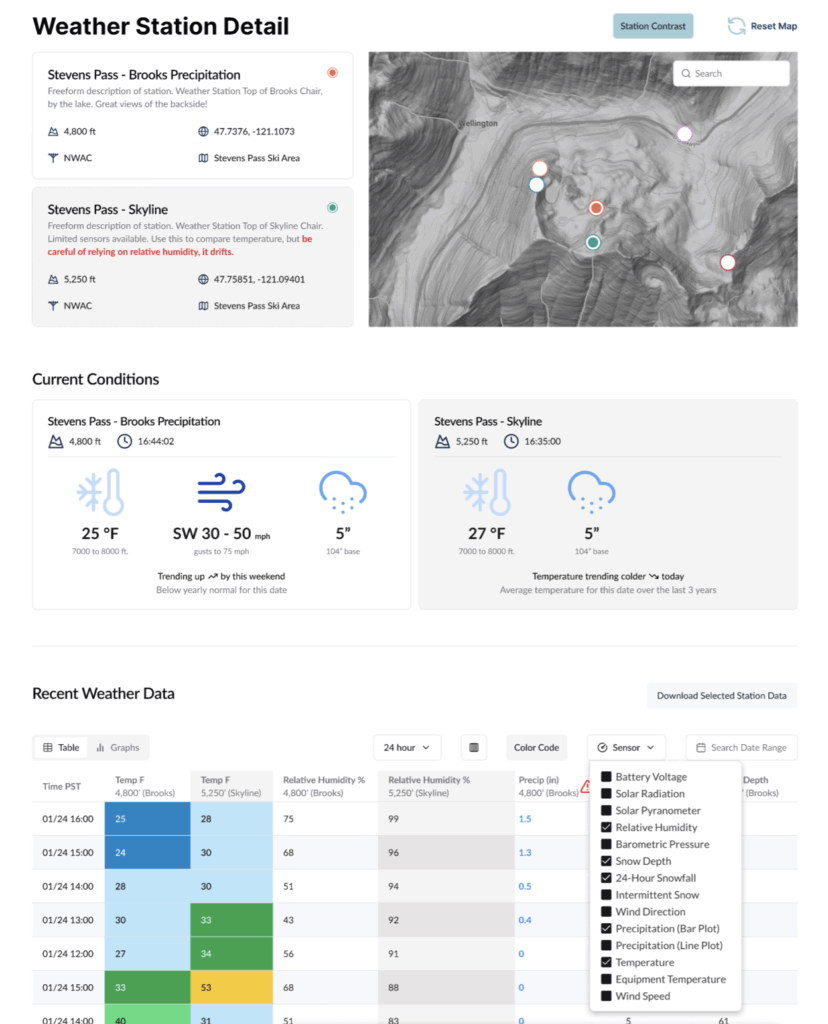
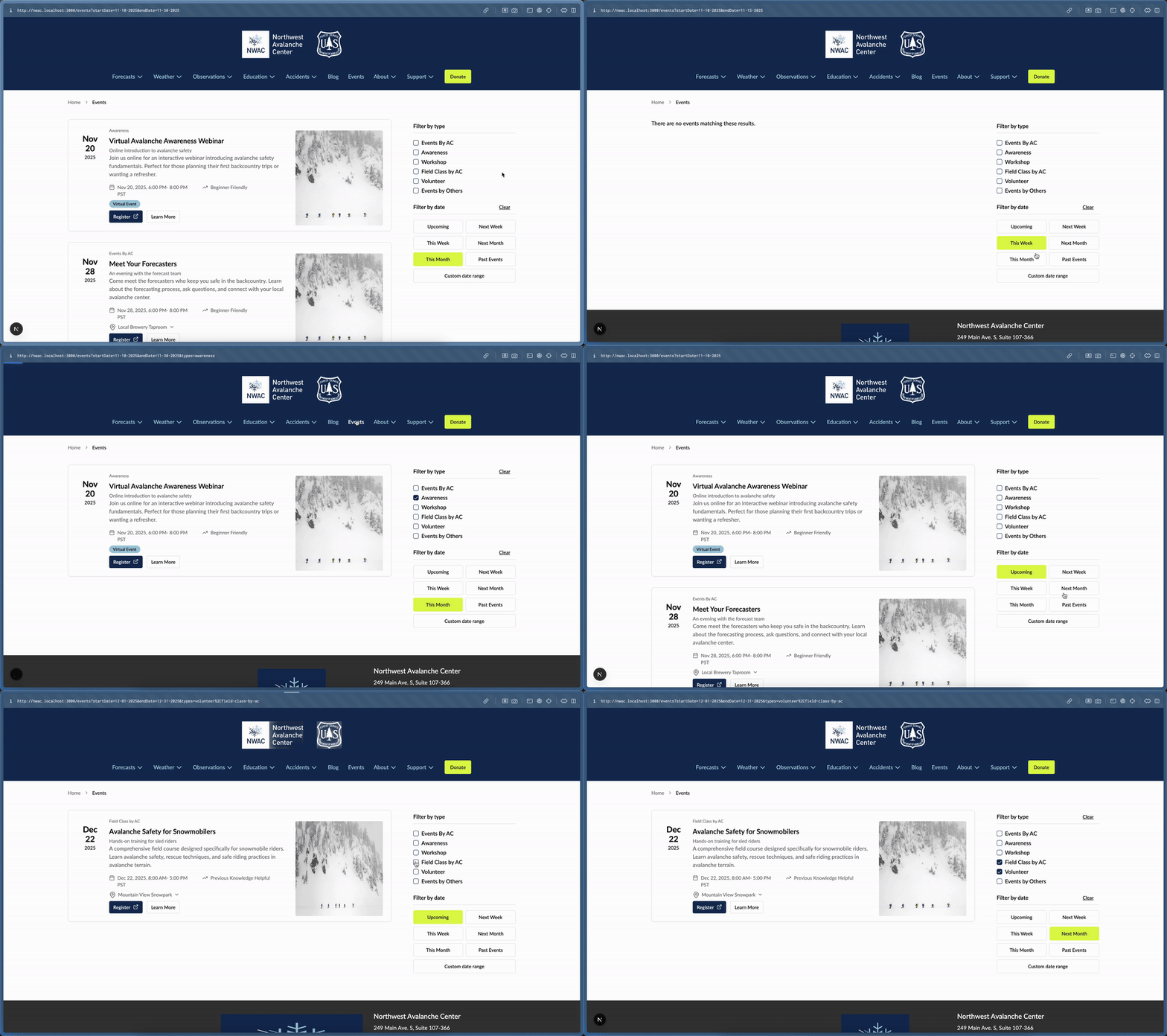
The accompanying visual mockups offer a glimpse into the innovative designs and functionalities being developed for the Avy platforms. These representations showcase a commitment to user-centric design, aiming to present complex data in an accessible and visually engaging manner. The mockups illustrate potential features such as detailed weather station data displays, dynamic event calendars, and intuitive mobile application interfaces. These visual aids serve not only as development blueprints but also as a testament to the forward-thinking approach NWAC and its partners are taking in revolutionizing avalanche safety information. The visual mockups hint at a future where backcountry users can access and understand critical safety information with unprecedented ease and clarity, ultimately contributing to safer decision-making in avalanche terrain. The integration of weather station data, for instance, promises to provide users with granular, real-time insights into the immediate environmental conditions, while the event mockups suggest a more organized and accessible way to find and participate in avalanche safety courses and events nationwide.
The success of this collaborative initiative hinges on continued partnership, technological innovation, and a shared commitment to enhancing public safety in mountainous environments. NWAC’s leadership in this endeavor underscores the power of collective action in addressing complex challenges and ensuring that vital safety information reaches those who need it most.

