
As winter approaches and enthusiasts eagerly anticipate the opening of the ski season, sports medicine professionals emphasize that preparation for high-impact mountain sports extends far beyond a few weeks of pre-trip conditioning. According to orthopedic surgeons and sports physiologists, comprehensive winter sports readiness requires a paradigm shift from sporadic seasonal workouts to continuous, year-round physical maintenance, combined with modern equipment configurations and heightened cognitive focus.
Main Facts and Expert Guidance
Dr. Kevin Stone, an orthopedic surgeon at The Stone Clinic in San Francisco and a former physician for the U.S. Ski Team, asserts that optimal ski conditioning should be an ongoing lifestyle rather than a last-minute scramble. Traditional approaches often prompt skiers to initiate intensive lower-body routines mere weeks before their first trip to the resort. However, medical experts argue that maintaining foundational quad strength, core stability, and cardiovascular endurance year-round prevents the steep physical decline that forces athletes to restart their conditioning from zero each November.
Rather than locking athletes into rigid, ski-specific regimens for twelve months, modern sports medicine advocates for total-body fitness rooted in enjoyable activities. Biking, running, swimming, and structured gym workouts all contribute to the overarching physical baseline required to navigate complex mountain terrain. The primary objective is adherence; an off-season program yields the greatest benefits when participants find the activities sustainable and engaging.
Chronology of Ski Fitness Evolution
The understanding of how to condition the human body for alpine sports has evolved significantly over the past several decades.
Historically, training paradigms focused heavily on hyper-specific, isolated movements designed to replicate the exact biomechanics of alpine skiing. Athletes spent countless hours performing dry-land slalom simulations, rigid box jumps, and static wall sits in isolation.
By the early 2000s, sports scientists recognized that isolated movements failed to account for multi-planar stability, sudden shifts in snow consistency, and unpredictable terrain variations. The modern consensus shifted toward dynamic, functional fitness. Training programs now prioritize compound movements—such as dynamic lateral squats and multi-directional lunges—that enhance neuromuscular coordination. This evolution reflects a broader understanding of sports medicine: protecting joints requires dynamic responsiveness rather than sheer muscle mass alone. Furthermore, medical professionals now stress that mental conditioning and cognitive presence are just as vital as physical stamina.
Supporting Data and Physiological Analysis
Alpine skiing places extraordinary biomechanical demands on the human body, particularly the lower extremities. Data from epidemiological studies on winter sports injuries indicate that the knee joint is the most frequently affected area, accounting for roughly 30 to 40 percent of all alpine skiing injuries. Among these, anterior cruciate ligament (ACL) tears and meniscus damage remain the most prevalent severe traumas, often resulting from rotational forces exerted during falls or awkward landings.
From a physiological perspective, skiing demands a unique blend of eccentric and concentric muscle contractions. As skiers descend steep slopes, their quadriceps must continuously absorb shock while resisting gravity, creating high levels of muscular fatigue. Dr. Stone notes that when fatigue sets in, proprioception—the body’s ability to sense its position in space—diminishes. This reduction in neuromuscular control significantly increases the probability of structural failure in ligaments and cartilage.
Furthermore, medical evaluations reveal that muscle strength alone is insufficient to prevent catastrophic joint injury. Data collected from elite ski racing teams indicate that a substantial percentage of acute injuries are preceded by transient cognitive lapses rather than sheer physical exhaustion. When athletes lose concentration—due to distractions, fatigue, or external factors—their biomechanical form degrades, leading to improper loading on the knees and hips.
Official Responses and Industry Perspectives
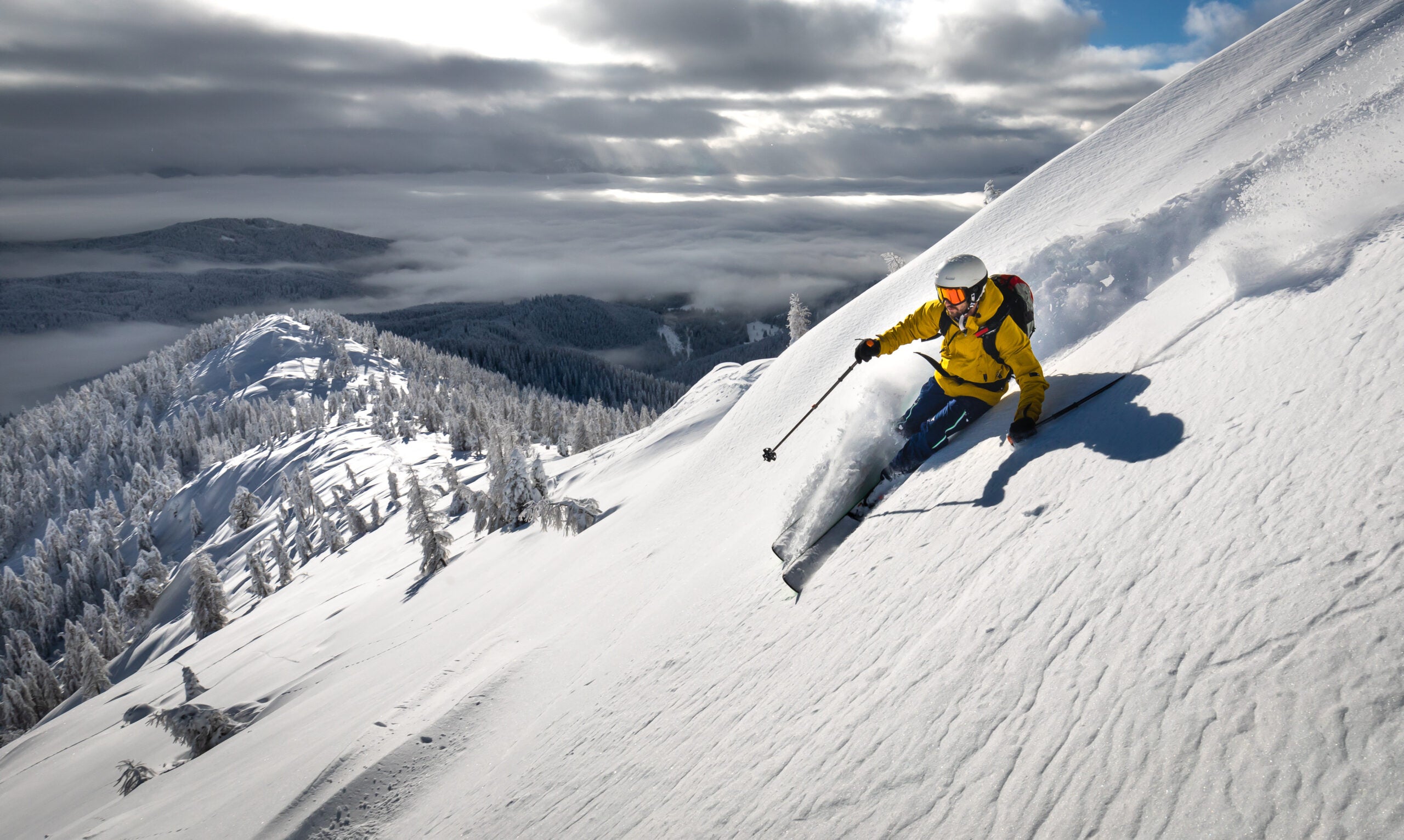
The intersection of sports medicine and equipment manufacturing has yielded critical updates regarding winter gear safety. For decades, conventional wisdom advised skiers to tolerate extremely stiff, rigid, and uncomfortable ski boots to maximize edge control and forward pressure. Modern orthopedic research, however, refutes this notion.
Industry data and clinical observations suggest that rigid boots can restrict natural ankle and knee articulation, forcing compensatory movement patterns up the kinetic chain. Dr. Stone and other clinical specialists emphasize that contemporary boot technology prioritizes balanced flex profiles that accommodate natural joint motion. Approximately 90 percent of recreational skiers benefit significantly from moderately softer, well-fitting boots that allow for proper ankle flexion. This technological shift not only enhances comfort and performance on the slopes but also reduces chronic strain on the lower limbs.
Similarly, advancements in ski and binding engineering have drastically improved safety metrics. Modern bindings feature multi-directional release mechanisms designed to mitigate torsional loads on the tibia and knee during rotational falls. Consequently, orthopedic surgeons strongly advise against relying on outdated vintage equipment, which lacks the precise release thresholds and material durability of contemporary designs.
Broader Impact and Implications for Skiers of All Ages
The implications of these findings span across all demographics within the skiing community, presenting distinct challenges and solutions for both younger participants and aging veterans of the sport.
Younger Skiers and Acute Trauma Management
For younger athletes, the primary medical concerns revolve around acute high-impact injuries, including ACL tears, meniscus injuries, shoulder dislocations, and rotator cuff strains. When these injuries occur, prompt and accurate diagnostic imaging—incorporating comprehensive physical examinations, digital radiography, and magnetic resonance imaging (MRI)—is critical.
Clinical indicators such as the triad of a twisting knee mechanism, an audible popping sound, and immediate joint effusion carry an exceptionally high statistical probability of structural internal derangement. When surgical reconstruction is required, modern orthopedics increasingly favors biological options, such as donor tissue grafts, over harvesting patient tendons, thereby preserving post-operative muscular strength and joint stability.
Older Skiers and Degenerative Joint Management
Conversely, older demographics frequently contend with chronic degenerative conditions, most notably osteoarthritis in the knees, hips, and ankles. Rather than defaulting immediately to invasive total joint replacement surgeries, contemporary sports medicine utilizes advanced biological therapies to manage joint degeneration.
Intra-articular injections combining hyaluronic acid lubricants and platelet-rich plasma (PRP) growth factors have revolutionized the management of osteoarthritic joints. These biologic treatments stimulate endogenous healing responses, reduce intra-articular inflammation, and restore cushioning to bone-on-bone surfaces. For many aging skiers, these medical interventions provide a viable pathway to maintain active lifestyles well into their later decades, enabling participation in alpine sports without compromising joint integrity.
Conclusion and Rehabilitation Outlook
Despite the inherent risks associated with high-velocity alpine sports, the psychological and physical allure of skiing continues to draw millions of participants to the mountains each winter. Orthopedic specialists emphasize that even when injuries occur, the rehabilitation process can serve as a powerful catalyst for positive behavioral change.
Athletes who undergo structured physical therapy following an injury frequently return to the slopes with superior biomechanical awareness, enhanced baseline fitness, and a renewed commitment to cognitive focus. By integrating year-round dynamic conditioning, utilizing modern and properly fitted equipment, and maintaining vigilant mental awareness on the mountain, skiers can significantly mitigate their risk of injury and ensure long-term, sustainable enjoyment of the sport.

