
The transition from the plush comfort of everyday footwear to the rigid, uncompromising shell of a ski boot is a ritual familiar to millions of winter sports enthusiasts. For decades, the alpine community has largely accepted foot pain as an unavoidable tax for the thrill of the descent, often treating bruised toenails and aching arches as badges of honor rather than medical warning signs. However, as of April 15, 2026, leading podiatric surgeons and sports medicine experts are issuing a refined set of warnings: while the sport itself is not inherently damaging to the feet, the equipment used to facilitate it—specifically poorly fitted boots—can lead to irreversible physiological changes and chronic deformities.
The mechanical requirements of alpine skiing necessitate a boot that can transfer subtle kinetic energy from the leg to the ski’s edge. This requires a level of rigidity that is unique in the world of athletic footwear. Yet, this same rigidity, when mismanaged, creates a hostile environment for human anatomy. Dr. Nelya Lobkova, a New York City-based podiatrist and veteran skier, notes that the fixed position of the foot within a plastic shell can exacerbate or even trigger a range of conditions that extend far beyond the duration of a ski vacation.
The Clinical Consequences of Improper Fit
The primary concern for podiatrists is the exacerbation of existing conditions or the development of new deformities due to mechanical stress. Bunions, or Hallux Valgus, are among the most common issues. While often genetic, these forefoot deformities are significantly aggravated by the narrow "last" (the internal width) of many performance-oriented ski boots. Dr. Lobkova explains that when the toe box is too tight, the resulting friction and lateral pressure can cause bunions and hammertoes to become acutely inflamed.
Equally prevalent is Morton’s neuroma, a condition characterized by the thickening of the nerve tissue between the toes, typically the third and fourth metatarsals. The compression of the forefoot in a narrow boot squeezes these nerves, leading to sharp, electric-shock sensations or persistent numbness. "In either case, an inflamed bunion or an impinged nerve root could become a lingering problem after the ski slope," Dr. Lobkova warns. The damage is not always temporary; chronic nerve irritation can lead to permanent numbness or the necessity for surgical intervention if the tissue becomes sufficiently fibrotic.
The front of the foot is not the only area at risk. Subungual hematoma, colloquially known as "skier’s toe," occurs when the toes repeatedly strike the front of the boot, causing bleeding under the nail bed. While many skiers dismiss a black toenail as a minor inconvenience, Dr. Lobkova highlights the risk of secondary infections. "Both conditions could potentially lead to a toenail infection that may require removal of the toenail or oral antibiotics," she states. Furthermore, repeated trauma to the nail matrix can cause irreversible damage, resulting in nails that grow back permanently thickened, discolored, or stunted.
The Evolution of Ski Boot Biomechanics
To understand why these injuries occur, one must look at the chronology of ski boot development. The industry transitioned from leather lace-up boots to plastic shells in the 1960s and 70s, a move that revolutionized control but sacrificed natural foot movement. Modern boots utilize various grades of polyurethane and polyether to provide "flex," but the foot remains essentially locked in a neutral or slightly dorsiflexed position.
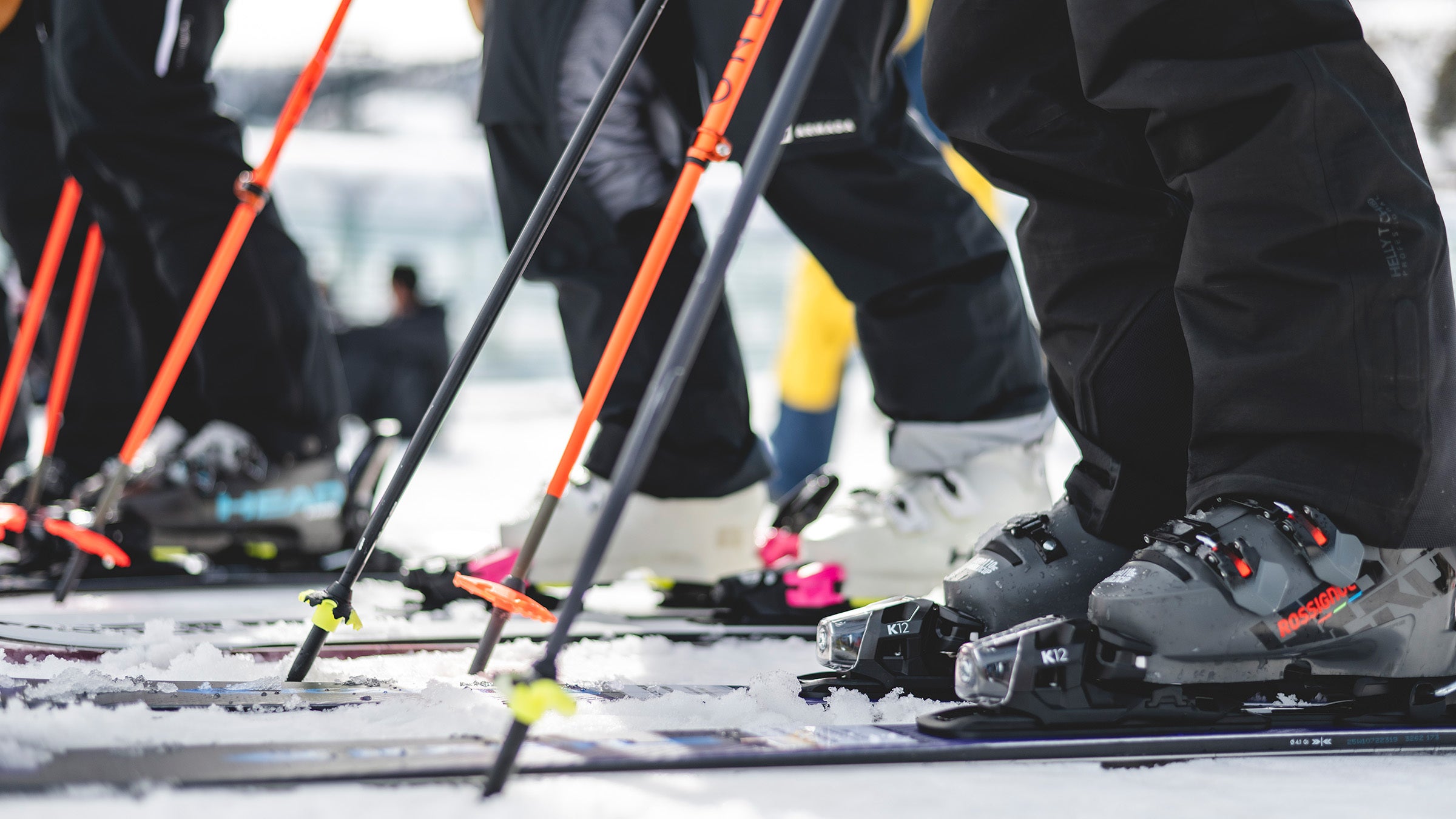
Dr. Mikel Daniels, a Baltimore-based podiatric surgeon, emphasizes that the "bad" reputation of ski boots is largely a result of poor sizing and a lack of professional customization. "Ski boots are not ‘bad’ for your feet, but badly fit ski boots are," Daniels notes. He differentiates between "regular discomfort"—the general fatigue associated with athletic exertion—and "fit-induced pathology."
According to industry data from the 2024-2025 season, nearly 30% of skiers reported ending their day early due to foot pain, yet only 12% sought professional boot-fitting services. This gap suggests a cultural acceptance of pain that podiatrists are working to dismantle. The data further indicates that skiers who utilize custom-molded liners or orthotics report a 45% reduction in chronic foot fatigue and a significantly lower incidence of nerve-related issues.
Warning Signs and Diagnostic Indicators
Recognizing the difference between a break-in period and a dangerous fit is critical for long-term health. Dr. Daniels suggests a simple litmus test: if the pain in your feet occupies more of your mental space than the mechanics of your skiing, the fit is fundamentally flawed.
When standing upright in a new boot, the toes should lightly touch the front of the shell. However, as the skier moves into a "ski stance"—flexing the knees and ankles forward—the toes should pull back slightly, creating a small pocket of space. "The toes need to pull back a little when you flex," Daniels explains. Persistent "pins and needles," localized "hot spots" of intense pain, or feet that feel unusually cold are all indicators of compromised circulation or nerve impingement.
Professional Intervention: Beyond the Retail Shelf
For those committed to the sport, the solution lies in professional boot fitting, a process that blends biomechanics with craftsmanship. The first line of defense is heat-molding. Modern boot liners are often made of thermo-formable foam that, when heated, contours to the unique shape of the wearer’s foot. "When heat-molded and custom-fitted, downhill ski boots should contour all forefoot deformities," says Dr. Lobkova.
For more severe structural issues, boot fitters employ a technique known as "punching." This involves heating the plastic shell itself and using a hydraulic press to create localized expansions. This is particularly effective for accommodating bunions or "sixth toes" (bony protrusions on the outside of the foot). Dr. Daniels recounts a case of a patient who suffered from chronic nail loss every season. "Once we got him into a boot with the right shell length and a small punch in the toe box, his toenails finally survived a ski season," he says, illustrating that mechanical adjustments can solve physiological problems.
Furthermore, the role of orthotics cannot be overstated. While many boots come with "factory" insoles, these are typically thin, flat pieces of foam that provide zero structural support. Dr. Lobkova often prescribes custom orthotics specifically designed for the low-volume environment of a ski boot. These devices often include a metatarsal pad, which helps spread the metatarsal heads and alleviate pressure on the nerves, preventing the onset of Morton’s neuroma.
The Rental Market and Casual Skiers
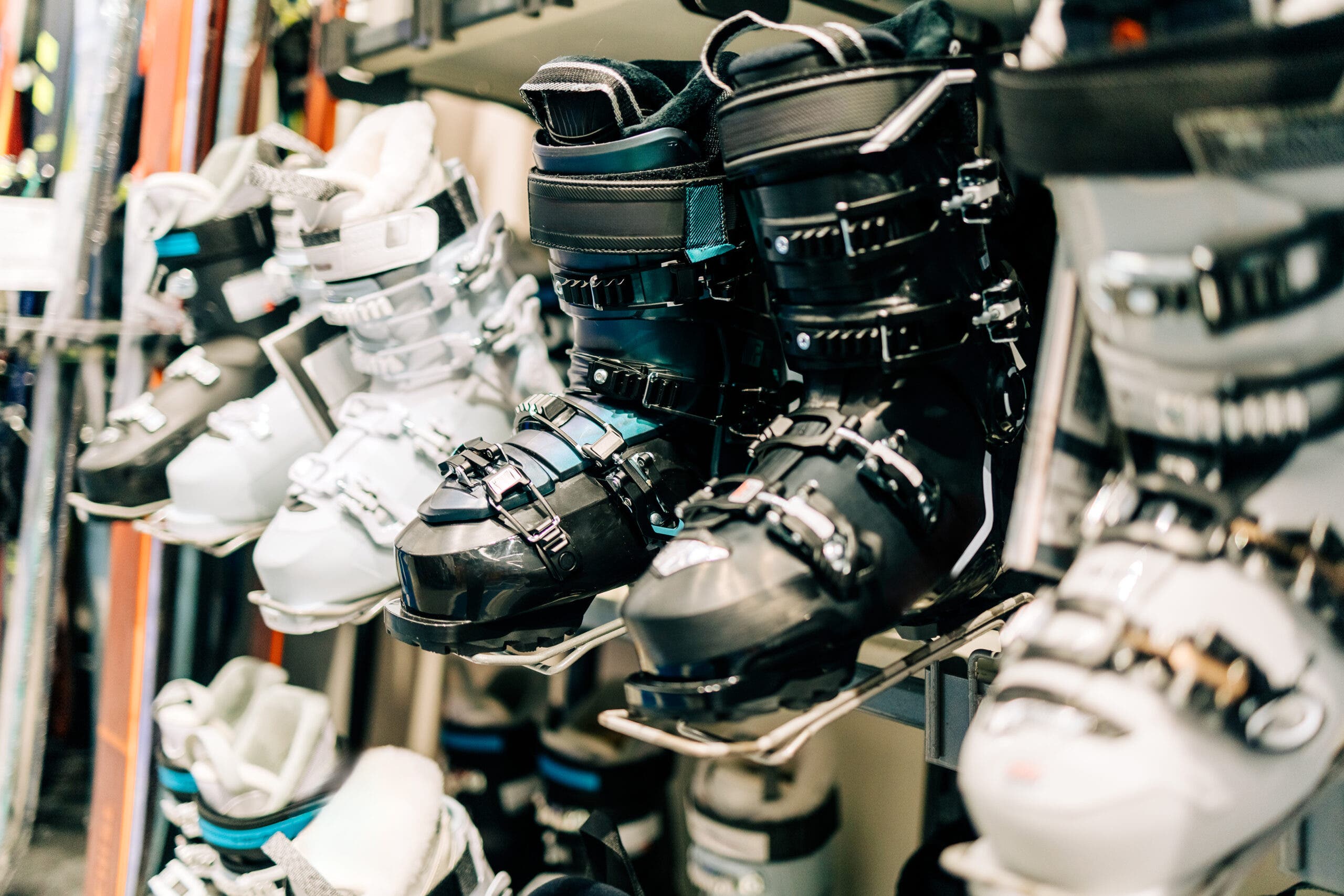
The risk of foot damage is arguably highest among casual skiers who rely on rental equipment. Rental fleets are designed for durability and "general" fit, meaning they often fail to accommodate specific anatomical needs. Dr. Daniels advises rental customers to be proactive. "Always opt for a shell that is reasonably snug, rather than oversized," he suggests. A common mistake among beginners is choosing a larger, "comfier" boot, which leads to the foot sliding forward and slamming into the toe box—the primary cause of subungual hematomas.
Additionally, the choice of hosiery plays a significant role. The misconception that thicker socks provide more warmth often leads to restricted circulation. Experts recommend a single pair of high-quality, thin merino wool socks. These provide thermal regulation and moisture-wicking properties without adding unnecessary bulk that could create pressure points.
Broader Implications for the Ski Industry
The focus on foot health is part of a broader shift in the winter sports industry toward "comfort-performance integration." Manufacturers like Salomon, Atomic, and K2 have begun integrating technologies like the BOA Fit System into their shells, allowing for more micro-adjustable tension that doesn’t rely solely on the downward pressure of traditional buckles. This shift is driven by the realization that if the sport is associated with permanent physical damage, retention rates among aging demographics will plummet.
From a public health perspective, the implications are clear. As the population of active seniors grows, the prevalence of foot deformities acquired during younger years can lead to balance issues and reduced mobility in later life. Podiatrists argue that treating a ski boot as a piece of medical equipment—rather than just a sports accessory—is a necessary step in preventative healthcare.
Preventative Maintenance and On-Slope Habits
Beyond equipment adjustments, skiers can protect themselves through better habits. Dr. Lobkova emphasizes the importance of the "mid-day release." Loosening or removing boots during lunch breaks allows for the restoration of blood flow. "When you move from a cold temperature to a warm one, your feet and ankles swell," she notes. "You don’t want them to swell against a stiff boot because this will cause a tourniquet effect."
Ultimately, the consensus among medical professionals is that the "no pain, no gain" mantra is a dangerous relic of the past. With the advent of modern customization and a better understanding of podiatric biomechanics, there is no clinical reason why skiing should result in permanent foot damage. By listening to early warning signs and seeking professional fitting services, skiers can ensure that their time on the mountain does not lead to a lifetime of foot complications.

