
The landscape of boutique fitness in Manhattan continues to evolve with the arrival of NRTHRN Strong, a specialized workout concept that adapts the physiological rigors of cross-country skiing for an indoor urban environment. Located in the Flatiron District—a neighborhood often referred to as NYC’s "Fitness Row"—NRTHRN Strong introduces a methodology rooted in Scandinavian athletic traditions. By utilizing a proprietary machine known as the NRTHRN Trainer, the studio aims to bridge the gap between high-intensity interval training (HIIT) and low-impact functional movement, offering a full-body conditioning program that mimics one of the most demanding aerobic sports in existence.
The Physiological Foundation of Cross-Country Skiing
Cross-country skiing has long been recognized by exercise physiologists as perhaps the most effective full-body cardiovascular workout. Unlike sports that focus primarily on the lower body, such as cycling or running, cross-country skiing requires the synchronized engagement of the core, upper body, and lower body. This multi-planar movement pattern demands high levels of muscular endurance and aerobic capacity.
According to data published in various sports medicine journals, cross-country skiers frequently record the highest VO2 max levels (a measure of the body’s ability to utilize oxygen) of any group of athletes. A moderate hour of cross-country skiing can burn between 400 and 700 calories, depending on intensity and technique. Furthermore, comparative studies, including research indexed by PubMed, indicate that the energy expenditure of cross-country skiing is significantly higher than that of downhill skiing. It is estimated that it takes approximately two and a half hours of alpine skiing to match the caloric burn of a single hour spent in cross-country boots. This efficiency is a primary driver behind the NRTHRN Strong philosophy, which seeks to condense these benefits into a 50-minute studio session.
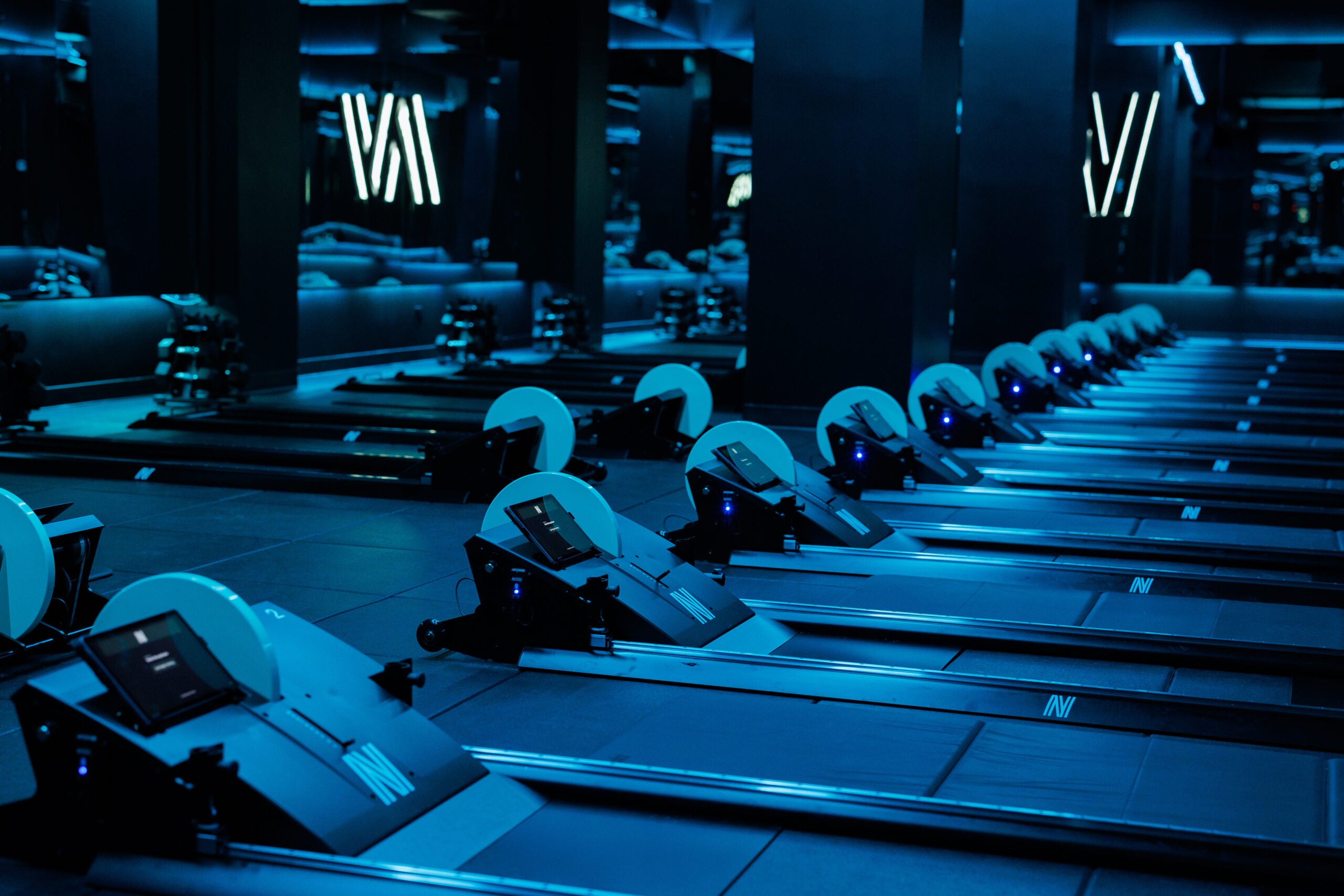
Engineering the NRTHRN Trainer: A Hybrid Approach to Resistance
The central innovation of the NRTHRN Strong studio is the NRTHRN Trainer. While indoor rowing machines (ergs) and stationary bikes have dominated the market for decades, the NRTHRN Trainer provides a unique mechanical solution for simulating the "glide and push" of skiing. The machine is described as a hybrid between a rowing ergometer and a shuffleboard system.
Unlike the more common Concept2 SkiErg, which focuses primarily on the downward "poling" motion of Nordic skiing, the NRTHRN Trainer incorporates a sliding mechanism for the feet and poles that more accurately replicates the rhythmic, lateral, and linear movements of the sport. The machine features two sockets for specialized poles that slide back against resistance, similar to the carriage on a Pilates reformer but tuned for explosive, high-cadence movement.
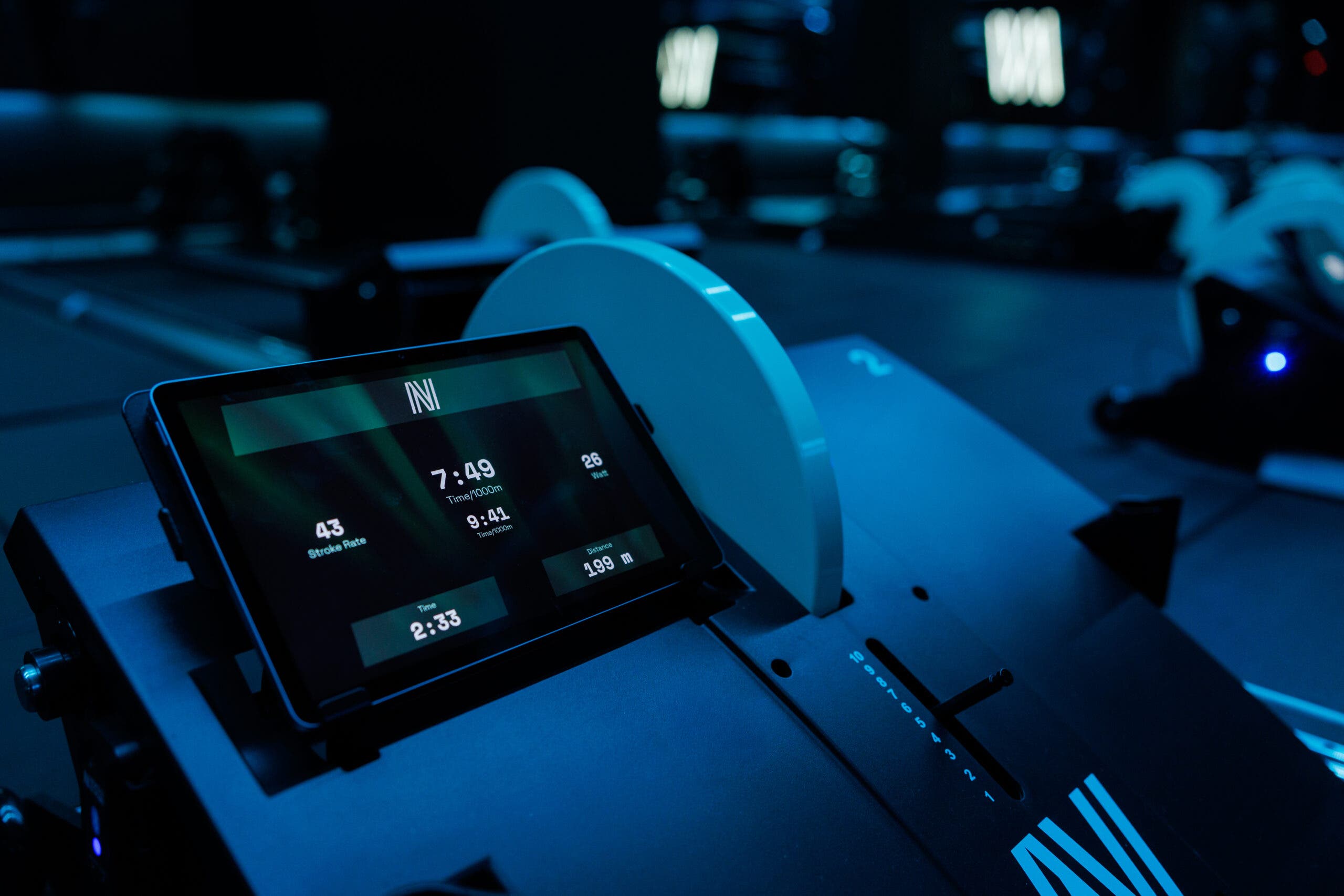
The front of each trainer is equipped with a digital monitor that provides real-time feedback on performance metrics. These include stroke rate, time elapsed, distance covered, and pace per 1,000 meters. This data-driven approach allows participants to track their progress and maintain specific intensity zones as dictated by the instructor, ensuring that the "you get out what you put in" philosophy is backed by objective numbers.
Class Structure and High-Intensity Methodology
The NRTHRN Strong curriculum is built around the principles of High-Intensity Interval Training (HIIT), divided into segments that maximize time under tension and cardiovascular output. A standard 50-minute session is typically partitioned into alternating blocks:
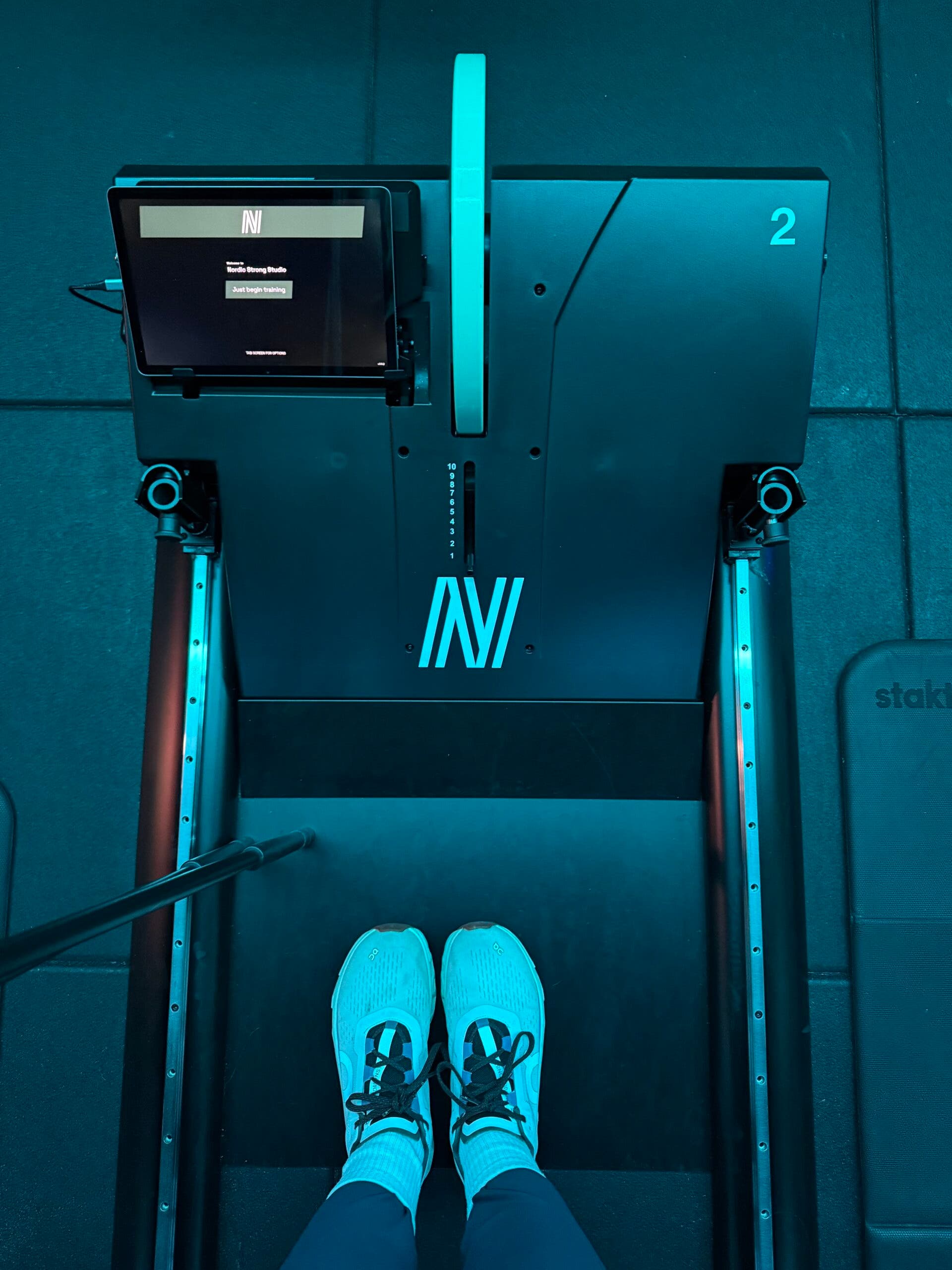
- Machine Intervals: Participants spend approximately ten minutes on the NRTHRN Trainer, focusing on explosive, plyometric movements that engage the lats, triceps, core, and glutes. These intervals are designed to elevate the heart rate rapidly.
- Floor Conditioning: Between machine sets, participants move to a mat for ten minutes of targeted lower-body and core exercises. These movements are designed to complement the skiing motion, focusing on stability, balance, and lateral strength.
- Circuit Rotation: The class flows through these rotations multiple times—typically three sessions on the trainer and two on the mat—to ensure a comprehensive metabolic demand.
The instructors, such as the Flatiron studio’s lead trainers, emphasize form and stroke rate. While the movement is intuitive, the nuances of the "stroke" allow for a high ceiling of mastery. Experienced skiers often find they can apply more force and achieve higher stroke rates, while beginners can focus on the rhythmic coordination of the poles and footwork.
The Scandinavian Influence and Studio Atmosphere
NRTHRN Strong originated in Denmark, a nation with a deep-seated culture of outdoor activity and functional fitness. The brand’s expansion into the United States brings with it a specific aesthetic and cultural "vibe." The New York City studio is designed to evoke the "Nordic" experience, featuring moody, atmospheric lighting inspired by the Aurora Borealis (the Northern Lights).
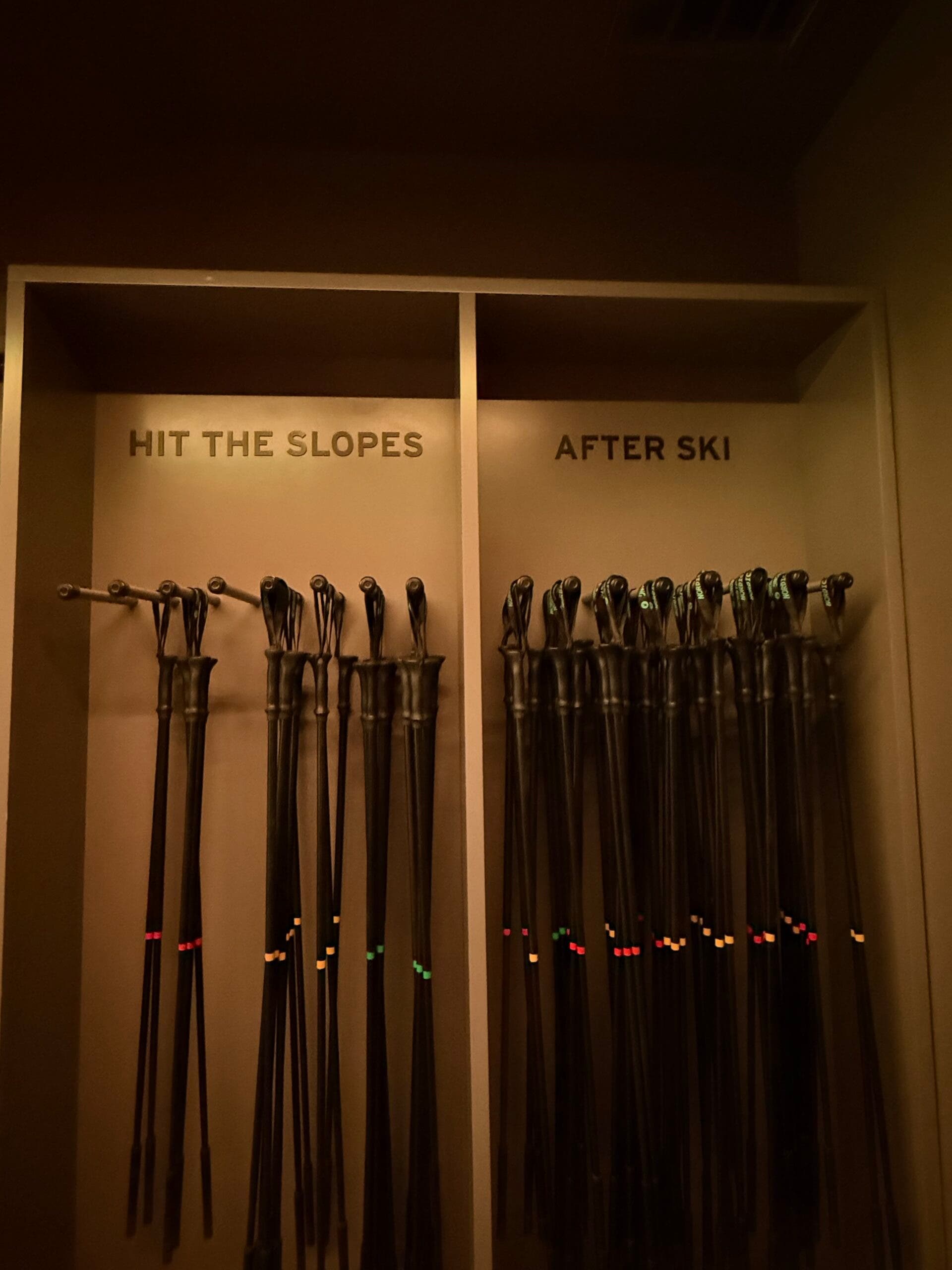
This immersive environment is intended to offset the "intimidating" nature of the high-tech equipment. Despite the rigorous nature of the workout, the studio emphasizes an inclusive "after-ski" culture. The equipment setup is streamlined: participants select poles of varying lengths based on their height, which are then slotted into the machine’s resistance sockets. The ease of setup is a strategic choice to lower the barrier to entry for those who have never stepped onto a pair of skis.
Accessibility and the Low-Impact Advantage
One of the primary challenges of traditional cross-country skiing is geographic and seasonal accessibility. It requires specific snow conditions, specialized equipment, and travel to mountainous or rural regions. NRTHRN Strong removes these barriers, making the "skier’s body" attainable in a metropolitan setting.
Beyond convenience, the NRTHRN Trainer offers a significant biomechanical advantage: it is a low-impact workout. Because the feet remain in contact with the sliding mechanism and the resistance is controlled by the user’s own force, the strain on the joints—specifically the knees and ankles—is minimal compared to running or high-impact plyometrics.
Exercise science experts and kinesiologists have noted that this type of movement is particularly beneficial for individuals with limited mobility or those recovering from impact-related injuries. The controlled, sliding motion mimics the fluidity of a Pilates reformer, providing a "safe" environment for high-intensity cardiovascular work. This makes the class viable for a wide demographic, ranging from elite athletes looking for cross-training to older adults seeking to maintain bone density and heart health without the risk of joint degradation.
Strategic Market Position and Future Outlook
The opening of the NYC studio marks a significant milestone for NRTHRN Strong as it enters the competitive American boutique fitness market. By positioning itself as a "strength and sculpting" class based on a niche sport, the brand is tapping into the growing consumer demand for "sport-specific" training.
In a market saturated with cycling and rowing studios, the introduction of a skiing-based trainer provides a fresh alternative for consumers experiencing "workout fatigue." The business model, which includes classes tailored to different goals—such as pure strength or metabolic conditioning—allows for a versatile membership base.
Currently, NRTHRN Strong operates seven days a week with studios in Copenhagen and New York City. The success of the Flatiron location is likely to serve as a bellwether for further expansion into other major U.S. markets such as Chicago, Boston, or Denver, where there is already a pre-existing culture of winter sports.
Conclusion: The Implications of the "Indoor Ski" Trend
As the fitness industry moves toward 2026 and beyond, the integration of specialized athletic equipment into mainstream group fitness appears to be a lasting trend. NRTHRN Strong represents a synthesis of traditional athletic wisdom and modern engineering. By taking the "best full-body workout" out of the woods and into the city, the company is democratizing a high-level training modality that was previously reserved for professional athletes or those living in specific climates.
The broader implication for the fitness industry is a shift toward "functional longevity." The emphasis on low-impact, high-reward movement suggests that consumers are increasingly looking for workouts that not only provide immediate aesthetic results but also support long-term physical health. As participants leave the "Northern Lights" of the Flatiron studio and return to the city streets, they do so with the cardiovascular benefits of a cross-country trek, achieved without ever leaving the neighborhood. For those who eventually do hit the actual slopes, the indoor training provides a measurable increase in power and endurance, proving that the simulation has real-world applications.

