
In a significant departure from traditional filmmaking practices, Teton Gravity Research (TGR), a renowned name in action sports cinematography, has embraced the power of consumer technology by utilizing iPhones to produce a major film project. This decision, born from an experimental approach, challenges long-held industry standards that typically rely on high-end, professional-grade cinema cameras and extensive equipment. The move signifies a potential paradigm shift in how adventure and sports films are created, democratizing high-quality visual storytelling and opening new avenues for creative expression in challenging environments.
The Genesis of an Innovation: From Experiment to Expediency
The initiative, spearheaded by TGR, began not as a planned product placement or endorsement deal with Apple, but as an internal challenge to push the boundaries of their own production capabilities. The core idea was to assess whether the ubiquitous and increasingly sophisticated iPhone could truly stand in for, or at least significantly supplement, the bulky and costly professional camera rigs that have long been the industry standard. This experimental phase quickly evolved into a full-fledged production, demonstrating the viability of this unconventional approach.
TGR’s internal statement highlighted the transformative nature of this experiment: "What started as an experiment quickly became something more. The compact setup opened new creative possibilities, allowing the crew to move faster, access unique angles, and rethink what’s possible in the mountains." This sentiment underscores a key advantage: the portability and agility afforded by smartphones, which can be crucial in the dynamic and often unpredictable settings of professional skiing.
Technological Backbone: Unlocking Pro-Grade Capabilities
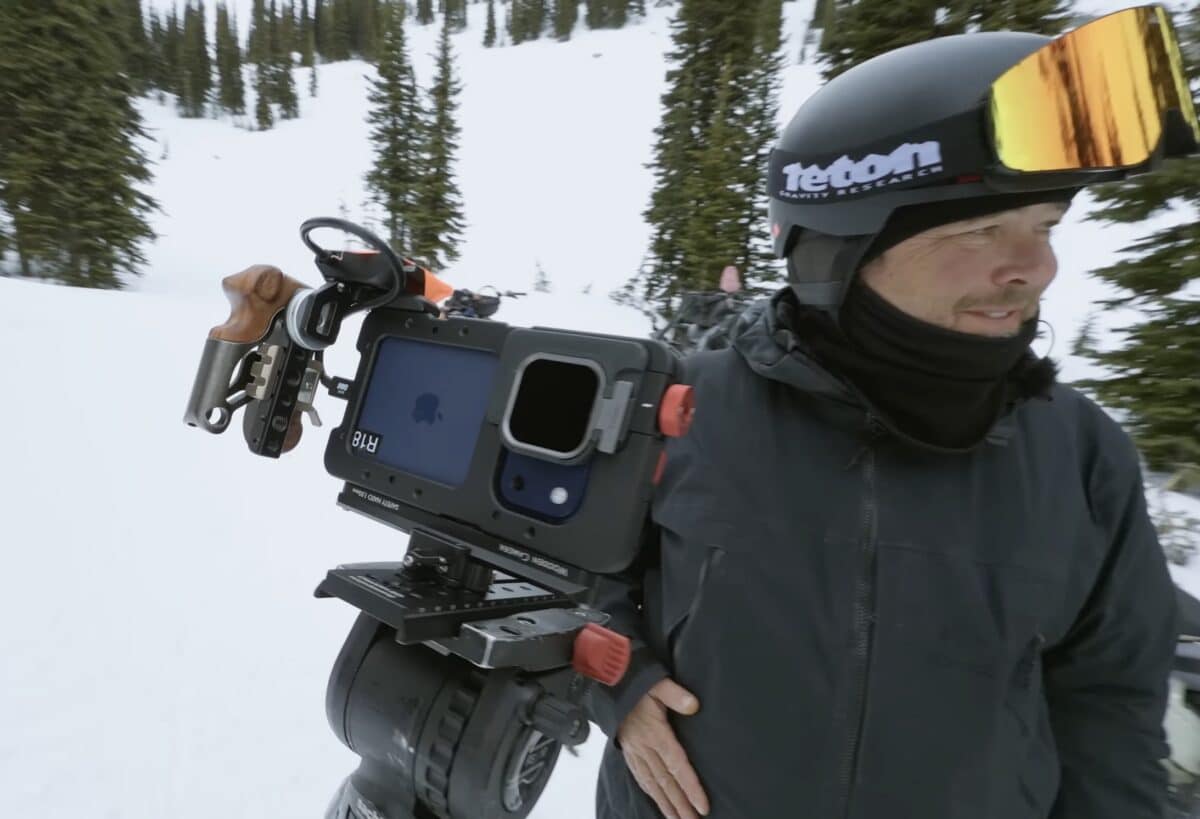
While the primary recording device was an iPhone, the TGR crew did not shy away from integrating select accessories to enhance the production value. These included specialized pistol grip handles and advanced tripods, tools that helped stabilize shots and achieve a more polished, cinematic look. The crucial breakthrough, however, lies in the iPhone’s ability to capture "ProRes RAW" files. This advanced video format, previously exclusive to high-end professional cameras, offers a significantly greater amount of image data compared to standard video codecs. This RAW data provides filmmakers with extensive flexibility in post-production, allowing for more precise color grading, exposure adjustments, and overall image manipulation without compromising visual quality.
The implication of iPhones capturing ProRes RAW is profound: it suggests that the technical barrier to entry for producing cinema-quality footage has been dramatically lowered. For decades, achieving broadcast or theatrical-level visuals demanded substantial investments in camera bodies, lenses, media storage, and robust support systems. Now, a relatively recent iPhone model, coupled with the right software and post-production workflow, can potentially yield results comparable to productions that once necessitated budgets in the tens or hundreds of thousands of dollars for equipment alone.
The iPhone 17 Pro: A New Era of Mobile Cinematography
The specific model utilized for this groundbreaking project was the iPhone 17 Pro, a device representing the pinnacle of Apple’s mobile camera technology at the time of its release. This iteration, like its predecessors, boasts advanced sensor technology, sophisticated image processing, and the aforementioned ProRes RAW recording capabilities. These features are instrumental in capturing the nuanced lighting conditions, rapid motion, and high-contrast environments typical of skiing expeditions.
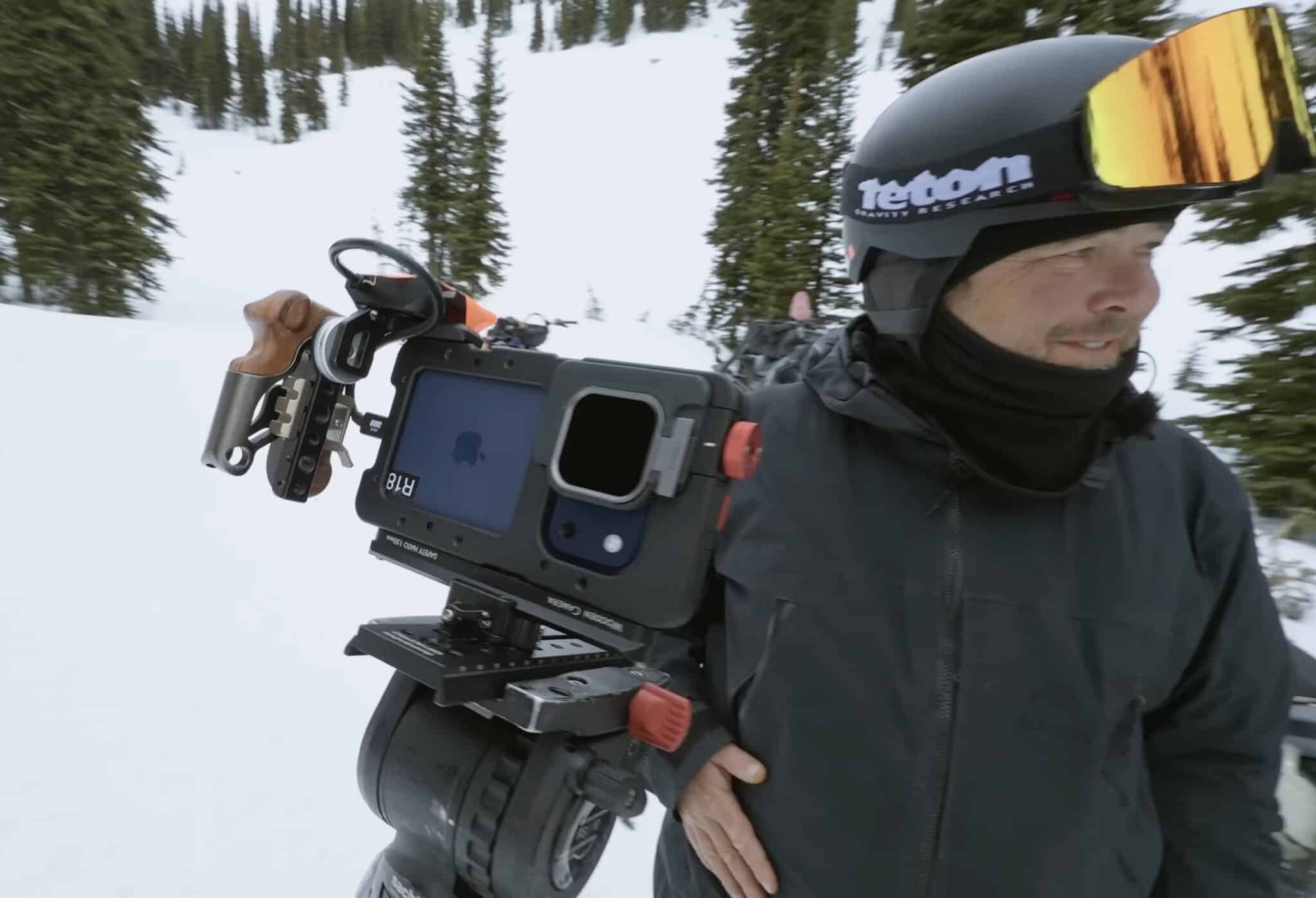
The success of this project is not merely a testament to the hardware but also to the ingenuity of the filmmakers in leveraging the technology. It signifies a shift where the artistry of filmmaking—storytelling, composition, and editing—becomes even more paramount, while the reliance on ultra-expensive gear diminishes. This democratization of tools could empower a new generation of filmmakers, particularly in niche sports and adventure genres, to share their visions with a global audience.
Behind the Scenes: A Glimpse into the Valhalla Range
The featured film, a significant undertaking for TGR, was shot entirely within the rugged and breathtaking landscape of British Columbia’s Valhalla Range. This remote and visually stunning location provided the perfect backdrop for showcasing the talents of elite freeskiers Kai Jones and Sammy Carlson. For the first time in TGR’s nearly 30-year history, the entire narrative was captured using an iPhone 17 Pro. This fact alone underscores the magnitude of the technological leap and the crew’s confidence in their chosen tools.
The film’s production timeline, while not explicitly detailed, can be inferred to have spanned a period sufficient for capturing the dynamic and often fleeting conditions required for high-level freeskiing footage. The logistical challenges of filming in such an environment—including weather, snow conditions, and accessibility—would have been amplified by the need to manage and protect smaller, less rugged devices compared to traditional cinema cameras. The success in overcoming these hurdles further validates the iPhone’s suitability for extreme conditions.
The Broader Impact: Obsolete Gear or Liberating Technology?
The implications of TGR’s iPhone-centric production extend far beyond the skiing community. For professionals heavily invested in traditional, high-cost camera equipment, this development might represent a challenging economic reality. The perceived obsolescence of expensive gear could be a difficult pill to swallow. However, for aspiring filmmakers, independent creators, and those new to the industry, this innovation is immensely liberating. It signifies that the technical barriers to entry for producing compelling visual content are lower than ever.
This trend aligns with a broader technological evolution where powerful computing and advanced imaging capabilities are increasingly integrated into smaller, more accessible devices. The smartphone, once a communication tool, has firmly established itself as a versatile creative instrument, capable of producing content that rivals that of specialized, professional equipment. The key takeaway is that while the tools are evolving, the fundamental skill of capturing compelling moments and telling engaging stories remains at the forefront. The challenge for future productions may shift from acquiring the most expensive gear to finding the most compelling talent and narratives.
A New Benchmark in Action Sports Cinematography
Teton Gravity Research’s bold decision to shoot a major film project on iPhones sets a new precedent in action sports cinematography. It challenges the industry’s reliance on traditional, expensive equipment and demonstrates the remarkable capabilities of modern smartphones. The ability to capture high-quality footage, including ProRes RAW files, with a device that fits in one’s pocket, opens up unprecedented creative possibilities and significantly lowers the barrier to entry for aspiring filmmakers. This innovation not only democratizes the art of visual storytelling but also pushes the boundaries of what is considered possible in capturing extreme sports in remote and challenging environments. The success of this project suggests that the future of filmmaking, particularly in the adventure and sports genres, may be increasingly mobile, agile, and accessible.
Supporting Data and Context
The evolution of smartphone camera technology has been exponential. For instance, the iPhone 15 Pro, released prior to the reported iPhone 17 Pro production, already offered features like 48MP main camera with support for super-high-resolution HEIF and JPEG capture, ProRes video recording up to 4K at 60 fps with external recording, and Cinematic mode for depth-of-field effects. The iPhone 17 Pro, being a later model, would undoubtedly build upon these capabilities, offering enhanced low-light performance, improved dynamic range, and potentially higher frame rates or resolutions in ProRes RAW.
Industry analyses have consistently shown a growing market for mobile filmmaking accessories, including gimbals, lenses, and external microphones, indicating a sustained interest in leveraging smartphones for professional video production. Reports from market research firms have projected significant growth in the global mobile video production market, driven by the increasing capabilities of smartphones and the demand for user-generated content.
The concept of "democratizing" filmmaking has been a recurring theme in the digital age. Early examples include the rise of digital cameras that replaced expensive film stock, and later, the advent of affordable editing software. The current trend of using high-end smartphones for professional productions represents the next logical step in this ongoing evolution, making sophisticated visual storytelling accessible to a broader range of creators.
Chronology of Technological Advancement
The journey from basic camcorders to professional cinema cameras has been a long one, marked by significant technological leaps.
- Early Days: Film cameras requiring physical film stock, complex processing, and substantial logistical support.
- Digital Revolution: Introduction of digital video cameras, offering immediate playback and reducing the cost per minute of footage. High-definition (HD) and later 4K resolutions became standard.
- DSLR and Mirrorless Cameras: These cameras, primarily designed for photography, began to offer advanced video capabilities, blurring the lines between stills and motion capture. They provided better image quality and shallow depth of field compared to traditional video cameras.
- Smartphone Integration: Early smartphones offered basic video recording. Over successive generations, features like improved sensors, optical image stabilization, and higher resolutions were introduced.
- ProRes and RAW Capabilities: The inclusion of professional video codecs like ProRes and the ability to capture RAW image data on smartphones marked a significant turning point, enabling higher image quality and greater post-production flexibility. This development is what TGR has now leveraged for their major project.
The TGR project, utilizing the iPhone 17 Pro, firmly places this device and its contemporaries at the forefront of professional mobile filmmaking, potentially signaling a future where high-end productions are no longer exclusively the domain of expensive, specialized equipment.
Reactions and Analysis
While specific reactions from competing film crews or equipment manufacturers were not immediately available, the move by TGR is likely to generate considerable discussion within the industry. It could prompt other production houses to re-evaluate their equipment investments and explore similar experimental approaches. For camera manufacturers, it presents both a challenge and an opportunity; a challenge to their existing high-end product lines, and an opportunity to further integrate professional video features into consumer devices.
Industry analysts suggest that this trend could lead to a more diverse and innovative landscape in adventure filmmaking. The ability for smaller teams or independent filmmakers to produce high-quality content with reduced overhead could foster new voices and perspectives. However, the technical expertise required for shooting and post-producing in formats like ProRes RAW, along with the creative vision to tell a compelling story, will remain critical differentiating factors. The talent of the skiers, the skill of the cinematographer, and the vision of the director will continue to be paramount, regardless of the camera used.

