
The relationship between a skier and their boots has long been defined by a stoic acceptance of discomfort, with many enthusiasts viewing the rigid, unforgiving plastic shells as a necessary trade-off for downhill performance. However, as the 2025-2026 winter season progresses, medical professionals are raising critical questions regarding whether this "badge of honor" could be leading to permanent physiological damage. While the primary function of a ski boot is to facilitate the efficient transfer of energy from the leg to the ski, the mechanical constraints required for this process often run counter to the natural anatomy and movement of the human foot.
According to Dr. Nelya Lobkova, a New York City-based podiatrist and veteran skier, the primary danger lies not in the sport itself, but in the interface between the foot and the equipment. Dr. Lobkova notes that ski boots are notorious for exacerbating pre-existing conditions that might otherwise remain dormant. Bunions—a forefoot deformity often linked to genetics—and Morton’s neuroma—a painful thickening of the nerve tissue between the toes—are among the most common ailments aggravated by the sport. The rigid nature of the boot shell provides no room for the foot to expand, creating a high-pressure environment that can turn minor irritations into chronic medical issues.
The Biomechanics of Compression and Friction
The fundamental conflict in ski boot design is the need for a "locked-in" feel to ensure safety and control at high speeds. When a boot is improperly fitted, this lack of movement leads to two distinct types of trauma. "When the toebox in a boot is tight, friction can cause bunions, hammertoes, and neuromas to become painful," Dr. Lobkova explains. Conversely, a boot that is too large can be equally damaging. In an oversized boot, the foot lacks a secure anchor, causing it to jam forward during deceleration or when traversing moguls. This repetitive impact, known as "toe bang," impinges the toe bones and can lead to lasting nerve damage.
Dr. Lobkova emphasizes that these are not merely temporary pains that vanish once the gear is returned to the locker. An inflamed bunion or an impinged nerve root, such as Morton’s neuroma, can become a lingering problem that persists long after the ski season has concluded. The repetitive stress can lead to chronic inflammation, requiring corticosteroid injections, physical therapy, or, in extreme cases, surgical intervention to realign the bones or remove damaged nerve tissue.
Dermatological and Subungual Consequences
Beyond the skeletal and neurological risks, the pressure exerted by the front of the boot shell can lead to significant damage to the toenails and surrounding skin. Subungual hematoma, or bruising under the nail bed, is a frequent complaint among skiers. While often dismissed as "black toenails," the condition indicates significant trauma.
"Both conditions [subungual hematoma and ingrown toenails] could potentially lead to a toenail infection that may require removal of the toenail or oral antibiotics," says Dr. Lobkova. She further warns that excessive damage to the toenail bed can cause irreversible changes to how the nail grows. Once the matrix of the nail is compromised, the replacement nail often appears thicker, shorter, and more brittle, a permanent reminder of seasons spent in ill-fitting equipment.
Distinguishing Between Normal Discomfort and Pathological Pain
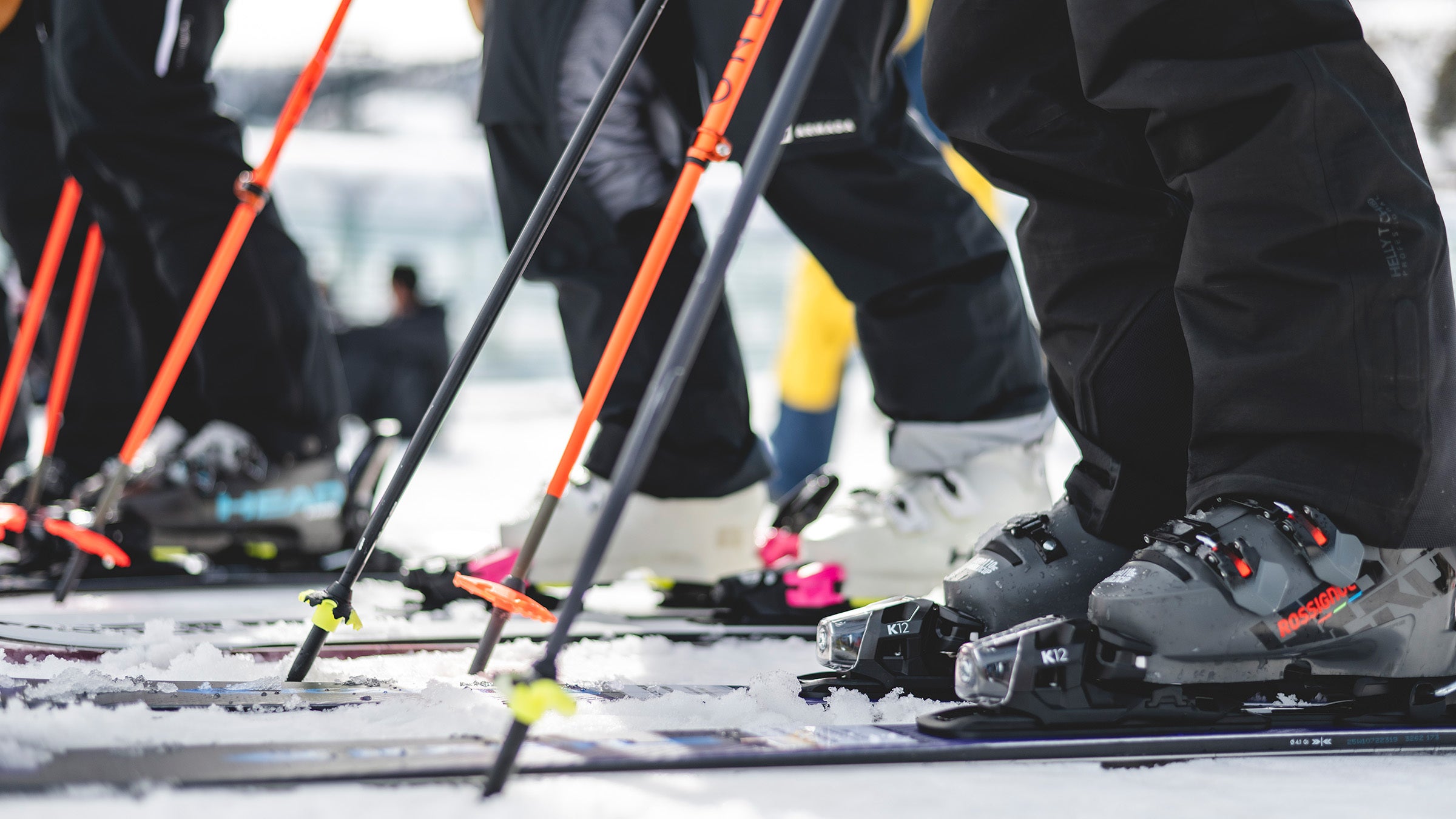
The culture of skiing has historically normalized foot pain, making it difficult for many skiers to identify when they are crossing the line into potential injury. Dr. Mikel Daniels, a Baltimore-based podiatric surgeon, argues that there is a clear distinction between the expected fatigue of an athletic endeavor and the warning signs of a "bad fit."
In a professional fitting, a new boot should feel snug, and the toes should lightly brush the front of the liner when the skier is standing upright. However, as the skier shifts into a flexed "ski stance," the heels should lock back, pulling the toes slightly away from the front of the boot. Dr. Daniels suggests that while a general ache after a full day on the mountain is common—largely due to the foam liner compressing and the muscles working to stabilize the foot—this sensation should dissipate quickly once the boots are removed.
"My rule is simple: if your boot pain makes you think more about your feet than your skiing, the fit is wrong," says Dr. Daniels. He identifies localized sharp pain, persistent "pins and needles" (paresthesia), and unusually cold feet as primary indicators that the boot is restricting blood flow or compressing vital nerves.
The Chronology of a Ski Day: The Tourniquet Effect
The physiological state of the foot changes significantly from the first chairlift in the morning to the final run of the afternoon. Dr. Lobkova points out a critical environmental factor often overlooked by recreational skiers: the impact of temperature fluctuations on foot volume. When a skier moves from the freezing temperatures of the slopes into a heated lodge for lunch, the feet and ankles naturally begin to swell.
"You don’t want them to swell against a stiff boot because this will cause a tourniquet effect, preventing blood from reaching the foot," Dr. Lobkova warns. This restriction of circulation not only increases the risk of frostbite by reducing the body’s ability to regulate toe temperature but also intensifies the pressure on the metatarsal heads. To mitigate this, experts recommend loosening buckles or even removing boots entirely during extended breaks to allow the vascular system to reset.
Professional Solutions: From Heat-Molding to Custom Orthotics
For those committed to the sport, the medical community and professional boot fitters suggest several levels of intervention to prevent permanent damage. The first line of defense is heat-molding. Modern ski boot liners are designed with thermo-formable foam that, when heated, contours to the unique shape of the wearer’s foot.
"When heat-molded and custom-fitted, downhill ski boots should contour all forefoot deformities," says Dr. Lobkova. This process effectively "maps" the foot’s irregularities, such as bunions or bony protrusions, into the liner, reducing the friction that leads to inflammation. For more severe issues, boot fitters can perform a "shell punch." This involves using specialized hydraulic tools to physically expand the plastic shell in specific areas, creating a pocket of space for a bunion or a particularly wide forefoot.
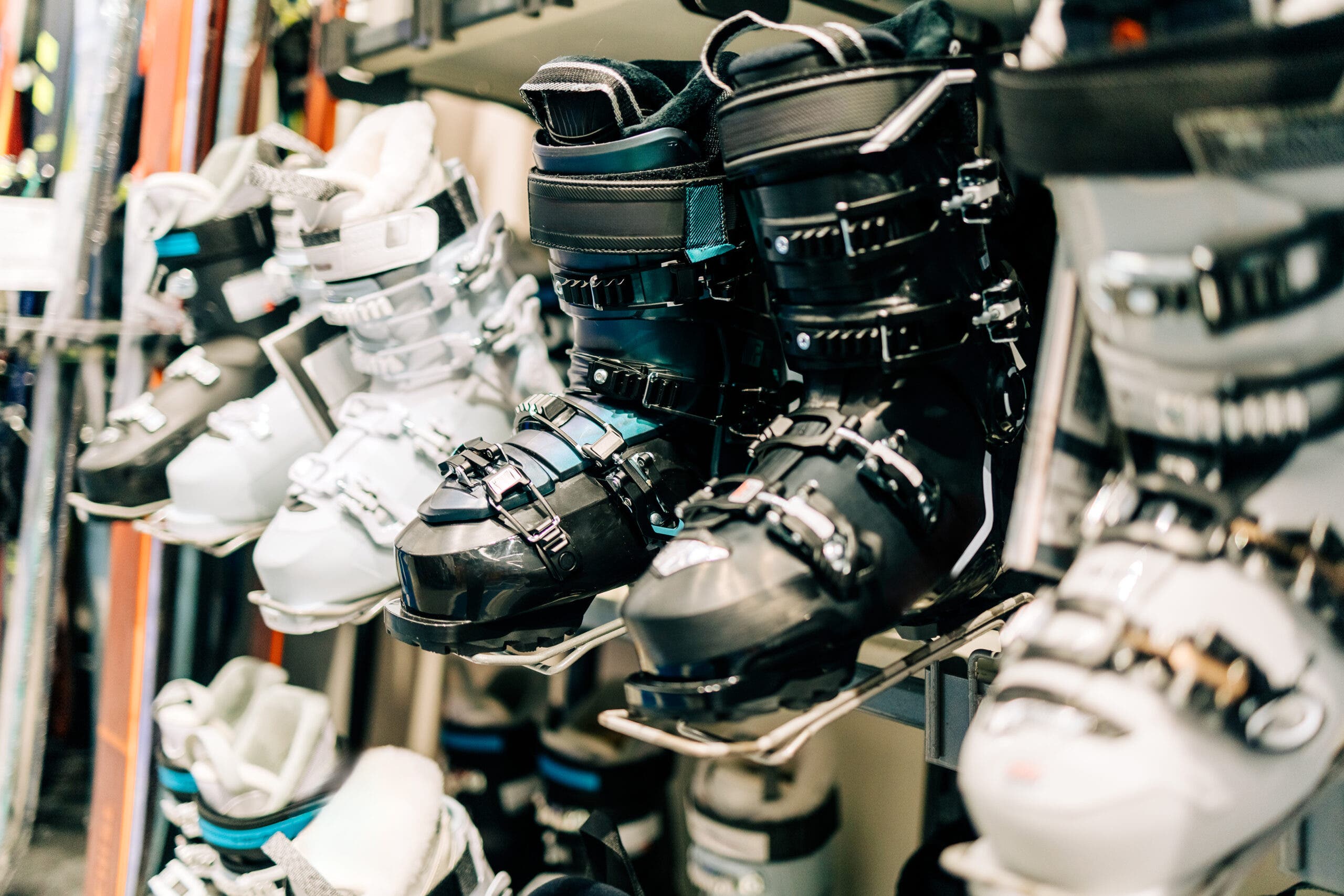
Dr. Daniels recalls a patient who suffered for years with recurring subungual hematomas, believing it was an unavoidable part of the sport. "Once we got him into a boot with the right shell length and a small punch in the toe box, his toenails finally survived a ski season," he says. This highlights the importance of matching the shell’s anatomical "last" to the skier’s foot shape rather than simply sizing up, which often creates more problems than it solves.
The Role of Interior Support
Even with a perfectly punched shell, the internal mechanics of the foot can cause pain if not properly supported. Many skiers find that even custom-fitted boots fail to alleviate forefoot pain. In these instances, the issue is often the collapse of the transverse arch under the stress of skiing.
Dr. Lobkova frequently prescribes custom orthotics specifically designed for the low-volume environment of a ski boot. Standard over-the-counter insoles are often too thick, which can raise the foot too high in the boot and cause "instep pressure," cutting off circulation. Specialized custom insoles often feature an embedded metatarsal pad. This small elevation sits just behind the ball of the foot, helping to separate the toe bones and tendons, thereby preventing the nerve compression that causes Morton’s neuroma.
Broader Industry Implications and Preventative Care
The shift toward prioritizing foot health is beginning to influence the broader ski industry. Rental departments are increasingly being trained to recognize that a "snug" fit is safer than an "oversized" one. Dr. Daniels advises rental customers to communicate openly with technicians about any pre-existing foot conditions and to avoid the temptation of choosing a larger size for "comfort." A loose shell requires the skier to over-tighten buckles, which creates localized pressure points and reduces control over the skis, paradoxically increasing the risk of both foot injury and downhill accidents.
Furthermore, the choice of hosiery plays a significant role in preventative care. Medical experts recommend high-quality, thin socks made of merino wool or synthetic blends. Unlike cotton, which absorbs moisture and collapses, merino wool maintains its shape and thermal properties, reducing the likelihood of blisters and managing the foot’s volume within the boot more effectively.
Conclusion: Listening to the Body
As the technology behind ski equipment continues to evolve, the consensus among podiatric experts is clear: ski boots are not inherently damaging, but a failure to address fit issues can lead to permanent consequences. The "no pain, no gain" mentality of the past is being replaced by a more clinical approach to equipment fitting.
By utilizing modern customization techniques—such as heat molding, shell punching, and custom orthotics—and by practicing simple habits like loosening buckles during breaks, skiers can protect their long-term podiatric health. Ultimately, the most effective tool for prevention is the skier’s own awareness. Listening to the body’s signals of sharp pain or numbness is essential to ensuring that a passion for the mountains does not result in a lifetime of foot complications.

