
The annual Ski Launch event, held in Kensington, London, on September 8, 2026, marked a significant moment for the UK snowsports industry as stakeholders gathered to assess the outlook for the upcoming 2026/27 winter season. Against the backdrop of an unusually hot and dry summer in the UK, the industry’s unofficial summit served as a forum for analyzing shifting consumer behaviors, the impact of media landscape changes, and the evolving economic realities of international winter tourism.

The Changing Media Landscape: Life After Ski Sunday
The most prominent topic of conversation among attendees was the recent decision by the BBC to cease production of its long-running flagship winter sports programme, Ski Sunday. The announcement, which occurred just one week prior to the event, has created a palpable sense of concern regarding the future of winter sports visibility in the UK.
For decades, the programme served as a cultural touchstone for British snowsports enthusiasts, acting as a gateway for both participation and viewership. Chemmy Alcott and Ed Leigh, the show’s presenters, have already begun pivoting to alternative media ventures, signaling a broader transition toward digital-first and niche-audience content models. However, industry insiders at the conference expressed apprehension that the loss of a mainstream platform may diminish the visibility of British athletes like Dave Ryding and the Bell brothers, potentially affecting the pipeline of talent and fan engagement for the next generation.

From an industry perspective, the concern is that the absence of a weekly, terrestrial television broadcast will necessitate a more fragmented approach to marketing, requiring brands and travel operators to invest more heavily in social media influencers and dedicated digital platforms to maintain the sport’s cultural relevance.
Market Shifts: The Rise of Italy and the "Value-First" Traveler
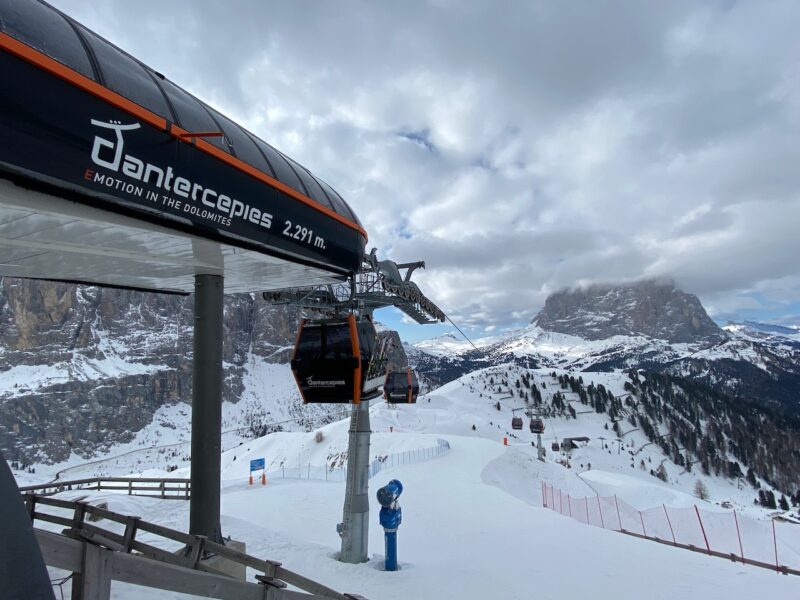
A recurring theme of the 2026 conference was the shifting preference for European destinations. Simon McIntyre, Managing Director of Iglu Ski, presented data suggesting a structural shift in the UK travel market. While France has historically maintained its position as the primary destination for British skiers, Italy is increasingly viewed as the most significant challenger to Austria’s long-held status as the second-choice market.

According to Iglu’s internal analysis of client booking intentions—which, while non-scientific, serves as a bellwether for industry trends—the "surge of interest" in Italy is driven by two primary factors: perceived value for money and high-altitude, snow-sure terrain. In a climate of rising costs and economic pressure on UK households, the Italian Alps offer a compelling proposition that balances infrastructure with price competitiveness. This shift is consistent with broader European tourism data showing a preference for "second-tier" destinations that provide premium experiences without the premium price tags often associated with the most established French resorts.
Geopolitical and Economic Headwinds in North America
The discussion regarding North American ski travel was markedly more cautious. There is an emerging consensus among travel agents and tour operators that the 2026/27 season may be challenging for US and Canadian resorts aiming to attract British clientele. The factors identified as creating this "perfect storm" include the high cost of transatlantic flights, the ongoing impact of inflationary pressures on the UK consumer, and uncertainty surrounding the current geopolitical climate in the United States.
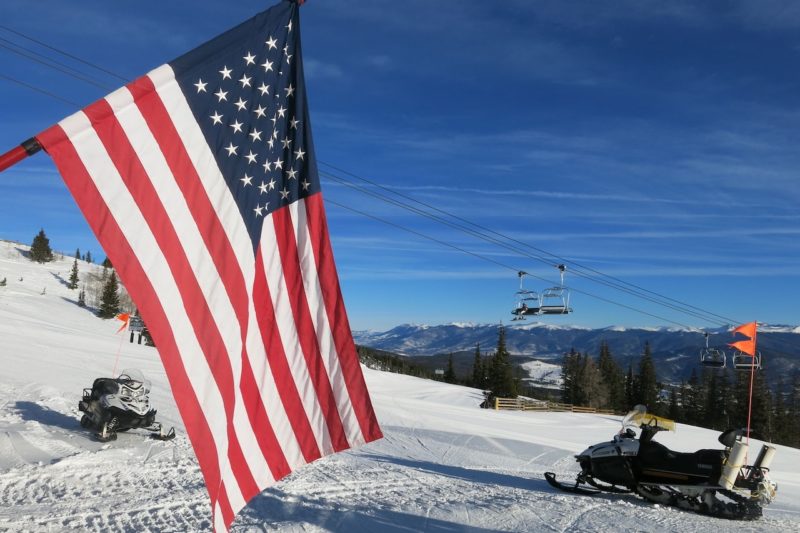
Despite these hurdles, representatives from North American tourism boards maintained an optimistic outlook. Sarah Beatty of Colorado Ski Country USA highlighted that North American ski trips are typically "bucket list" items characterized by long lead times and high levels of investment from the traveler. The unique selling proposition of the Western US—notably its expansive terrain, reliable light powder, and high-altitude "bluebird" conditions—continues to command a dedicated, albeit smaller, segment of the UK market that is less sensitive to short-term economic volatility.
The Integration of Artificial Intelligence in Travel Planning
The conference also addressed the rapid integration of artificial intelligence within the travel sector. The session led by Iglu Ski demonstrated how AI agents are now being used to parse decade-long datasets to better understand shifts in customer expectations. The findings confirmed a trend that many operators have observed anecdotally: the modern consumer is significantly more informed and demanding than their predecessors.
AI is transforming the customer journey in two distinct ways. First, the proliferation of AI-driven search tools has led to a decrease in direct traffic to traditional operator websites, as potential travelers aggregate information elsewhere. Second, the quality of interaction between the client and the agent has improved; when customers do initiate contact, they arrive with a much clearer understanding of their requirements, the available options, and price comparisons. This has forced travel agencies to evolve from being providers of information to providers of high-value, bespoke advisory services.
Innovations in Ski Touring and Niche Participation
The diversification of the sport was a major focal point, with a dedicated panel discussing the rapid growth of ski touring. Once considered the preserve of elite mountaineers, ski touring has seen a significant increase in accessibility, with new programs catering to beginners and women-only groups. The discussion also touched upon the emergence of "lift-less" resorts in Italy, specifically designed for those who prefer human-powered ascent.

The panel also introduced the "e-skimo" system, a controversial technological development featuring an electronically powered track embedded in the ski to assist with uphill traversal. While the technology promises to reduce physical strain, it sparked significant debate among attendees regarding the ethos of the sport and the role of electrification in wilderness recreation.
The Pembrokeshire Dangler: A Unique UK Context
Providing a contrast to the international focus of the event, Mike Richards offered a presentation on the realities of domestic skiing in the UK. By showcasing portable Zoa ski-tows currently used in the Brecon Beacons, Richards reminded attendees that the British snowsports scene exists in more places than indoor snow centers.

The highlight of this presentation was the description of the "Pembrokeshire Dangler," a specific, albeit rare, meteorological phenomenon. This weather pattern, where snow-bearing clouds align across the Irish Sea, allows for occasional, high-quality powder skiing in the Welsh hills. While it remains a niche activity, the enthusiasm surrounding such local initiatives reflects the resilient and passionate nature of the British snowsports community, regardless of the availability of traditional resort infrastructure.
Analysis of Future Implications
The 2026 Ski Launch suggests an industry that is currently in a state of recalibration. The loss of traditional media gatekeepers like Ski Sunday will accelerate the digital transformation of the industry, while economic pressures are forcing a move toward value-centric destinations like Italy.

Furthermore, the integration of AI is not merely a technological upgrade but a shift in the fundamental business model of travel agencies, moving them toward a consultative role. As the sector looks toward the winter ahead, the core challenge remains balancing the aspiration of the sport—represented by the growth in ski touring and the draw of North American powder—with the practical, economic, and media-related challenges facing the average British skier.
The data presented at the event indicates that while the market is becoming more discerning and cost-conscious, the underlying appetite for snowsports remains strong. The industry’s ability to adapt to these shifts—by leveraging technology, embracing diverse forms of participation, and effectively communicating value—will likely define the success of the 2026/27 season and beyond. As the industry prepares for the first snowfall, the focus will now shift to whether these trends manifest in actual booking volumes and on-slope participation across both the Alps and the emerging domestic frontiers.

