
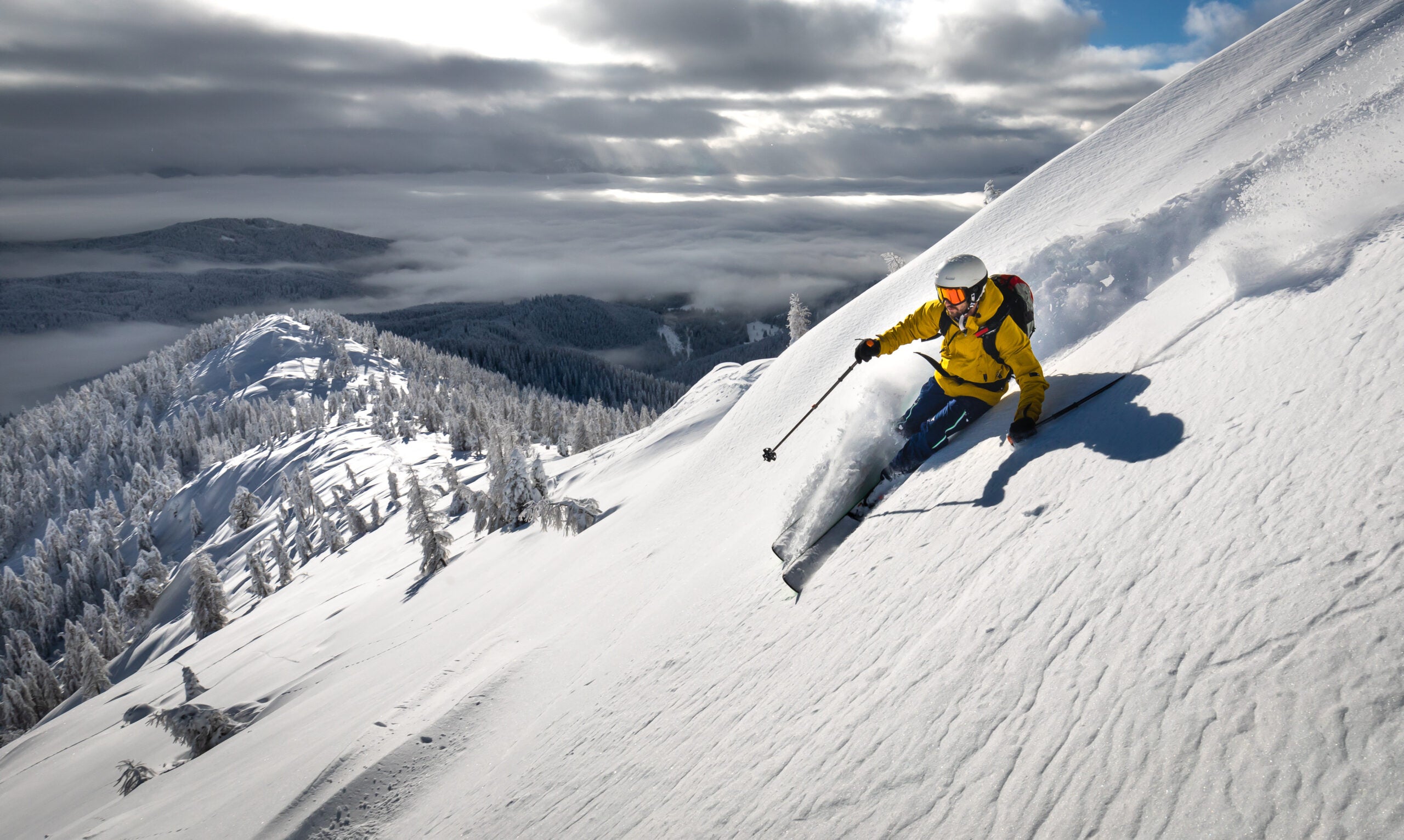
As the 2024-2025 winter sports season commences, millions of enthusiasts are returning to the slopes, often grappling with the physical demands of high-altitude, high-impact alpine activities. While many skiers begin their physical preparation only weeks or days before their first trip, orthopedic experts and sports medicine professionals are increasingly advocating for a fundamental shift in how athletes approach seasonal conditioning. Dr. Kevin Stone, a renowned orthopedic surgeon and former physician for the U.S. Ski Team, emphasizes that the most effective training for the winter season actually begins the moment the previous season concludes. This year-round approach to "total body fitness" represents a departure from traditional, sport-specific "cramming" and highlights a growing understanding of biomechanics, mental focus, and the critical role of modern equipment in preventing long-term injury.
The Paradigm Shift in Off-Season Conditioning
Historically, ski preparation was characterized by intense, localized training focused almost exclusively on the quadriceps and calves, typically starting in late October. However, the contemporary medical consensus, championed by institutions like The Stone Clinic in San Francisco, suggests that maintaining a baseline of "ski-ready" fitness is more efficient than rebuilding it annually. According to Dr. Stone, the ideal training cycle is a seven-month continuum that prioritizes the maintenance of strength gained during the peak of the previous winter.
The philosophy of modern training has moved away from purely "sports-specific" exercises—such as lateral jumps or mimicking the skiing motion on dry land—toward a holistic "total body fitness" model. The logic behind this shift is rooted in athlete compliance and psychological sustainability. Experts argue that an effective off-season program must be enjoyable and socially engaging to ensure consistency. Activities such as cycling, trail running, and group gym sessions are now viewed as primary components of a skier’s toolkit, as they build the cardiovascular endurance and core stability necessary to handle the variable terrain of a mountain.
For those who find themselves behind schedule as the first snowfall hits, the focus must shift toward dynamic movements. The "dynamic squat"—a variation of the traditional squat that incorporates side-to-side movement—remains the gold standard for late-stage preparation. This exercise specifically prepares the musculoskeletal system for the eccentric loading and rapid directional changes inherent in downhill skiing.
The Critical Role of Mental Focus in Injury Mitigation
One of the most significant, yet frequently overlooked, aspects of ski safety is psychological readiness. Data from clinical observations suggest that a vast majority of sports-related injuries are not the result of physical weakness, but rather "mental errors" or lapses in concentration. Dr. Stone notes that many athletes reporting to clinical facilities with acute injuries describe a pre-existing sense of "something being off" moments before the incident occurred.
Injuries often happen when a skier’s focus drifts from the immediate environment—such as terrain changes, snow texture, and the movement of other skiers—to unrelated stressors or distractions. In a high-speed environment where conditions change in milliseconds, proprioception (the body’s ability to sense its position in space) is heavily dependent on cognitive engagement. When the mind is distracted, the body’s reactionary time increases, and the protective bracing of muscles around vulnerable joints is delayed. Therefore, "putting one’s mind in the game" is considered as vital as physical conditioning in the hierarchy of injury prevention.
Technological Evolution: The Impact of Modern Gear on Safety
The narrative that "the skier makes the gear" is increasingly being challenged by advancements in material science and mechanical engineering. For decades, the industry standard for performance was a rigid, stiff boot designed to maximize power transfer to the ski’s edge. However, for 90 percent of the skiing population, these "old-school" rigid boots may actually increase the risk of injury.
Modern boot technology now emphasizes a "progressive flex" that allows the skier to utilize the natural range of motion in their ankles and knees. This flexibility is crucial for absorbing shocks and navigating uneven terrain. Furthermore, the degradation of plastics and the mechanical fatigue of spring-loaded binding systems mean that vintage gear—often defined as equipment older than ten years—poses a significant safety risk. New bindings are engineered with more sophisticated release mechanisms that can better distinguish between a high-force turn and a potentially bone-breaking twist.
Experts recommend that skiers, particularly those returning after a hiatus, prioritize well-fitting, softer-flex boots and up-to-date binding systems. This transition not only enhances performance by allowing for more nuanced control but also serves as a primary defense against the torsional forces that lead to ligamentous injuries.
Clinical Analysis: Common Injuries Across Demographics
The nature of ski injuries often correlates with the age and physiological profile of the skier. In younger populations, the most frequent diagnoses involve the knee and shoulder.
- Anterior Cruciate Ligament (ACL) and Meniscus Tears: These are typically caused by sudden rotational forces when a ski catches an edge or during a "phantom foot" fall, where the tail of the ski acts as a lever to twist the knee.
- Upper Extremity Injuries: Dislocated shoulders and rotator cuff tears are common results of high-velocity falls where the skier attempts to break their impact with an outstretched arm.
Dr. Stone emphasizes that if a skier hears an audible "pop" followed by immediate swelling, there is a 90 percent statistical probability of a significant internal derangement of the knee. In such cases, a comprehensive diagnostic approach—including physical exams, X-rays, and MRIs—is essential for an accurate recovery plan.
For younger athletes requiring ACL reconstruction, the choice of graft material is a subject of significant debate. While many surgeons use the patient’s own patellar tendon or hamstring (autograft), some specialists, including Dr. Stone, advocate for the use of high-quality donor tissue (allograft). The rationale is that harvesting a patient’s own tissue can weaken the donor site, potentially affecting the skier’s ability to hold an edge or flex the knee during high-performance maneuvers.
Managing the Aging Athlete: Arthritic Solutions and Longevity
For older skiers, the primary obstacle is often not acute trauma, but the cumulative effect of wear and tear, manifested as osteoarthritis. The medical community has made significant strides in "biologic" treatments designed to prolong the life of the natural joint and delay or avoid total joint replacement.
Regenerative medicine, including injections of Hyaluronic Acid (HA) and Platelet-Rich Plasma (PRP), has become a mainstay for "bone-on-bone" patients. These treatments work by:
- Lubrication: HA acts as a synthetic synovial fluid, reducing friction within the joint.
- Growth Factors: PRP utilizes the patient’s own concentrated platelets to recruit stem cells and reduce inflammation.
These interventions often allow older skiers to maintain an active lifestyle well into their 80s and 90s. The goal of modern orthopedics in this demographic is to "keep the original equipment" as long as possible, using minimally invasive techniques to manage pain and maintain mechanical function.
Broader Implications and the Path to Recovery
The economic and social impact of ski injuries is substantial. According to the National Ski Areas Association (NSAA), while the overall rate of injury has declined over the past 40 years due to better grooming and gear, the severity of knee injuries remains a concern for the industry. A single major injury can lead to months of lost productivity and significant healthcare costs.
However, the "fitter, faster, stronger" philosophy of rehabilitation suggests that an injury can serve as a catalyst for improved physical health. The motivation to return to the mountains often drives patients to adhere to more rigorous conditioning programs than they would have otherwise. By identifying the root cause of an injury—whether it was a lapse in focus, outdated gear, or a specific physical weakness—skiers can return to the sport with a more resilient physiological and mental framework.
In conclusion, the modern skier must view their sport not as a seasonal hobby, but as an athletic discipline that requires year-round attention. Through a combination of total body fitness, cognitive focus, investment in modern technology, and the utilization of advanced regenerative medicine, the risks associated with the sport can be significantly mitigated, allowing for a lifetime of safe and high-performance skiing.

