
The Italian Winter Sports Federation (FISI) has confirmed that alpine skiing star Sofia Goggia is currently undergoing a specialized recovery program after being diagnosed with two concurrent viral infections. The health setback, which forced the Olympic medalist to cut short her preseason training in Ushuaia, Argentina, has sparked concerns regarding her timeline for the upcoming FIS Alpine Ski World Cup season. Medical evaluations conducted upon her return to Italy have highlighted the severity of the illness, necessitating a period of rest and rehabilitation under the guidance of top sports medicine specialists.
A Premature End to Southern Hemisphere Training
Sofia Goggia arrived in Ushuaia, Argentina, on August 23, aiming to leverage the pristine conditions of the Southern Hemisphere winter to refine her technique and physical conditioning. The training camp is a staple of the professional circuit, providing elite athletes with critical snow time before the Northern Hemisphere winter begins in earnest.
However, on September 12, the training regimen was abruptly interrupted. FISI released a formal statement indicating that Goggia had experienced persistent health issues that rendered her unable to maintain the high-intensity workload required for professional alpine skiing. In consultation with the federation’s medical commission, a decision was reached to prioritize the athlete’s long-term health, leading to her immediate repatriation to Italy.
Chronology of Medical Evaluation and Diagnosis
Upon returning to Italy, Goggia was subjected to a series of comprehensive examinations to identify the source of her physical decline. The diagnostics were carried out at the La Madonnina Clinic and the San Raffaele Hospital in Milan, both of which are prominent centers for high-performance sports medicine in Italy.
The clinical findings, corroborated by virology specialists at the CeReMi center in Pavia, confirmed that Goggia was suffering from the combined impact of two distinct viral infections. While the specific nature of the pathogens has not been publicly disclosed, the federation noted that the synergetic effect of these infections has left the athlete in a state of significant physiological depletion.
Under the direction of Dr. Andrea Panzeri, the chair of the FISI medical commission, a recovery protocol has been established. This program is designed to monitor her recovery trajectory carefully, ensuring that she does not return to the slopes until her immune system and physical stamina have fully rebounded. Goggia, through her social media channels, has expressed gratitude for the medical team’s diligence, acknowledging that while she is making incremental improvements, the path to full recovery requires extreme patience.
The Stakes for the 2026-2027 Season
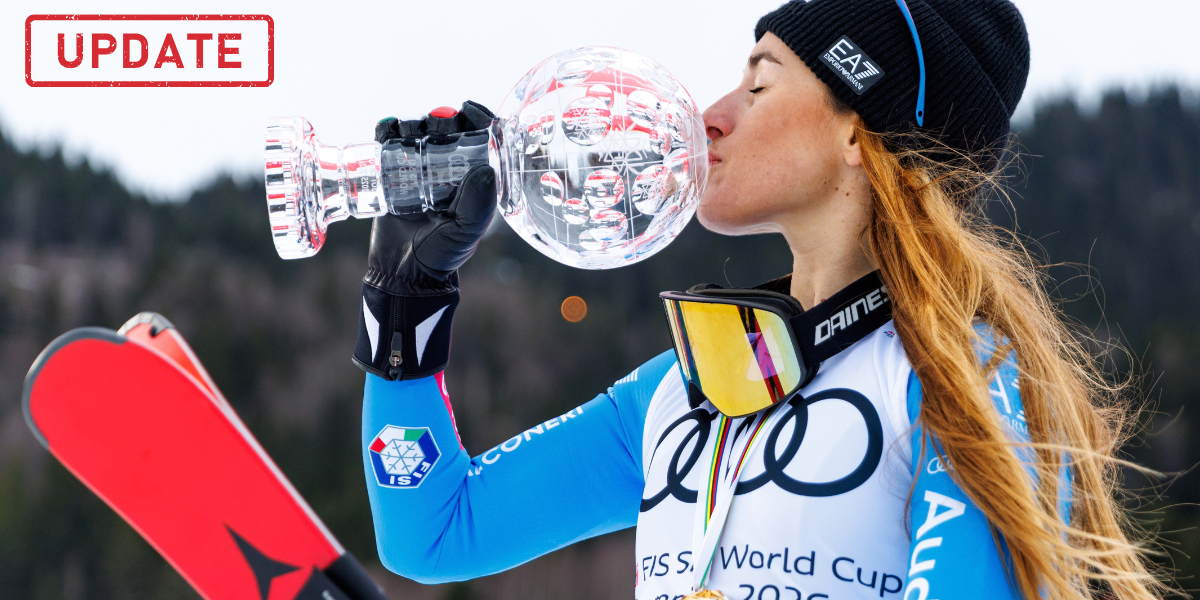
The timing of this illness is particularly sensitive for Goggia, who remains a dominant force in speed disciplines. As the reigning super-G World Cup titleholder, the pressure to maintain her competitive edge is immense. Her career is defined by high-stakes performance, including a hard-fought downhill bronze medal at the Milano Cortina Olympics, a result that cemented her status as one of Italy’s most resilient athletes.
The 2026-2027 season is poised to be another grueling campaign. For a speed specialist like Goggia, the training lost in Ushuaia represents a significant gap in on-snow technical calibration. Alpine skiing requires an acute synchronization between physical strength, proprioception, and high-speed decision-making; any prolonged period of inactivity can impact an athlete’s "feel" for the snow.
Medical and Performance Implications
The impact of viral infections on elite athletes is a subject of ongoing study in sports physiology. For an endurance and power-based athlete, a double infection can lead to systemic inflammation, muscle atrophy, and a drop in VO2 max capacity. Dr. Panzeri and his team are likely focusing on a phased reintroduction to physical activity. This typically involves:
- Active Rest Phase: Ensuring the viral load is cleared and the body’s inflammatory markers return to baseline.
- Controlled Load Progression: Monitoring heart rate variability (HRV) and power output to ensure the athlete is not suffering from post-viral fatigue syndrome.
- Snow Reintegration: A gradual return to the slopes, beginning with light free-skiing before moving back into gate training and speed work.
The caution being exercised by FISI reflects a broader shift in professional sports toward long-term athlete welfare. Historically, athletes might have been pressured to push through viral illnesses, but the prevalence of complex post-viral recovery periods has led governing bodies to adopt more conservative protocols.
Broader Impact on the Italian Alpine Team
Goggia’s absence from the training camp creates a void within the Italian team’s leadership structure. Her presence in Ushuaia serves as a benchmark for the younger members of the squad. Furthermore, her feedback on equipment setup and terrain conditions is vital for the team’s service staff.
With the start of the World Cup season approaching, the question of when she will return to competition remains open. Neither the athlete nor the federation has provided a firm date for her return to training, suggesting a "day-by-day" approach. In the professional circuit, every missed day of training translates into a missed opportunity to test new materials or refine lines for specific courses. However, the mental toll of a forced interruption can sometimes be as significant as the physical one. Goggia, known for her aggressive and uncompromising style on the mountain, now faces the challenge of tempering her competitive drive with the reality of her current medical limitations.
Analytical Perspective on Recovery
From a performance analysis standpoint, the primary risk for Goggia is not necessarily the loss of strength, but the potential disruption to her preparation rhythm. Alpine skiing is a sport of micro-adjustments. If an athlete returns too quickly, they risk compensatory injuries—where the body, weakened by the virus, fails to stabilize correctly during high-G turns.
By choosing to disclose the diagnosis and focus on a structured recovery, Goggia and FISI are mitigating the risk of a protracted season-long struggle. The transparency regarding her condition also serves to manage public and sponsor expectations as she navigates the recovery process. While the sports world waits for an update on her return to the slopes, the focus remains firmly on her stabilization.
Looking Ahead
The path forward for Sofia Goggia is clear: recovery takes precedence over current training schedules. Her career has been marked by a series of comebacks from injury, and her ability to return to form after significant setbacks is well-documented. Whether this illness will affect her standing in the early-season races remains to be seen.
As the season calendar approaches, the focus will shift to how quickly she can regain her top-tier form once the medical clearance is granted. For now, the Italian skiing community and her global fanbase await further updates, with the shared understanding that the priority is to ensure she is fully prepared to return to the circuit at the peak of her capabilities. The resilience that has defined her career—winning titles and medals against the odds—is now being directed toward the most important recovery of her current training cycle.
FISI continues to coordinate with the medical staff to ensure that every necessary resource is available to Goggia. The federation has made it clear that there is no intent to rush the process, emphasizing that the health of the athlete is the only priority at this stage. As she continues her recovery, the sport of alpine skiing keeps a watchful eye, recognizing the void left by one of its most prominent and successful figures.

