
Strategic Preseason Conditioning for Alpine Skiing: Physical Preparedness and Injury Prevention in the Modern Winter Sports Landscape is becoming a critical focus for winter sports enthusiasts as the transition from the autumn equinox to the first snowfall marks a pivotal window for physiological adaptation. As the ski industry evolves with advanced equipment and increasingly technical terrain, the physical demands placed on the human body have intensified, necessitating a rigorous approach to off-season preparation. Medical professionals and athletic trainers emphasize that the period between September and November is not merely a countdown to the opening of lift gates, but a mandatory phase for building the muscular endurance and neuromuscular control required to navigate the slopes safely and effectively.
The Critical Link Between Conditioning and Injury Mitigation
The primary driver behind the push for preseason training is the documented reduction in traumatic injuries, particularly those involving the anterior cruciate ligament (ACL). According to a comprehensive Swedish study involving alpine ski students, the implementation of targeted neuromuscular training during the preseason reduced the incidence of ACL injuries by nearly 50% over a two-season period. This data underscores a growing consensus in sports medicine: the "weekend warrior" approach—transitioning directly from a sedentary summer to high-intensity alpine skiing—is a leading cause of preventable orthopedic trauma.
Dr. Robert LaPrade, a renowned complex knee surgeon who has worked with the U.S. Ski Team, has frequently noted that fatigue is the precursor to most ligamentous tears. When the quadriceps and hamstrings lose their ability to stabilize the knee joint due to exhaustion, the mechanical load shifts to the ligaments. Consequently, building a "fatigue-resistant" body is the most effective insurance policy a skier can possess. For skiers entering their fourth and fifth decades of life, this conditioning is even more vital, as muscle elasticity and bone density naturally begin to decline, requiring proactive maintenance to ensure longevity in the sport.
Verticality and Eccentric Loading: The Role of Slope Hiking
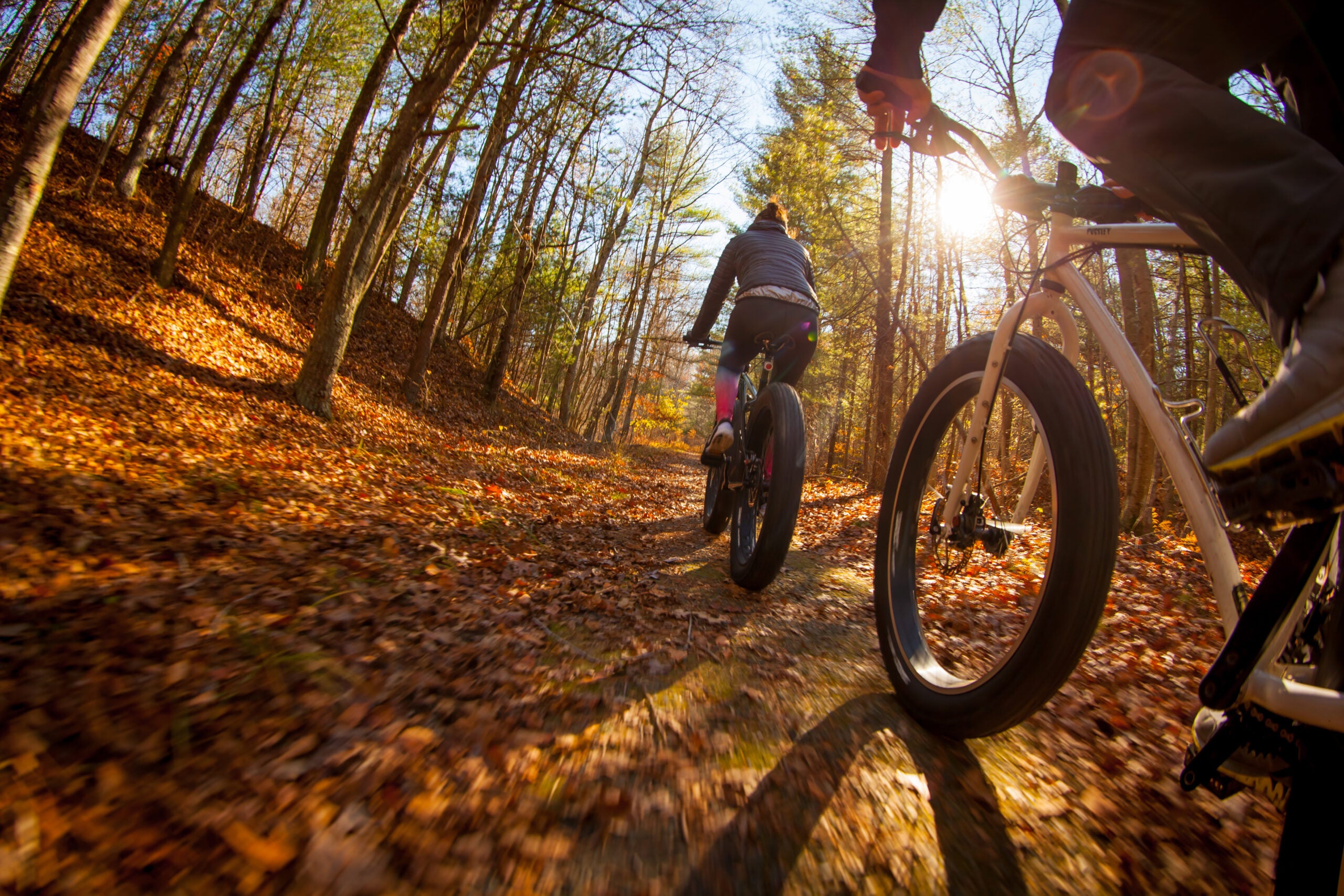
One of the most effective methods for preparing the lower extremities for the rigors of skiing is the practice of hiking up active ski slopes during the fall months. This activity provides a direct environmental simulation of the terrain encountered during the winter. From a physiological standpoint, climbing steep inclines targets the gluteus maximus, hamstrings, and calves, while the descent provides essential eccentric loading—the type of muscle contraction where the muscle lengthens under tension.
Eccentric strength is the cornerstone of alpine skiing; it is what allows a skier to "resist" the forces of gravity and centrifugal pull during a turn. By tracing winter runs on foot, athletes develop a topographical familiarity with the terrain while building the cardiovascular capacity to handle high-altitude exertion. Fitness experts recommend incorporating weighted vests into these hikes to mimic the mass of a fully loaded avalanche pack or heavy winter layering, thereby increasing the specificity of the workout.
Proprioception and Line Choice: Mountain Biking as Cross-Training
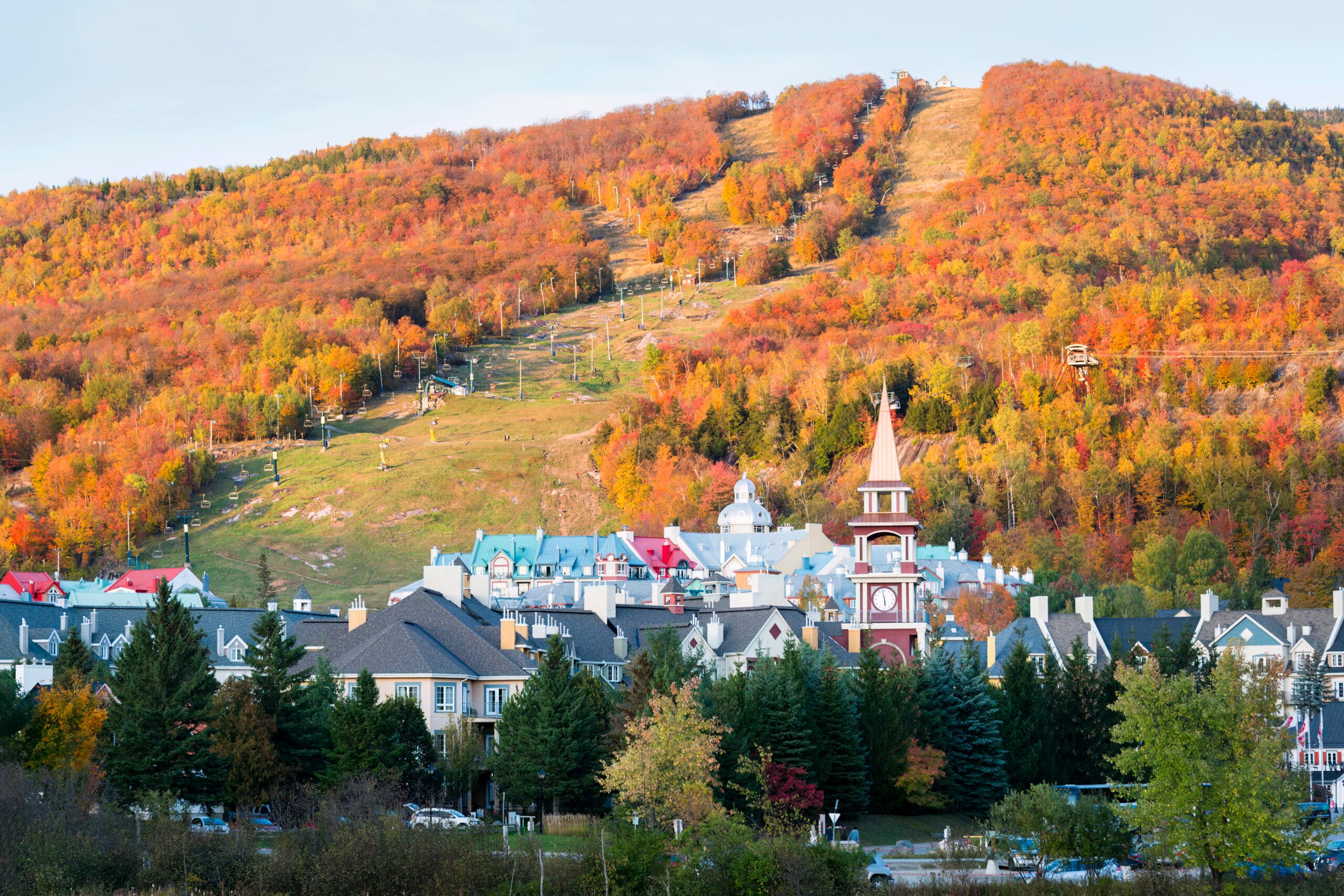
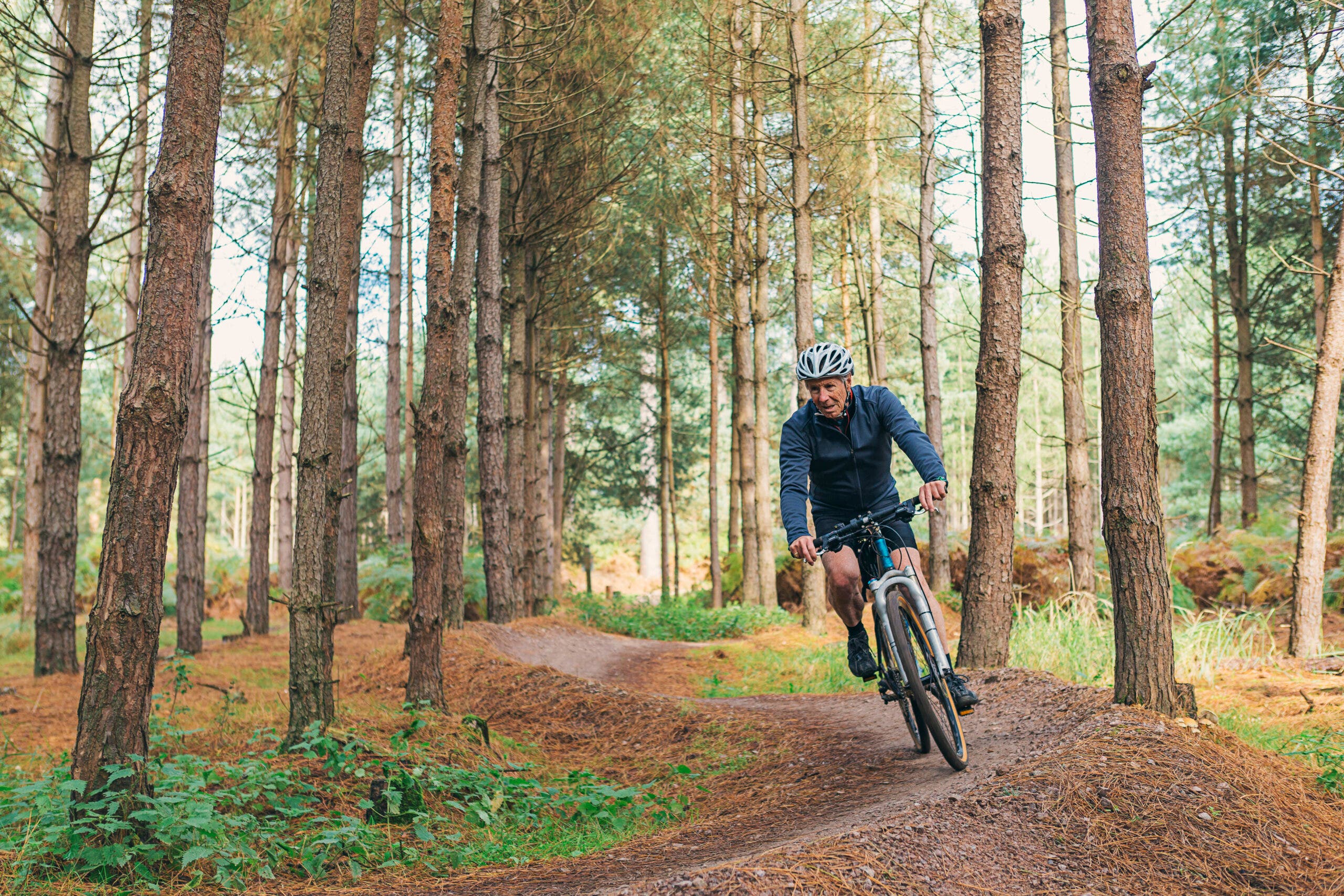
The synergy between mountain biking and skiing is well-recognized within the professional athletic community. Both sports require rapid decision-making, "line choice" through variable terrain, and constant adjustments in balance. In the preseason, mountain biking serves as a high-intensity interval training (HIIT) tool that sharpens a skier’s proprioception—the body’s ability to sense its position in space.
Navigating loose dirt, rocks, and roots on a mountain bike forces the core to remain engaged and the limbs to act as independent suspension systems, a direct parallel to how a skier absorbs bumps and ruts on a groomed or off-piste run. Furthermore, the act of cornering on a bicycle trains the brain to look ahead and anticipate transitions, a skill that translates to better edge control and smoother transitions on snow. The rise of e-bikes has also allowed for higher-volume training, enabling athletes to complete more vertical feet of climbing and descending in a single session, thereby maximizing the "burn" in the quadriceps.
The Rise of Via Ferrata: Core Engagement and Psychological Resilience
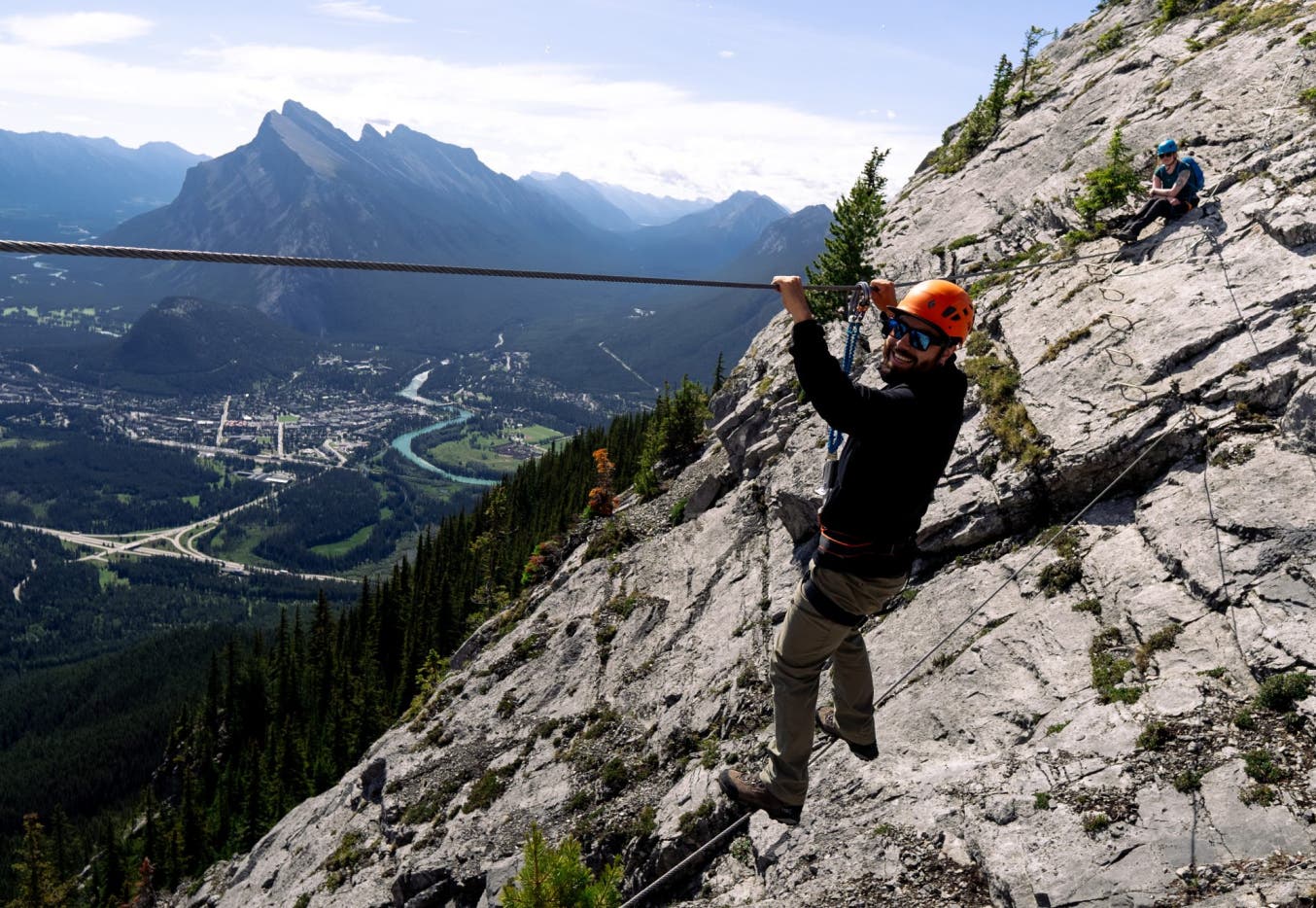
Originally developed in the Italian Dolomites for military movement, the "via ferrata" (iron path) has emerged as a premier preseason conditioning activity in North America. These protected climbing routes, featuring fixed cables, rungs, and ladders, offer a unique combination of upper-body strength, core stability, and mental focus.
Unlike traditional hiking, a via ferrata requires the athlete to maintain three points of contact while moving across vertical or overhanging rock faces. This necessitates a high degree of core engagement to stabilize the torso, which is essential for maintaining an athletic stance on skis. Additionally, the exposure and height associated with via ferratas build psychological resilience and "mountain sense," helping skiers remain calm and focused when navigating "no-fall zones" or steep chutes during the winter season. The expansion of these routes into urban areas and major ski resorts like Mt. Norquay and Palisades Tahoe has made them increasingly accessible for preseason prep.
Cardiovascular Adaptation through Altitude Trail Running
Trail running, particularly at altitude, remains the gold standard for developing the aerobic engine required for long ski days. The uneven terrain of alpine trails engages the small stabilizer muscles around the ankles and knees that are often neglected on flat pavement. When performed at elevations exceeding 5,000 feet, the body is forced to adapt to lower oxygen levels by increasing red blood cell production and improving oxygen utilization efficiency.
For skiers living at sea level, such as those in major metropolitan hubs like New York City or London, experts suggest utilizing treadmill inclines and high-intensity rowing to simulate the cardiovascular strain. The objective is to reach a state of "metabolic flexibility," where the body can efficiently switch between aerobic and anaerobic energy systems during a high-speed descent.
Technological Integration: Indoor Slopes and Ski Simulators
The final frontier of preseason training involves the use of synthetic environments. Facilities like Big Snow American Dream in New Jersey provide year-round access to real snow in a climate-controlled setting, allowing skiers to maintain their "ski legs" regardless of the outside temperature. However, the emergence of "Infinite Slopes"—revolving carpet-style slopes such as those offered by Bluerun—represents a significant shift in technical training.
These simulators allow for high-repetition practice of specific movements, such as hip angulation, upper-lower body separation, and edge pressure. Because the speed and incline are adjustable, coaches can pinpoint flaws in a skier’s form that might be missed on a crowded mountain. The repetition afforded by these machines builds muscle memory, ensuring that when the athlete finally hits the snow, their movements are instinctual rather than forced.
Broader Implications for the Ski Industry and Public Health
The shift toward a more "athletic" approach to the ski season has broader implications for the winter sports industry. Resorts are increasingly viewing preseason fitness as a component of risk management. A well-conditioned guest is less likely to require search and rescue services or medical intervention, which in turn reduces the liability and operational strain on mountain resorts.

Furthermore, as the cost of lift tickets and season passes (such as the Ikon and Epic passes) continues to rise, consumers are more incentivized to maximize their "days on hill." An injury in December can result in thousands of dollars in "sunk costs" regarding passes and travel arrangements. Consequently, preseason training is being rebranded not just as a health initiative, but as a financial protection strategy.
From a public health perspective, the promotion of year-round mountain fitness contributes to the longevity of the aging "Baby Boomer" and "Gen X" skiing populations. By maintaining high levels of functional strength and balance into their 60s and 70s, these individuals reduce their risk of falls and fractures in daily life, showcasing the long-term benefits of a sport-specific fitness lifestyle.
Conclusion
The evolution of preseason ski conditioning from optional "leg-burners" to a structured, multi-disciplinary regimen reflects a maturing understanding of human performance in alpine environments. By integrating slope hiking, mountain biking, via ferrata, trail running, and technological simulators, skiers can enter the winter season with a physiological advantage. As the data suggests, the investment made in the autumn months pays dividends not only in performance and speed but in the fundamental safety and sustainability of the skiing experience. In an era where the mountain environment is increasingly unpredictable, a prepared body remains the athlete’s most reliable tool.

