
As the autumn equinox passes and temperatures begin to descend across the Northern Hemisphere, the window for physical preparation for the upcoming winter sports season narrows. For millions of alpine enthusiasts, the transition from the leisure of summer to the high-intensity demands of skiing and snowboarding represents a significant physiological challenge. Professional trainers and medical experts emphasize that the period between September and November is critical for building the "foundational resilience" necessary to navigate variable mountain terrain. Failure to engage in specific preseason conditioning is not merely a matter of early-season fatigue; it is a primary risk factor for traumatic musculoskeletal injuries.
The stakes of preseason preparation are grounded in rigorous clinical data. A landmark Swedish study involving alpine ski students demonstrated that structured neuromuscular training—focused on balance, core stability, and leg strength—reduced the incidence of Anterior Cruciate Ligament (ACL) injuries by nearly 50 percent over the course of two competitive seasons. This data highlights a growing consensus in sports medicine: the "weekend warrior" approach to skiing, where individuals transition from sedentary office environments to high-altitude slopes without prior conditioning, is a leading contributor to the high rate of orthopedic surgeries recorded each winter.
The Biomechanics of Injury and the Necessity of Pre-hab
The human body faces unique mechanical stressors during alpine skiing. Unlike running or cycling, which primarily involve sagittal plane movement, skiing requires complex multi-planar stability. The "phantom foot" phenomenon—a common mechanism for ACL tears—occurs when the tail of the ski, acting as a lever, applies a twisting force to the knee while the skier is off-balance.
Orthopedic surgeons, including those affiliated with the U.S. Ski Team, have long advocated for "pre-hab," a proactive approach to injury prevention. Dr. Robert LaPrade, a noted complex knee surgeon, has frequently highlighted that the majority of non-contact ACL tears in skiing occur during the final hour of the day when muscle fatigue is at its peak. By increasing cardiovascular endurance and muscular hypertrophy in the quadriceps, hamstrings, and glutes during the fall, skiers can delay the onset of this dangerous fatigue.
For athletes entering their fourth and fifth decades, the focus shifts toward longevity and joint preservation. As the body ages, collagen production slows and muscle mass naturally begins to decline (sarcopenia). However, targeted resistance training and high-intensity interval training (HIIT) can mitigate these effects, allowing skiers to maintain high performance well into their 60s and 70s.
A Chronology of Conditioning: The Autumn Training Roadmap
Effective preseason training is typically structured into three distinct phases. In late August and September, the focus is on aerobic base building. In October, the emphasis shifts to strength and eccentric loading. By November, athletes transition to sport-specific movements, including plyometrics and balance drills. To achieve these goals, industry experts recommend a diversified regimen that mirrors the physical demands of the mountain.
Vertical Displacement: Hiking Ski Terrain
One of the most effective methods for conditioning the specific muscle groups used in downhill skiing is to traverse the terrain in reverse. Hiking up ski slopes provides a high-intensity cardiovascular workout while engaging the posterior chain. The incline forces the glutes and hamstrings to work under a heavy load, while the descent—if performed on foot—trains the quadriceps in eccentric contraction, which is the same type of muscle action required to control speed and turns on skis.
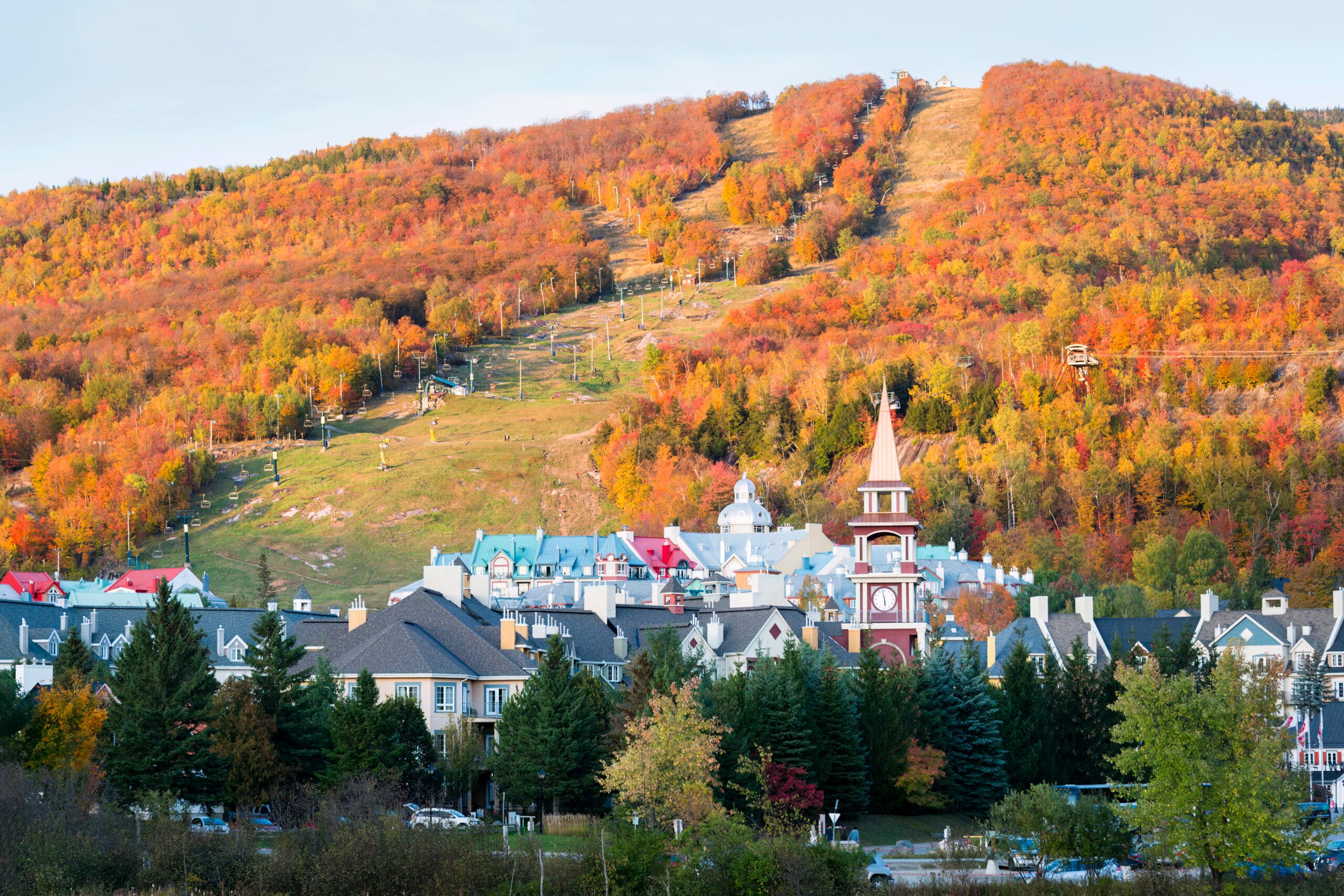
Sports physiologists suggest that hiking with a weighted vest can further simulate the conditions of mid-winter skiing. Carrying an additional 10 to 20 pounds mimics the weight of an avalanche pack and winter gear, forcing the core to stabilize the spine under load. Furthermore, performing these hikes in the fall allows athletes to familiarize themselves with mountain topography, identifying rock formations and drainage paths that will eventually be covered by snow.
Lateral Stability and Edge Control through Mountain Biking
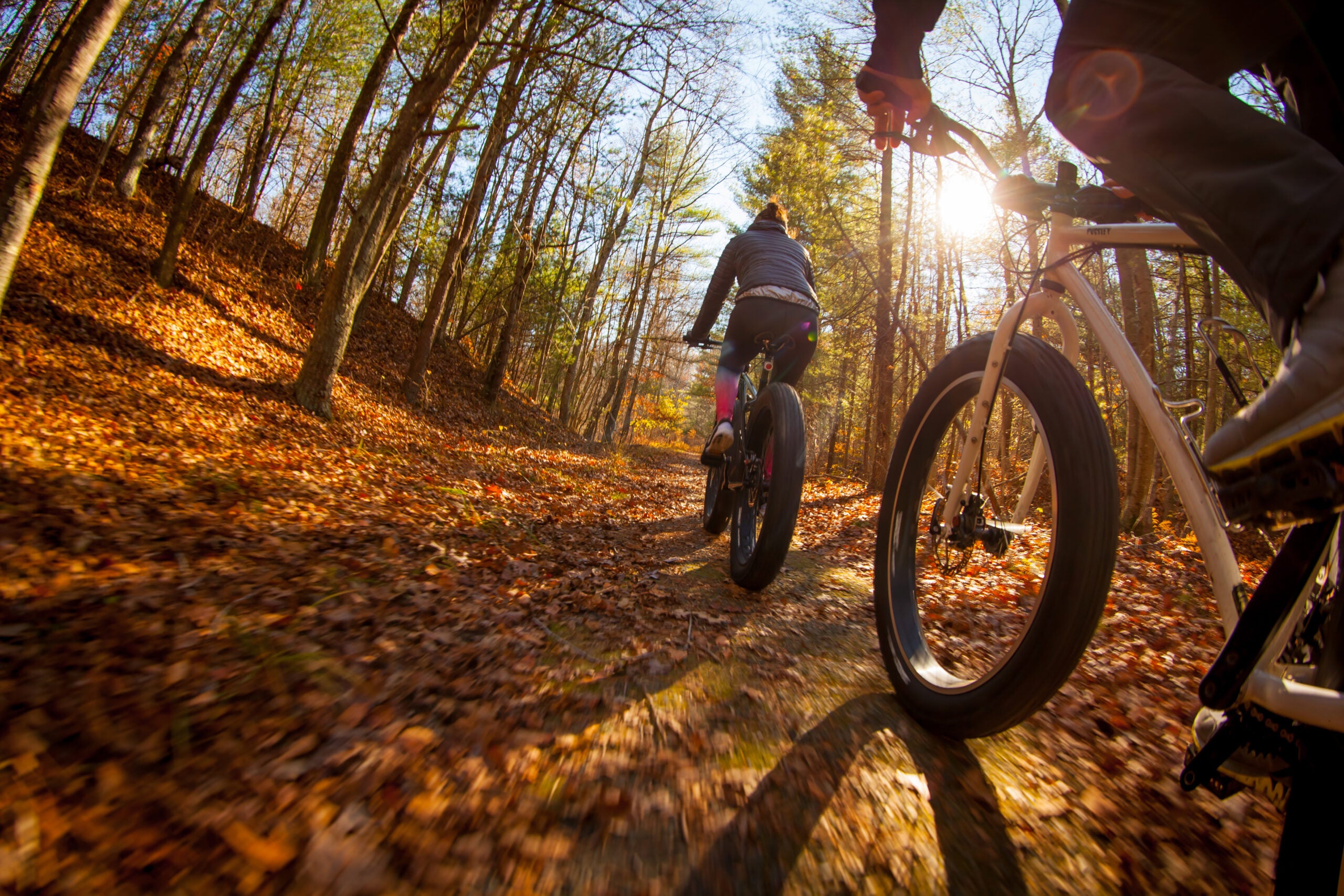
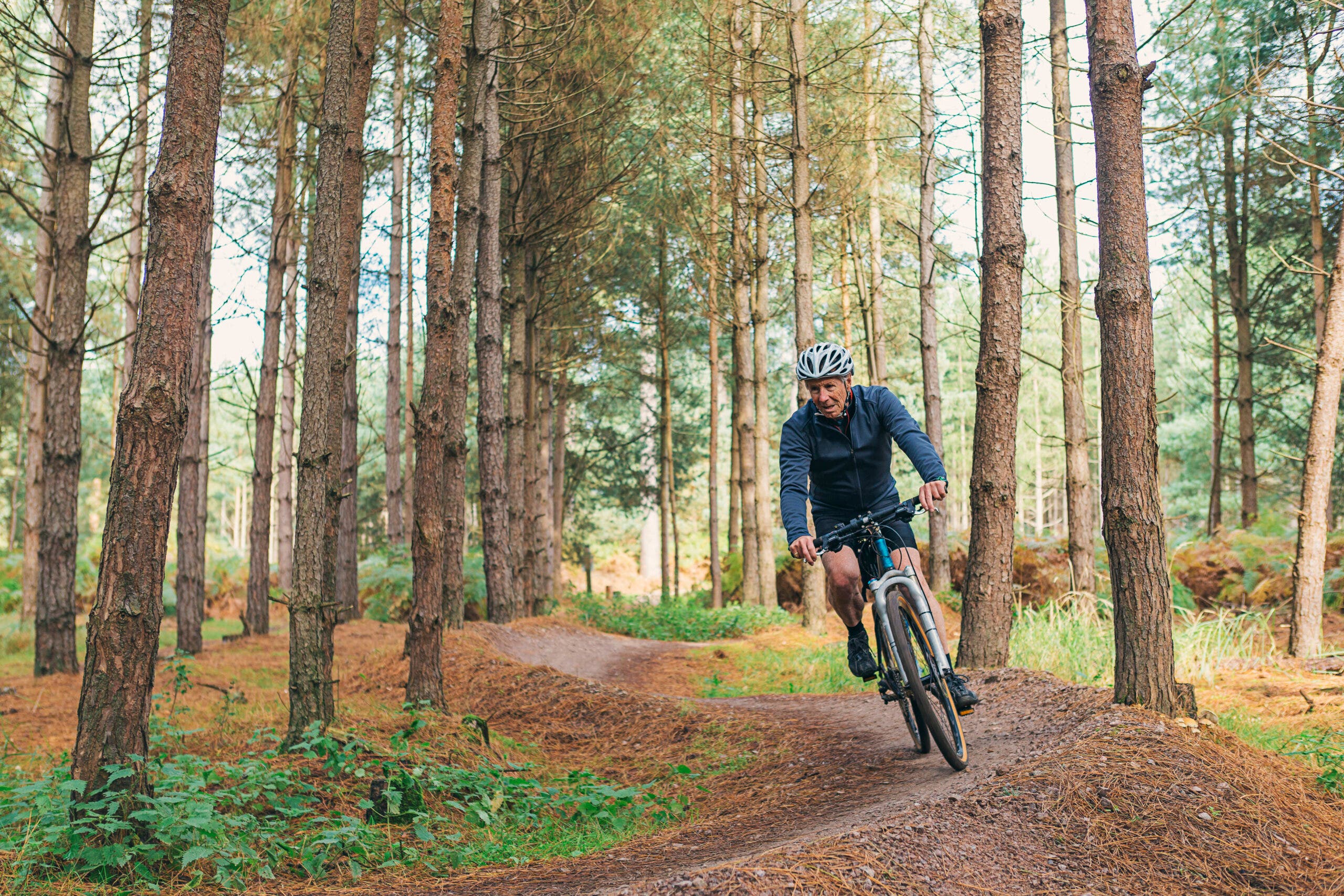
Mountain biking has emerged as the premier cross-training activity for alpine skiers due to the shared requirement for "line choice" and rapid weight distribution. The act of cornering on loose dirt or navigating technical "rock gardens" requires a combination of core engagement and lower-body independence.
In skiing, "upper-lower body separation" is essential for modern carving techniques; the legs move independently to track the terrain while the torso remains stable and oriented down the fall line. Mountain biking reinforces this neuromuscular pathway. Furthermore, the high-cadence climbing required in mountain biking builds significant VO2 max capacity, ensuring that skiers can handle the thinner air of high-altitude resorts like those in the Rockies or the Alps.
Neuromuscular Focus: The Rise of Via Ferrata
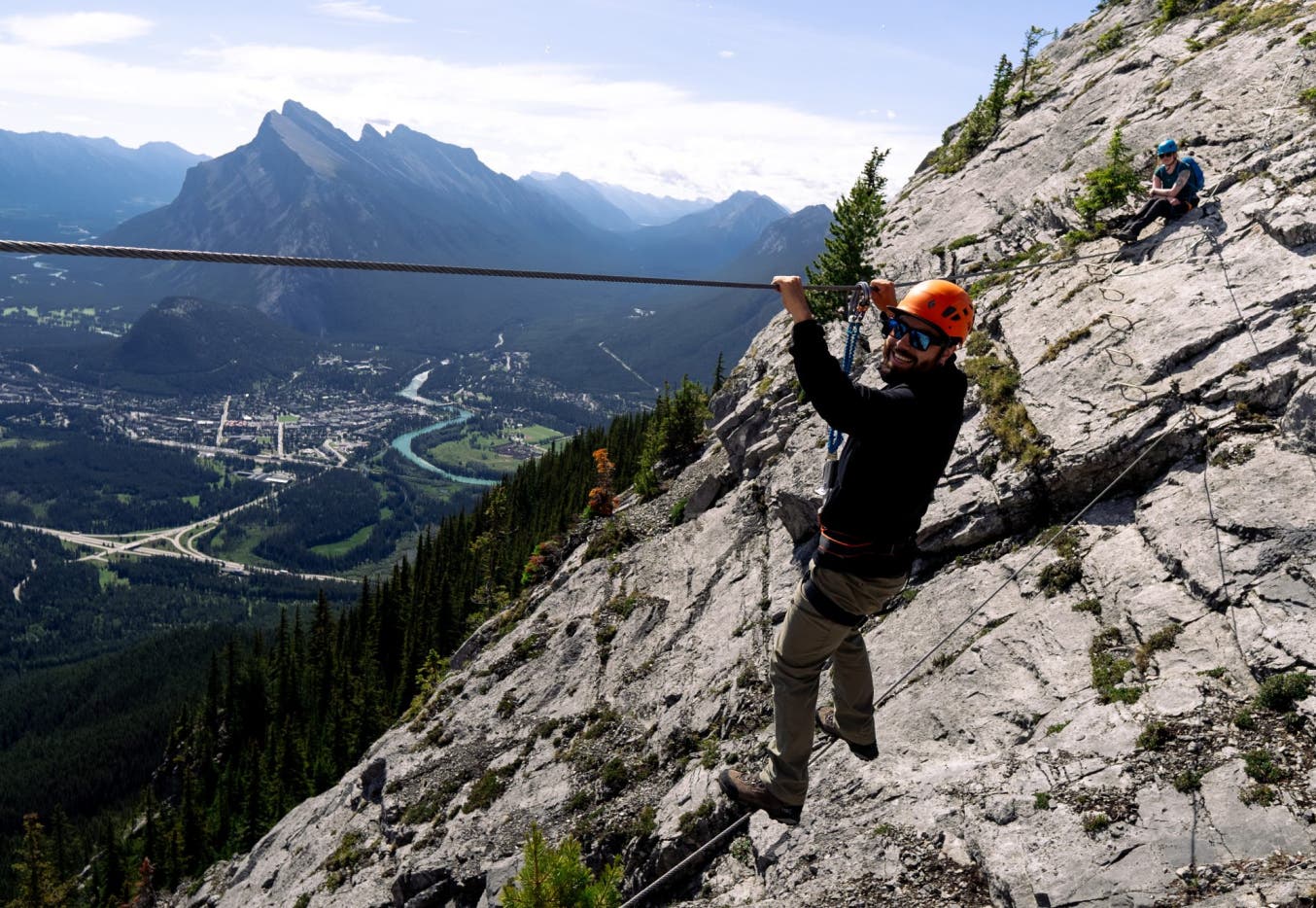
Originating in the Italian Dolomites—the site of the upcoming 2026 Winter Olympics—Via Ferrata (or "Iron Paths") offers a unique blend of climbing and hiking. While traditionally seen as a recreational pursuit, it serves as an exceptional tool for preseason mental and physical conditioning.
Climbing a Via Ferrata requires sustained isometric strength, particularly in the forearms and calves, as well as high levels of core activation to maintain balance on narrow iron rungs. The mental discipline required to navigate exposed cliff faces mirrors the "flow state" necessary for steep, technical skiing. As these courses become more prevalent in North America, including urban installations, they provide an accessible way for skiers to build the grip strength and proprioception necessary for poling and technical maneuvers.
Physiological Adaptation to Altitude and Trail Running
For skiers living at sea level, the transition to high-altitude resorts (often above 8,000 feet) can lead to acute mountain sickness and rapid exhaustion. Trail running at altitude in the early fall triggers erythropoiesis—the production of red blood cells—which improves the blood’s oxygen-carrying capacity.
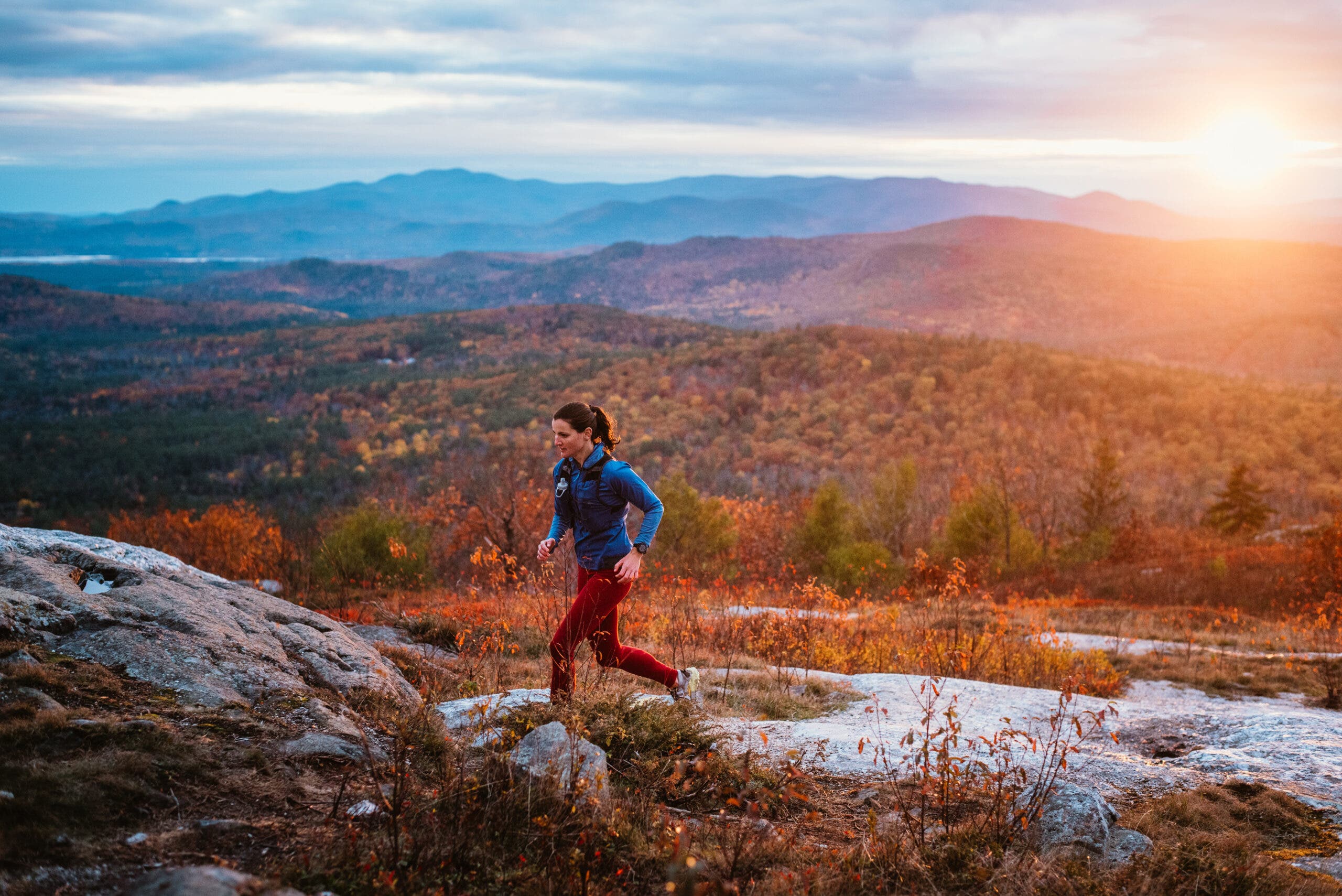
Even for those unable to train at high elevations, trail running on uneven, hilly terrain provides benefits that pavement running cannot. The constant micro-adjustments required to avoid roots and rocks strengthen the stabilizer muscles around the ankles and knees. This "proprioceptive training" is vital for skiing in variable snow conditions, such as "crust," "mashed potatoes," or heavy Sierra cement, where the surface is unpredictable.
Technological Integration: Ski Simulators and Indoor Facilities
The final phase of preseason preparation has been revolutionized by the growth of indoor ski centers and sophisticated simulators. Facilities such as Big Snow at the American Dream mall in New Jersey provide a year-round, temperature-controlled environment for skiers to maintain their "snow feel."
However, the emergence of "Infinite Slope" technology, utilized by companies like Bluerun, offers a more concentrated training stimulus. These revolving carpet slopes allow for continuous skiing without the interruption of lift lines. Instructors can adjust the pitch and speed of the carpet, allowing athletes to focus exclusively on technical drills such as hip angulation and pressure distribution.
Data from these centers suggests that 30 minutes on an infinite slope can equate to several hours of traditional resort skiing in terms of muscular repetitions. For the urban professional, these simulators provide a high-efficiency alternative to traditional gym workouts, directly targeting the fast-twitch muscle fibers required for mogul skiing and rapid transitions.
Economic and Social Implications of Seasonal Readiness
The push for better preseason conditioning carries broader implications for the winter sports industry. The economic cost of ski-related injuries is substantial, encompassing medical expenses, lost productivity, and the "churn" of participants who leave the sport after a major accident. Insurance data indicates that orthopedic injuries are among the most expensive claims in the recreational sports sector.
Furthermore, as climate change leads to more volatile winter seasons—characterized by shorter windows of optimal snow and more frequent "ice events"—the physical demands on skiers are increasing. Modern snowmaking technology creates a denser, harder surface than natural powder, which places higher loads on the skeletal system. Consequently, the "buffer" provided by physical fitness is becoming a prerequisite for safety in a changing alpine environment.
Conclusion: The Professionalization of the Recreational Skier
The transition from the "off-season" to the "on-season" is no longer viewed by experts as a simple flip of a switch. It is an intentional, multi-month process of physiological hardening. By integrating vertical hiking, mountain biking, technical climbing, and simulated skiing into an autumn routine, athletes can significantly reduce their risk of season-ending injuries.
The Swedish study’s finding—that nearly half of ACL injuries are preventable through training—serves as a mandate for the modern skier. As the first snow begins to dust the peaks of the Chugach, the Tetons, and the Adirondacks, the athletes who will find the most success are not necessarily the most skilled, but the most prepared. In the high-stakes environment of alpine sports, the work done on the dirt of September is what ensures the joy on the snow of January.

