
The Swedish government is currently evaluating the legal viability of denying entry visas to Russian and Belarusian athletes, a move that places the nation on a direct collision course with the International Ski and Snowboard Federation (FIS). While the global governing body has established a framework to allow athletes from these nations to compete under a neutral status, the Swedish authorities are exploring domestic security and foreign policy prerogatives that could effectively bar these individuals from entering the country for the upcoming World Championships in Falun. This diplomatic standoff has created a high-stakes scenario where the rights of international sports federations to organize events clash with the sovereign right of a host nation to control its borders.
Chronology of the Diplomatic and Sporting Conflict
The exclusion of Russian and Belarusian athletes from international competition began in February 2022, immediately following the invasion of Ukraine. For nearly two years, the global sports community maintained a near-total ban on these competitors. However, the landscape shifted significantly in December 2023, when the Court of Arbitration for Sport (CAS) issued rulings that necessitated a reconsideration of blanket bans, arguing that individual athletes should not be punished solely for the actions of their governments, provided they meet strict neutrality criteria.
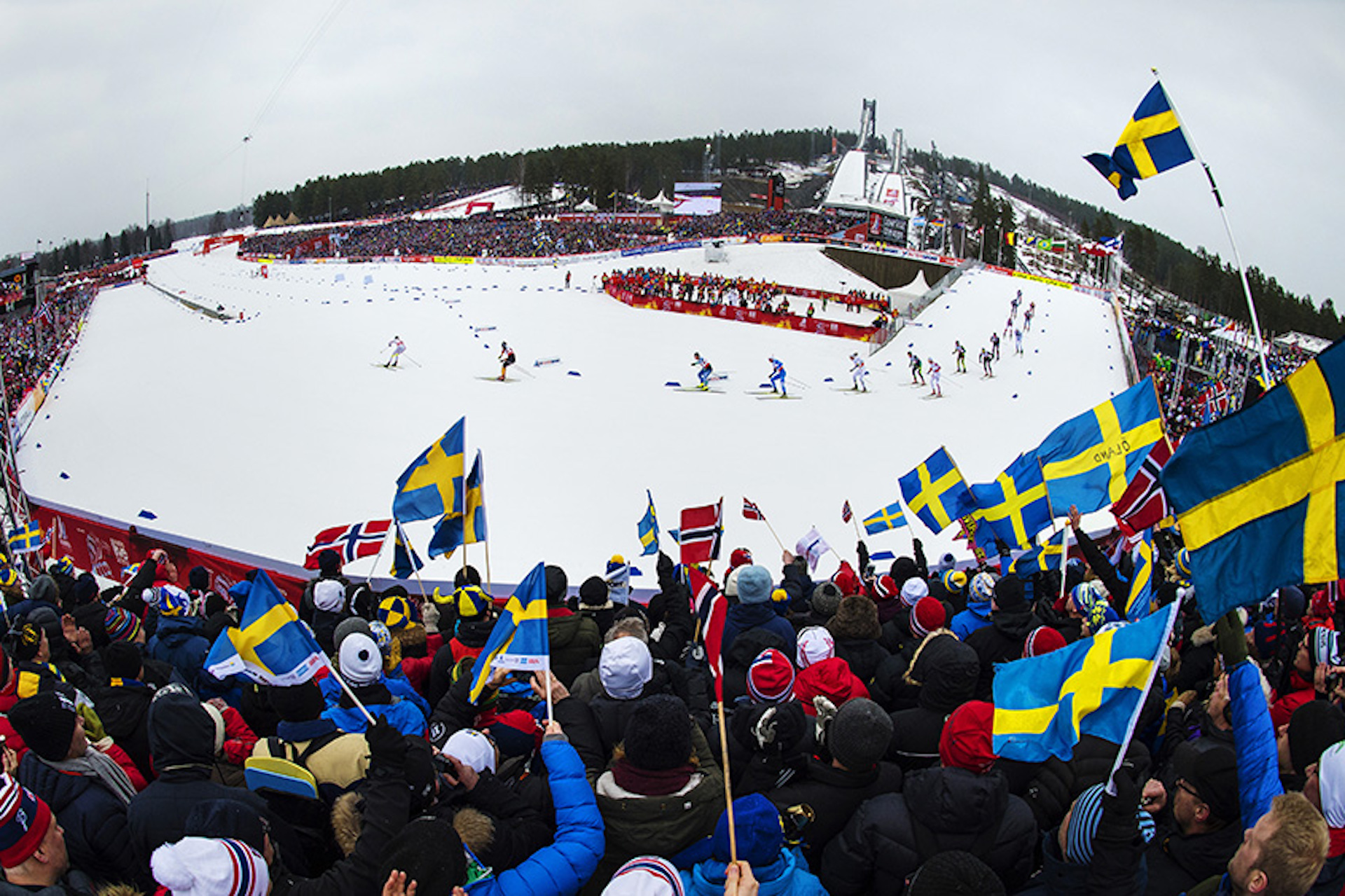
Earlier this autumn, FIS updated its regulations to facilitate a more streamlined process for "Individual Neutral Athletes" (AIN). This policy shift resulted in over 200 athletes from Russia and Belarus receiving official clearance to participate in FIS-sanctioned events. The Swedish government and the Swedish Ski Association, however, have remained steadfast in their opposition to this reintegration. The current friction point is the upcoming World Championship in Falun, a flagship event where the host nation is now signaling that it may prioritize national security and foreign policy stances over the mandates of the international federation.
The Legal and Diplomatic Dilemma
Swedish Migration Minister Johan Forsell has confirmed that the government is conducting a rigorous analysis of the legal framework surrounding visa issuance. Speaking to the Swedish broadcaster SVT, Forsell emphasized that the government and the Swedish sports establishment have been unequivocal in their opposition to the inclusion of Russian and Belarusian athletes.
The core of the legal dispute lies in the hierarchy of authority. FIS, as the governing body, maintains that it holds the rights to its own events and that its regulatory framework—which includes a signed neutrality declaration for all participating athletes—must be respected by host nations. Conversely, Swedish officials are evaluating whether national sovereignty allows them to deny entry to specific groups based on foreign policy considerations, even if those individuals have been cleared by an international sports body.
Bruno Sassi, a representative for FIS, has noted that while national laws generally take precedence in matters of border control, the Federation expects its host nations to adhere to the agreements signed upon being awarded a championship. The implication is clear: should Sweden persist in blocking neutral athletes, FIS may be forced to exercise its prerogative to relocate the event to a more compliant venue, such as Italy, where entry regulations for these specific categories of athletes are currently less restrictive.
Supporting Data and Participation Trends
The scale of the reintegration is significant. According to documents released by FIS, the number of athletes granted neutral status has climbed steadily throughout the autumn of 2026. The list includes a wide range of disciplines, from cross-country skiing to freestyle events. This influx represents a challenge for local organizing committees that have publicly campaigned against the return of these nations.
Financial data further complicates the issue. Critics of the ban, including figures within the Russian media, have argued that the prolonged exclusion of Russia’s top-tier athletes has led to a measurable decline in international viewership and a subsequent contraction in sponsorship interest. While these claims are frequently debated, it is clear that the lack of top-tier competition in specific distance events has altered the commercial landscape of the FIS World Cup circuit. The potential for further losses in advertising revenue, combined with the administrative burden of relocating a major championship, places immense pressure on FIS leadership to reach a resolution that satisfies both the host nation’s political climate and the federation’s global regulatory obligations.
Reactions and Geopolitical Repercussions
The response from Russia has been swift and aggressive. Media outlets, including RIA Novosti, have framed the Swedish government’s stance as a form of state-sponsored "russophobia." Editor-in-chief Alexandr Govorov specifically cited the precedent set by the modern pentathlon community, which stripped Lithuania of a major event after the nation denied entry to Russian and Belarusian athletes. By highlighting this case, the Russian press is warning Sweden that the international sports community—or at least the governing bodies—has shifted toward a stance where political interference in athlete participation will be met with severe sanctions.
The rhetoric from Moscow underscores a broader trend: the weaponization of international sports in the ongoing geopolitical tension between Russia and the West. For Sweden, the situation is a delicate balancing act. Allowing the athletes to compete could trigger domestic political backlash and be perceived as a softening of their stance against the war in Ukraine. Conversely, banning the athletes invites the risk of international isolation within the FIS circuit and the potential loss of a prestigious, economically significant event.
Analysis of Implications for Global Sport
The situation in Falun serves as a microcosm of the challenges facing international sports governance in the 21st century. The autonomy of federations like FIS is increasingly restricted by the reality of national security concerns and the political priorities of host governments.
- The Erosion of Neutrality: The requirement for athletes to sign a "neutrality declaration" is intended to depoliticize their participation. However, the controversy in Sweden proves that many nations view this as insufficient, arguing that the mere presence of these athletes serves as a propaganda tool for their respective governments.
- Precedent Setting: The outcome of the Sweden-FIS dispute will likely influence future bidding processes for major sporting events. Host nations may become more hesitant to bid for events if they cannot guarantee their right to implement independent border controls, while federations may look to favor countries with more predictable diplomatic environments.
- The Role of CAS: As the final arbiter of these disputes, the Court of Arbitration for Sport faces a growing caseload. Their rulings will continue to shape the definition of "neutrality," but they are often limited in their ability to force sovereign nations to act against their own perceived security interests.
Moving Toward a Resolution
As the winter season approaches, the pressure on the Swedish organizing committee and the Swedish government to provide a definitive answer is mounting. FIS is expected to hold a series of emergency meetings to address the potential for relocation. Meanwhile, legal experts in Stockholm continue to comb through immigration statutes, looking for a loophole that would allow them to maintain their hardline stance without violating international agreements or risking the loss of the World Championships.
Ultimately, the resolution of this conflict will require a compromise that may not fully satisfy any of the primary stakeholders. Whether that involves a diplomatic workaround, such as granting visas under strict, limited conditions, or the unfortunate relocation of the tournament, the fallout will undoubtedly be felt across the global sports landscape. The events in Falun have turned a routine administrative matter into a focal point for the complex intersection of sports, sovereignty, and international law, marking a definitive moment in the post-2022 era of global competition.

