
Published May 12, 2026 12:32PM
Tecnica, a prominent name in ski boot manufacturing, has officially unveiled the Zero G Decoy, a new backcountry ski boot slated for its 2027 lineup. Designed to bridge the gap between dedicated lightweight touring boots and more resort-oriented freeride models, the Decoy promises an ambitious blend of uphill efficiency and uncompromising downhill performance. Following extensive field testing in the demanding terrain of Cooke City, Montana, early reports suggest the boot successfully delivers on its design brief, potentially shifting prevailing perspectives on backcountry gear optimization.
The introduction of the Zero G Decoy comes amidst a burgeoning backcountry skiing market that has seen significant growth in recent years. As more enthusiasts venture beyond resort boundaries, the demand for versatile equipment capable of handling both arduous ascents and challenging descents in variable snow conditions has intensified. Historically, skiers have faced a significant trade-off: prioritize lightweight gear for easier climbs, often at the expense of downhill stability and power, or opt for heavier, more robust boots that excel on the descent but prove cumbersome on the skin track. Tecnica’s new offering directly addresses this perennial dilemma.
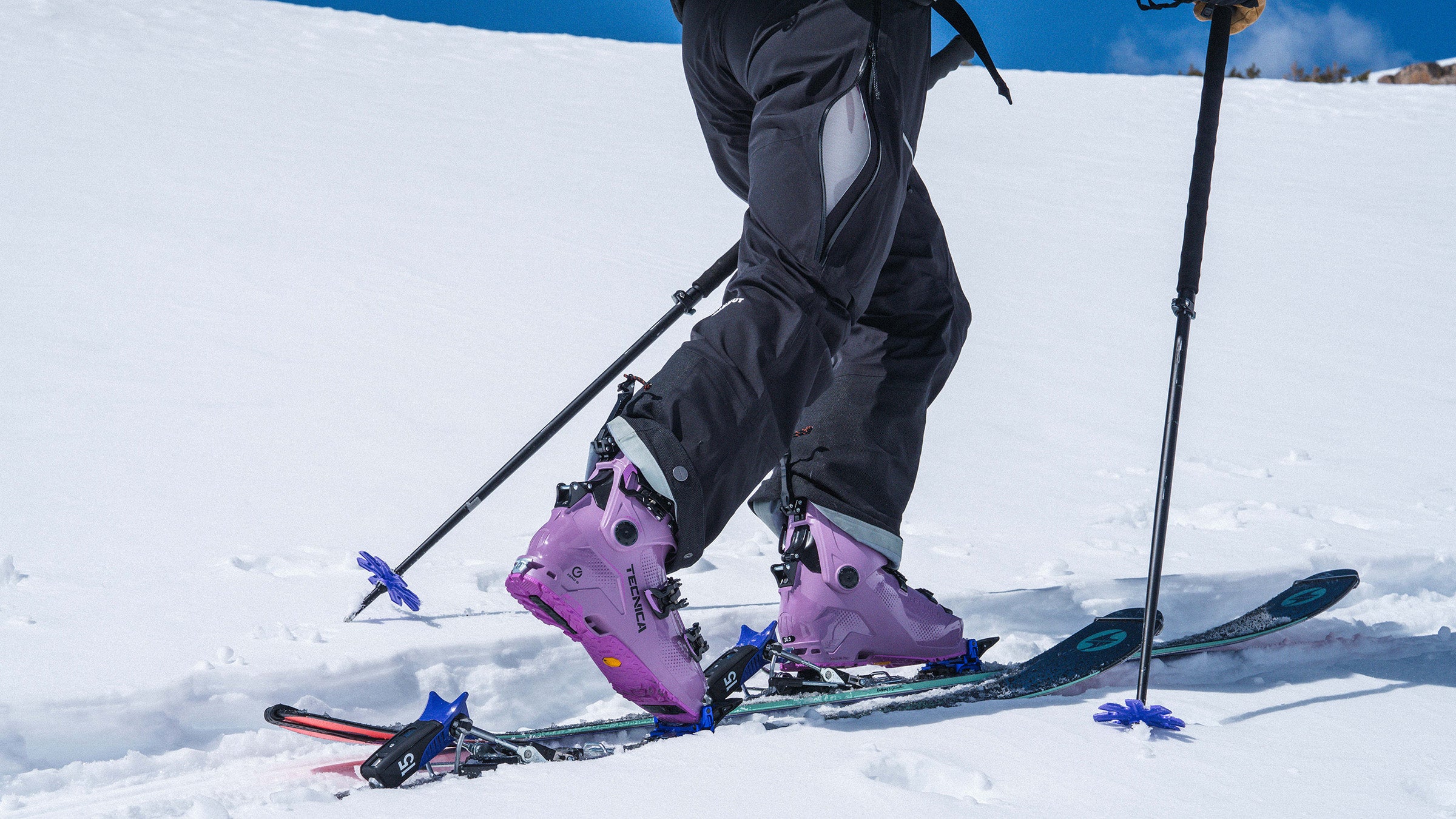
Tecnica Zero G Decoy: A Closer Look at the 2027 Model
The Tecnica Zero G Decoy Pro GW is positioned to hit retail shelves in Fall 2026, with a projected price point of $1,200. Key specifications for the men’s model include a weight of 1,650 grams per boot, a flex rating of 130, and a medium volume (MV) 99 mm last. It boasts compatibility with both tech bindings and GripWalk soles, making it adaptable to a wide array of modern ski setups. An equivalent women’s model, the Decoy 115 W GW, will also be available.
Key Features and Design Philosophy:
- Price: $1,200 (expected Fall 2026)
- Weight: 1,650 g (men’s Pro GW)
- Flex: 130 (men’s Pro GW)
- Volume: MV (99 mm)
- Binding Compatibility: Tech, GripWalk
- Shell Material: Polyurethane (PU) with Power Frame construction
- Sole: Vibram GripWalk
- Walk Mechanism: T-Hike, offering 65 degrees of range of motion
- Liner: Anatomically sculpted
Tecnica’s explicit goal for the Decoy was to engineer a boot that would "ski better than a Zero G Tour, and walk better than a Cochise." This statement reveals the company’s strategic placement of the Decoy within its existing product hierarchy. The Zero G Tour, known for its ultra-light Grilamid shell and impressive uphill efficiency (weighing approximately 1,285 grams), often leaves advanced skiers wanting more leverage and power on demanding descents. Conversely, the Cochise, with its stiffer polyurethane shell and traditional buckles (weighing around 1,885 grams), offers formidable downhill performance but can turn longer tours into a laborious effort due to its weight and more restricted range of motion. The Decoy aims to thread this needle, offering a robust, 99-millimeter-lasted boot that, despite its hybrid nature, seeks to avoid the typical compromises.
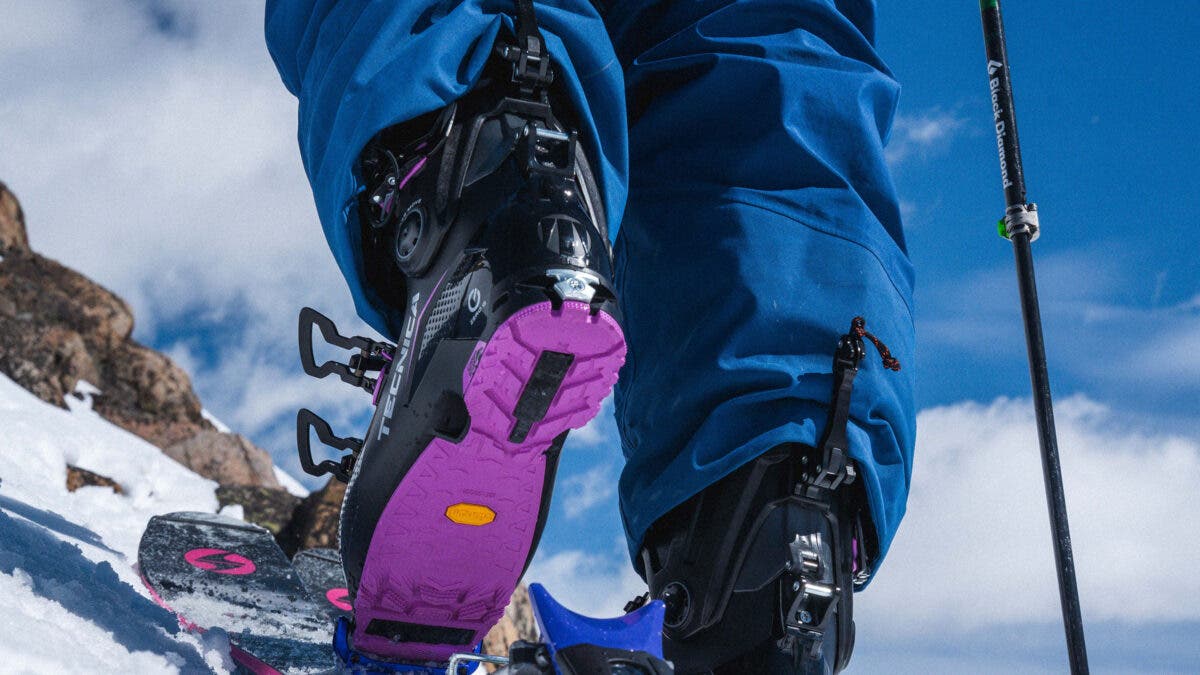
Engineering for Balanced Performance
The Zero G Decoy’s construction reflects Tecnica’s commitment to achieving this delicate balance. The choice of a polyurethane (PU) shell is critical for downhill performance, offering a more progressive and powerful flex than lighter Grilamid counterparts. This is further enhanced by Tecnica’s Power Frame construction, which reinforces critical areas of the shell to maximize energy transmission and stability, particularly in variable or challenging snow conditions.
For uphill efficiency, the boot incorporates Tecnica’s T-Hike mechanism. This innovative system connects the cuff and shell at two distinct points, facilitating an impressive 65 degrees of range of motion in walk mode. While this figure matches the claimed range of the lighter Zero G Tour Pro, the Decoy’s stiffer PU shell and thicker, anatomically sculpted liner do necessitate a slightly greater physical effort on the skintrack compared to its more malleable Grilamid sibling. However, this trade-off is deliberate, designed to ensure superior power and precision when transitioning to ski mode. The Vibram GripWalk sole, compatible with all modern alpine and touring bindings, further enhances traction and safety during bootpacks and traverses on mixed terrain.
Rigorous Field Testing in Cooke City, Montana
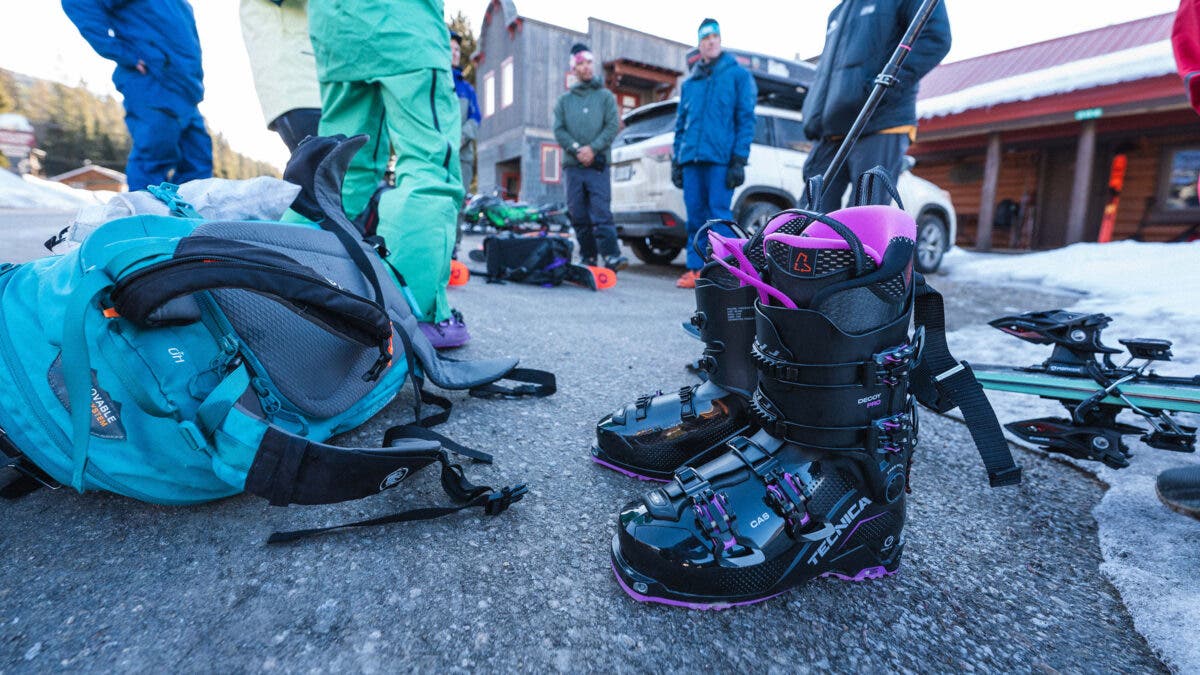
To validate the Decoy’s capabilities, Tecnica orchestrated an intensive testing period in early April 2026, sending a team of reviewers and professional athletes to Cooke City, Montana. Nestled against the majestic Beartooth Mountains, one of the snowiest ranges in the contiguous United States, Cooke City is renowned for its vast, snowmobile-accessed backcountry terrain and diverse snow conditions, making it an ideal proving ground for a hybrid ski boot.
The testing team, which included Blizzard Tecnica athletes Connery Lundin, Piper Kunst, and Tim McChesney, spent three days navigating Cooke City’s sprawling landscape. Their itinerary combined snowmobile access for rapid ascent with significant skinning and bootpacking, covering over 14 miles and ascending 12,000 vertical feet. This comprehensive approach allowed for evaluation across a spectrum of scenarios, from short bootpacks to multi-hour tours. The conditions encountered were exceptionally varied, thanks to a recent heat wave that pushed temperatures into the upper 60s, even at elevations exceeding 8,000 feet. This resulted in a challenging mix of creamy corn snow, cold winter powder in north-facing chutes, sun-baked aprons, and terrain littered with avalanche debris and sled tracks—conditions notoriously difficult for lighter touring setups.
Downhill Performance: Exceeding Expectations
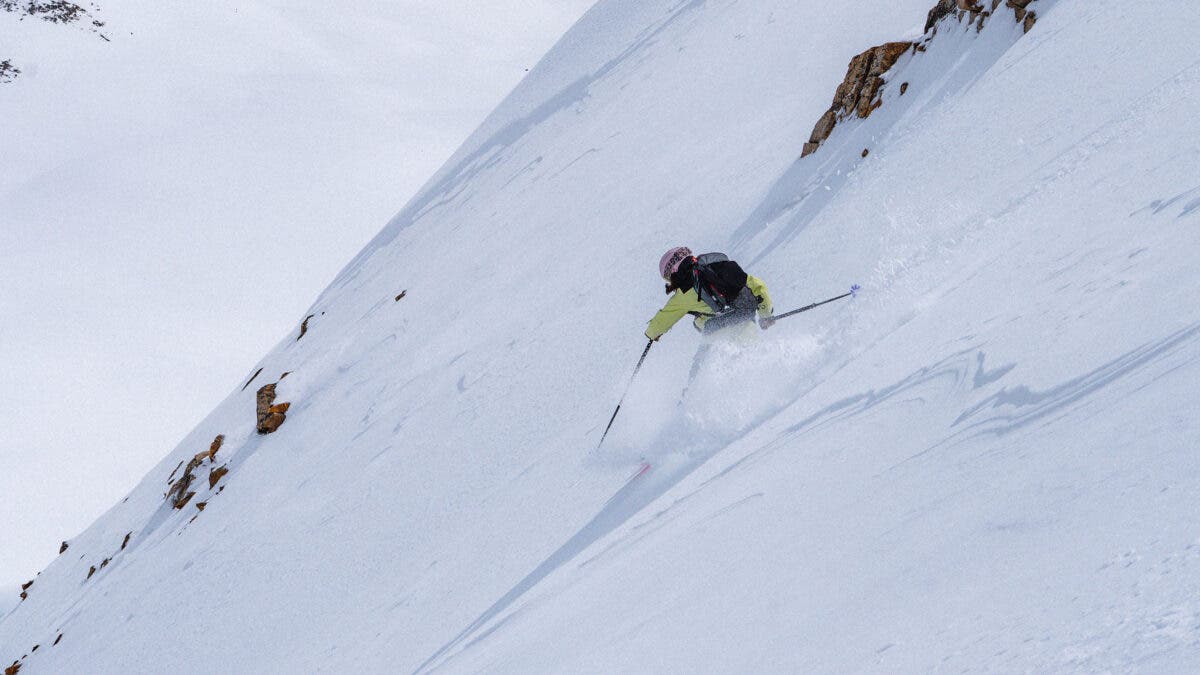
The critical assessment of the Decoy’s downhill prowess revealed a remarkable level of confidence and control. Paired with Blizzard Canvas 108 skis and CAST Freetour 2.0 Pivot 15 bindings—a setup weighing a substantial 4,400 grams per ski (including boot and binding)—the Decoy delivered a performance akin to a dedicated alpine boot. The reviewer noted a distinct shift from cautious backcountry skiing, typical with lighter gear, to an aggressive, uninhibited style.
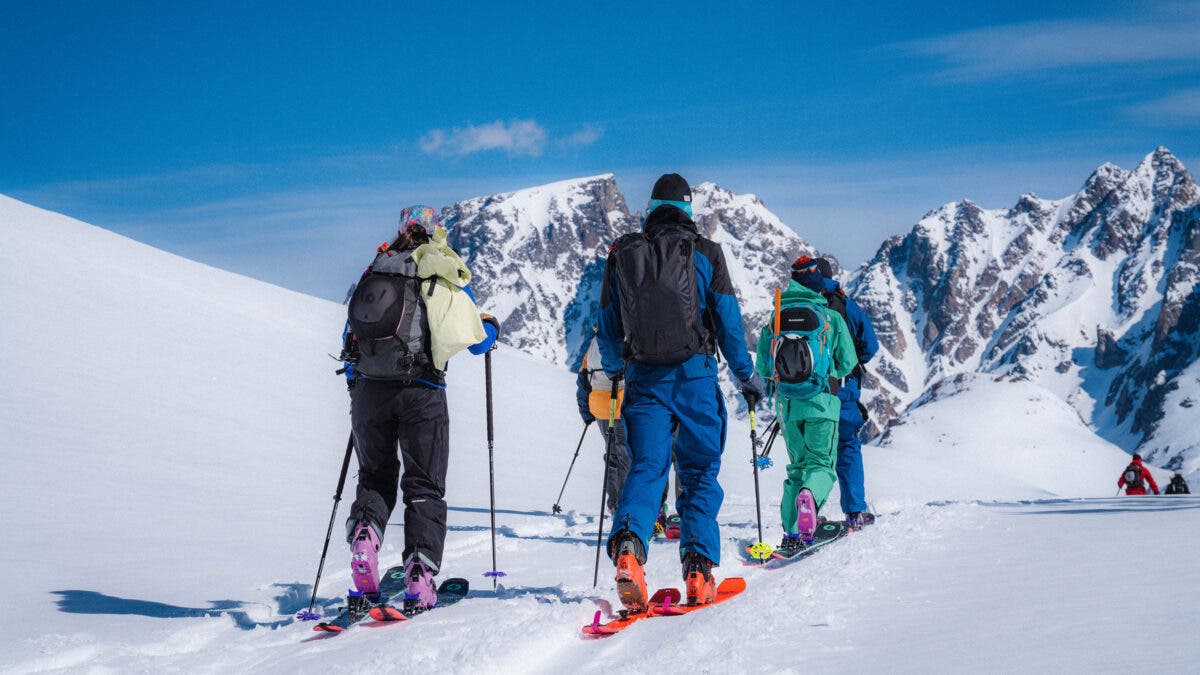
Unlike many lighter touring boots that tend to "fold" or become unpredictable when confronted with heavy, manky snow or rapidly changing conditions, the Decoy maintained its composure. Its robust polyurethane shell and Power Frame construction provided the necessary stiffness and progressive flex to drive the wide Blizzard Canvas skis effectively. Skiers reported being able to initiate turns aggressively and make rapid stance adjustments without losing power or feeling unstable. This consistent and predictable response in challenging snowscapes highlighted the Decoy’s ability to minimize the traditional compromises associated with touring gear, allowing skiers to focus on the terrain rather than the limitations of their equipment. The consensus from the testing team was clear: the Decoy not only skis better than the Zero G Tour but also surpasses the downhill performance of the Cochise, fulfilling Tecnica’s ambitious design objective.
Uphill Performance: Capable, with Deliberate Trade-offs
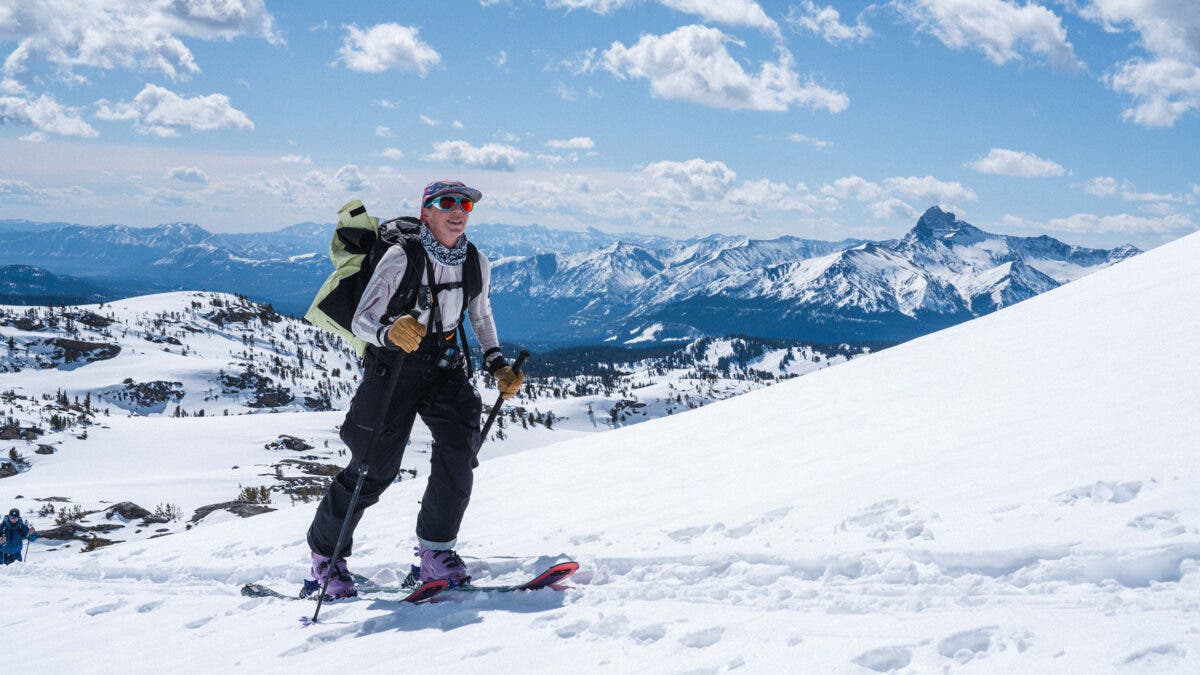
While the Decoy’s primary focus is robust downhill performance, its touring capabilities were also thoroughly evaluated. The "short tours" the boot was initially envisioned for proved to be an understatement, as the testing team embarked on longer, more demanding ascents. Notably, a seven-mile, 3,000-vertical-foot climb of Cooke City’s iconic Fin demonstrated the Decoy’s capacity for extended tours.
A significant factor contributing to its uphill comfort was the boot’s out-of-the-box fit. Built on the same 99 mm last as the Cochise, the Decoy features a plush, anatomically shaped liner and the thicker polyurethane shell, which collectively reduce dead space, particularly around the instep and heel. This secure fit minimized foot movement even when the boots were unbuckled in walk mode.
The T-Hike mechanism, offering 65 degrees of cuff rotation, provides ample range of motion for efficient strides. However, the inherent stiffness of the PU shell and the more substantial liner, while beneficial for downhill performance, require a noticeable increase in effort compared to the lighter, more flexible Grilamid construction of the Zero G Tour Pro. The reviewer, candidly admitting to being out of touring shape, experienced the additional weight and friction during longer ascents. This indicates that while the Decoy is undeniably capable on the skintrack, it is less forgiving of fitness gaps than its lighter counterparts. The trade-off is intentional: maximum downhill confidence requires a more substantial build, which inevitably impacts extreme uphill efficiency.
Implications for the Backcountry Ski Market
The Tecnica Zero G Decoy represents a significant development in the hybrid backcountry boot segment. For years, the prevailing wisdom in backcountry skiing has championed lightweight gear, often equating less weight with superior performance. This philosophy, while valid for competitive skimo racers or those prioritizing extreme mileage, frequently leads to compromises in downhill enjoyment, especially for skiers accustomed to powerful alpine setups.
The Decoy challenges this paradigm by offering a boot that prioritizes downhill experience without completely sacrificing uphill functionality. Its target audience appears to be the growing segment of backcountry skiers who seek genuine skiing performance—the ability to drive big skis, tackle varied conditions aggressively, and maintain confidence on challenging terrain—and are willing to accept a modest weight penalty on the ascent. This group includes former resort skiers transitioning to the backcountry, experienced big-mountain skiers, and anyone frustrated by the perceived limitations of ultra-light touring gear.
The success of the Decoy could influence future boot design across the industry, potentially leading other manufacturers to re-evaluate the "lighter is always better" mantra. It underscores a shift towards a more nuanced understanding of backcountry performance, where the quality of the descent is weighted more heavily against the effort of the climb for a substantial portion of the skiing community. While dedicated ultra-light boots will always have their place, the Decoy offers a compelling alternative for those who prioritize the thrill and control of the downhill.
Conclusion
The Tecnica Zero G Decoy, set to arrive in Fall 2026, is poised to make a considerable impact on the backcountry ski boot market. By successfully blending robust downhill performance with credible uphill capabilities, it offers a powerful solution for skiers who refuse to compromise on their skiing experience. The rigorous testing in Cooke City confirmed its ability to handle a wide range of challenging conditions, delivering a confidence-inspiring ride that many previously thought unattainable in a touring boot. For those who enter the backcountry primarily "for the skiing, dammit," the Decoy promises a truly fulfilling experience, even if it means carrying a few extra grams on the ascent. This new model from Tecnica serves as a testament to evolving gear philosophy, prioritizing the joy of the descent in an increasingly diverse and demanding backcountry landscape.

