
As global economies accelerate the shift toward renewable energy sources, a sophisticated and well-funded campaign of disinformation has emerged to challenge the viability of wind, solar, and electric vehicle technologies. This phenomenon, characterized by the strategic dissemination of misleading narratives, aims to stall the transition from fossil fuels by leveraging public anxieties regarding property values, ecological impacts, and grid reliability. While legitimate concerns regarding the infrastructure of the green transition exist, the current landscape of public discourse is increasingly dominated by "red herring" arguments designed to distract from the broader scientific consensus on climate change and the necessity of decarbonization.
The Mechanics of Information Warfare: Misinformation vs. Disinformation
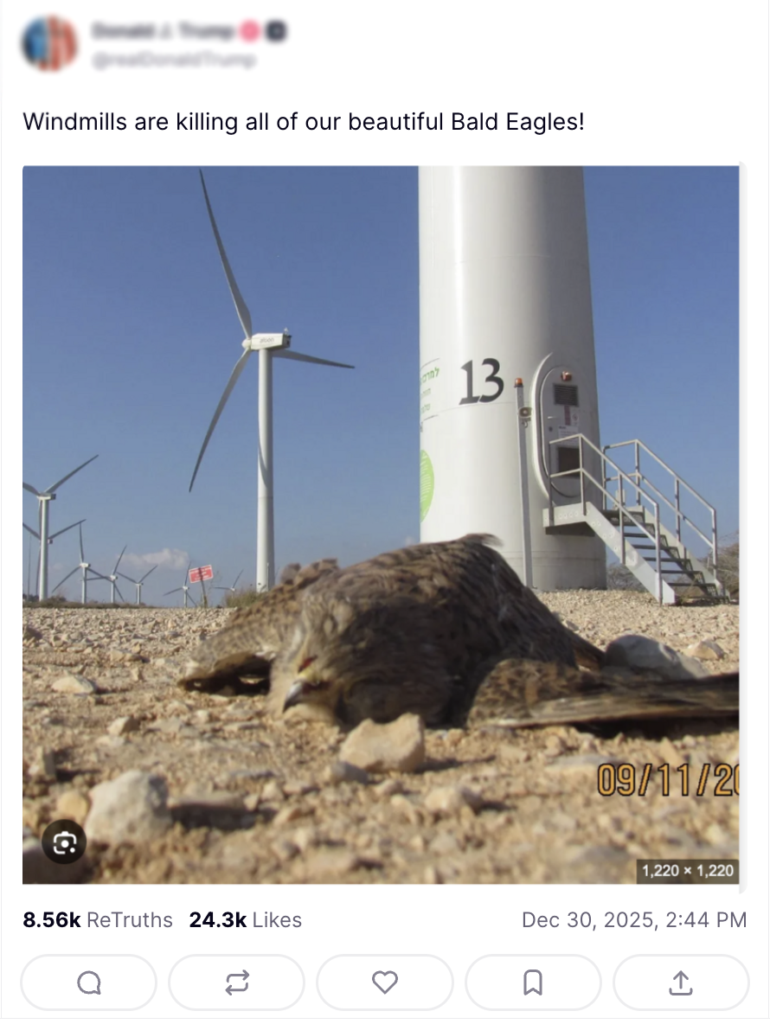
In the context of the energy transition, it is critical to distinguish between misinformation and disinformation. Misinformation refers to the accidental sharing of false or misleading information by individuals who believe the content to be true. A common example involves local residents expressing concern over offshore wind farms based on anecdotal reports of bird mortality, unaware that the primary threats to avian populations remain habitat loss, domestic cats, and building strikes.
Conversely, disinformation is the intentional creation and spread of false narratives by bad actors seeking to protect specific interests. Investigative reports and academic studies have increasingly linked these efforts to fossil fuel interests. By seeding doubt through "astroturfing"—the practice of creating fake grassroots movements—these interests can influence local zoning laws and delay the construction of renewable energy projects. This coordinated approach shifts the focus from systemic climate solutions to narrow, often exaggerated claims, leading to public infighting and legislative paralysis.
A Chronology of the Climate Counter-Narrative
The current wave of disinformation is not a new phenomenon but the latest chapter in a decades-long effort to preserve the status quo of the global energy mix.
In the 1970s and 1980s, internal research from major oil corporations, such as Exxon (now ExxonMobil), accurately predicted the trajectory of global warming caused by fossil fuel combustion. However, by the early 1990s, the industry pivot shifted toward public skepticism. The formation of the Global Climate Coalition in 1989 served as a primary vehicle for casting doubt on climate science, successfully influencing the United States’ decision to withdraw from the Kyoto Protocol in 2001.
By the 2010s, as the cost of wind and solar power plummeted, the strategy evolved from denying climate change to attacking the solutions. This era saw the rise of narratives questioning the reliability of renewable energy during extreme weather events, such as the 2021 Texas power grid failure. Despite official reports from the Electric Reliability Council of Texas (ERCOT) indicating that the primary cause of the blackout was the failure of natural gas infrastructure, social media and certain news outlets aggressively blamed wind turbines.
Today, the focus has shifted toward the "hidden costs" of renewables, specifically targeting the environmental impact of mineral mining and the perceived aesthetic or economic downsides of large-scale clean energy installations.
Deconstructing the "Carbon Debt" of Electric Vehicles
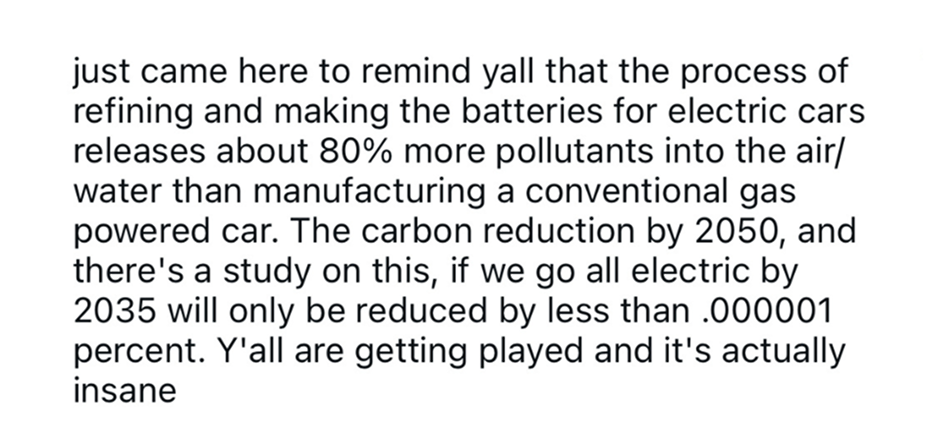
One of the most persistent narratives in the disinformation playbook is the claim that the production of electric vehicles (EVs) is more environmentally damaging than the operation of internal combustion engine (ICE) vehicles. This argument relies on the intensive resource extraction required for lithium-ion batteries, including the mining of lithium, cobalt, and nickel.
However, comprehensive lifecycle assessments (LCAs) provide a different perspective. According to researchers at the Massachusetts Institute of Technology (MIT), while the initial manufacturing phase of an EV has a higher carbon footprint than that of a gasoline car, the "carbon debt" is typically repaid within six to 18 months of driving, depending on the energy mix of the local power grid.
The MIT study found that gasoline-powered vehicles emit an average of 350 grams of CO2 per mile over their entire lifetime. In contrast, hybrid and plug-in hybrid models average approximately 260 grams per mile. Fully battery-electric vehicles (BEVs) significantly outperform both, creating just 200 grams of CO2 per mile. As the national grid continues to integrate more renewable sources, the operational emissions of EVs will continue to decline, a benefit that ICE vehicles cannot replicate.
Ecological Narratives: Offshore Wind and Wildlife
The debate surrounding offshore wind energy frequently centers on its impact on marine life and avian species. Critics often point to whale strandings or bird deaths as proof that wind energy is incompatible with conservation.
Scientific data from the National Oceanic and Atmospheric Administration (NOAA) and the Bureau of Ocean Energy Management (BOEM) have found no evidence linking offshore wind development to recent whale mortality events along the U.S. Atlantic coast. Instead, researchers point to ship strikes and entanglement in fishing gear as the primary causes.
Regarding avian impacts, the U.S. Fish and Wildlife Service estimates that while wind turbines account for a small fraction of bird deaths annually, climate change poses a far greater existential threat to entire species. The transition to offshore wind is framed by proponents as a necessary trade-off. While human energy consumption inevitably requires infrastructure—whether it be offshore oil rigs, which carry the risk of catastrophic spills like the Deepwater Horizon, or wind turbines—the long-term ecological consequences of unchecked carbon emissions are far more severe for ocean ecosystems.
The Economic Reality: Subsidies and Market Dynamics
Disinformation often portrays renewable energy as an expensive, subsidized experiment that would fail in a truly free market. This narrative ignores the historical and ongoing financial support provided to the fossil fuel industry.
According to the International Monetary Fund (IMF), global fossil fuel subsidies reached $7 trillion in 2022, driven by government support for consumers and businesses during the global energy price surge. These subsidies represent approximately 7.1% of global GDP. In comparison, the Inflation Reduction Act (IRA) in the United States represents one of the most significant investments in clean energy, but it operates alongside a deeply entrenched system of tax breaks and infrastructure support for oil and gas.
Furthermore, the International Renewable Energy Agency (IRENA) reports that in most parts of the world, solar and onshore wind are now the cheapest sources of new electricity generation. The "unreliability" argument is also being addressed through technological innovation; battery storage capacity is expanding at a record pace, allowing the grid to store excess energy generated during peak production for use during periods of low wind or sunlight.
Professional Analysis of Global Implications
The success or failure of the clean energy transition depends largely on public perception and political will. When disinformation successfully infiltrates local communities, it creates a "NIMBY" (Not In My Backyard) effect that can delay critical infrastructure projects for years. This has a cascading effect on national climate goals and international commitments made under the Paris Agreement.
The strategic placement of misleading narratives also serves to protect the market share of established energy suppliers. By framing the transition as a choice between "perfection" and "failure," disinformation campaigns set an impossible standard for renewable technologies that fossil fuels are never held to. For instance, the environmental impact of a lithium mine is scrutinized with a level of intensity that the routine environmental degradation of fracking or coal ash ponds rarely receives in the same circles.
Strategies for Information Literacy and Future Outlook
To combat the influence of disinformation, analysts suggest a multi-pronged approach involving transparency from energy companies, rigorous fact-checking by media outlets, and increased scientific literacy among the public.

- Verification of Sources: Consumers are encouraged to seek information from non-partisan scientific bodies such as the Intergovernmental Panel on Climate Change (IPCC), the International Energy Agency (IEA), and academic institutions.
- Lifecycle Comparisons: When evaluating the impact of new technologies, it is essential to compare them against the existing alternatives rather than an idealized, impact-free vacuum.
- Engagement in the Democratic Process: Local and municipal elections often have a greater impact on energy infrastructure than national politics. Understanding the economic and climate benefits of local renewable projects can help counter localized disinformation.
The transition to a clean energy economy is a complex human endeavor characterized by rapid innovation and necessary adjustments. While it is not a "perfect" solution, the scientific consensus remains clear: renewables offer the most viable path to maintaining modern standards of living while mitigating the most catastrophic effects of climate change. As the information war continues, the ability of the public to distinguish between genuine ecological concerns and coordinated corporate narratives will be a defining factor in the speed of the global energy evolution.

