
Head protection in snowsports has undergone a quiet revolution over the past decade, transforming from an optional, often stigmatized accessory into an indispensable piece of winter safety equipment. Modern manufacturing techniques, advanced energy-management systems, and consumer demand for superior comfort have converged to eliminate any rational argument against wearing a helmet on the slopes. As ski resorts across North America and Europe record higher-than-average seasonal visitation rates, industry standards and consumer expectations have concurrently evolved. Rather than building a diverse equipment quiver dedicated to multiple headpieces, the average winter sports enthusiast now expects a single, highly versatile helmet to perform seamlessly across myriad weather conditions—ranging from sub-zero January powder days to sun-drenched spring skiing sessions in April.
To help consumers navigate this crowded marketplace, an expert testing panel comprising professional ski guides, avalanche educators, and outdoor journalists put 36 distinct helmet models through rigorous field trials. Operating out of basecamps in the Teton Range, the Sierra Nevada, the Cascade Mountains, and international hubs across the European Alps, testers evaluated each helmet across a grueling winter season. Their collective objective was to identify the absolute best ski helmets for the 2027 market, sorting through a massive array of features, safety certifications, price points, and aesthetic styles.
Comprehensive Testing Methodology and Chronology
The testing protocol for the 2027 cohort began well before the first flakes fell, establishing baseline metrics in laboratory settings before moving into real-world operational environments. Field evaluations commenced in October 2026, coinciding with early-season glacier skiing in the Alps and high-altitude touring in the Pacific Northwest. Throughout November and December, testers utilized the equipment during storm cycles and heavy operational days at major resorts including Jackson Hole Mountain Resort, Grand Targhee Resort, Crystal Mountain, and Mammoth Mountain.
As the winter progressed into January and February peak operating periods, the gear was subjected to extreme cold-weather handling, blizzard conditions, and high-velocity resort skiing. Finally, the concluding phase of testing took place in March and April 2026, where the focus shifted to backcountry ski touring, long spring mountaineering ascents, and high-output cardiovascular exertion under intense solar radiation. Testers evaluated each product based on rigorous criteria: comfort over extended wear times, precision of fit systems, ventilation efficacy, weight distribution, goggle integration, and auxiliary safety technologies such as MIPS (Multi-Directional Impact Protection System), Recco reflectors, and integrated medical identification chips.
Top Performers Across Categories for the 2027 Season
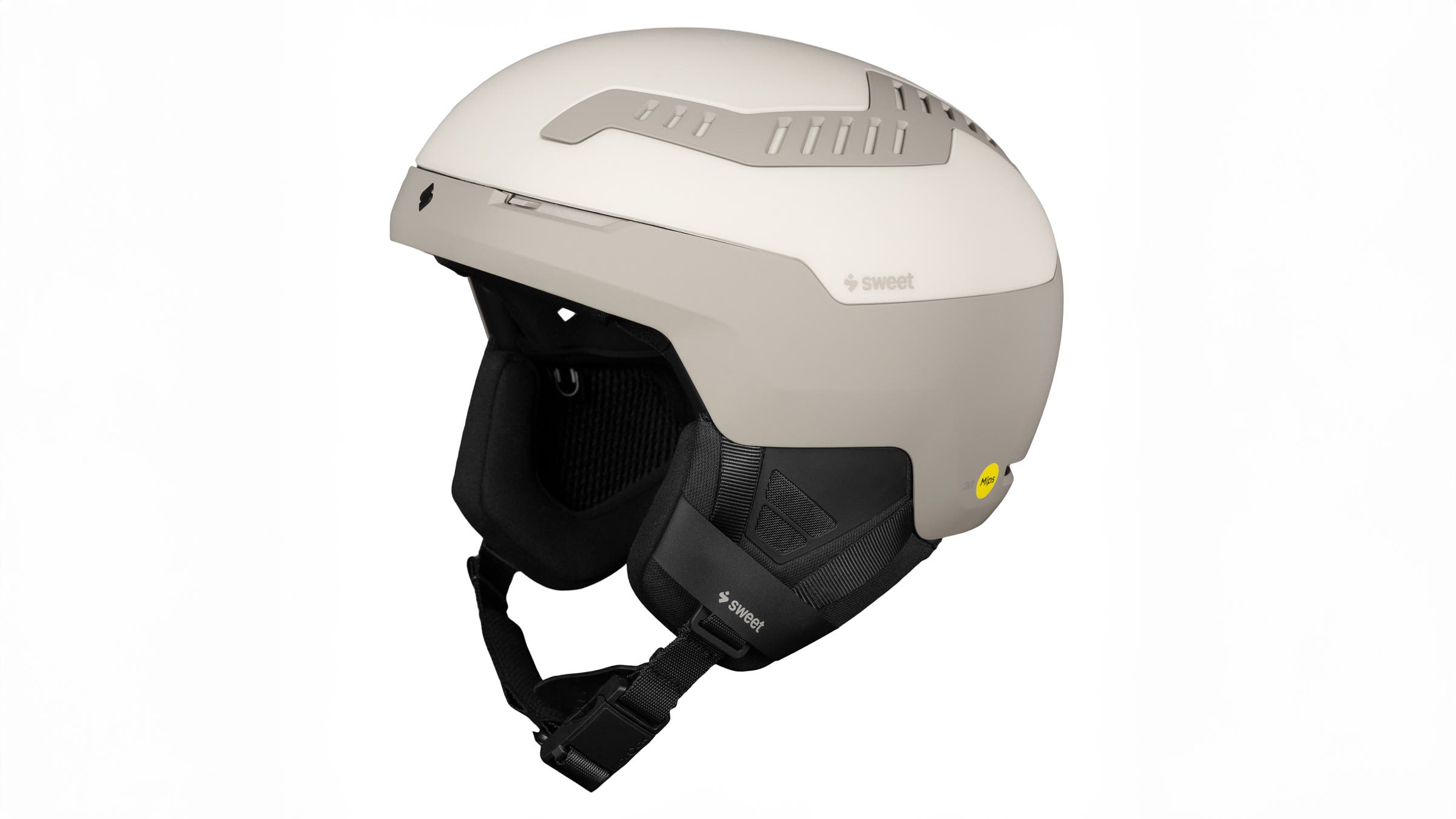
The Sweet Protection Switcher 2Vi MIPS emerged as the crown jewel of the testing cycle, earning the title of best ski helmet overall. Retailing at $300 and available in sizes ranging from Small/Medium to Large/XL, the 560-gram helmet utilizes Sweet Protection’s proprietary 2Vi platform. This advanced design integrates a shock-absorbing inner structure with targeted impact shields engineered to dissipate rotational and linear energy forces during high-impact crashes. Testers praised the Switcher 2Vi for its exceptional ventilation system, which relies on interconnected top and front vents that can be easily modulated during fluctuating temperatures. While minor critiques were directed at the thickness of the default earpads, the helmet’s universal goggle compatibility and plush, easily adjusted Occigrip turn-dial fit system secured its position as the ultimate all-rounder for global ski travel.
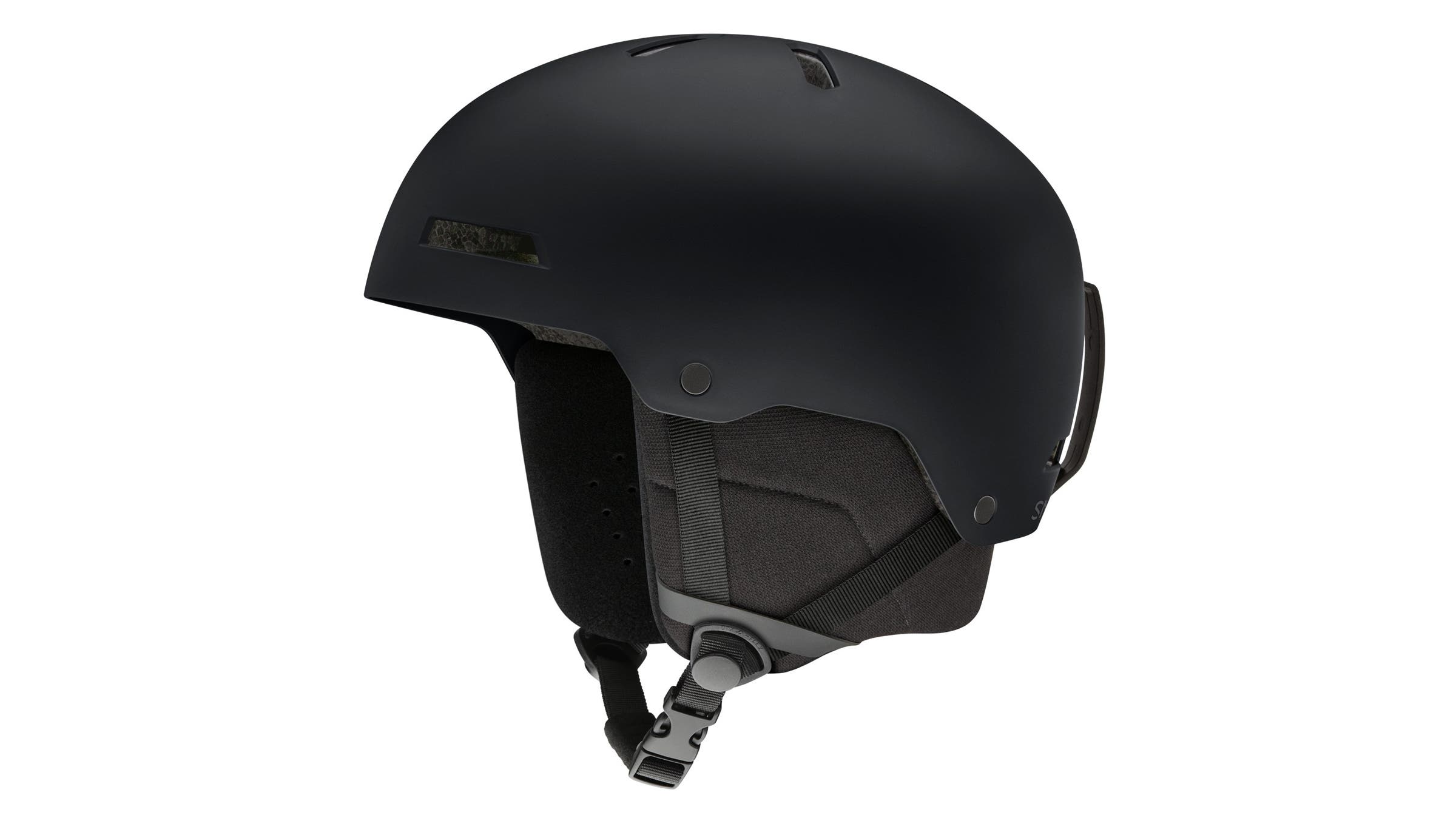
For budget-conscious consumers, the Smith Rodeo MIPS redefined expectations for entry-level safety gear. Priced at approximately $105, the 550-gram medium helmet punches well above its weight class. Constructed with a high-cut injection-molded ABS shell designed to resist denting and absorb heavy impacts, the Rodeo also stands out as one of the most environmentally sustainable helmets on the market, incorporating a high percentage of recycled materials. Although its permanent venting system prevents closure during severe blizzards and its plastic goggle retention components feel somewhat rudimentary, the inclusion of MIPS technology and Smith’s Round Contour fit—designed explicitly to minimize pressure points for round-headed skiers—makes it an exceptional value proposition.
Comfort and Ergonomic Excellence
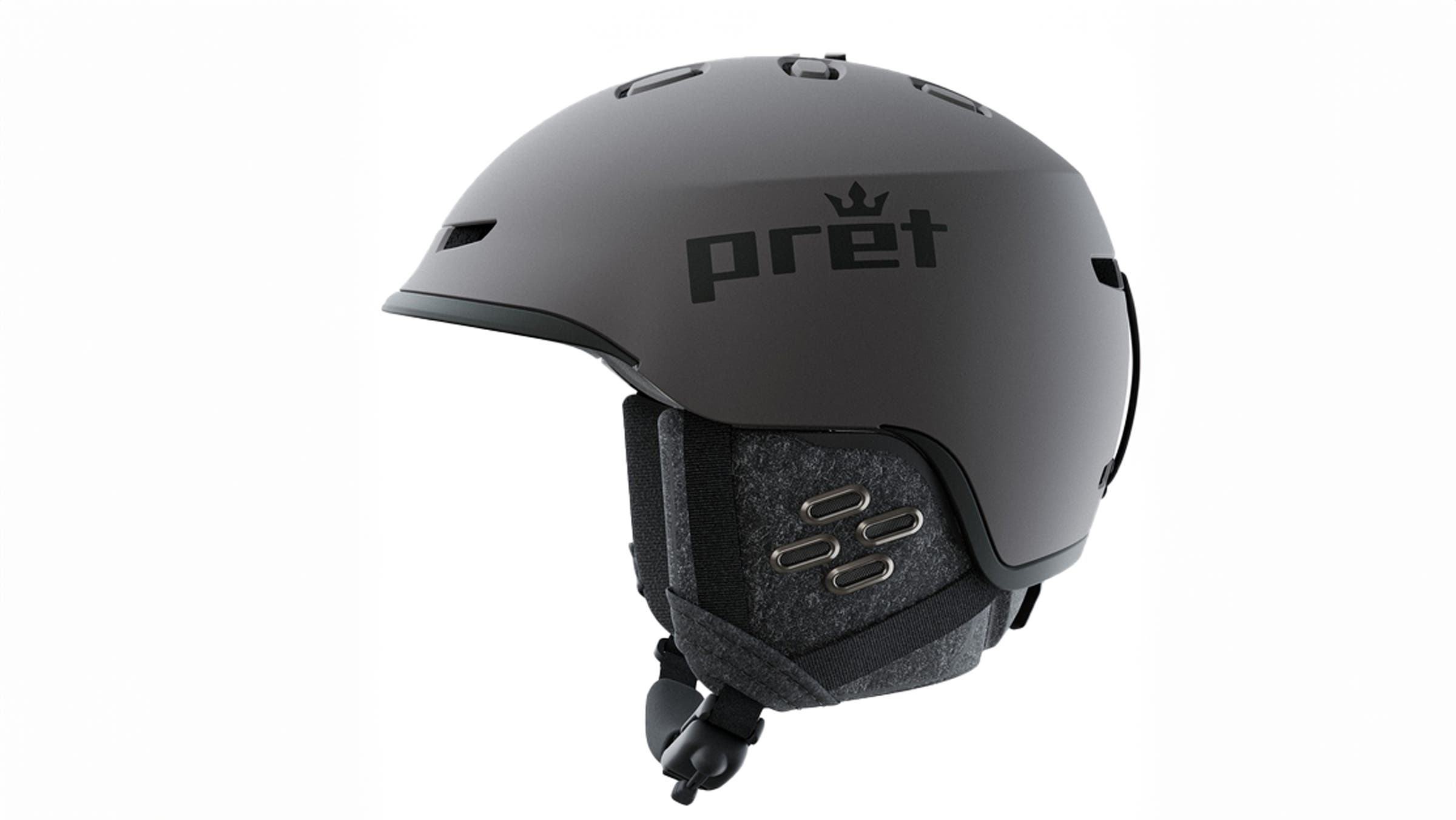
When evaluating sheer comfort, the Pret Cynic 2 (Men’s) and Lyric 2 (Women’s) models dominated the testing criteria. Weighing a remarkably light 417 grams and retailing at $190, these helmets feature Pret’s Ripcord 360 Fit system and cozy, removable ear grommets. The standout ergonomic feature across the board was the magnetic Fidlock chin strap buckle, which allowed testers to secure and release the helmet effortlessly while wearing heavy winter gloves. The singular lever-operated ventilation system provides immediate temperature regulation, though the brand’s vibrant, contrasting colorways lean toward a bold aesthetic statement rather than an understated look.
Versatility and Backcountry Integration
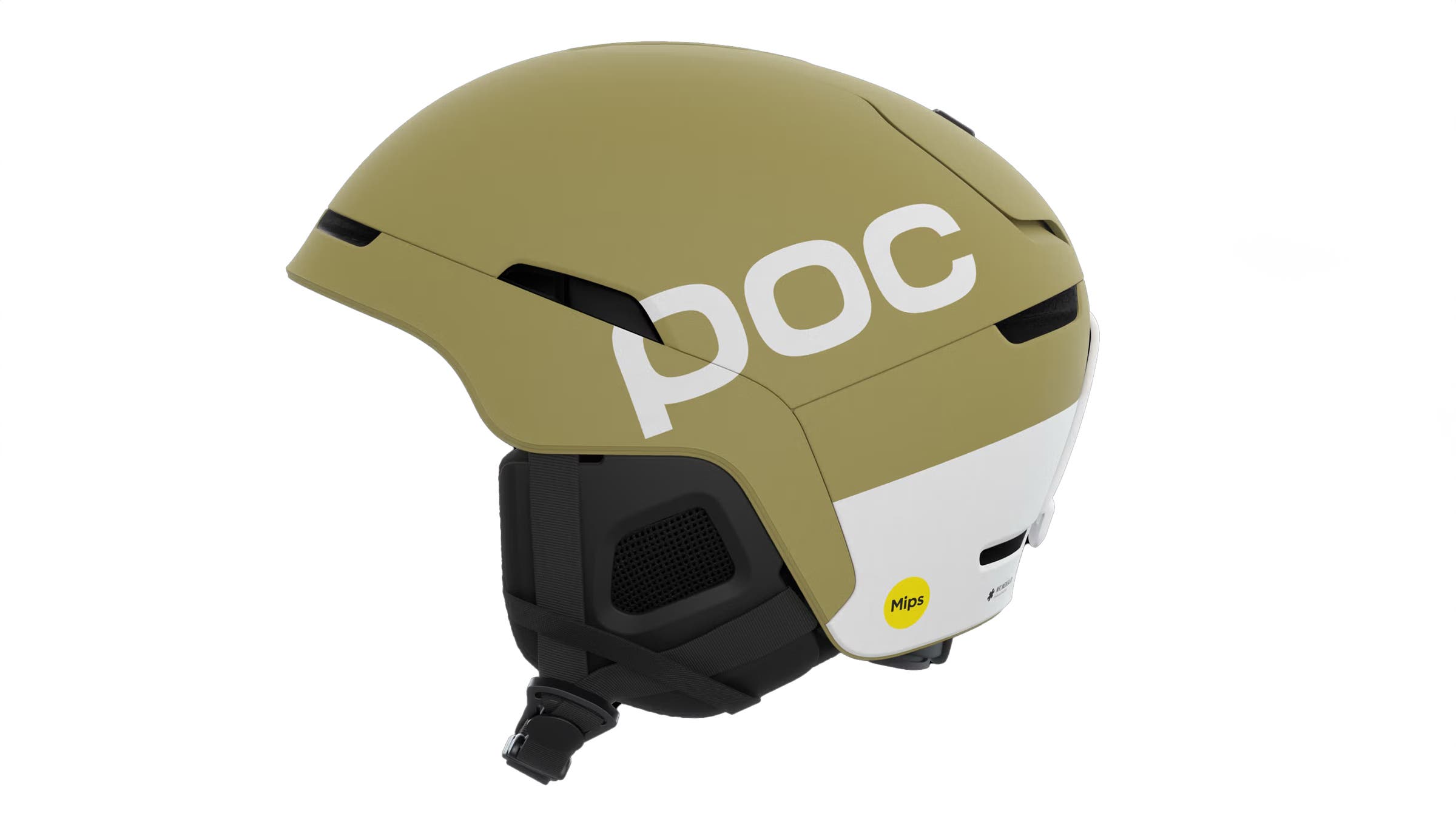
As ski mountaineering and sidecountry exploration continue to surge in popularity, the demand for dual-purpose equipment has intensified. The POC Obex BC MIPS ($300, weighing 530 grams) claimed the title of most versatile helmet. While technically categorized as a backcountry helmet due to its comprehensive coverage and robust construction, its weight positioned it as an ideal hybrid resort-and-touring option. Beyond its mechanical safety features—including MIPS Evolve and Recco reflectors—the Obex BC incorporates a Twiceme NFC Medical ID chip embedded in the shell. This technology allows first responders and rescue personnel to instantly access critical medical data and emergency contact information via a smartphone scan, representing a significant leap forward in wearable emergency preparedness.
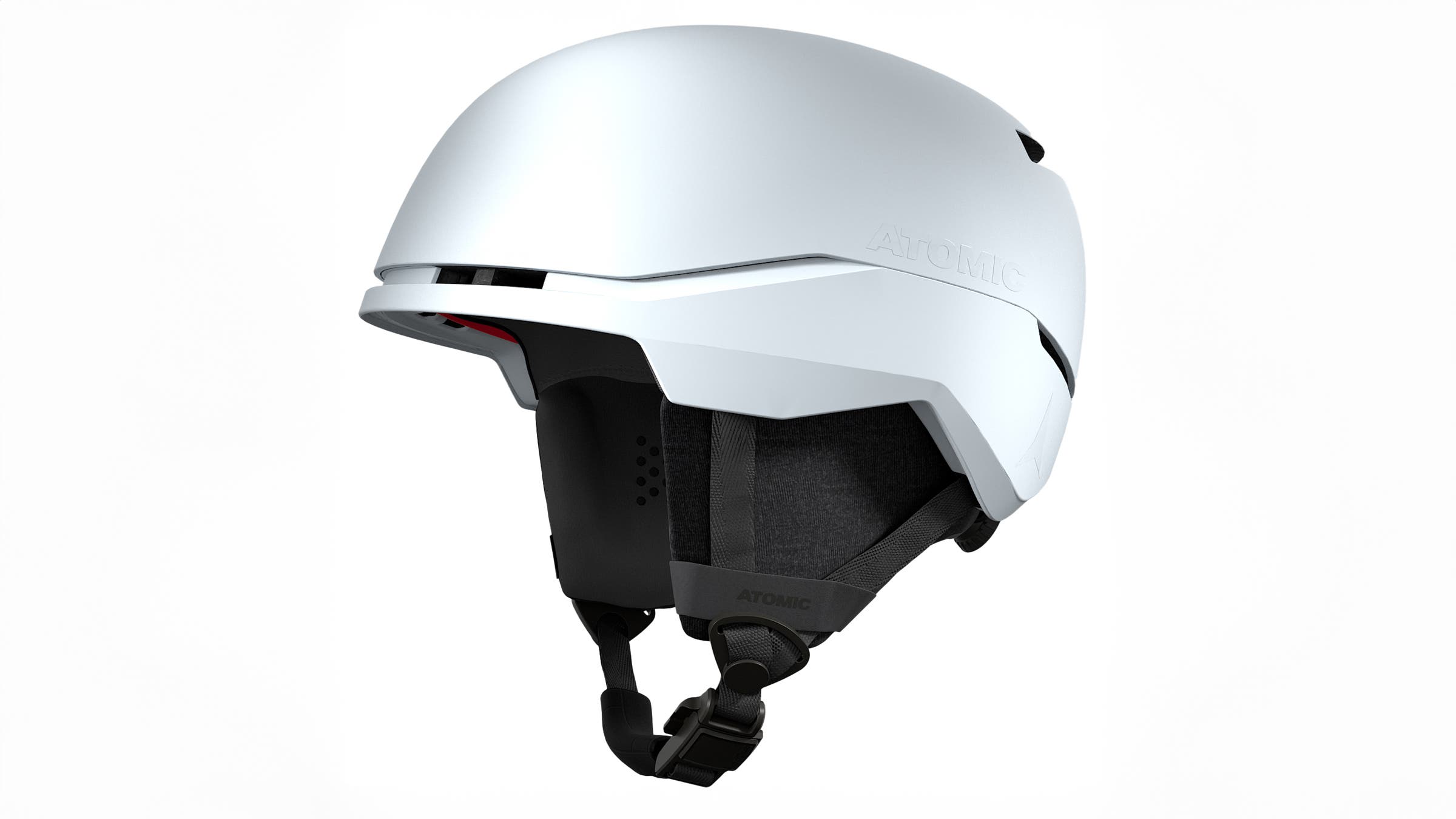
Conversely, skiers prioritizing minimalist efficiency for human-powered ascents gravitated toward the Atomic Four Amid Pro. Weighing an ultralight 380 grams and retailing at $220, this model relies on Atomic’s proprietary AMID (Atomic Multi-directional Impact Deflector) and Holo Core technology, which creates a crumple zone to absorb up to 40 percent more impact than industry standards. While ventilation is limited to eight fixed ports and the ear flaps are permanently integrated into the liner, its featherlight weight and packability made it the preferred choice for extended backcountry tours.
Ventilation and Specialized Fit Solutions
Temperature regulation remains a critical engineering hurdle in snowsports headwear. The Smith Vantage 2 MIPS ($265, 550 grams for a medium) addressed this challenge by securing the title for best ventilation. Utilizing dual independent vent switches, users can open and close crown and side exhaust ports separately—an operation easily performed while in motion on the slopes. Complemented by Koroyd structural material, which maximizes energy absorption while promoting unobstructed airflow, the Vantage 2 provides a convertible-like climate control experience for variable winter weather.
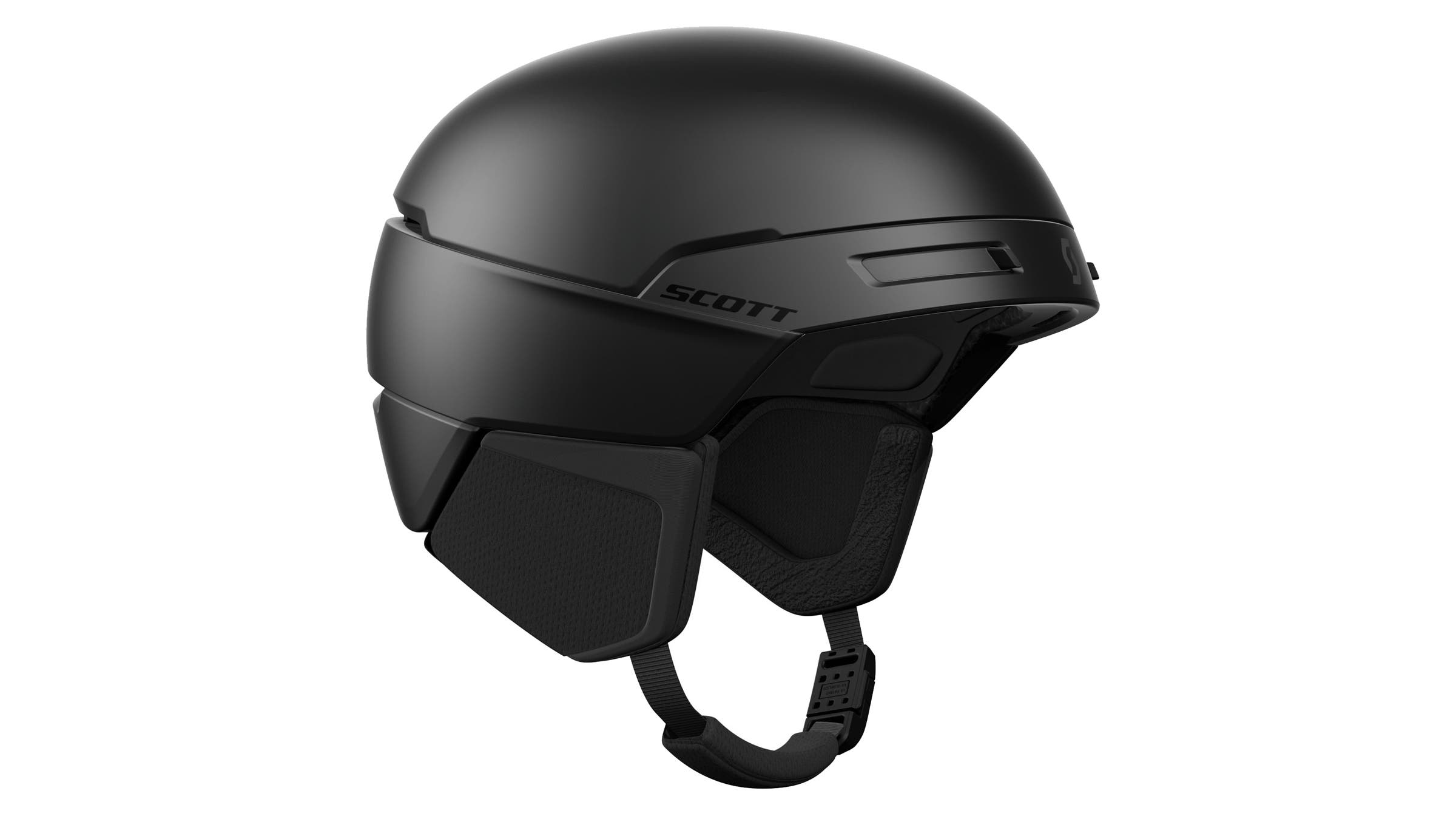
Meanwhile, the Scott Flow Pro MIPS ($240, 506 grams) focused on acoustic performance and customized ergonomics. Featuring Scott’s 360 Pure Sound Technology, the helmet’s specialized ear pad construction significantly improves ambient noise detection compared to traditional, heavily insulated competitors. Paired with a streamlined, moisture-managing interior liner, the Flow Pro offers an exceptional fit for oval head shapes, though testers noted a desire for more expansive crown ventilation.
Finally, the Glade Boundary MIPS ($199, 436 grams) tackled the perennial issue of the "gaper gap"—the exposed forehead space between helmet rims and goggles that often leads to windburn and thermal loss. Engineered for seamless integration with Glade-branded optics, the Boundary prevents cold air infiltration while offering independent top and side venting ports and a magnetic Fidlock chinstrap.
Industry Analysis: The Economics and Future of Ski Safety
The proliferation of advanced safety metrics across all price points reflects a broader maturation within the winter sports manufacturing sector. Industry analysts note that consumer purchasing habits have shifted decisively away from pure aesthetics toward certified safety integrations. The near-universal adoption of rotational impact mitigation systems—whether MIPS, Koroyd, or proprietary architectural cores—indicates that liability and consumer awareness are driving higher baseline manufacturing standards.
Safety regulatory bodies and insurance providers have increasingly emphasized the statistical efficacy of certified helmets in reducing traumatic brain injuries during resort collisions and backcountry incidents. Consequently, premium price points are no longer justified solely by branding, but by measurable advancements in material science, weight reduction, and emergency communication integration like NFC chips.
Purchasing and Maintenance Recommendations
Industry experts advise that consumers approach helmet acquisition with longevity and structural integrity in mind. Standard polyurethane and EPS (expanded polystyrene) foam liners degrade over time due to ultraviolet exposure, sweat accumulation, and minor impacts. A general rule of thumb within the snowsports industry dictates that a helmet should be replaced every three to five years, or immediately following any significant crash where the shell has absorbed a heavy blow, even if external damage is not immediately visible.
When determining sizing, online purchasers are encouraged to measure their head circumference using a soft tape measure positioned roughly one inch above the eyebrows and ears, matching those measurements against manufacturer metric sizing charts. Ensuring a snug, pressure-free fit supplemented by a micro-adjustable rear dial remains the primary defense against helmet displacement during a fall. Ultimately, the modern landscape of snowsports safety equipment ensures that regardless of budget constraints or specific riding styles, skiers and snowboarders have access to deeply refined, technologically advanced head protection designed to preserve cognitive health on every descent.

