
Selecting the optimal outerwear for winter sports remains a critical factor in determining overall comfort, performance, and safety on the mountain. Whether navigating sub-zero chairlift rides at high-altitude resorts or breaking trail on remote backcountry ascents, the modern women’s ski jacket must balance technical weatherproofing, breathability, and ergonomic design. To identify the absolute finest gear available for the upcoming season, an intensive testing initiative was launched, culminating in the evaluation of 41 distinct women’s ski jackets over the course of a full winter cycle.
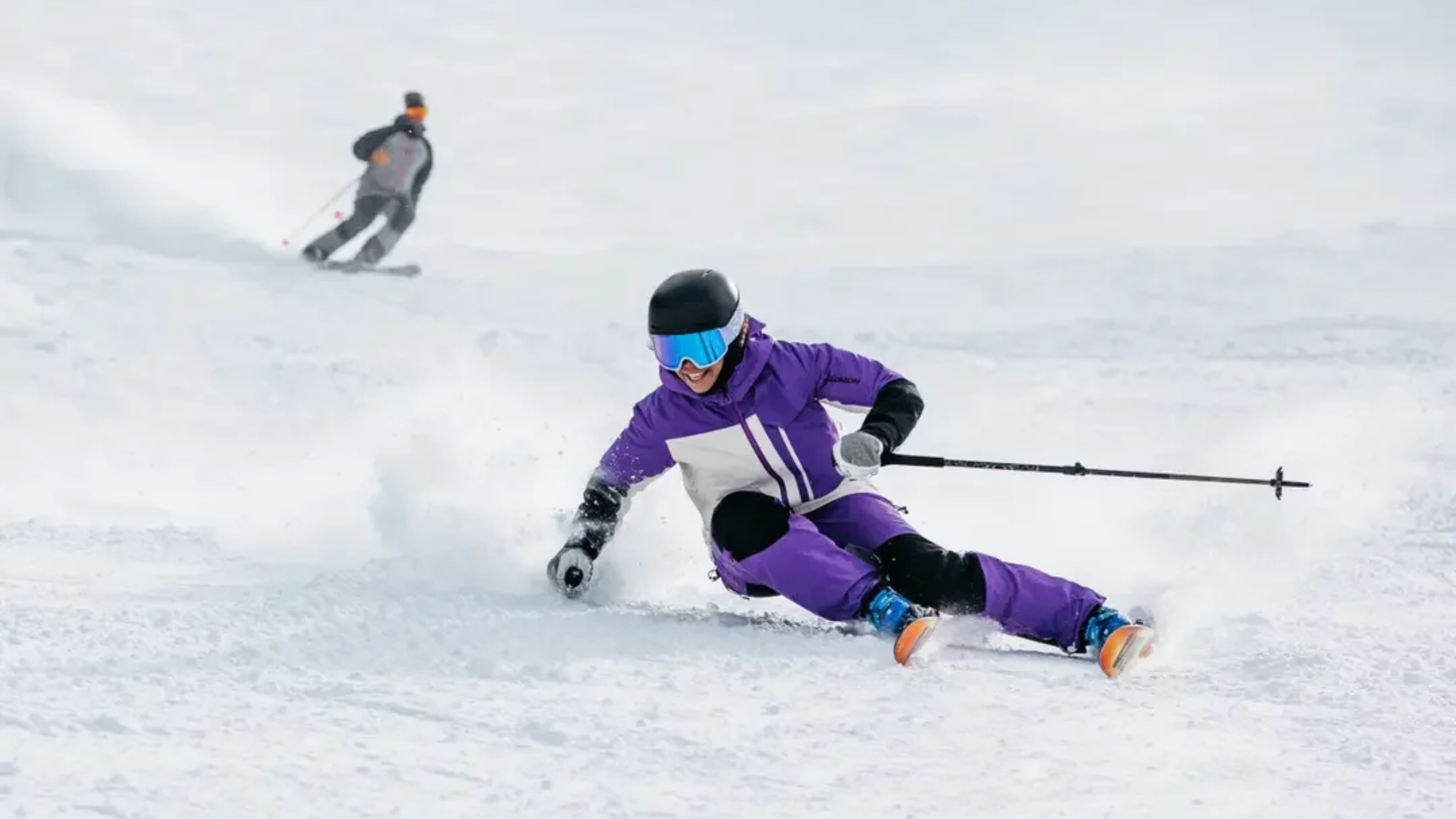
Comprehensive Testing Methodology and Field Evaluation
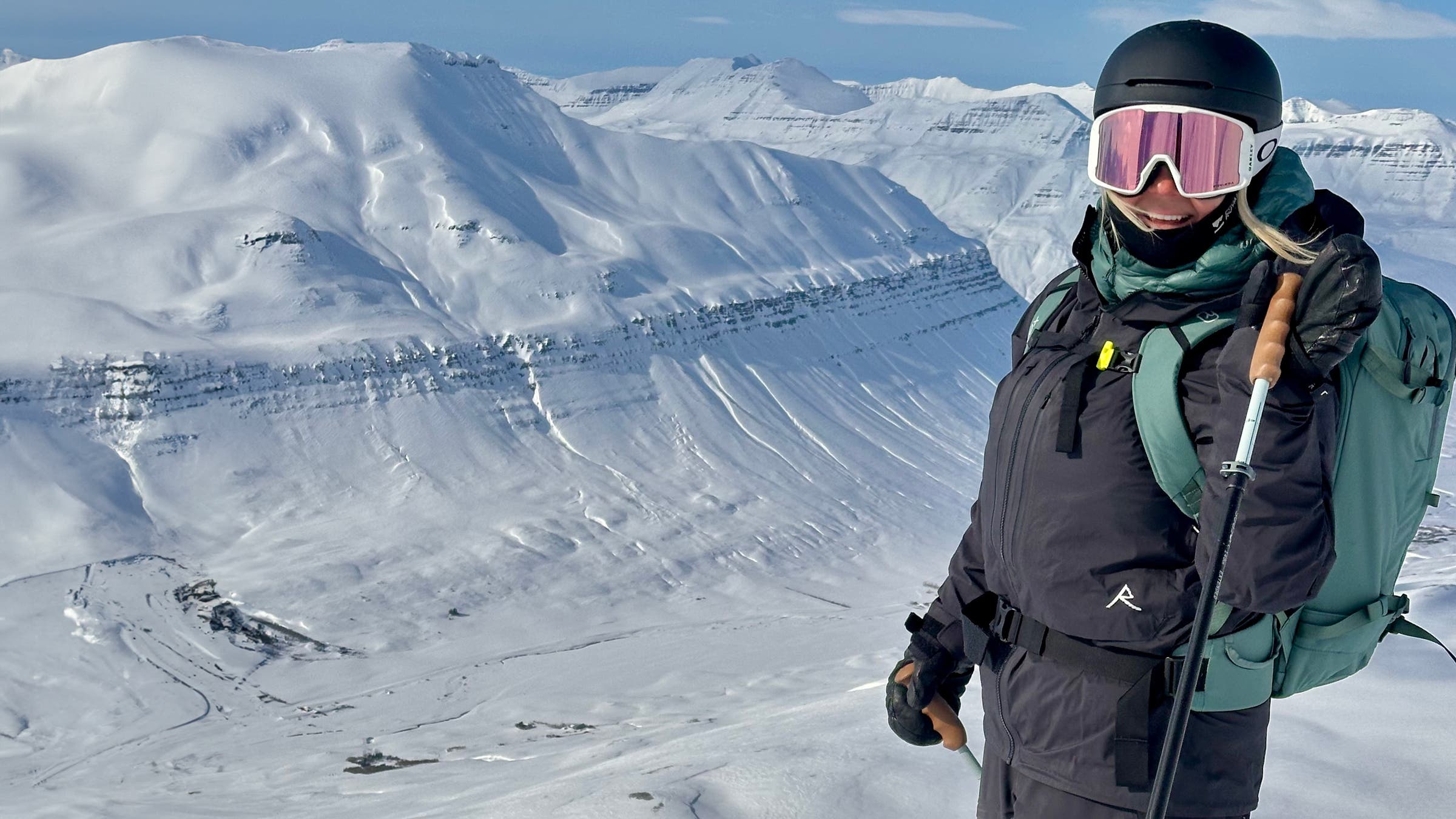
The evaluation process spanned nine U.S. states and three international countries, placing gear in the hands of ten rigorous testers. The cohort included professional ski patrollers, freeride coaches, former alpine racers, and dedicated backcountry guides. Field testing conditions varied significantly to stress-test every seam, zipper, and fabric membrane. Testers endured wind-chilled double-digit sub-zero temperatures and wet storm cycles on East Coast resort trails at mountains like Ragged and Sunapee, experienced wide temperature swings from frosty mornings to slushy afternoons at Crested Butte Mountain Resort, navigated technical terrain during extended hut trips in Colorado’s San Juan Mountains, braved heavy Pacific Northwest precipitation on Mount Hood, and completed multi-day ski-touring traverses in Iceland’s northern fjords.
Throughout the season, evaluators systematically tracked multiple performance metrics, including thermal retention relative to ambient temperature, moisture-vapor transmission rates during high-output aerobic ascents, wind and water resistance under extreme precipitation, range of motion in the shoulders and arms, and overall durability. Hardware functionality—such as glove-friendliness of zipper pulls, helmet compatibility of hoods, and pocket placement—was scrutinized alongside aesthetic versatility for transitional aprés-ski environments. Following the conclusion of the field testing cycle, qualitative feedback was cross-referenced against technical specifications to isolate the standout performers.
Top-Tier Performers Across Categories
The evaluation resulted in specialized accolades for jackets excelling in distinct use cases, ranging from lightweight backcountry shells to heavily insulated resort wear.
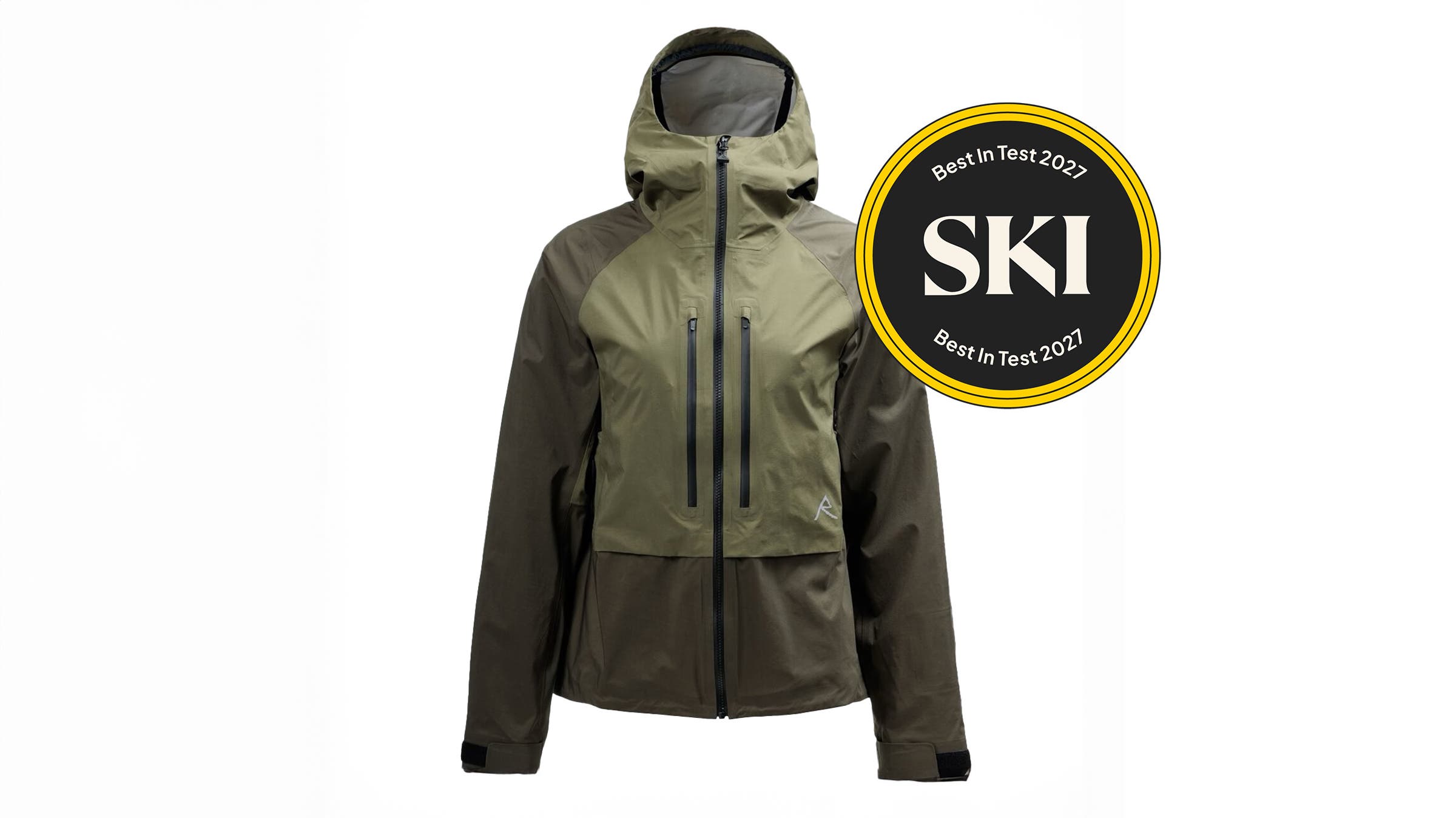
The Raide TourTech Shell secured the overall Editors’ Choice award. Weighing a mere 358 grams in a size small, this minimalist shell is engineered primarily for human-powered uphill travel. Constructed from Raide’s proprietary TourShell-01 three-layer fabric, it achieved high scores for breathability during strenuous skin-track ascents while maintaining an effective barrier against high-velocity winds. Specialized features include dual chest pockets with integrated beacon sleeves, two-way pit zips, pass-through pockets doubling as vents, and a packable design that compresses to the volume of a grapefruit. Testers noted that while additional midlayers are required on frigid winter storm days, the freeride-inspired cut provides ample internal volume for insulation without restricting movement.
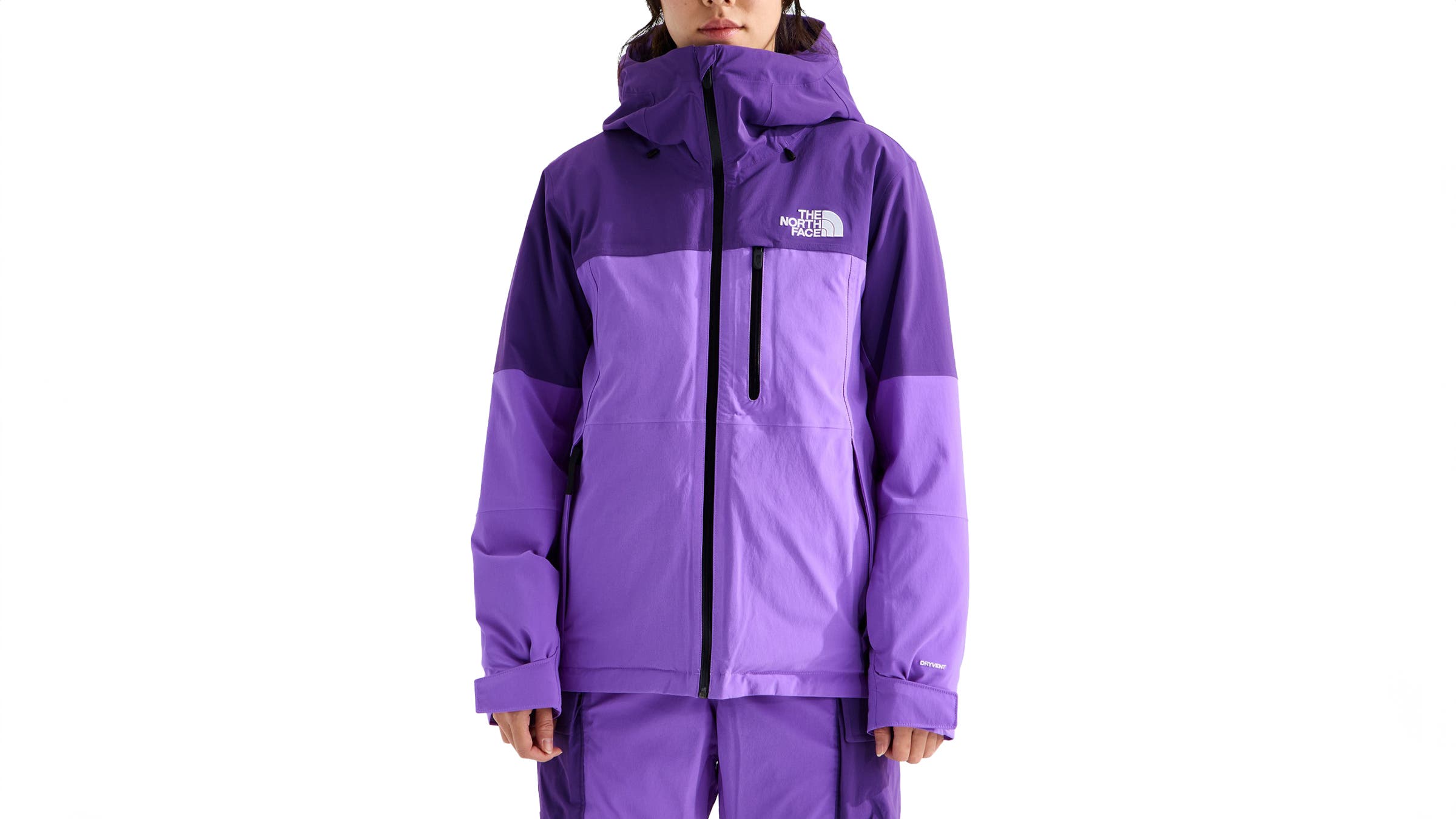
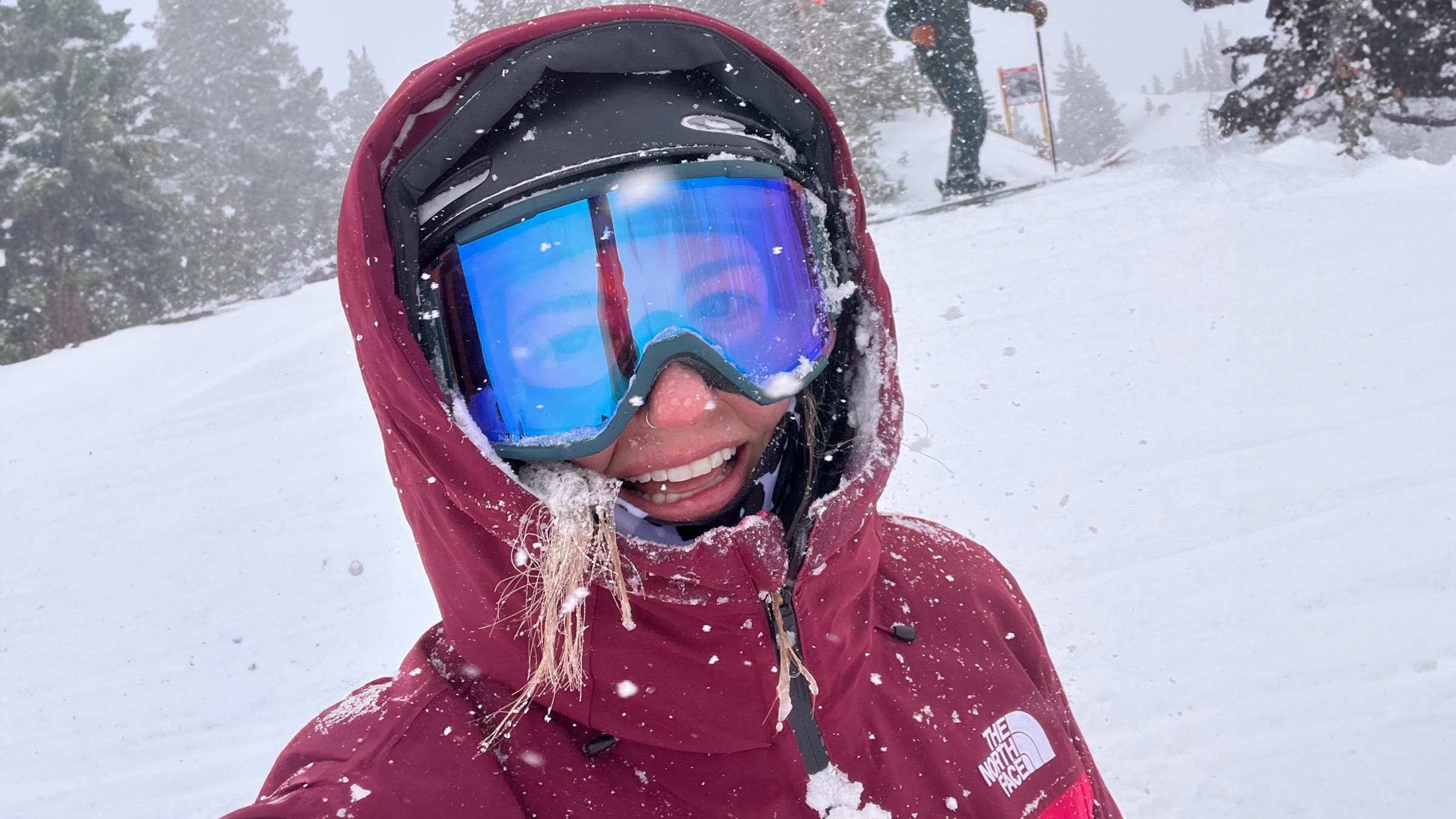
For consumers prioritizing financial efficiency without sacrificing performance, The North Face Freedom Insulated Jacket was named Best Value at a retail price of $380. Evaluated extensively across exposed steeps and icy groomers in Colorado, the Freedom offered plush synthetic insulation that retained heat during prolonged chairlift ascents. Its robust pocket configuration—comprising a wrist pass pocket, zippered hand and chest pockets, and an internal mesh drop-in pouch—provided practical storage. While the jacket’s limited, mesh-lined underarm vents tended to trap excess heat during high-output mogul skiing, it delivered reliable cold-weather protection for resort-focused skiers.
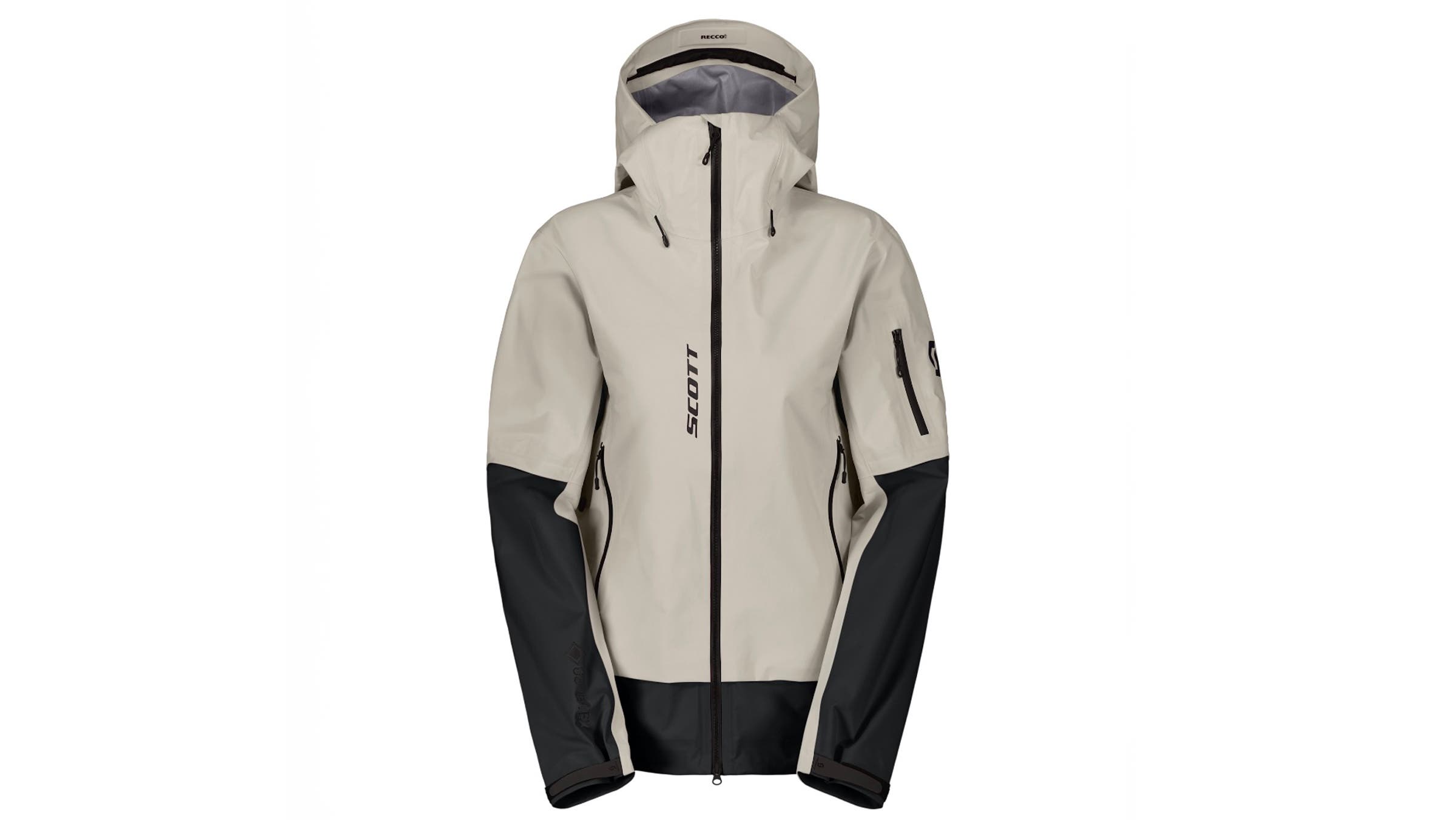
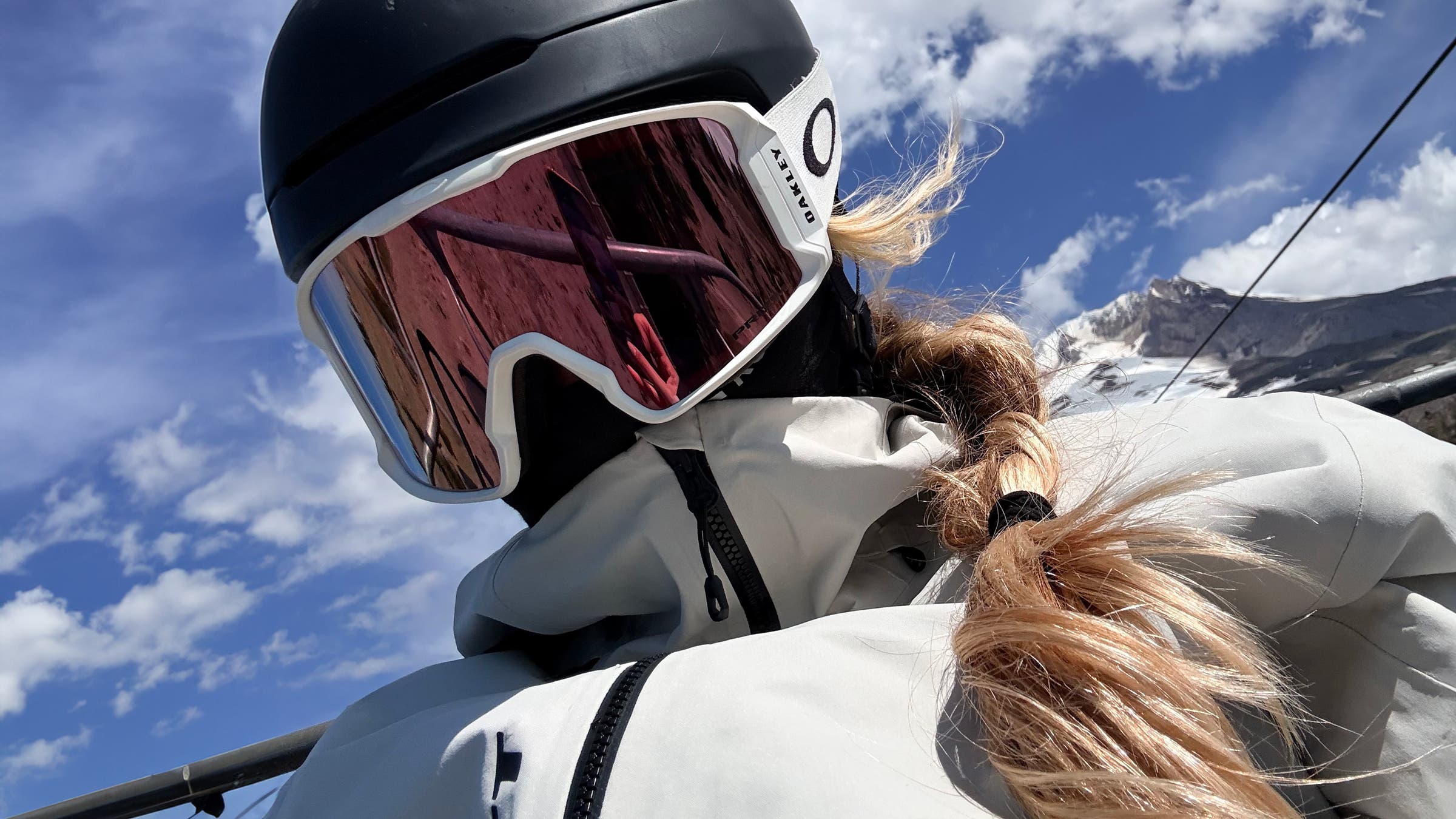
The SCOTT Explorair Gore-Tex 3 Layer earned the designation of Best Shell. Utilizing a Performance 3-layer Gore-Tex membrane constructed from recycled polyamide with a PFC-free durable water-repellent (DWR) finish, the Explorair successfully repelled moisture in wet Pacific Northwest conditions. Weighing approximately 500 grams, it functioned as a versatile outer layer that relied on user-selected base and midlayers for thermal regulation, while underarm vents facilitated efficient heat dumping during active skiing.
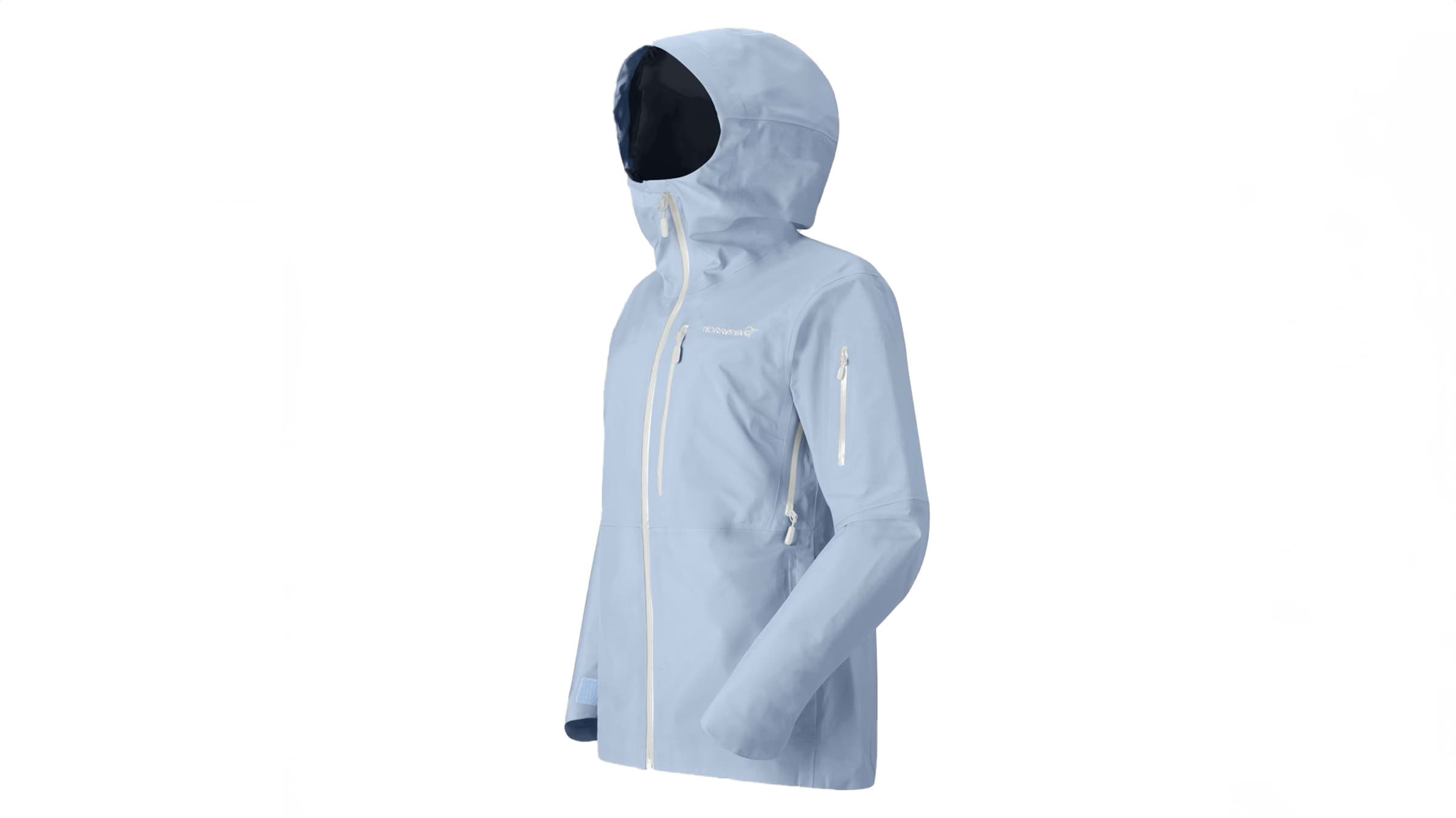
Addressing the needs of cold-sensitive skiers who prefer to minimize layering complexity, the Norrøna Lofoten Gore-Tex Thermo80 was awarded Best Insulated Jacket. Featuring 80g/m² synthetic insulation in the core and 60g/m² in the hood, cuffs, and hem, paired with a PFAS-free Gore-Tex two-layer membrane, the jacket maintained consistent warmth over a single base layer during three-hour sessions in sub-freezing, high-wind environments. Its layout includes a five-plus-two pocket arrangement with oversized zipper toggles, a zip-off powder skirt, and an articulated helmet-compatible hood.
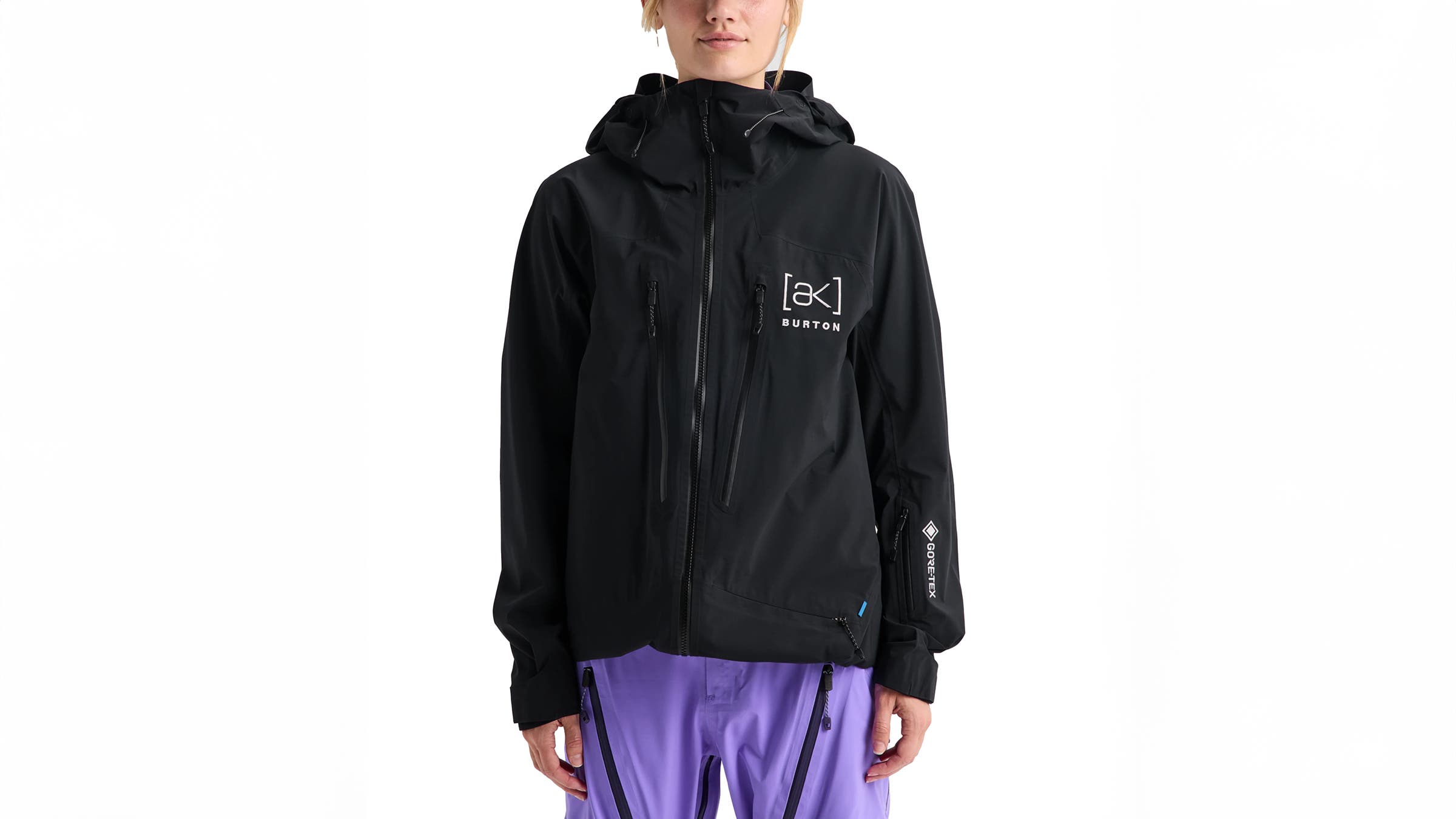
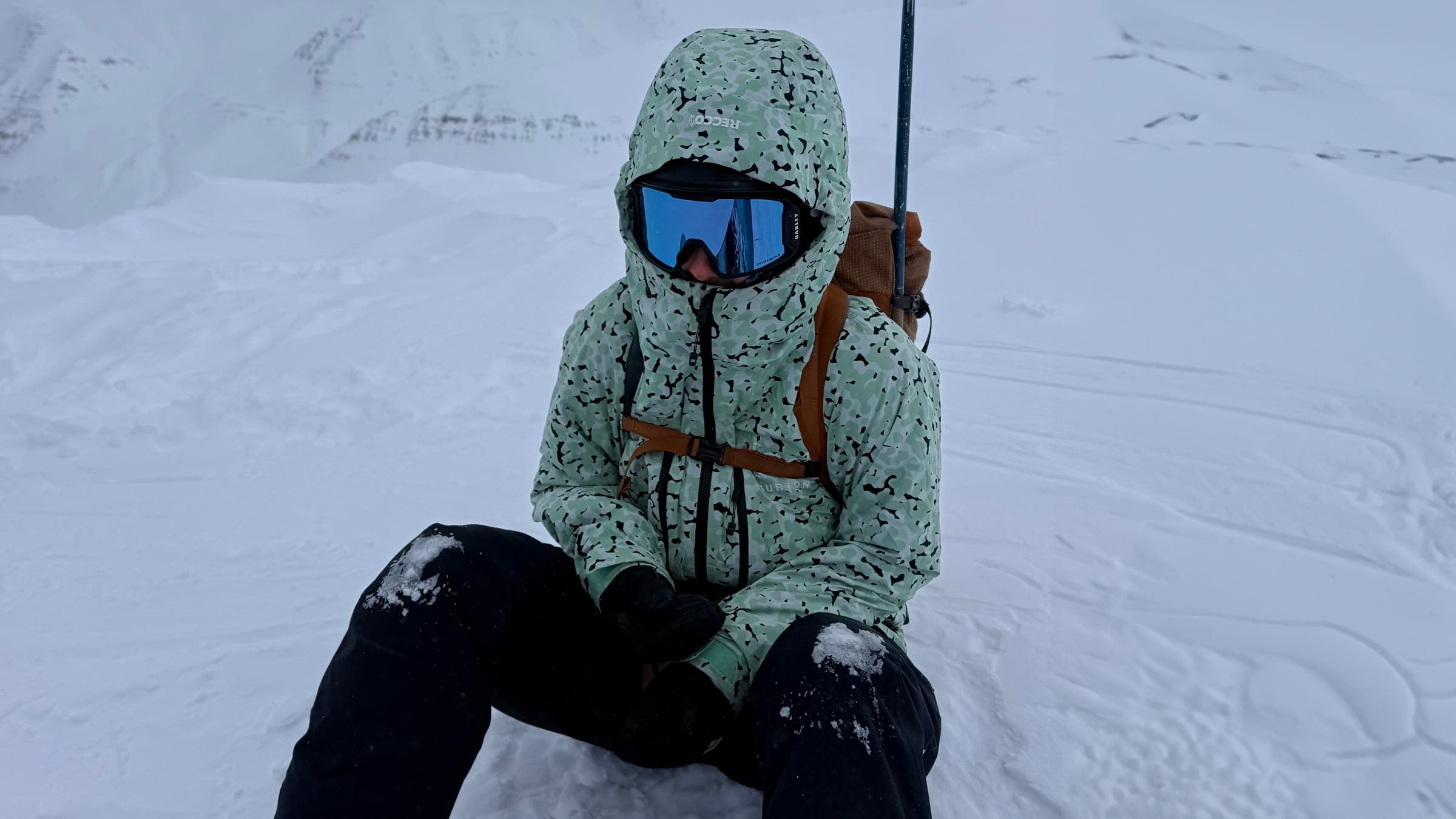
The Burton [ak] Tuvak Gore-Tex C-Knit 3L emerged as the leading soft shell option. Featuring a three-layer C-Knit backing, the fabric offers increased suppleness and packability compared to traditional rigid three-layer shells. Evaluated in sustained winds exceeding 50 miles per hour and during multi-day backcountry excursions, the Tuvak provided unrestricted mobility and efficient moisture management via pit vents, though users required substantial midlayers during extreme cold snaps.
Additional category leaders included the Black Diamond Recon Insulated Shell, recognized for exceptional warmth via zoned insulation and interior mesh stash pockets; the Columbia Roffe Ridge Down Heat Seal, noted for combining 650-fill RDS-certified down with Omni-Heat thermal lining and effective pit-zip venting at an accessible price point; and the Halfdays Lawrence Jacket, which addressed industry gaps in size inclusivity by offering a tailored, feminine fit across a broad grading scale from XXS to 2X.
Market Context and Consumer Purchasing Frameworks
The global market for women’s technical snowsports apparel continues to evolve, reflecting broader shifts in consumer preferences toward multi-use garments, sustainable material sourcing, and inclusive sizing. Industry analysts note that contemporary outerwear buyers increasingly demand apparel that transitions seamlessly from alpine resort boundaries to backcountry touring zones and urban aprés-ski settings. This versatility has prompted manufacturers to incorporate lightweight, high-performance waterproof membranes alongside refined, ergonomic tailoring that moves away from traditional oversized silhouettes without sacrificing mobility.
Industry stakeholders, including gear manufacturers, retail buyers, and consumer advocacy groups, emphasize that selecting the appropriate ski jacket depends on aligning product specifications with individual skiing profiles. Experts recommend analyzing four core criteria prior to purchase:
-
Thermal Architecture (Insulated versus Shell): Insulated jackets offer immediate, low-maintenance warmth suitable for resort skiers and individuals with lower natural cold tolerance. Shell jackets provide modular versatility, allowing users to fine-tune their internal microclimate through layering strategies suited for fluctuating temperatures and high-output backcountry touring.
-
Ergonomic Fit: Tailored, athletic cuts offer a streamlined profile and reduced wind resistance, whereas relaxed freeride fits accommodate bulkier insulation layers and cater to dynamic movement patterns.

-
Feature Prioritization: Buyers should evaluate functional elements based on specific skiing habits—such as dedicated lift-pass pockets for resort pass-holders, extensive ventilation systems for backcountry adventurers, or internal drop-in storage for accessories—to avoid paying for unnecessary hardware.
-
Financial Investment: With retail prices spanning from $300 to upwards of $1,000, higher-tier price points typically reflect advanced proprietary membrane technologies, premium insulation weights, and specialized construction techniques designed for intensive, long-term use. Value-oriented alternatives offer dependable weatherproofing for occasional recreational skiers.
Broader Industry Implications
The rigorous testing and subsequent adoption of advanced technical materials—such as PFAS-free DWR treatments and recycled face fabrics—highlight an ongoing industry-wide transition toward environmental sustainability. As regulatory pressures mount regarding the elimination of per- and polyfluoroalkyl substances in outdoor textiles, brands are successfully engineering high-performance alternatives that match the waterproofing and durability standards of legacy chemicals.
Furthermore, the expansion of inclusive sizing demonstrated by brands like Halfdays signals a departure from the historical industry standard of simply shrinking men’s patterns for female consumers. By developing garments graded specifically for diverse female anatomies, manufacturers are establishing a new baseline for comfort and performance equity in winter sports gear. As these manufacturing practices mature, the market is positioned to offer increasingly sophisticated, durable, and environmentally responsible outerwear tailored to the diverse demands of modern skiers.

