
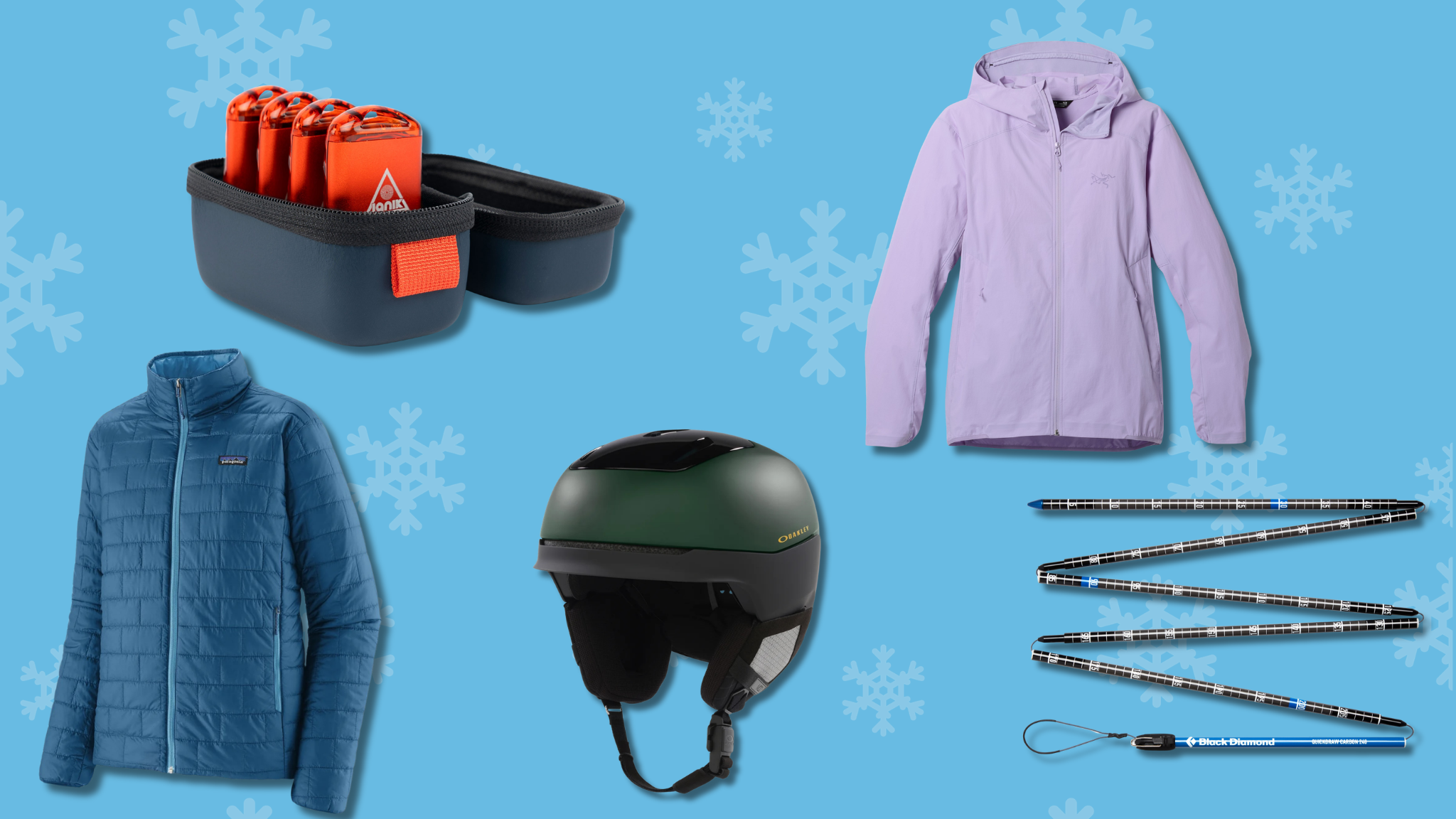
As the final weeks of summer give way to the crisp transition of early autumn, outdoor retailers and winter sports enthusiasts are turning their attention toward the upcoming ski season. With early snowfalls already dusting high-altitude mountain summits across select North American resorts, the annual late-summer retail cycle has officially commenced. Major outdoor equipment distributors and specialized winter sports shops have launched aggressive clearance events ahead of Labor Day, offering substantial price reductions on helmets, technical outerwear, layering pieces, and backcountry safety tools.
Industry analysts note that this late-August and early-September discounting window represents a strategic inventory adjustment for retailers. Stores are actively clearing shelf space to make room for forthcoming winter equipment shipments, creating a favorable market environment for consumers looking to replace aging gear or invest in new setups before the lifts begin spinning.
Market Context and the Shift Toward Pre-Season Purchasing
The timing of these end-of-summer markdowns aligns with historical retail patterns within the outdoor recreation industry. For decades, the period immediately preceding Labor Day has served as a bridge between the peak camping and hiking season and the impending winter rush. However, in recent years, climate variability and shifting consumer habits have accelerated this timeline. With several high-elevation ski areas recording early-season dustings as early as August, skiers and snowboarders are increasingly proactive about inventory availability and pricing.
Supply chain normalization following years of pandemic-era volatility has also stabilized pricing structures across major outdoor brands. While inflation has impacted the cost of raw materials over the past several cycles, competitive pressures among major distributors such as Evo and REI have led to widespread price cuts on previous-year models. Retail experts suggest that purchasing technical gear during the pre-season clearance window can yield savings ranging from 20 to 50 percent compared to in-season MSRP (Manufacturer’s Suggested Retail Price).
Key Equipment Highlights and Technical Specifications
Retail inventories featured in the current clearance cycle span a broad spectrum of categories, ranging from resort-oriented safety gear to technical backcountry instrumentation.
Head Protection and Helmet Technology
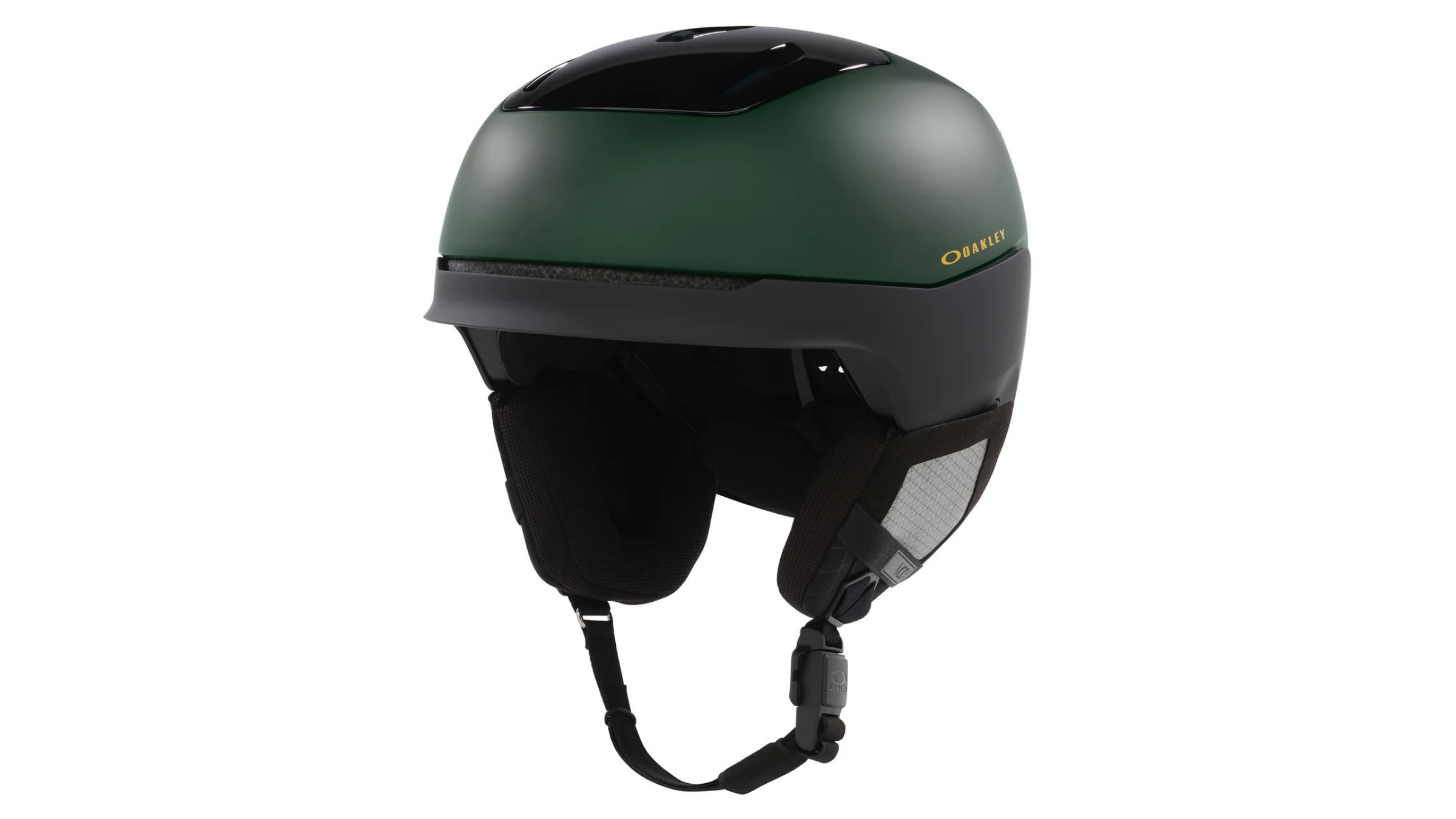
Safety certification standards continue to drive innovation in snow sports helmets, with integrated multi-directional impact protection systems (MIPS) remaining an industry baseline. Among the notable reductions is the Oakley Mod 5 helmet, which features a hybrid shell construction designed for optimized weight distribution and impact dissipation. Incorporating a 360-degree BOA fit system, a magnetic Fidlock buckle, and moisture-managing Polartec liners, the helmet addresses both ergonomic comfort and aesthetic design concerns for skiers with diverse head shapes. Select colorways are currently discounted by up to 50 percent, bringing entry-level pricing down to approximately $135.
Layering Systems and Insulation
Technical apparel manufacturers have heavily discounted synthetic and down insulation pieces designed to regulate core body temperature across variable mountain conditions.
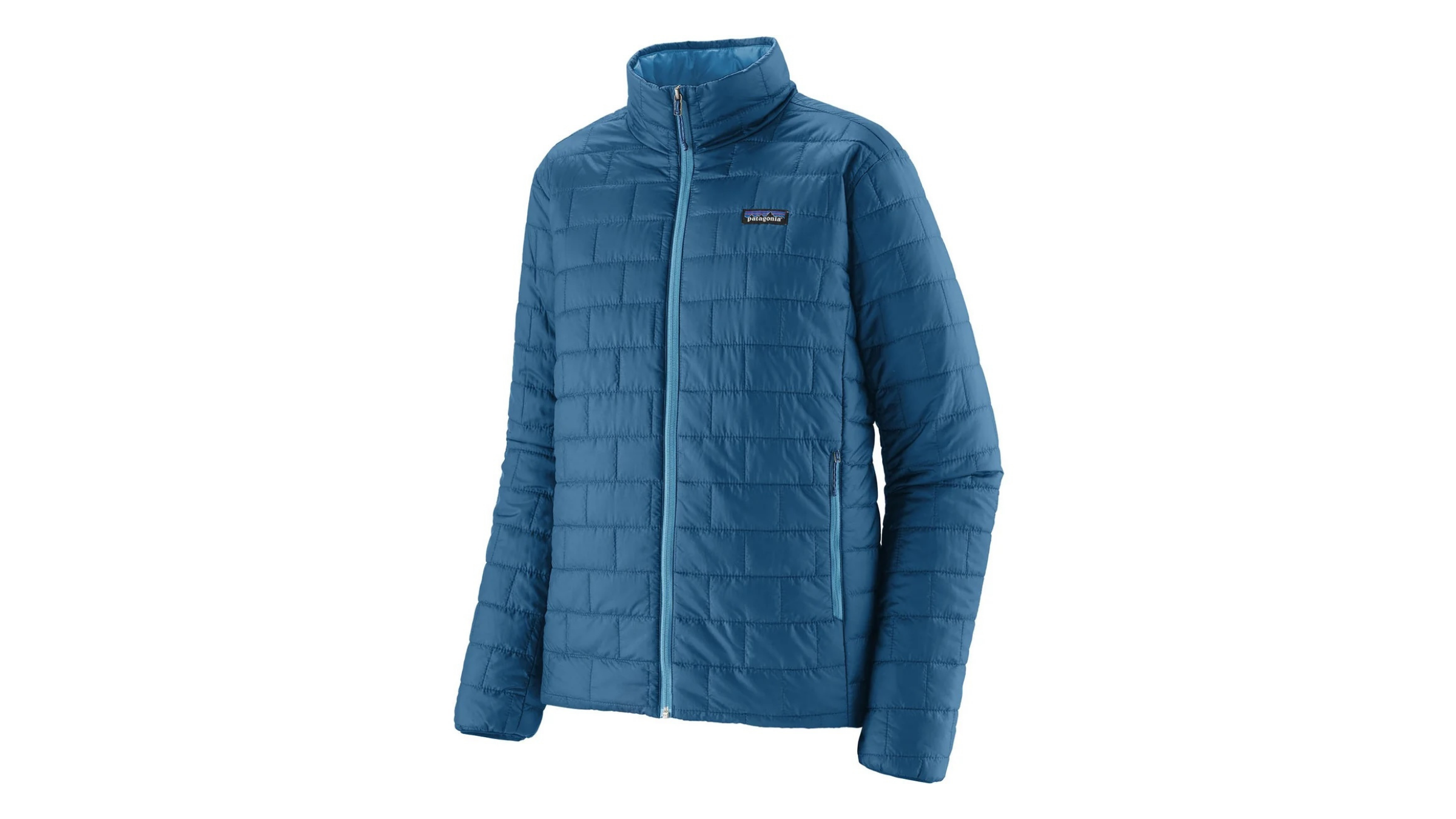
The Patagonia Nano Puff jacket, a staple within both alpine skiing and general outdoor recreation, is currently featured in promotional markdowns across men’s and women’s sizing lines. Utilizing PrimaLoft Gold synthetic insulation encased in a windproof and water-resistant shell, the garment maintains its thermal properties even when exposed to moisture—a critical performance metric for high-output winter activities. Retailers have marked down select colorways by $70, lowering the price point to $160.
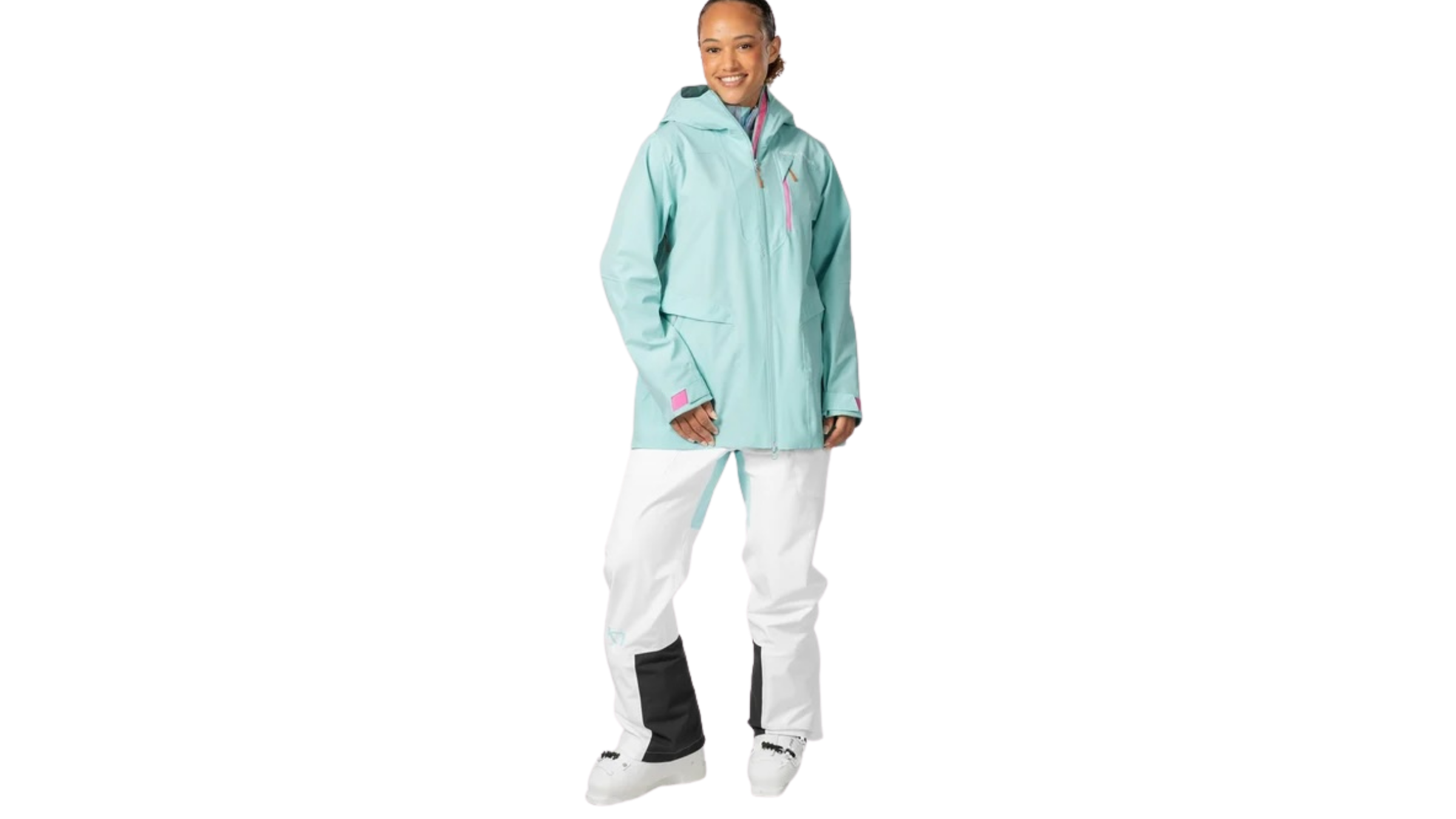
For women seeking a dedicated alpine touring or resort shell, the Kari Traa Johanne jacket integrates a two-layer waterproof-breathable membrane with targeted synthetic insulation. Designed by a brand focused specifically on women’s technical ergonomics, the garment includes adjustable ventilation, a helmet-compatible hood, and a removable powder skirt. Companion bib trousers from the same product line are similarly discounted, offering a comprehensive weather-sealed kit for approximately $185 to $209 per piece.
In the midlayer and softshell category, the Arc’teryx Gamma Lightweight Hoody provides wind-resistant weather protection paired with a UPF 50+ rating, making it adaptable for both autumn transition weather and high-output spring skiing. Select women’s variants are currently discounted starting at $183, while broader technical shell variations across the brand’s catalog see seasonal price adjustments up to 40 percent off.
For traditional cold-weather insulation, The North Face Retro Denali fleece—recognized for its heavy-weight recycled polyester fleece construction and reinforced abrasion panels—is seeing targeted promotions starting at $100 for select color configurations.
Power and Electronic Accessories
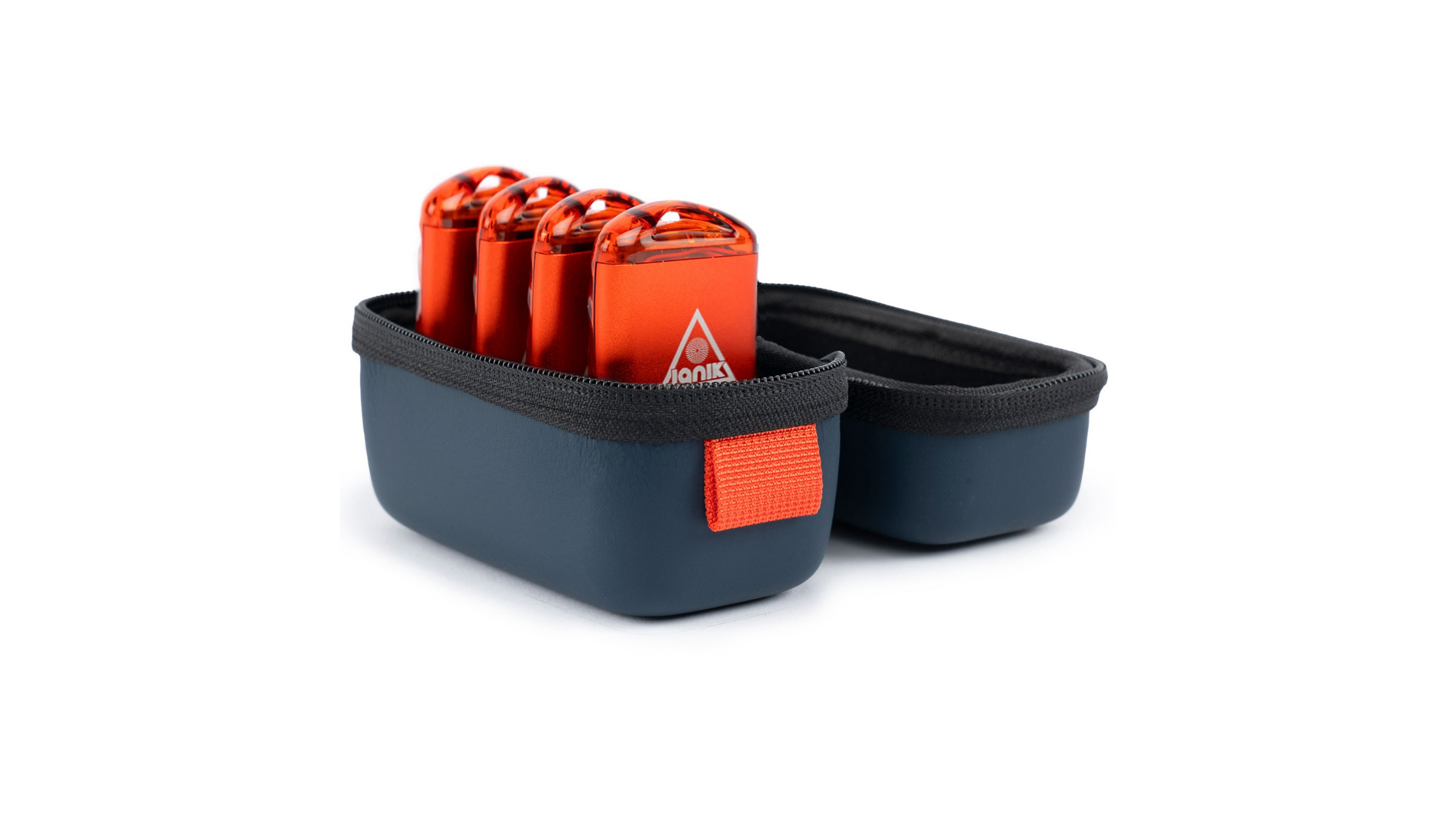
The market for electronic thermal accessories has experienced steady growth as consumers shift away from single-use chemical heat packs. Ignik’s Ripple rechargeable hand warmers, packaged in sets of four, utilize USB-C rechargeable lithium-ion power sources capable of sustaining internal temperatures up to 122 degrees Fahrenheit. Designed with an efficiency mode targeting a consistent 90-degree output, the devices provide up to 12 hours of operational heat, addressing both performance needs and environmental waste reduction in outdoor recreation. The packages are currently retailed through major distributors at approximately $97.
Backcountry Safety Equipment
With an increasing number of skiers accessing unmanaged terrain outside resort boundaries, avalanche safety education and equipment acquisition remain primary focuses for the snow sports community. Black Diamond’s Quickdraw Carbon Probe 240, engineered with lightweight carbon composite shafts and an integrated rapid-deployment mechanism, is currently marked down by 25 percent to $75. Weighing 12.5 ounces and extending to over 94 inches, the tool is designed for rapid deployment during emergency search-and-response scenarios, though mountain safety organizations emphasize that equipment ownership must be paired with formal avalanche education and companion rescue practice.
Industry Implications and Consumer Guidance
The convergence of end-of-summer clearance pricing and early meteorological indicators of winter points toward a robust upcoming season for the snow sports industry. Resort operators, tourism boards, and equipment manufacturers continue to monitor snowpack projections and weather patterns closely following several seasons of volatile snowfall totals across North America.
Consumer advocacy groups and retail advisors recommend that purchasers verify return policies and sizing charts carefully when buying clearance items online, as late-season inventory may feature limited size availability or final-sale restrictions. Furthermore, consumers purchasing safety-critical gear, such as helmets and avalanche rescue tools, are advised to ensure that products meet current safety certifications and industry standards before heading onto the snow.
As retail shelves transition fully toward winter inventory over the coming weeks, these promotional windows are expected to narrow, signaling the formal conclusion of the summer season and the steady acceleration toward the first operational opening days of the winter ski calendar.

